Western-Trained Chef Ling Pivots to Chinese Cuisine: Pepper Tree Reassembles Chinese Flavors Through a Western Lens
Shanghai's new-Chinese restaurant Pepper Tree comes from chef Ling, who previously ran steakhouse StoneSal and private dining concept HIK9. This time, he's channeling over a decade of Western culinary training into Chinese spices and cured meats.
Ling has spent over a decade cooking Western food, and this is the first time he's applying that training to Chinese ingredients. The chef behind steakhouse StoneSal and private dining concept HIK9 is now riding Shanghai's wave of new-Chinese restaurants with Pepper Tree, taking a path that isn't the easy one—Chinese spices, herbs, fermentation and cured meats form the backbone, paired with global ingredients and a foundation in Western technique. Chinese soul, Western hands.
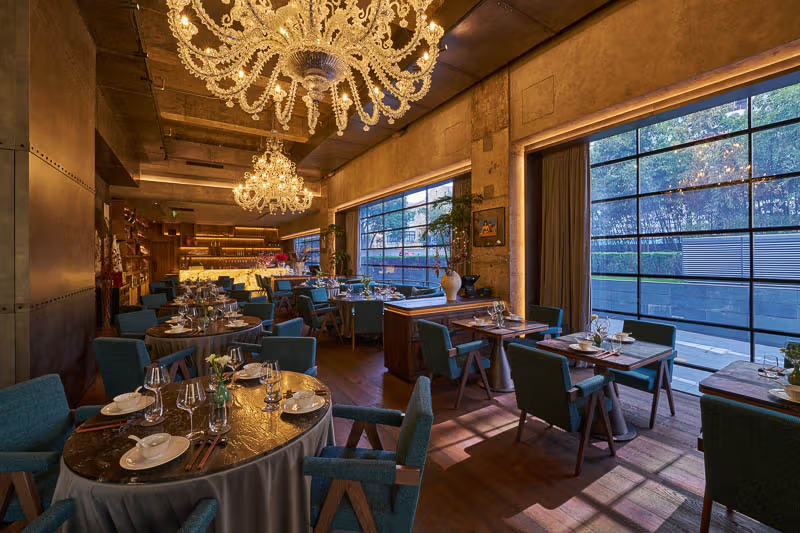
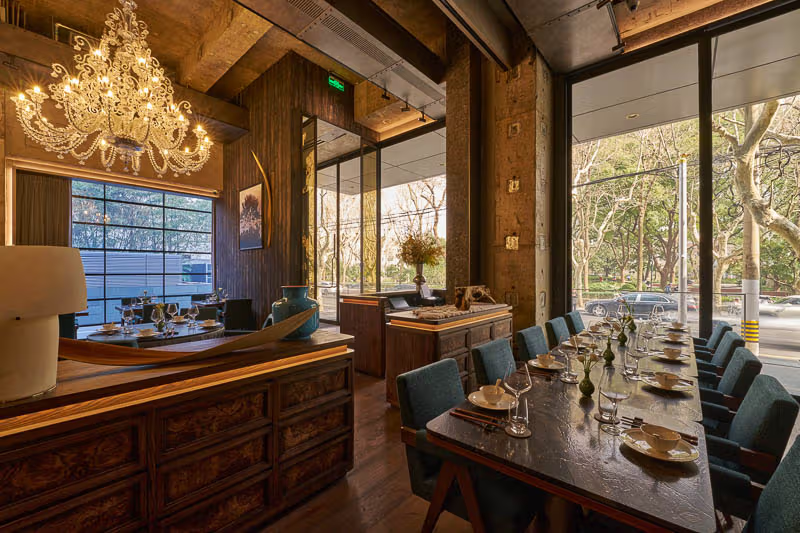
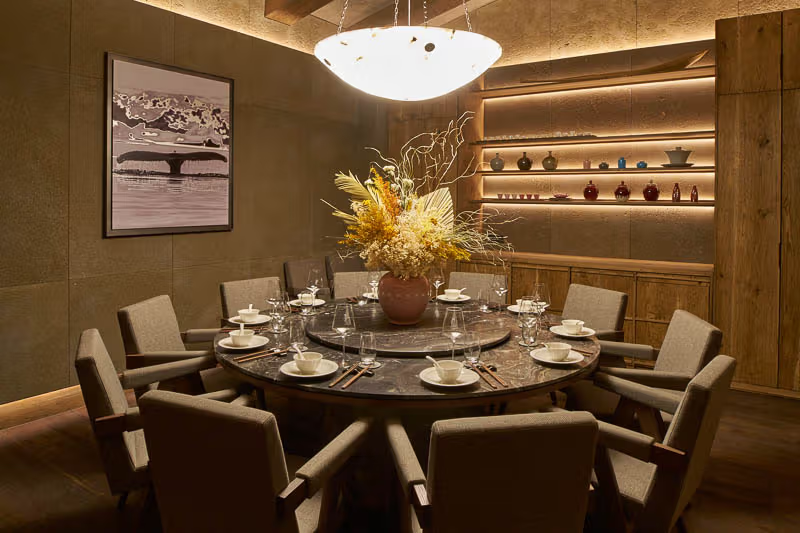
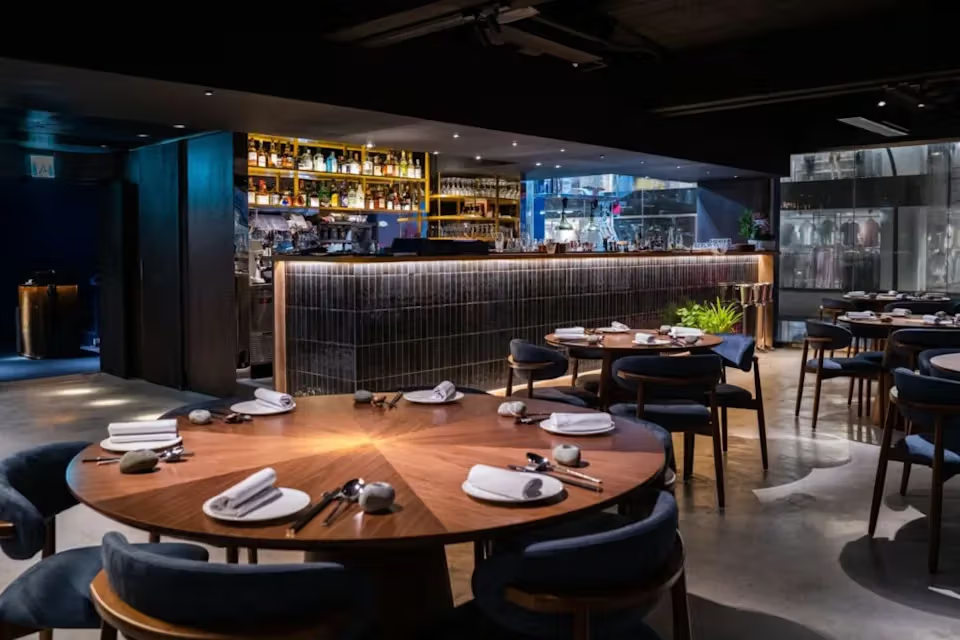
The space sits somewhere between a family dinner hall and a refined bistro—high ceilings, plush upholstered seating, and a large chandelier lending a touch of ceremony, signaling this isn't a place for a casual meal. There are also two private rooms seating six and ten, decorated more understatedly than the main dining area.
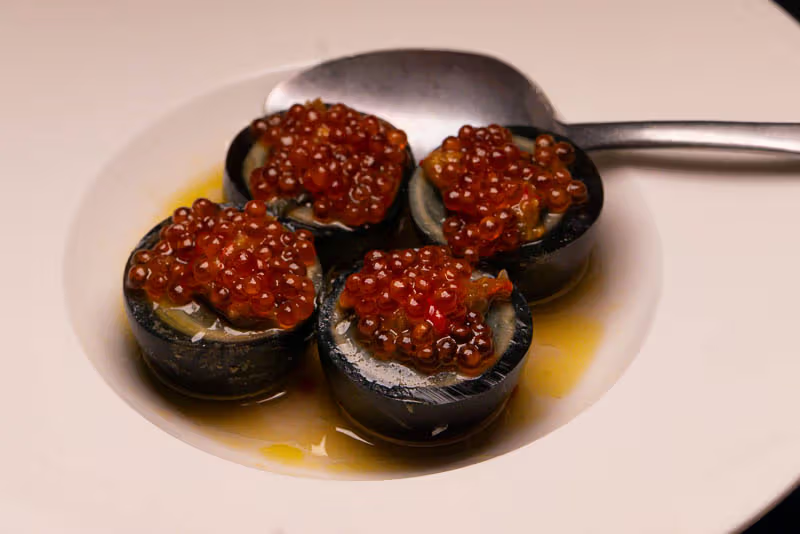
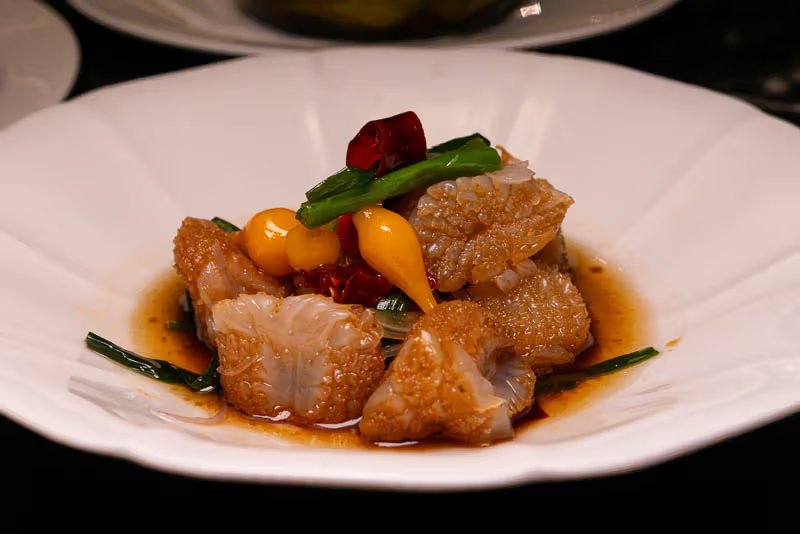
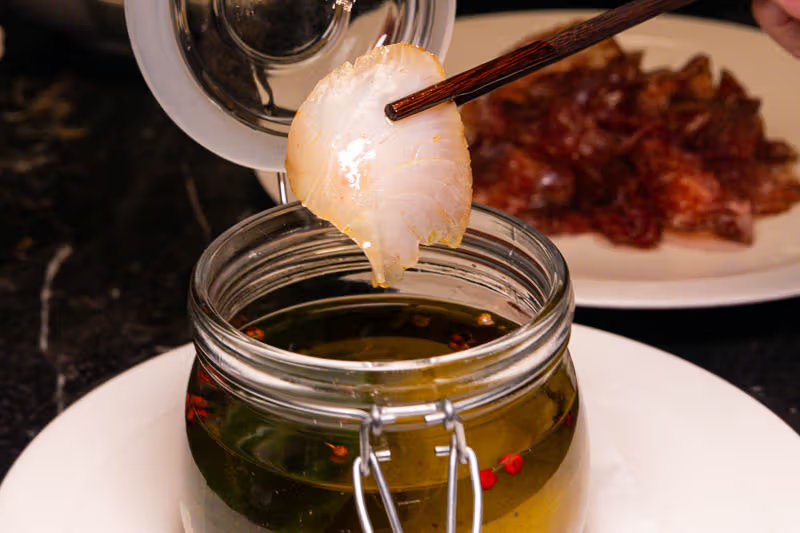
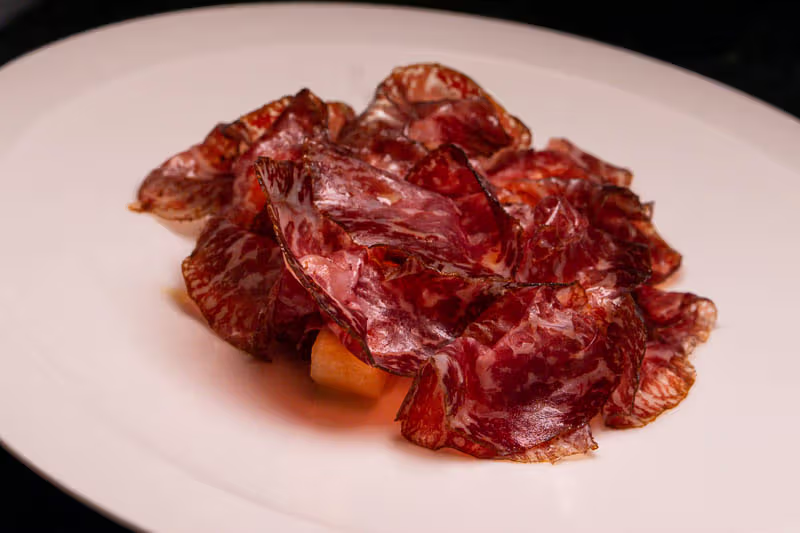
The century egg (¥78) comes with salmon roe, charred pepper, and a Chardonnay sauce—the egg is silky with just the right amount of pungency, the salmon roe adds savory depth, and the sauce pulls the whole plate together. The jellyfish (¥58) is cut into large chunks rather than the usual thin strips, tossed with soybean paste, chili, vinegar, and sesame oil, with the right balance of crunch and acidity. The signature smoked amberjack (¥168) is dry-aged then smoked, and finally confited at low temperature in a twelve-herb olive oil that includes Sichuan peppercorn—the fish is smooth and clean, with a light smoky note and a faint numbing finish. This one's worth ordering. The spicy wagyu ham (¥108) continues Ling's dry-aging craft from StoneSal, with concentrated beef flavor carrying a natural sweetness and a touch of heat—it eats quite luxuriously.
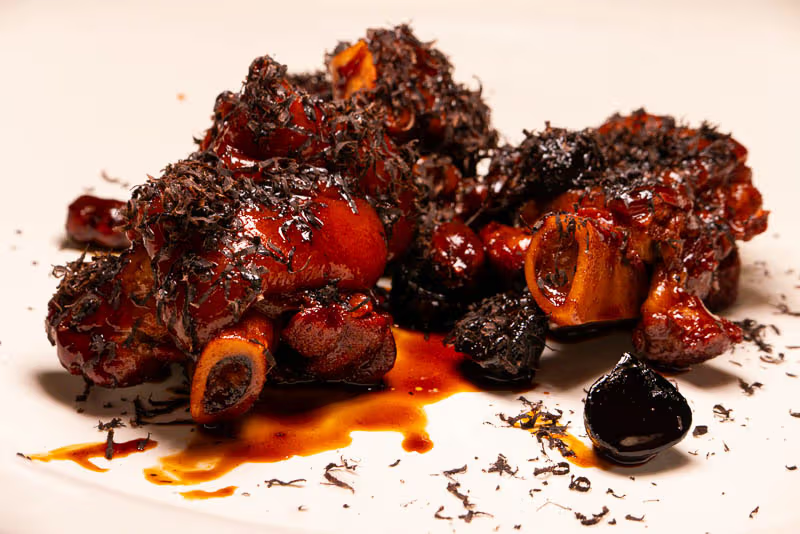
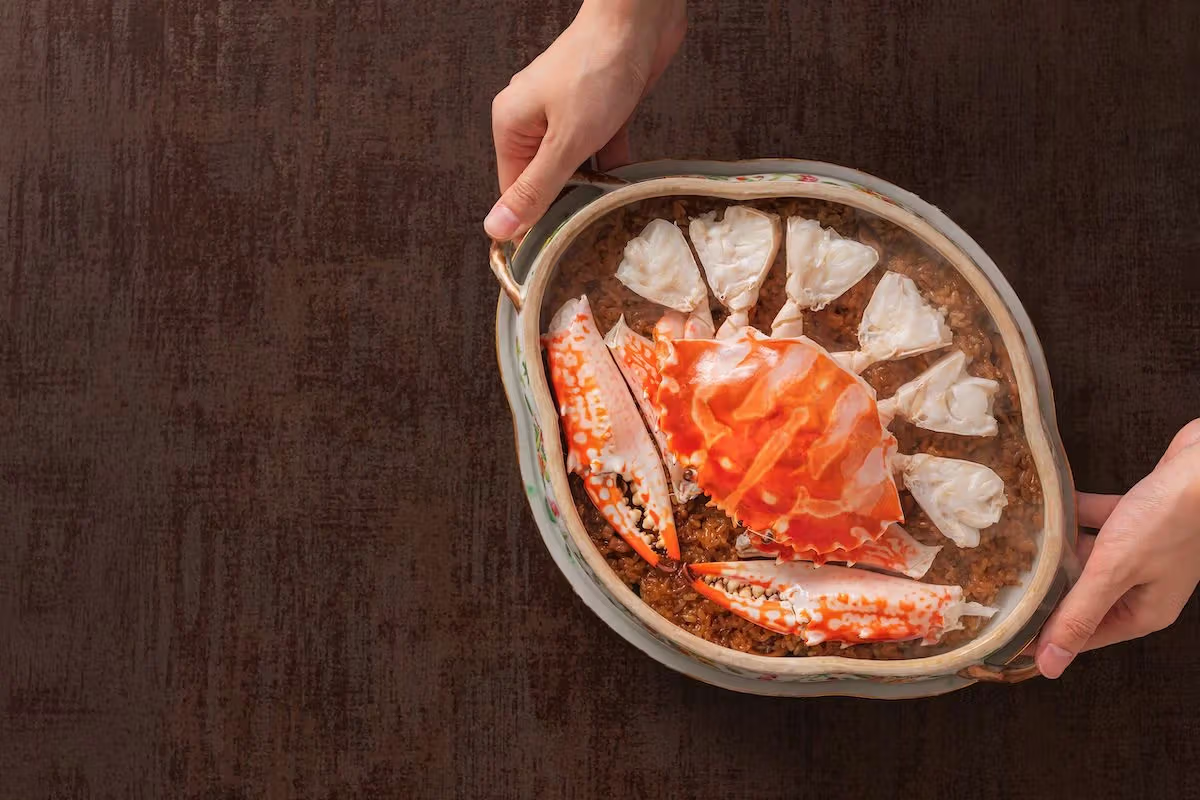
The pig's trotter (¥288) is piled with black truffle and braised until meltingly tender, coated in a thick caramelized sauce made from Yunnan sour cowpeas, black garlic, soy sauce, and honey—perfect over rice. The tender ceylon spinach (¥68) is stir-fried with Italian pancetta, offering a refreshing crunch amid the heavier dishes. The cured meat rice (¥158) is the standout among the mains—cured meats from Guizhou, Sichuan, and Shaanxi are cooked directly with the rice, letting the fat and smoky flavor infuse every grain, finished with Yunnan sweet bamboo shoots, quick-pickled seasonal vegetables, and crispy cured meat bits for a deeply satisfying bowl. The arugula wonton chicken soup (¥98) feels somewhat experimental—arugula filling stuffed into wontons, submerged in a clear yet richly flavored chicken broth—an unexpected combination that actually works.
Beyond the Menu: Ling's Seasonal Specials
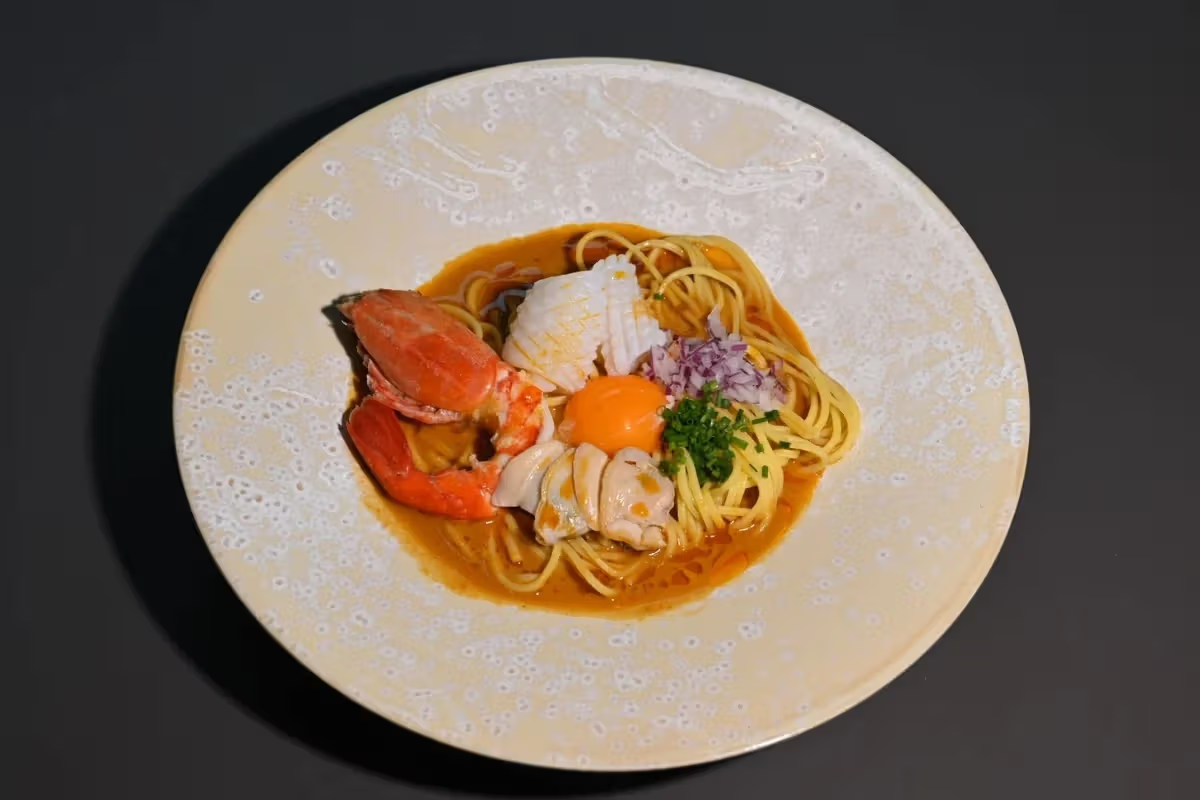
Alongside the standing menu, Ling frequently rolls out limited dishes built around seasonal ingredients. On our visit, we tried the heart-of-palm-leaf salad (¥158), solid-quality New Zealand razor clams (¥388), and an eel dish stir-fried with cured meat (¥288) carrying notes of smoke and pepper—the eel meat tender, salted beans lending a savory backbone, and red Sichuan peppercorn for the finish. Some of these limited items may already be off the menu by now.
Taken as a whole, this is the result of a chef applying his own technical strengths to a fresh reading of Chinese ingredients—Chinese bones, Western hands. Given that Ling has spent the past decade-plus cooking Western food, this level of execution isn't easy to pull off. The menu doesn't include information such as address or business hours.