The Guardian's 13-Year Crusade Against Small Plates Leaves Asia Utterly Baffled
London media has been trashing small plates from 2013 to 2025, calling them a "tyranny" that should be banned; meanwhile dim sum, banchan, and mezze — all "small plates" — have been eaten across Asia for centuries without anyone ever crying for help.
The Guardian has had it out for small plates since 2013. That year they called London's small plates trend a "tyranny"; in 2019 they predicted this "dinner-ruining" style of eating was on its way out; in 2022 they declared they'd "fallen out of love" with it; and in 2025 they went ahead and demanded this "fiddly" dining format be banned outright. Four rounds of bashing in twelve years, and small plates are still going strong — they've just moved on to keep trending elsewhere.
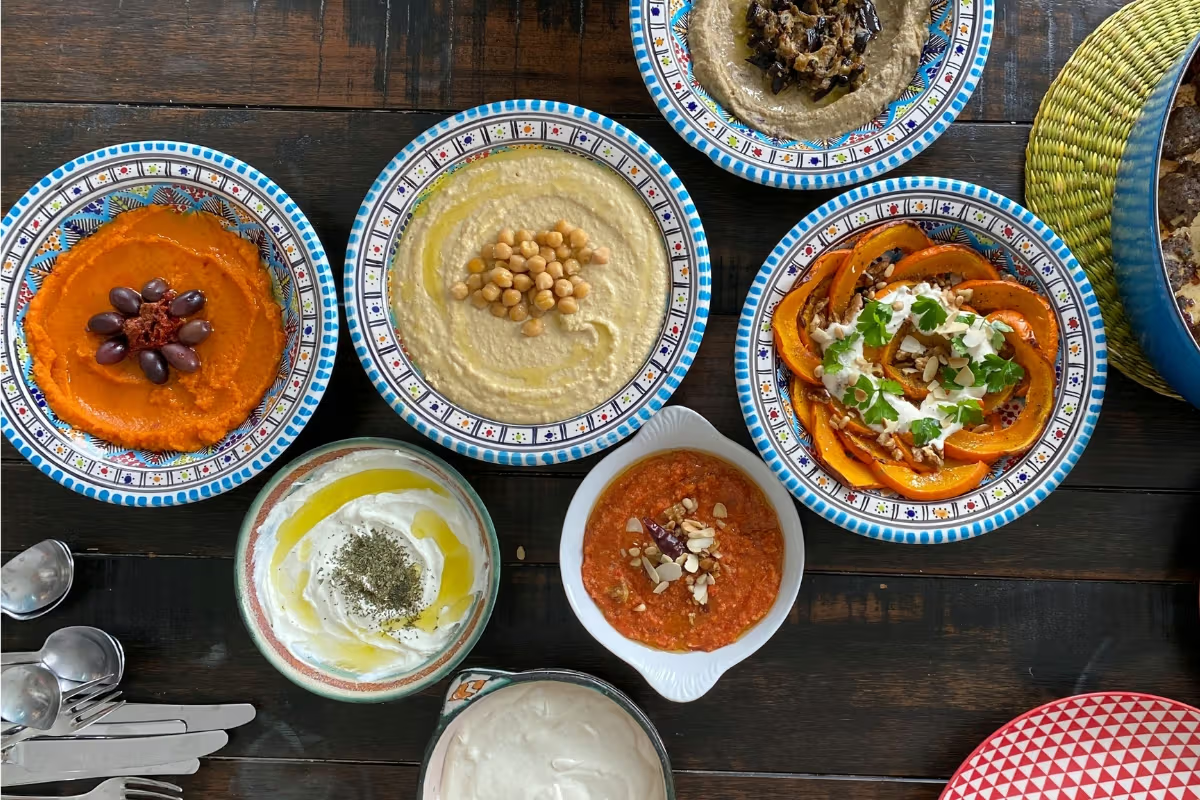
Rubin Verebes, editor-in-chief of Foodie Hong Kong, makes a key point in his column: the small plates the West keeps complaining about and the small plates Asia has been eating for centuries are simply not the same thing. American comedian Alex Falcone calls small plates a classic scam, New York creators Rhea and Nick worry Manhattan is being "small-plated" into oblivion, and Montreal culture magazine Cult MTL's 2019 piece "To hell with small plates" dismissed the whole "sharing" culture as nonsense. What all these voices are actually complaining about is the same thing: Italian cicchetti, Spanish tapas, Greek, French, and "pseudo-Mediterranean" restaurants — orange wine with friends, seven kinds of Levantine-style dips, a chef claiming the recipe came from some fictional grandmother, all set inside a restaurant that used to be the neighborhood corner store. Verebes describes this as "modernizing" cuisines that were built on warm climates and shared-eating traditions — and in that process, what gets lost is the culture itself.
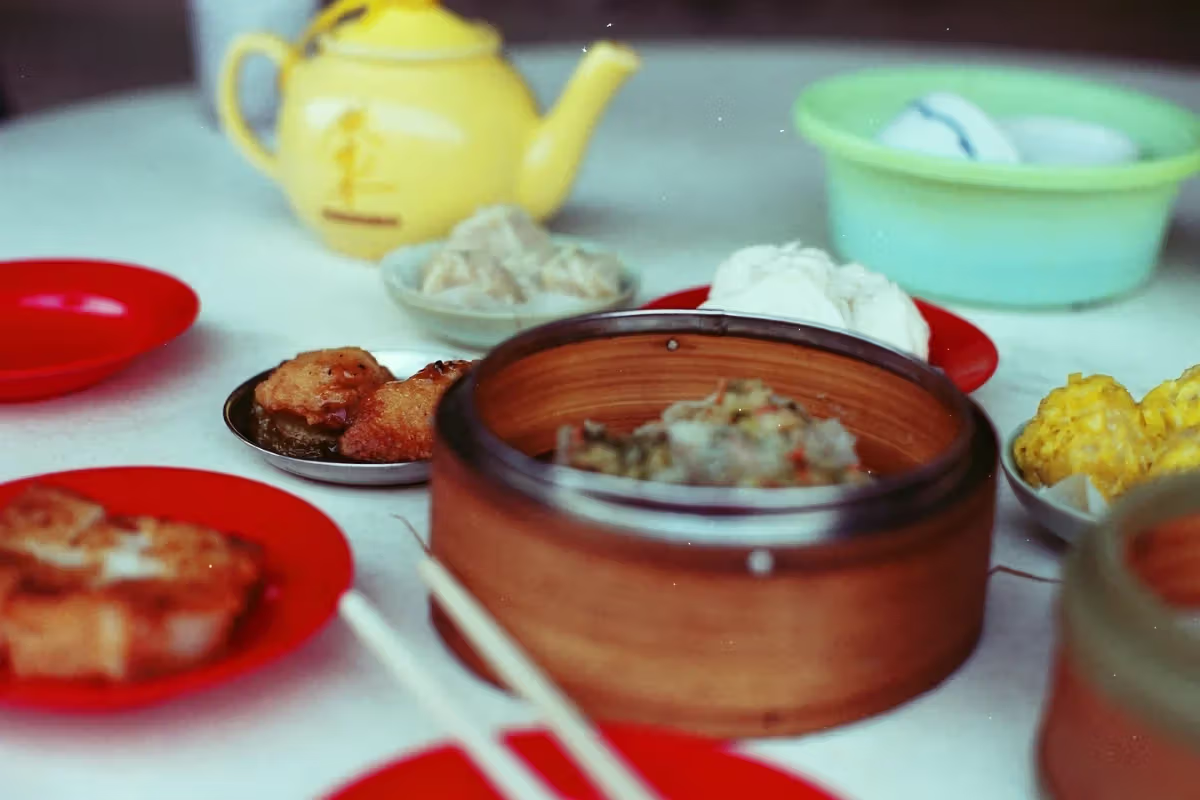
He lives in Hong Kong, where his version of small plates is dim sum and tea. Cantonese yum cha — bamboo baskets of three or four pieces, steaming dumplings pulled straight off a cart, dozens of dishes to choose from on the menu — this system has been around for about as long as "ancient China" itself. Drinking alcohol during yum cha is taboo; tea is what goes with the meal.
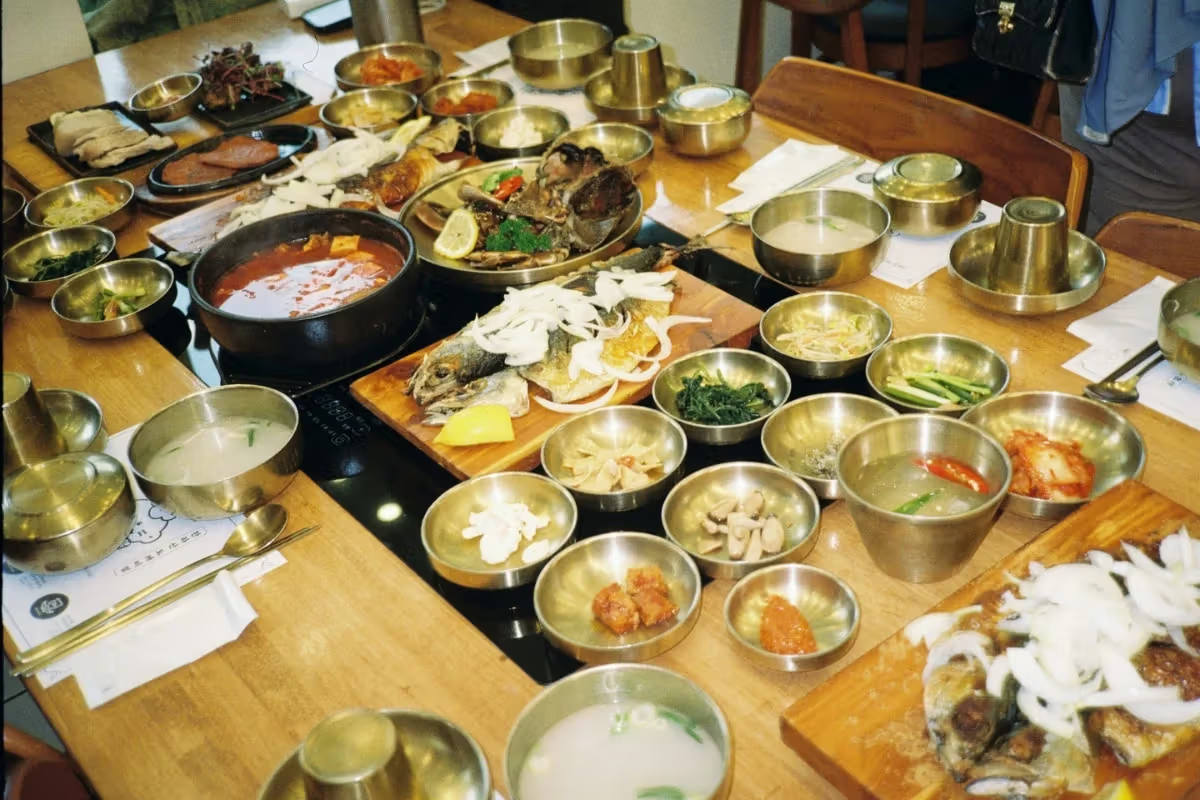
Head further east, and Japanese after-work socializing runs on sushi, kushikatsu, and yakitori, ordered round after round until nobody can eat another bite — a small-plates format practically no country has ever pushed back against. Further north, Verebes puts Korean banchan in the same league as Big Bang, BTS, and BLACKPINK in terms of overseas fame — those pickled, salty, spicy little side dishes often end up stealing the spotlight from whatever grilled meat or soup was actually ordered. In West Sumatra's city of Padang, nasi padang means picking from dozens of pre-cooked curried meats and vegetables served alongside a bowl of rice. And across West Asia, Turks, Lebanese, Syrians, Palestinians, Egyptians, and Saudis have been eating mezze for thousands of years — tearing bread, gathering as a family to share dips and fried bites — which Verebes calls "the most original small-plates culture there is."
Verebes' argument is straightforward: small plates are profitable for restaurants precisely because customers love having choices — a simple line like "we recommend six to eight dishes to share" lets a kitchen slice up one cuisine into multiple sellable portions, mark up low-cost dishes, and ride the trend for extra buzz on top of it all. Over roughly the past fifteen years, this logic has spawned a wave of "modern small plates restaurants" across English- and Romance-speaking cities, and Verebes figures the trend will eventually fade — whenever "big plates" decide to launch their own campaign for world domination. But he stresses that Western backlash against gentrified small plates shouldn't drag down generations of Eastern culinary tradition along with it — as long as dim sum, banchan, and mezze are still around, dining in Asia is never going to get boring.
This piece reflects the views of Rubin Verebes from his "Rubin's Take" column at Foodie Hong Kong, and does not represent the position of Foodie's editorial team.