Nike Pegasus Plus 2 Exposes Air Zoom Unit, Nike Calls It "Plateless Racer Feel"
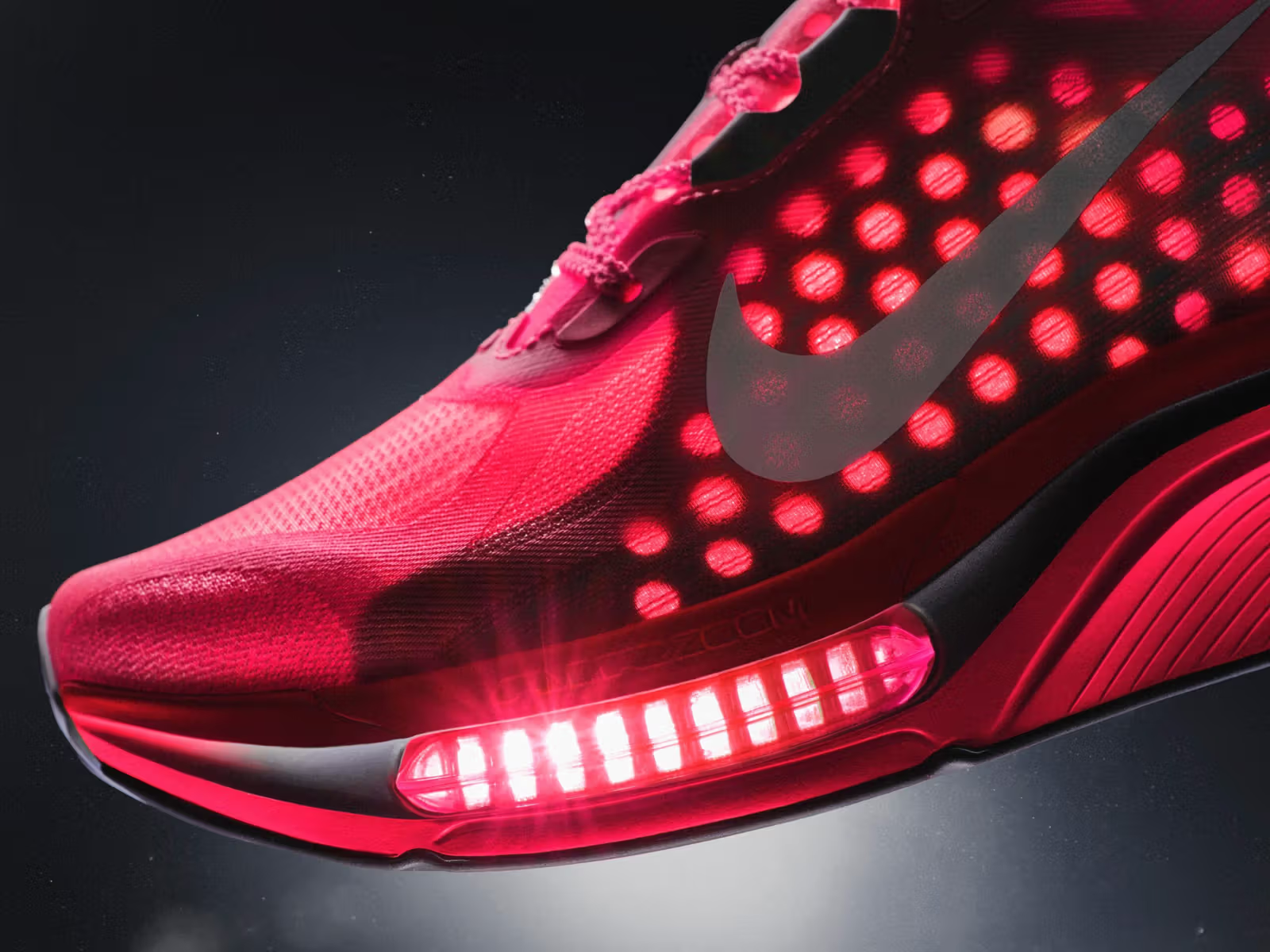
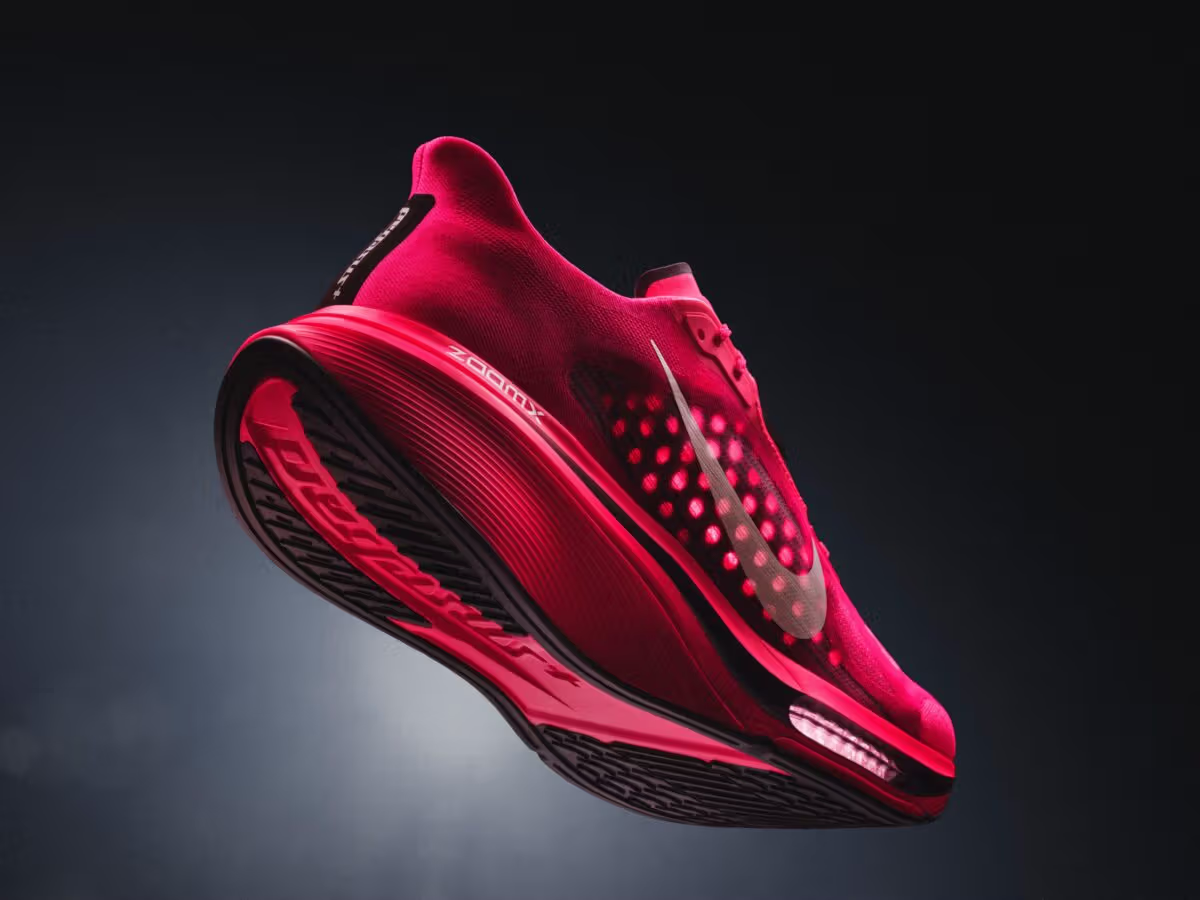
Nike has officially unveiled the Pegasus Plus 2, marking the first time an Air Zoom unit is fully visible in the Pegasus lineup, paired with ZoomX foam. It launches in August 2026 at $165, though early reviews paint a slightly different picture than Nike's marketing suggests.
Nike has written "speed" into the next chapter of the Pegasus story, but this time the focus isn't just another foam upgrade — it's about making the air unit visible. Officially unveiled this week, the Pegasus Plus 2 will launch in August 2026 on Nike.com and select retailers, priced at $165.
Nike's positioning for this shoe is pretty direct. Deepa Ramprasad, Senior Director of Nike Running Footwear, sums up the design philosophy in three words: "speed without sacrifice." The brand also says the new midsole system delivers a feel close to that of "a racing shoe without a plate." But to understand what that actually means, you have to look at what's changed in the shoe itself.
From Fully Embedded ZoomX to Exposed Air Zoom
A "performance-boosted" version of the Pegasus isn't a new concept. The 2018 Pegasus Turbo was the first to bring ZoomX foam — previously reserved for the Vaporfly — down to a daily trainer, and the racing stripe running through the center of the upper became one of its most recognizable design cues at the time. The 2024 Pegasus Plus followed the same logic, switching to a full ZoomX midsole while paying homage to the Turbo's center-line stripe in its design.
The Pegasus Plus 2 represents the biggest structural shift in the lineup so far. Where the first-generation Plus relied almost entirely on ZoomX foam, this new version adds an exposed, curved Air Zoom unit in the forefoot that visibly flexes with each stride. Tensile fibers inside the unit function like a pre-loaded spring, returning more of the energy input with each footstrike. Nike claims the new system delivers at least 18% more energy return than the original Pegasus Plus.
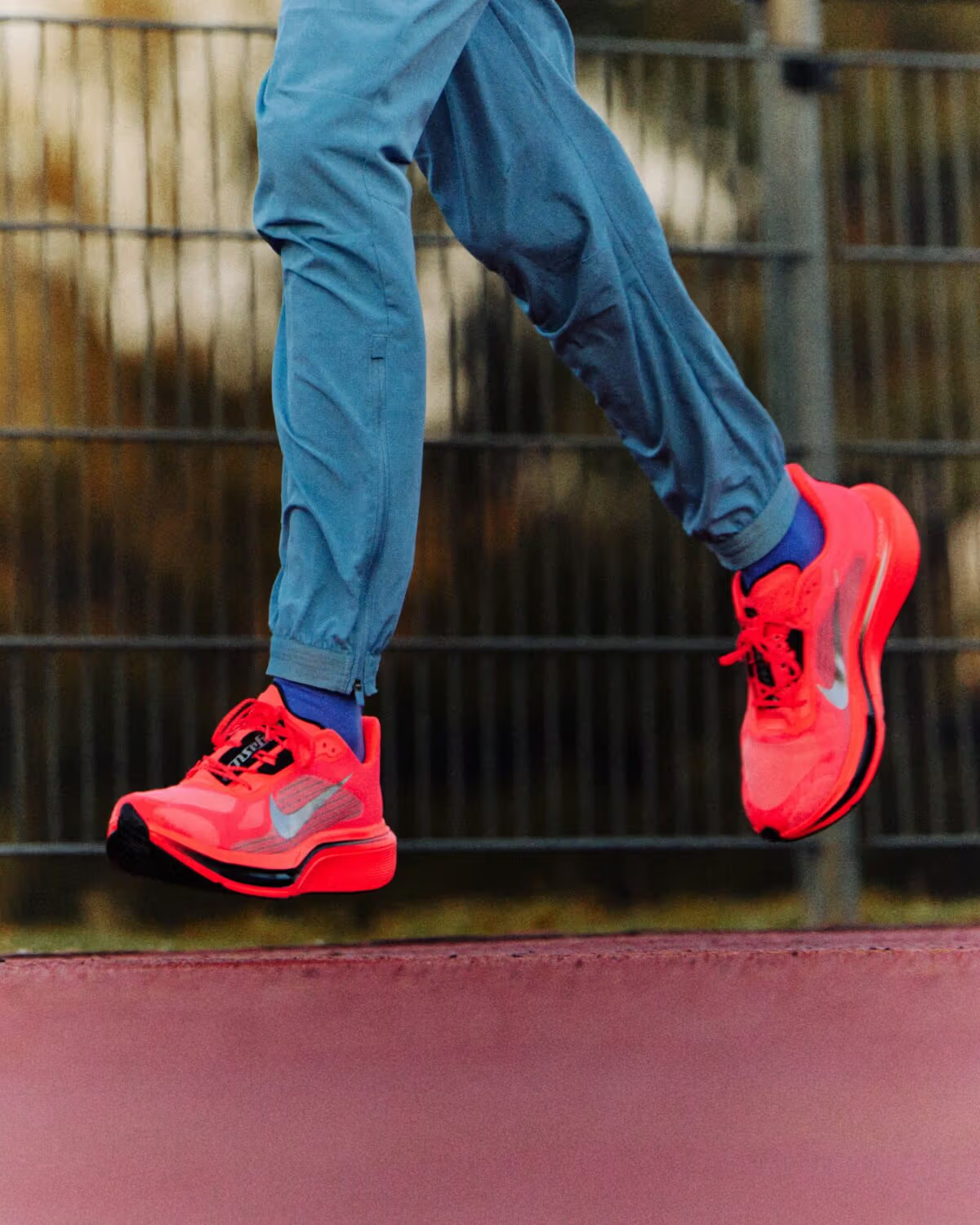
The design isn't backed by lab numbers alone. Nike's Sport Research Lab tested the shoe with more than 30 elite runners, ranging from marathoners to track athletes, including 1500m standout Cameron Myers. The Air Zoom unit's pressure has also been calibrated by size, aiming to give heavier runners a feel closer to what lighter runners experience.
A Wider Last, and What Early Reviews Are Actually Saying
The upper uses the MR10 2.0 last, which first debuted on the Pegasus 42, offering more room in the forefoot and toe box than previous Pegasus models — a welcome adjustment for runners who found the line running narrow. A midfoot lockdown system maintains a secure fit without compromising ride feel, while the outsole gets a revised waffle pattern with flex grooves cut in for smoother transitions. On the spec sheet, a men's size 10 weighs approximately 9.5 ounces per shoe, with a 10mm heel-to-toe drop and a stack height of 28mm in the forefoot and 38mm in the heel.
The price point is worth noting too. At $165, it sits right between the $150-range lightweight trainers and the $200-plus "super trainer" racing category. Within Nike's own running lineup — where Pegasus leans reactive, Vomero leans cushioned, and Structure leans stable — the Pegasus Plus 2 essentially fills in a fast, reactive option that doesn't require a super shoe budget.
Early reviews are already in. Running shoe review outlet Believe in the Run gave it an overall A grade, praising the lockdown fit, the ZoomX-driven ride, and the value at this price point. However, the review noted that the exposed Air Zoom unit feels more like a subtle assist than the explosive pop of an Alphafly-tier racer, positioning the shoe closer to a versatile daily trainer than a pure tempo-racing weapon. That leaves Nike's "plateless racer feel" claim landing with a bit more nuance in real-world use.
The Nike Pegasus Plus 2 launches in August 2026 via Nike.com and select retail partners at $165. Colorways and an exact release date are yet to be announced.