Mazu’s Many Faces at the National Museum of Taiwan History
The exhibition runs from October 13, 2026 to May 16, 2027. Qing paintings from the Rijksmuseum meet Taiwanese temple objects in a story of faith, craft and movement.
The National Taiwan Museum of History launches "The Many Faces of Mazu: Mazu Worship in Taiwan", which will be on display in the Special Exhibition Room 1 on the fourth floor of the Tainan Exhibition and Education Building from October 13, 2026 to May 16, 2027. The exhibition focuses on the flow of people and the development of beliefs, and combines images from overseas collections with cultural relics from Taiwanese temples to show how the same god is understood and shaped in different places.
Cover image: 臺史博
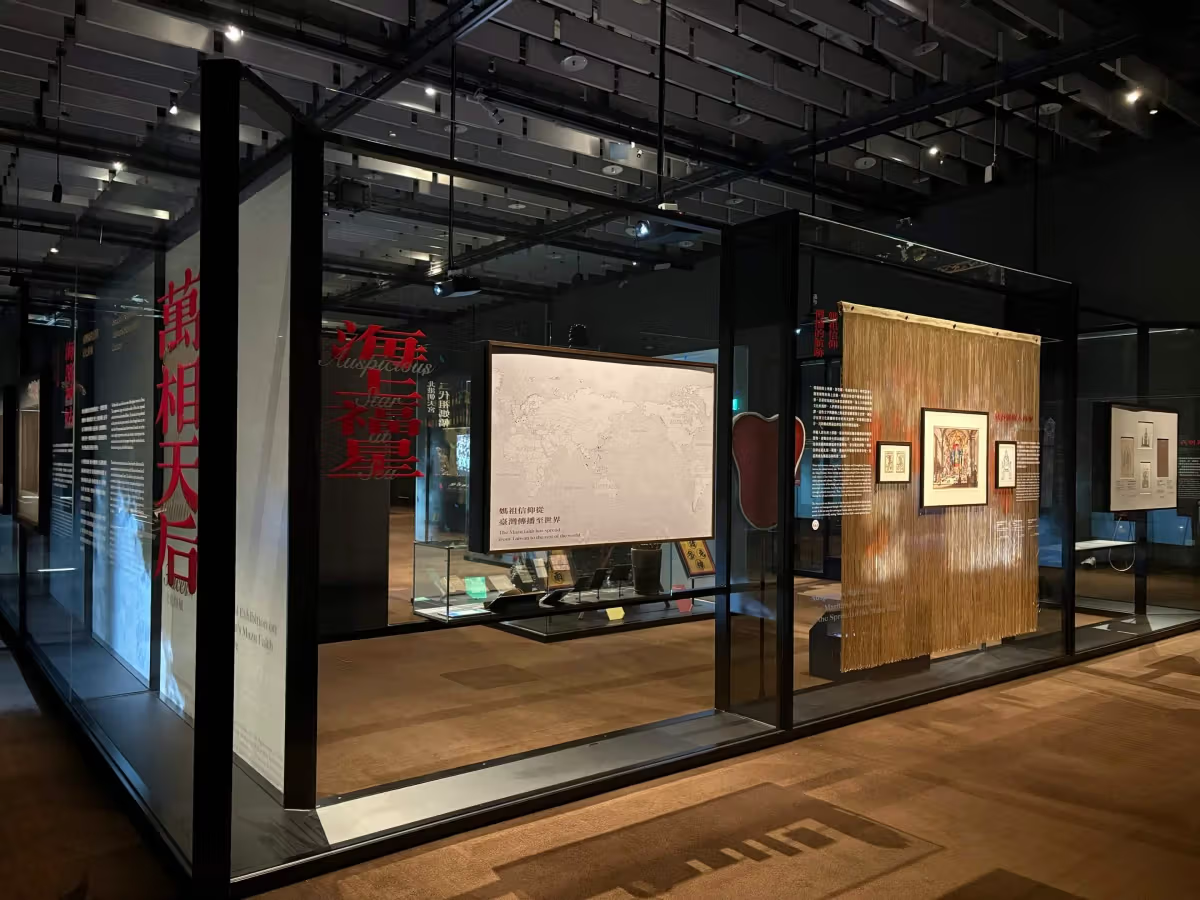
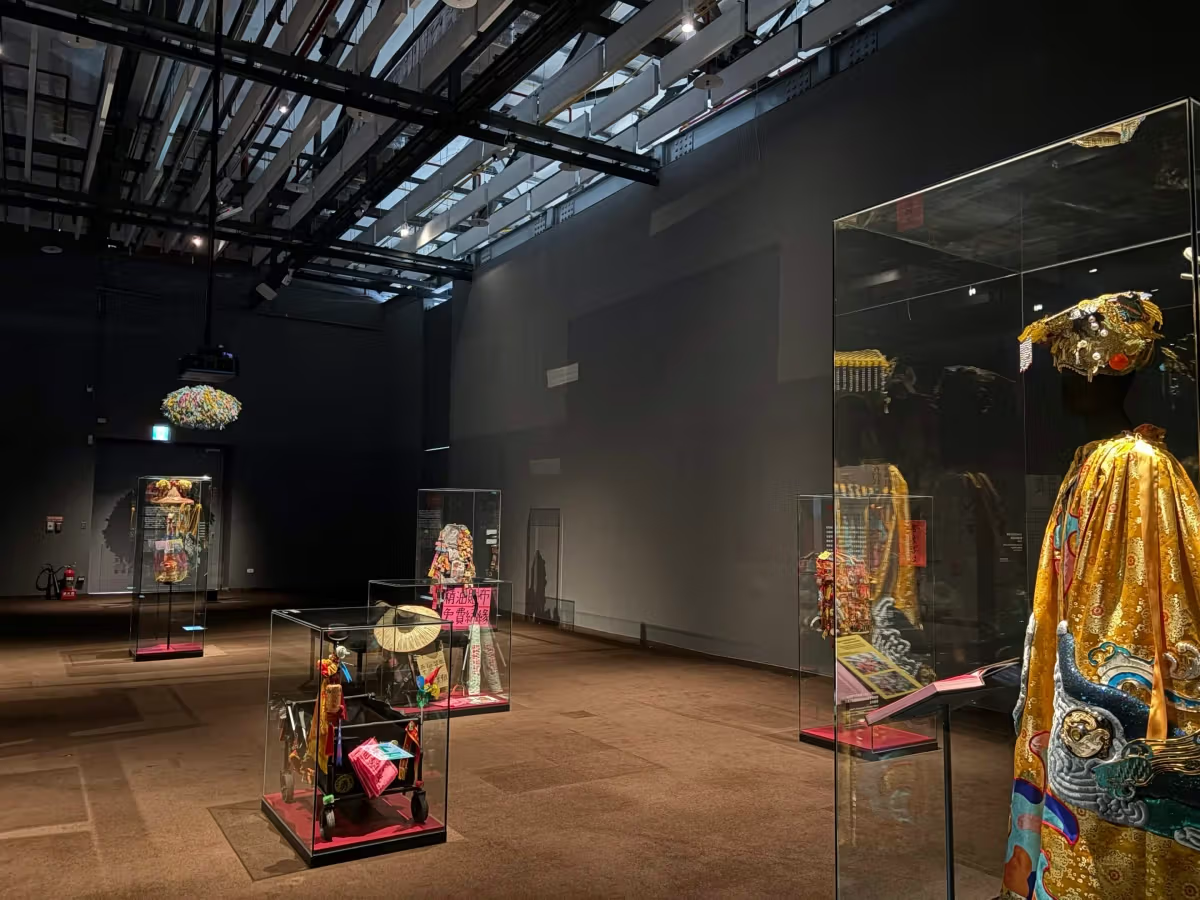
The Many Faces of Mazu’s special exhibition space. Image: 臺史博
Why is it called "Wanxiang"? Not only the appearance of the statue
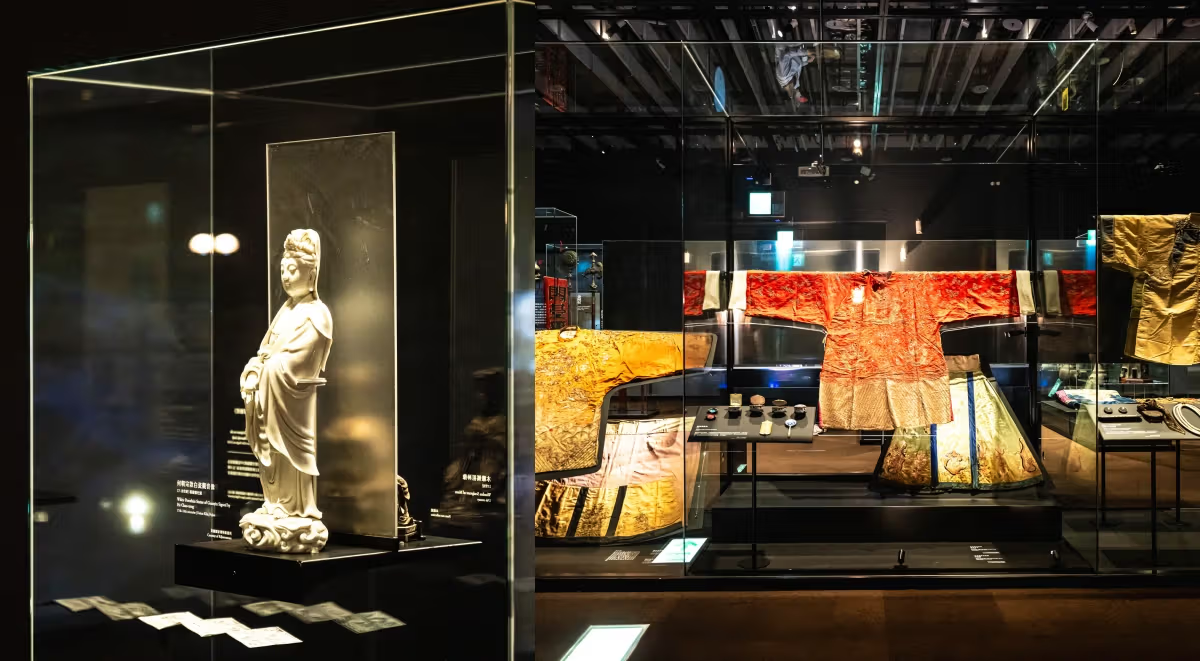
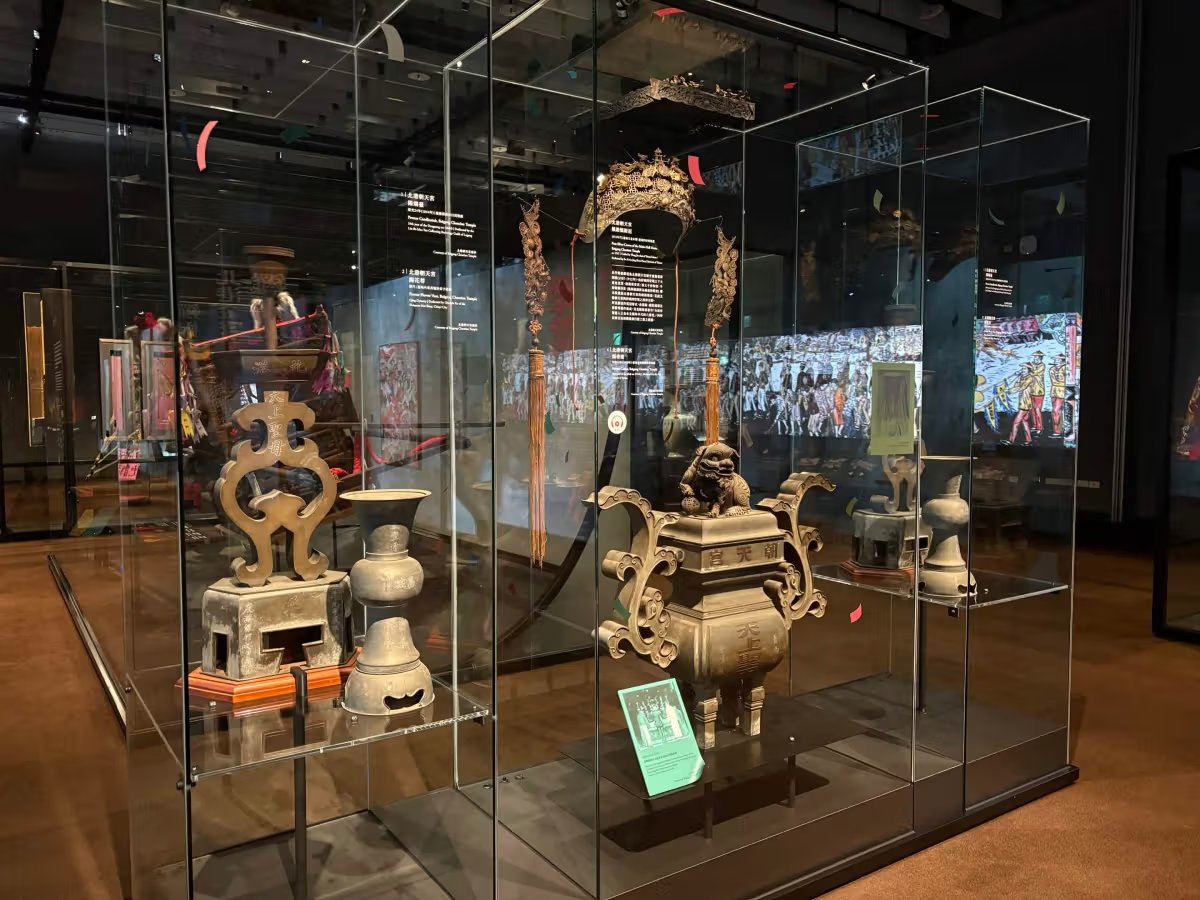
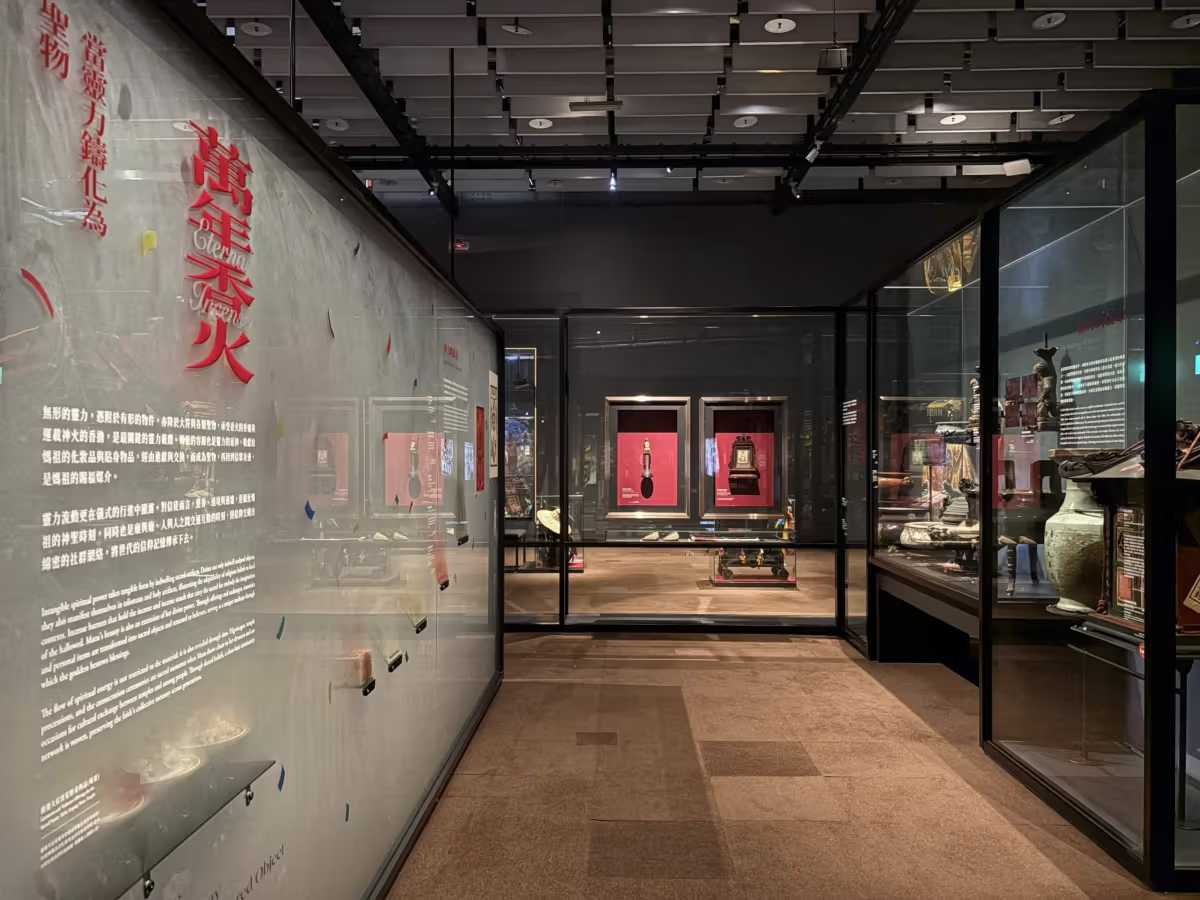
The exhibition is organized into five units, including the formation of the harbor goddess, maritime communication, Taiwanese statues and sacrificial vessels, sacred objects, and contemporary communities. The "appearance" here not only refers to the face of the statue, but also includes the relationship between the title, clothing, rituals and people, allowing the object of viewing to extend from an object to the life in which it is located.
Seaside Goddess unit display. Image: 臺史博Maritime Guardian unit display. Image: 臺史博
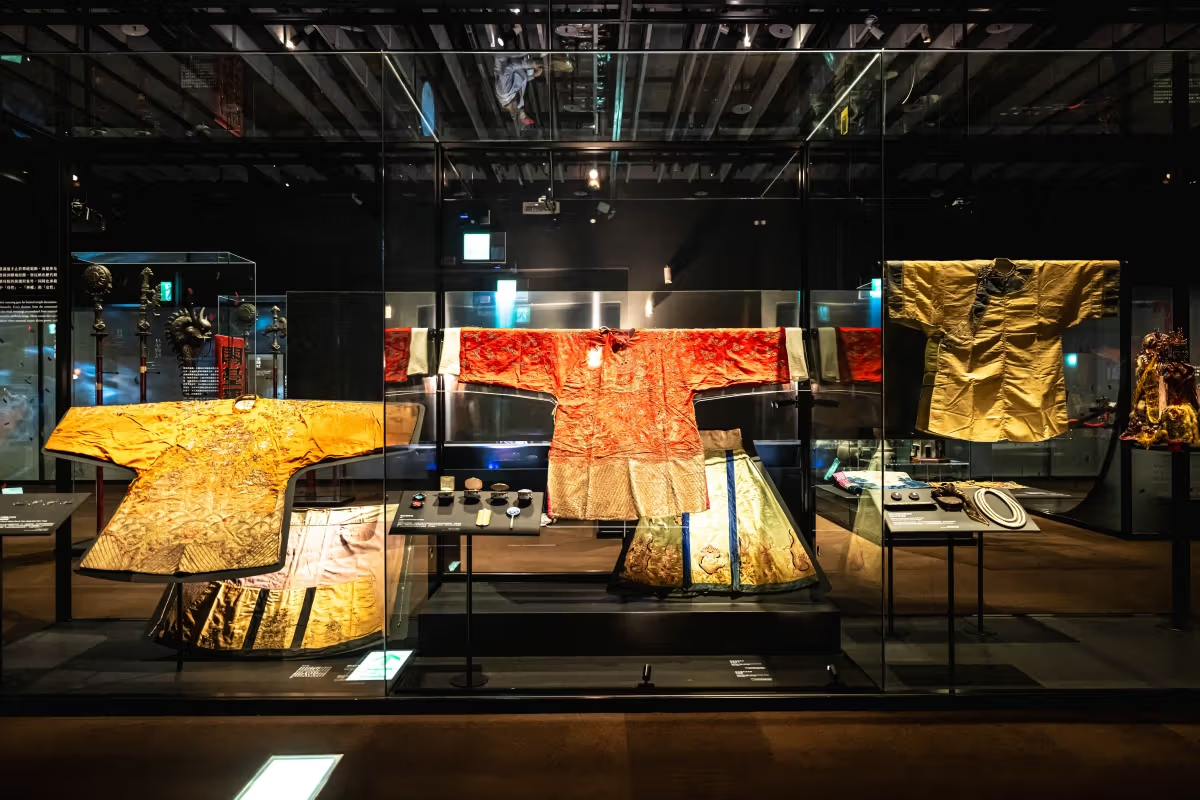
For those who are familiar with temple culture, they can compare the statues, crowns, and sacrificial vessels from different places; for those who are new to the temple, they can start to understand the purpose of the cultural relics, and there is no need to memorize all the titles of gods or local legends before entering.
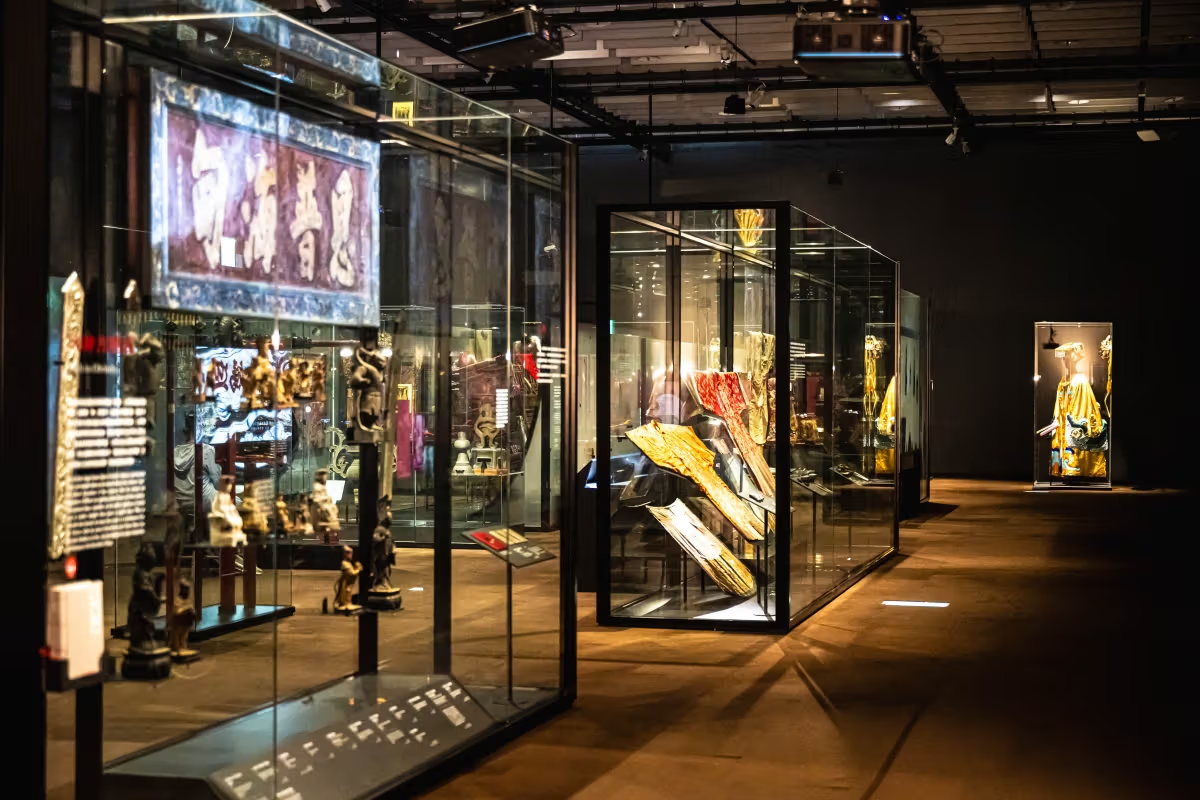
Statues and ritual vessels in the exhibition’s material-culture section. Image: 臺史博
Images from Dutch collections offer another historical perspective
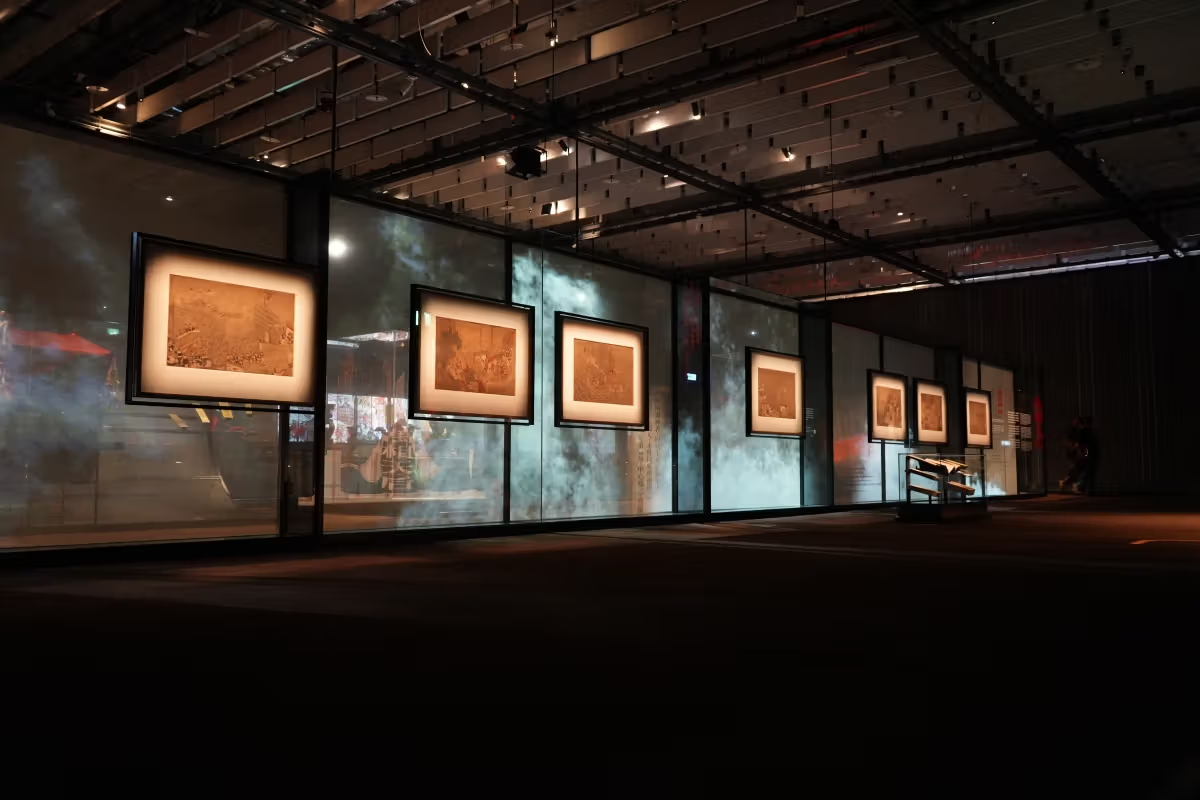
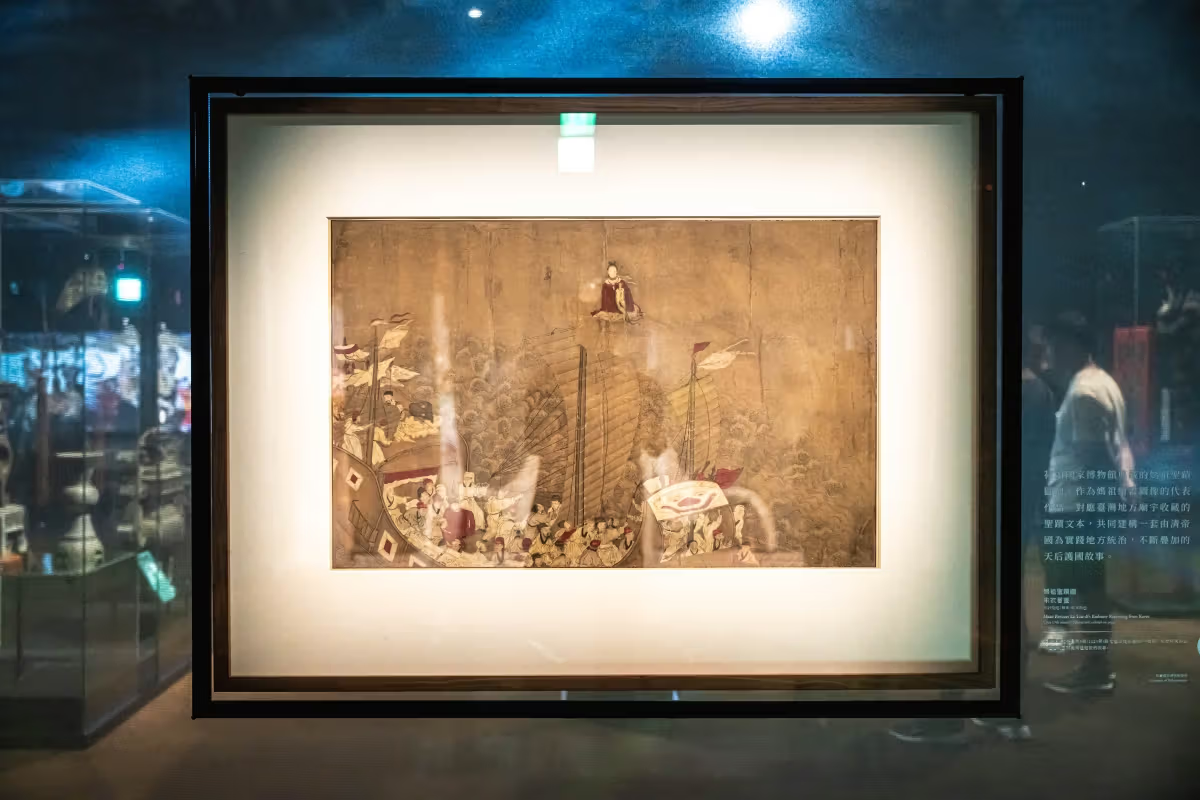
The exhibition borrows seven paintings of Mazu miracles from the Qing Dynasty collected by the Rijksmuseum of the Netherlands, allowing the images that remain overseas to be juxtaposed with Taiwanese religious objects. How the images depict miracles, characters, and spaces can also help viewers think about how people of different eras transformed faith experiences that are difficult to see directly into images that can be disseminated.
A painting of Mazu's sacred relics from the Qing Dynasty, "The Spirit in Scarlet Clothes". Image: 臺史博Cultural relics are on loan from temples across Taiwan. Image: 臺史博
These works are not simply illustration backgrounds. When viewing, you can pay attention to the title, character movements and scene arrangement, and then compare it with the exhibition text to understand how the image has become part of today's research and exhibition after moving across the sea.
Sacrificial vessels, shrines and incense bring faith back to the relationship between people and things
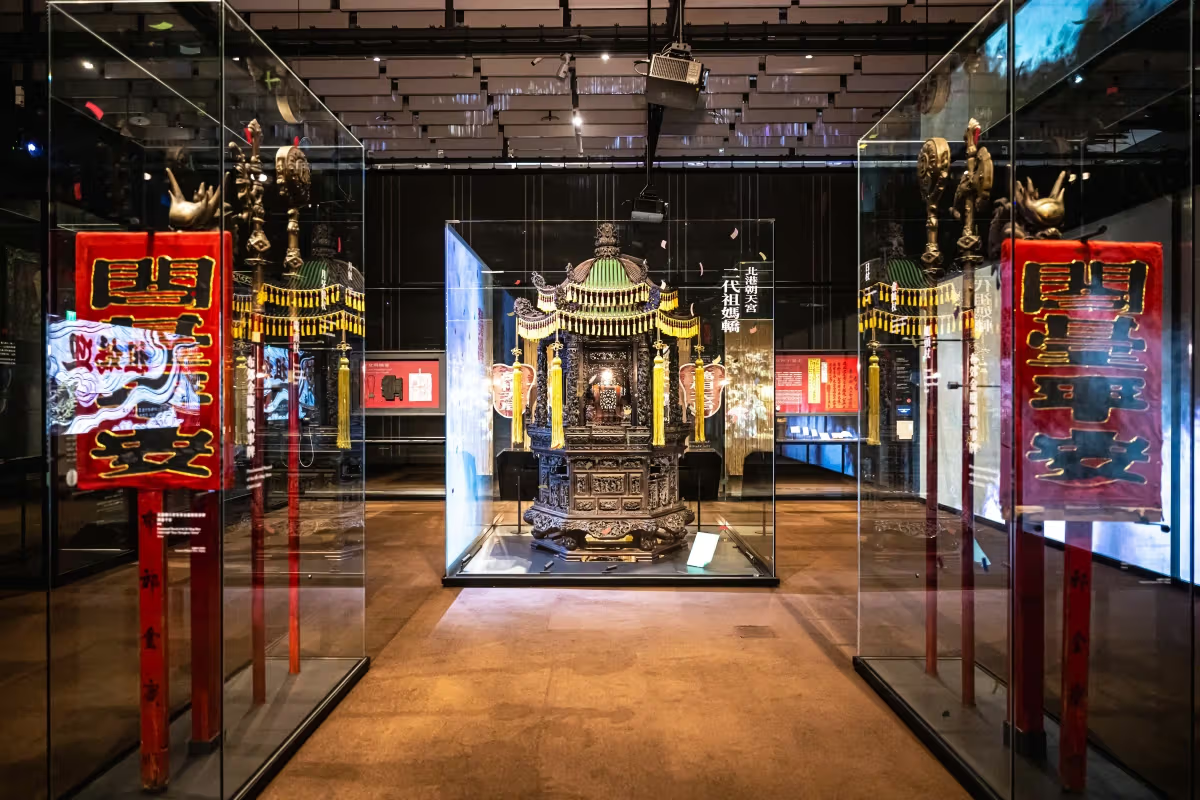
The statues, palanquins, crowns, and other sacred objects in Taiwanese temples demonstrate the connection between craftsmanship, local identity, and ritual use. For example, the Second Ancestor Mazu palanquin at Chaotian Temple in Beigang makes the sacred palanquin not just a large object, but can also be put back into the context of offering incense and interacting with the crowd.
The Second Ancestor Mazu palanquin at Chaotian Temple in Beigang. Image: 臺史博Contemporary Mazu culture and crowd interactive display. Image: 臺史博
When the exhibition talks about sacred objects, it shows how believers understand and practice their faith. The audience can read the cultural relics from the materials, production and use traces, and at the same time understand why people give it a specific meaning; there is no need to confuse the cultural introduction of the museum with whether the individual holds the same beliefs.
Ten thousand year incense unit display. Image: 臺史博
Contemporary Mazu culture also exists in images and communities
Live broadcasts, photos and bonding objects allow more people to access the ceremony remotely and decide whether to participate in person. The juxtaposition of these forms with past images, incense and transoceanic transmission also allows the exhibition to not only stop at history, but also respond to how people create connections today.
The visiting location is No. 250, Section 1, Changhe Road, Annan District, Tainan City. The opening hours are in principle from 9:00 to 17:00 from Tuesday to Sunday. The museum is closed on Mondays. Special opening days and ticketing will be announced by the museum. If you want to take a closer look at the images and cultural relics, you can first choose a clue, such as navigation, crafts or rituals, and then follow it along the exhibition site; the five units provide different entrances, rather than just one answer to understanding Mazu culture.