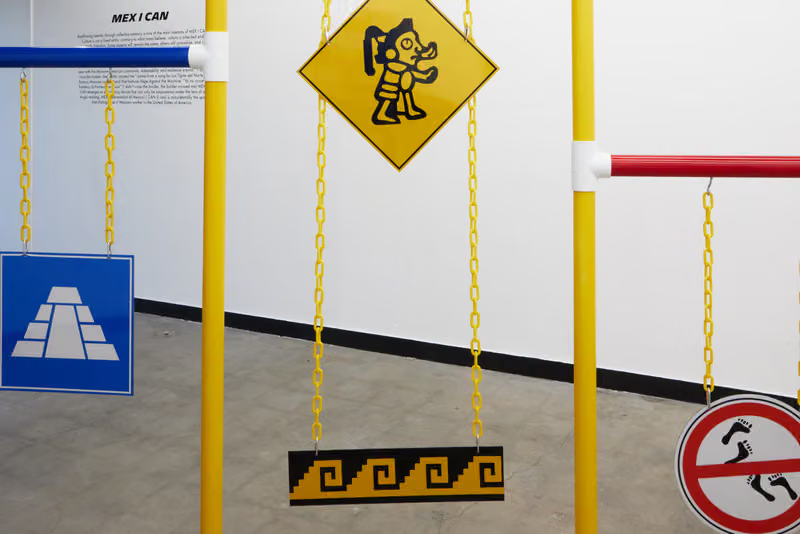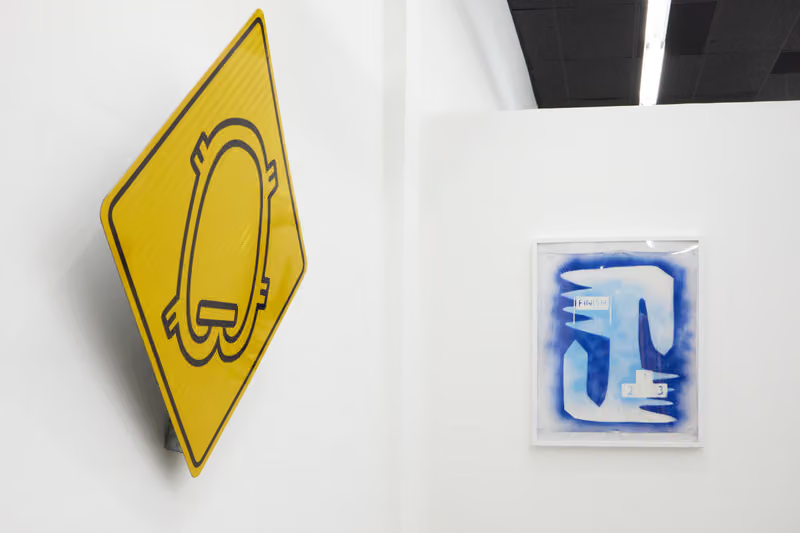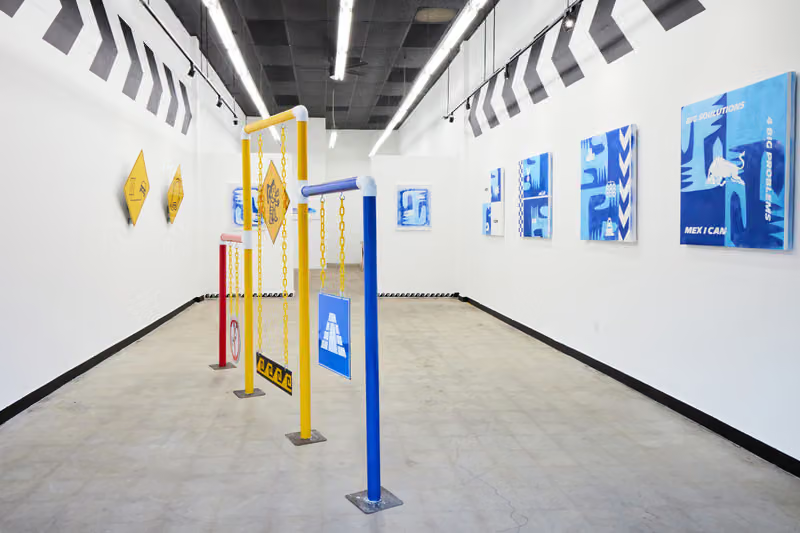
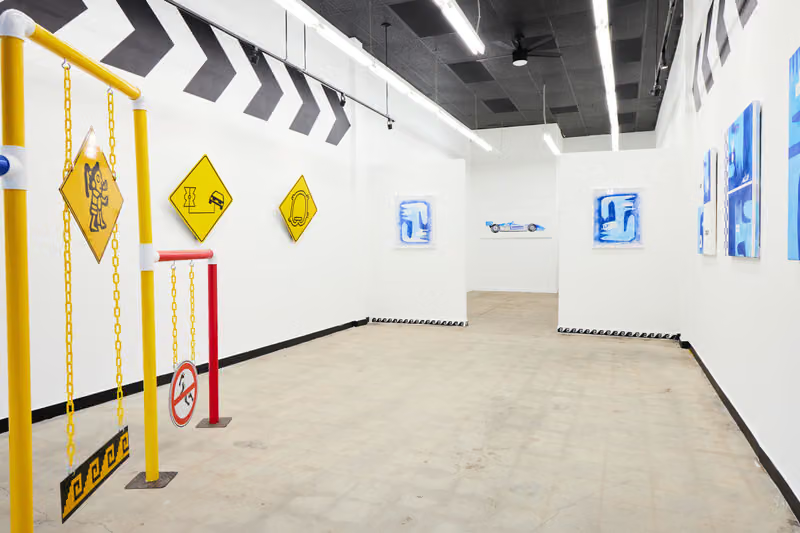
A common yellow warning sign is supposed to be a triangle with an exclamation mark, alerting you to something ahead. But in Andy Medina's hands, that triangle gets stretched and beveled until it becomes the silhouette of a Mesoamerican pyramid. It takes a second glance before you realize this isn't a design error—it's a deliberate substitution.
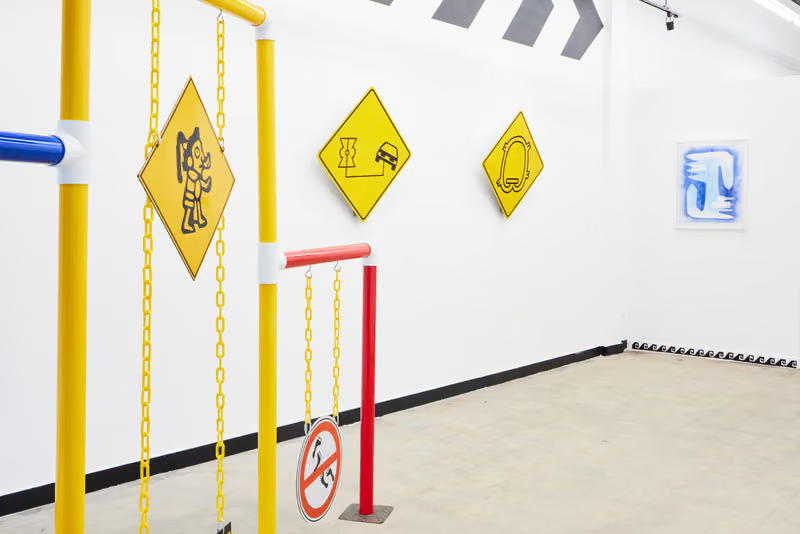
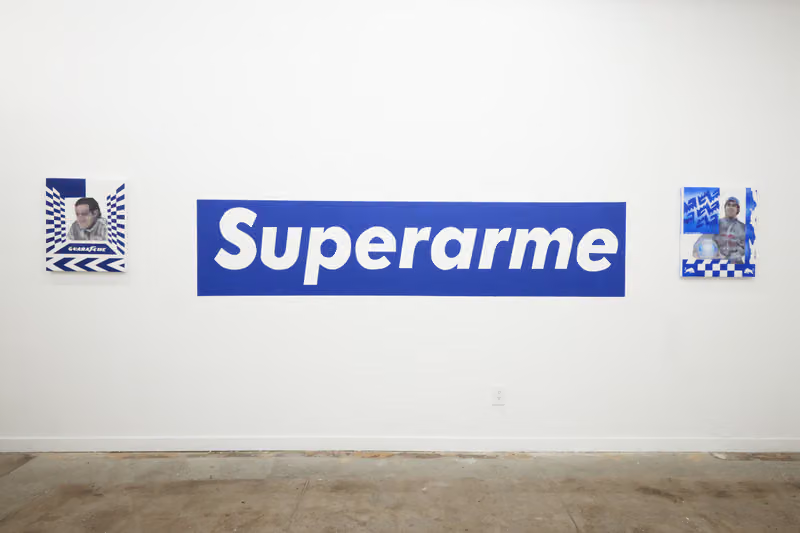
Medina, who hails from Oaxaca, Mexico, has long worked in signage, installation, printmaking, and textiles doing exactly this: taking visual symbols so familiar the public has stopped thinking twice about them, breaking them apart, feeding them through the imagery of pre-Columbian Mesoamerica, and reassembling them anew. His latest solo exhibition, "MEX I CAN," is now on view at John Doe Gallery in Los Angeles. Walking into the space feels like standing at an overexposed intersection—fragments of road signs, reflective materials, and street debris are scattered throughout, and it's only up close that you notice every piece has been tampered with.
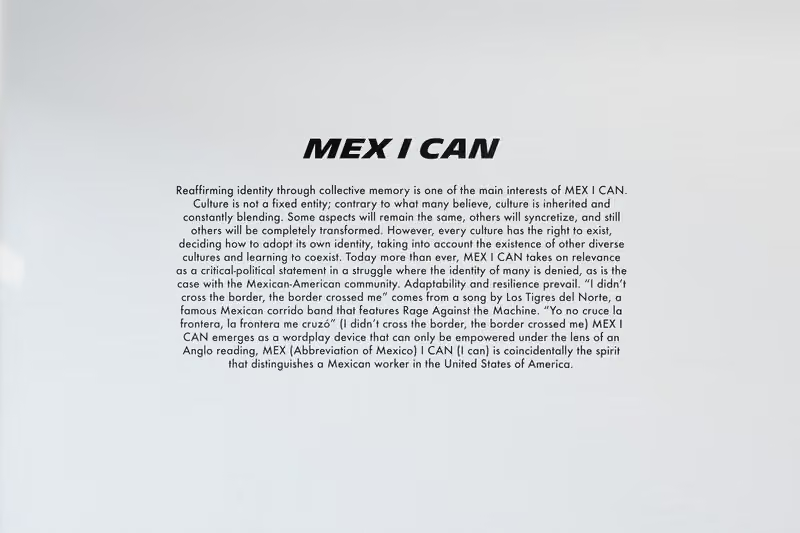
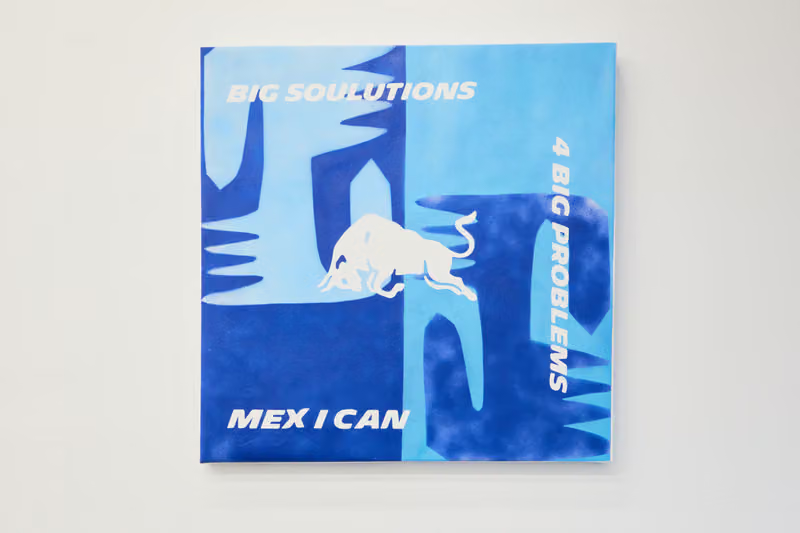
The exhibition title is itself a play on words: "MEX I CAN" is both a dismantling and reconstruction of "Mexican," and a blunt personal declaration. In a statement, Medina notes that the phrase carries particular weight right now, as Mexican American communities face political and cultural pressure—"in the struggle of having one's identity denied, adaptability and resilience ultimately prevail." This isn't an abstract identity-politics slogan; it maps directly onto the altered public symbols throughout the show—signs that once belonged here, now being reclaimed and re-authored.