Apple Unveils HomeView Smart Display: No Buttons, Recognizes Family Members by Face and Voice
Apple has launched HomeView, a 7-inch smart display powered by Siri AI, available in both tabletop and wall-mount versions for $299. Launching November 13, it uses facial and voice recognition to switch between personalized displays.
HomeView has no physical buttons whatsoever. To operate this display, you can only use touch or voice commands to Siri AI—this is the first rule Apple set for this smart display, and it's also what most clearly sets it apart from similar products on the market.
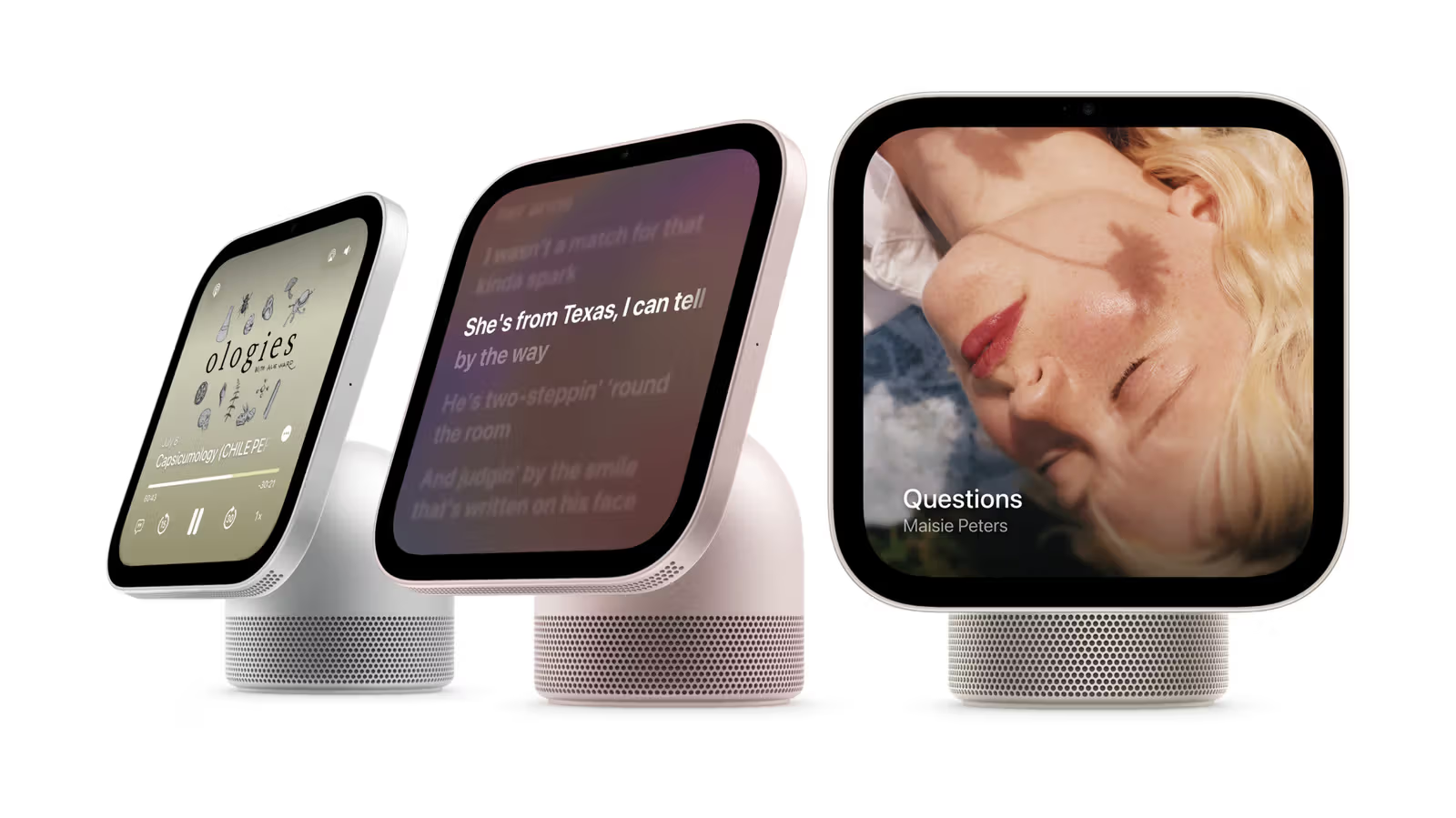
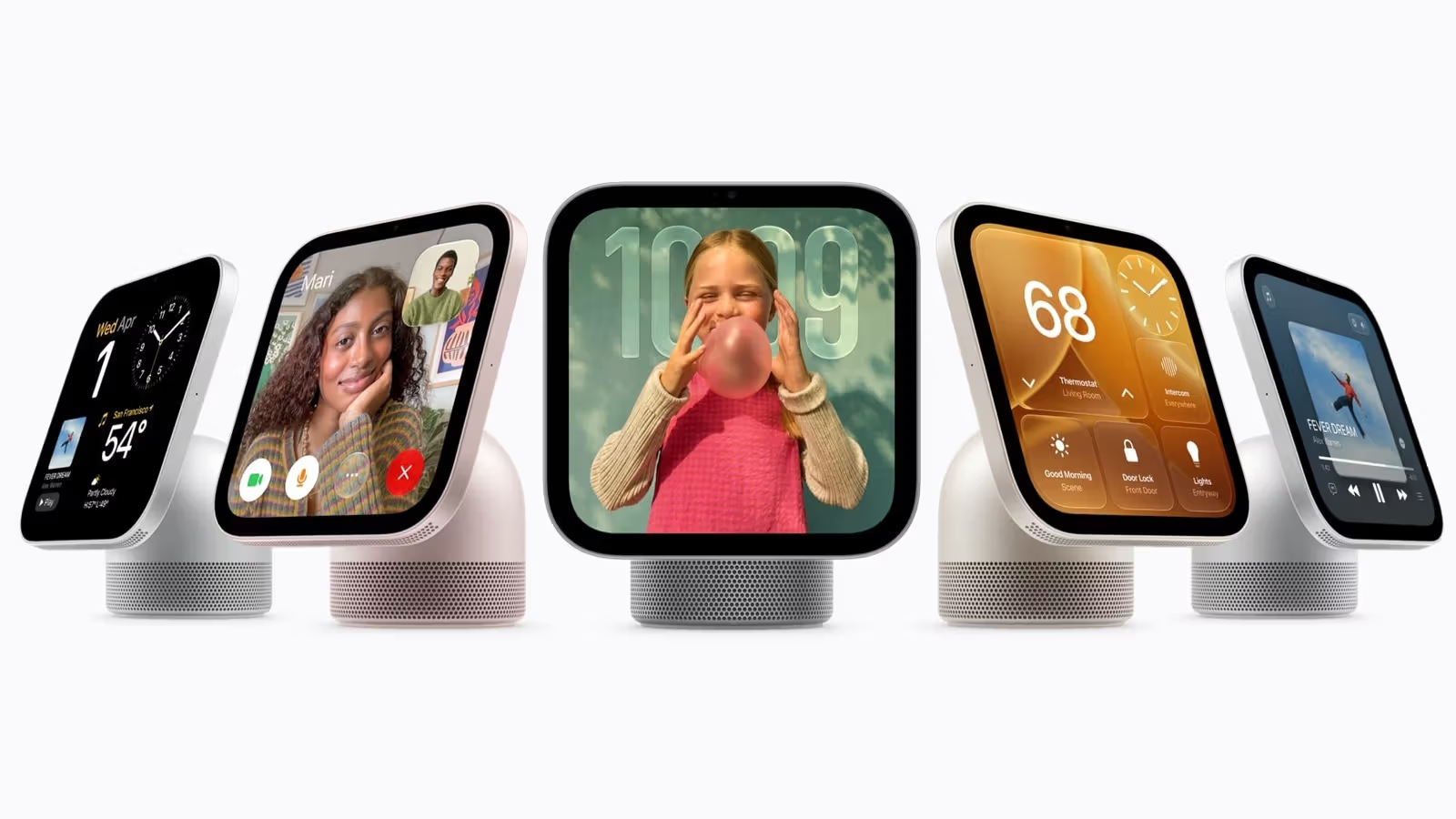
At the core of this device is a 7-inch square Liquid Retina display, with max brightness of 500 nits and a minimum that dims down to 0.3 nits—which Apple says is the lowest brightness level ever seen across its entire device lineup. The intent is clear: no glare when it's sitting on your nightstand. The tabletop version comes with a stand and is available in four colors—Silver, Starlight, Rose Pink, and Space Gray. The stand houses a downward-firing woofer and two force-balanced passive radiators, which work together with the display's own two full-range speakers to form the complete audio system. The display connects to the stand via a stainless steel hinge, allowing you to adjust the viewing angle. For those who don't want the stand, Apple also offers a wall-mount-only version with identical functionality to the tabletop model.
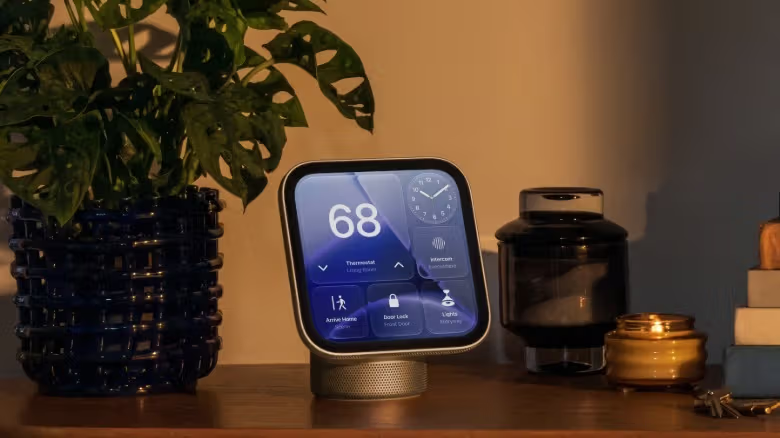
HomeView's standby screen is called Faces, letting you customize artwork, photos, or various clock face designs. Once unlocked, it transitions to the Home screen, which features four customizable sections for widgets—an interaction logic similar to customizing an Apple Watch face. Above the screen sits a 12-megapixel FaceTime camera supporting Center Stage for video calls. Rather than downloading apps like on iPhone, the device follows CarPlay's logic, directly displaying shortcuts to your recently used apps on the menu. Bring your iPhone close to HomeView, and like HomePod, you can hand off music playback—or pass along a recipe you're currently viewing on your phone.
Speaking of recipes, Apple also introduced a new recipe mode for Safari this time: as long as the recipe page you're browsing meets Google's formatting standards, HomeView can convert the steps into an easy-to-read layout. If you're missing ingredients or need to set a timer, you can directly call on Siri AI for help.
Powering Siri AI and these features is an A18 chip, which Apple says also handles the security protections needed as the device collects large amounts of personal data within the home. HomeView has facial and voice recognition capabilities, able to tell which family member is standing in front of the screen and display the corresponding personalized interface and frequently used app list. Once the user walks away, anyone trying to sneak a peek will only see the lock screen. During daily use, HomeView will periodically ask you to unlock your iPhone or iPad to continue operating the device. The device also has a nighttime mode, so you don't need to unlock your phone first thing in the morning for your initial interaction.
Apple Home Collection: Peripheral Devices in Collaboration with LG and Schneider Electric
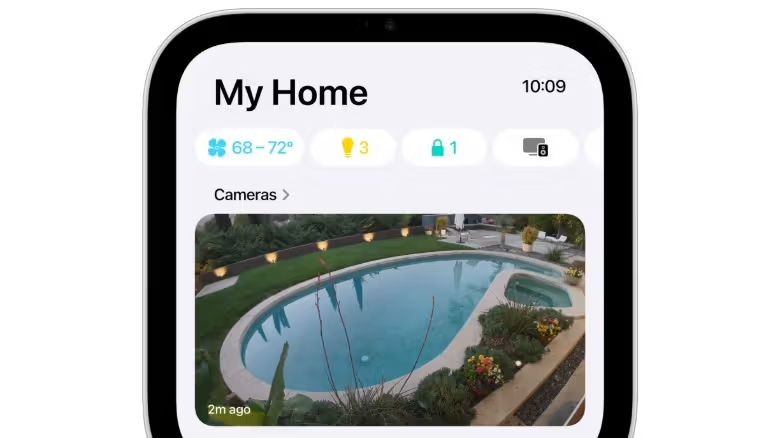
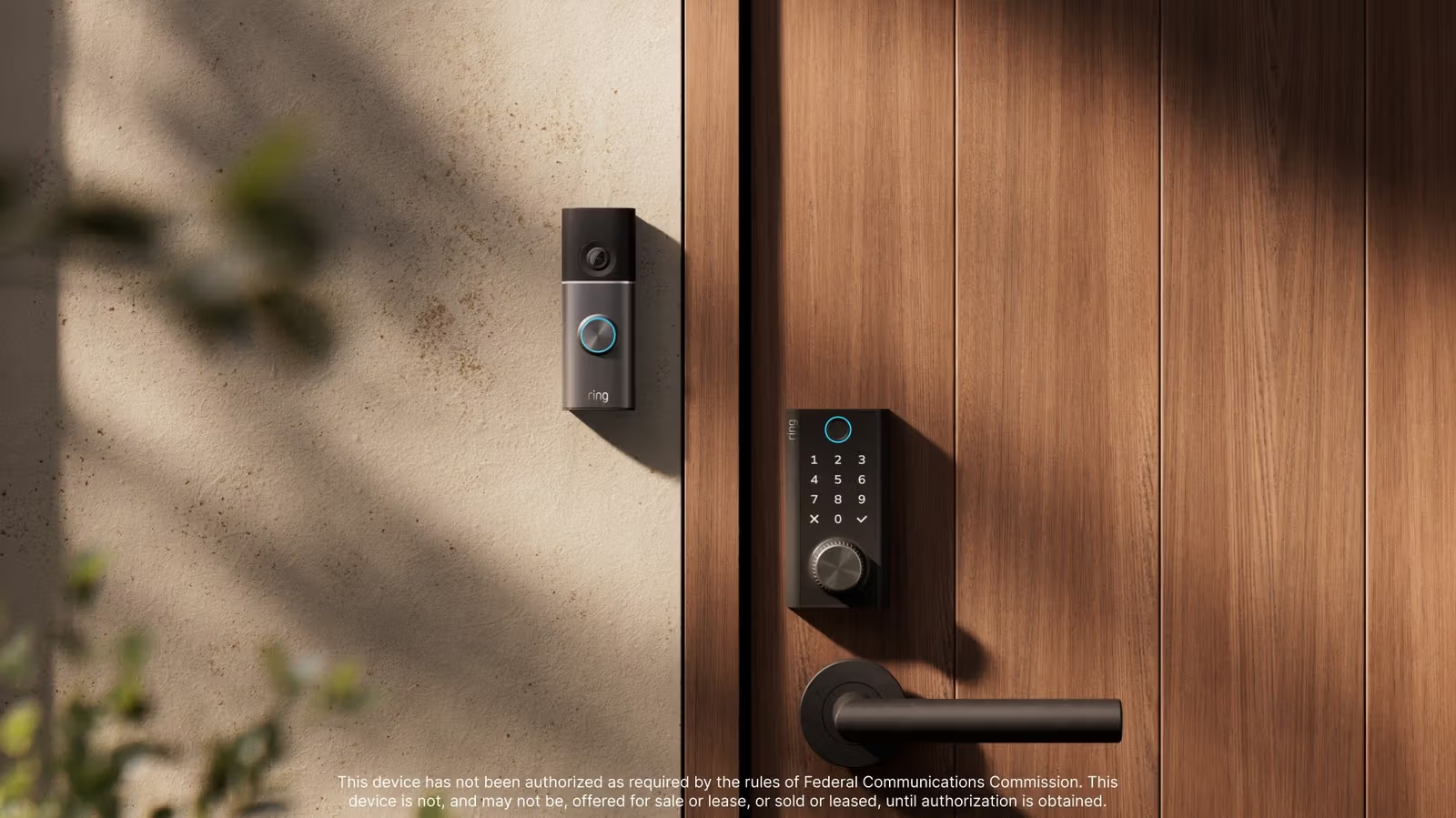
Apple's smart home lineup this time also includes a series of hardware developed in collaboration with LG and Schneider Electric, collectively called the Apple Home Collection. LG's contribution covers indoor and outdoor cameras, video doorbells, door locks, and thermostats, while Schneider Electric provides an additional thermostat option. Apple announced pricing for these devices ranges from $199 to $349, though a specific launch date has not yet been revealed. According to Apple, when these devices are brought near an iPhone, a setup card similar to AirPods pairing will pop up, and users can also control them directly and view live video feeds through HomeView.
Both versions of HomeView are priced at $299, with preorders open starting today and official launch on November 13.