BLACKPINK's 10th Anniversary Fan Meet Takes Over a National Museum—40 Lucky Fans, One Government Investigation
YG scheduled BLACKPINK's 10th anniversary fan meeting inside the National Museum of Korea, but a rushed rollout, a mere 40-person cap, and restricted exhibition access sparked formal complaints—prompting Korea's Ministry of Culture, Sports and Tourism to launch a review.
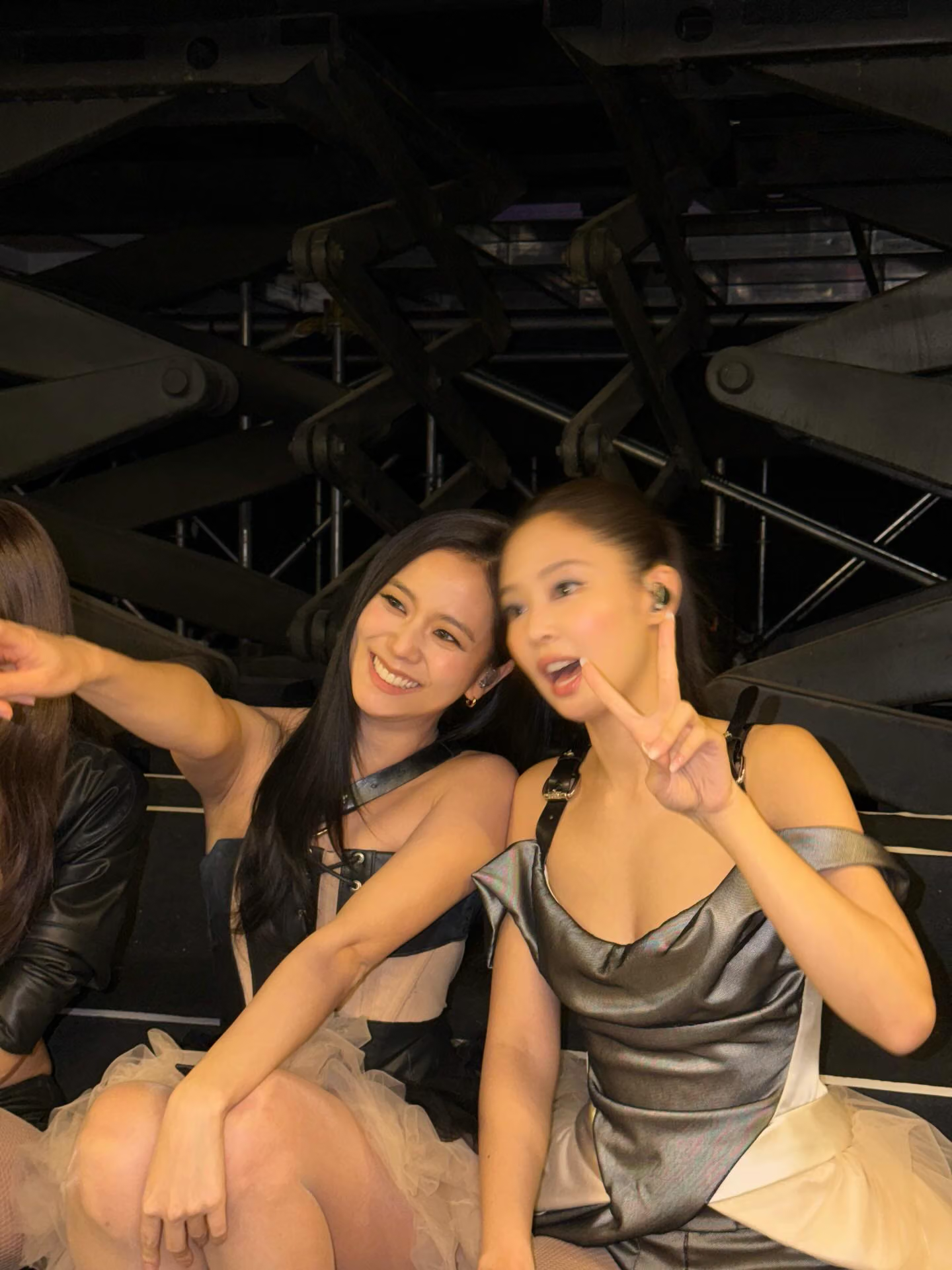
A fan meeting capped at just 40 attendees somehow managed to shut down an entire wing of the National Museum of Korea. It's currently the most glaring headline coming out of BLACKPINK's 10th anniversary celebrations.
The fan meeting took place on the 8th, but details weren't announced until just two days before the anniversary date. The prep timeline was so tight that museum staff were reportedly still hashing out logistics with YG Entertainment the day before the event. With only 40 slots available, the gap between the scale of the event and the weight of "10th anniversary" became the first flashpoint for public frustration.
The bigger controversy centers on the venue itself. Certain exhibition areas were restricted to the public that day because of the event, forcing scheduled educational programs to be rearranged on the fly. Writer Lee Da, who was running an "Amazing Thailand Exhibition Tour + Painting Workshop" program, posted on social media that the tour originally set for 2:30 PM had to be pushed—due to on-site scheduling changes—all the way to 3:10 PM before the lecture portion could even begin. For everyday visitors, a museum is supposed to be public cultural space; having a celebrity fan meeting disrupt already-planned programming is the core of this backlash.
The controversy has also spilled over into questions about the event's commercial nature. Some users online pointed out that "Amazing Thailand" branding was visible all over the venue, raising questions about whether this involved paid sponsorship placement—further blurring the lines around how the space was actually being used. Was this a straightforward venue rental, an event organized solely by the museum, or a joint production between both parties? So far, there's been no clear explanation.
As the formal complaints escalated, Korea's Ministry of Culture, Sports and Tourism's Inspection Office assigned staff to look into the matter on August 10th, with a review confirmation expected by August 19th. The investigation is focused on several key points: the actual nature of the event, the timeline of the application and approval process, how the venue-use decision was finalized, and why existing educational programming was altered. In other words, this isn't just fans venting frustration over a small guest list—it's now an official case under government review.
As of publication, YG Entertainment has not issued a public response to the controversy. Whether the investigation's findings will affect any remaining anniversary plans remains to be seen, pending further announcements from the Ministry.