côte&ciel and Joe Chia Let Carrying Styles Reshape the LINGGI and ENDAU Cotton Bags
The “What We Carry” capsule pairs the LINGGI backpack/shoulder bag with the ENDAU crossbody/shoulder bag. Their soft cotton forms shift with the contents; official USD listings are $370 and $310.
côte&ciel and Malaysian designer Joe Chia introduce “What We Carry,” bringing the drape of clothing into everyday carry through two black cotton bags. LINGGI works as a backpack or shoulder bag, while ENDAU offers crossbody and single-shoulder carrying. As of November 20, 2026, the official USD store lists them at $370 and $310 respectively. The collaboration’s visual focus is how carrying style and contents reshape the body: one dark surface can bulge, hang or spread outward into different silhouettes.
LINGGI brings a soft body into backpack and shoulder carrying
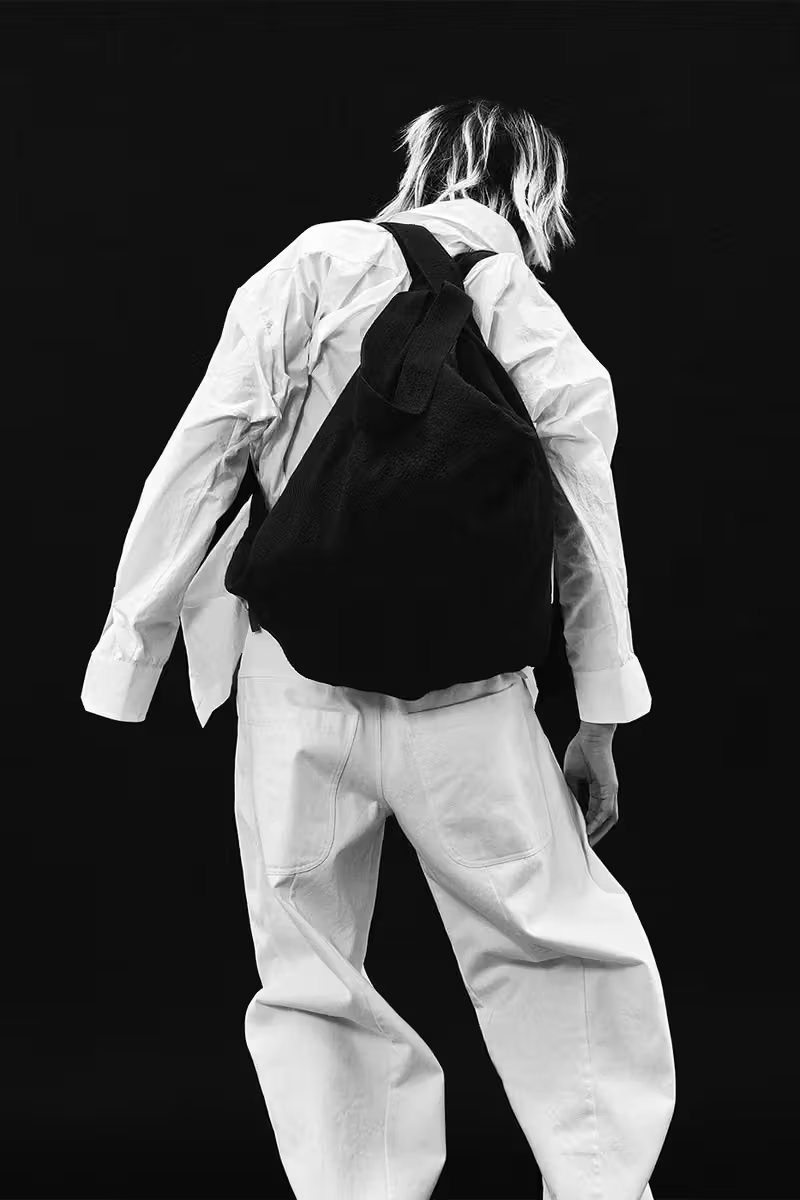
The official description positions LINGGI as an everyday backpack that converts to shoulder carrying, named after Malaysia’s Sungai Linggi. A rear-view campaign image places the black bag between a white shirt and trousers, with folds near the upper straps and the lower edge forming asymmetric curves. Compared with a rigid rectangular backpack, the silhouette draws attention to the relationship between shoulders, back and bag base, making it look like another layer of fabric within the outfit.
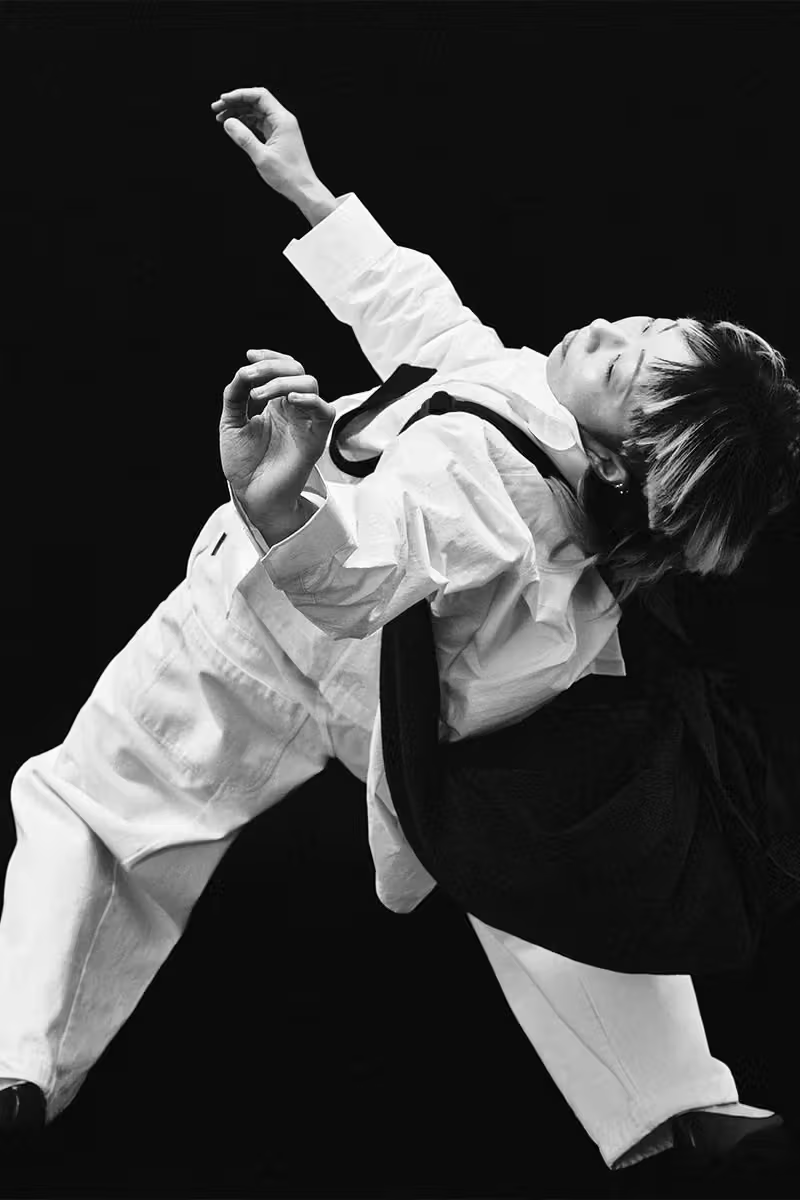
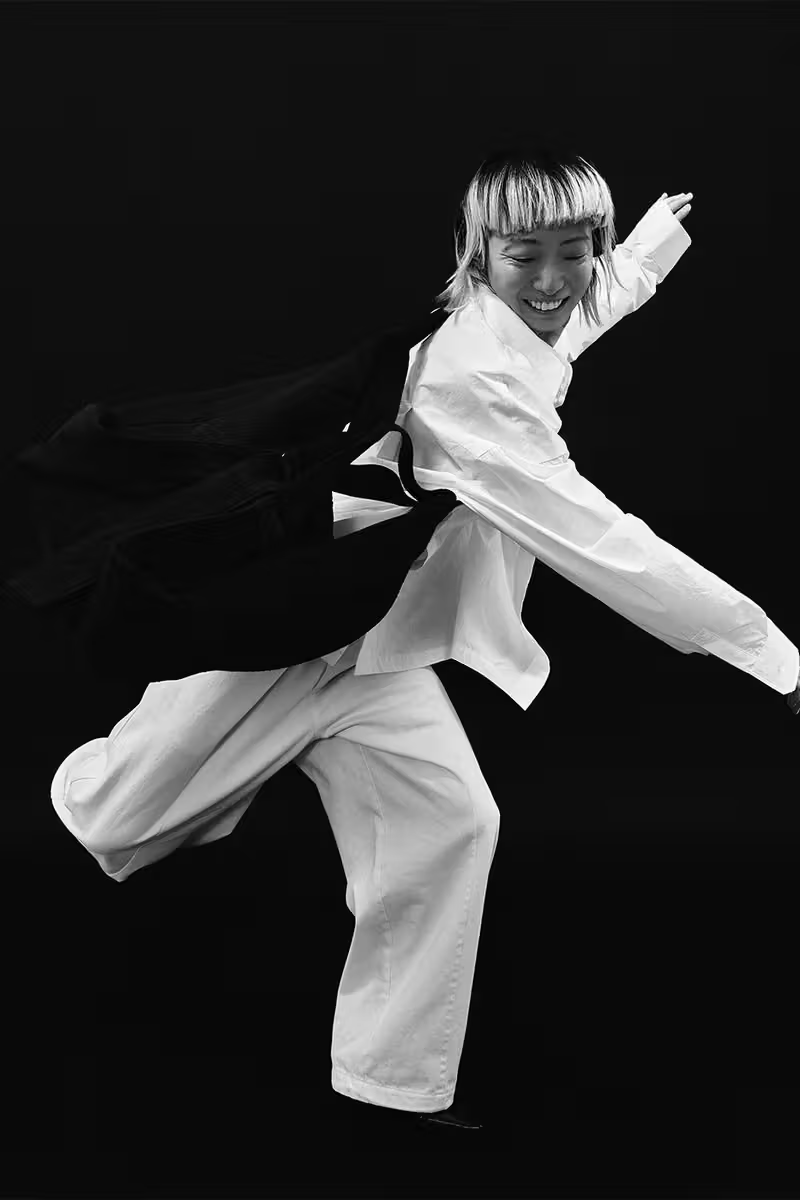
Two further photographs show the model reaching and turning. The bag shifts sideways, changing its folds and shadows. These are styled campaign movements that help illustrate its proportions against the body. For daily selection, start with the usual carrying method: look at the backpack arrangement for two-shoulder carrying, or try the shoulder option if moving a bag beside the body when entering spaces is familiar. Strap adjustment and clothing thickness both affect where it sits.
A stretching pose shows the relationship between straps and bag body.Turning allows the black bag to spread outward to one side.
ENDAU extends the form to the side through crossbody or shoulder carrying
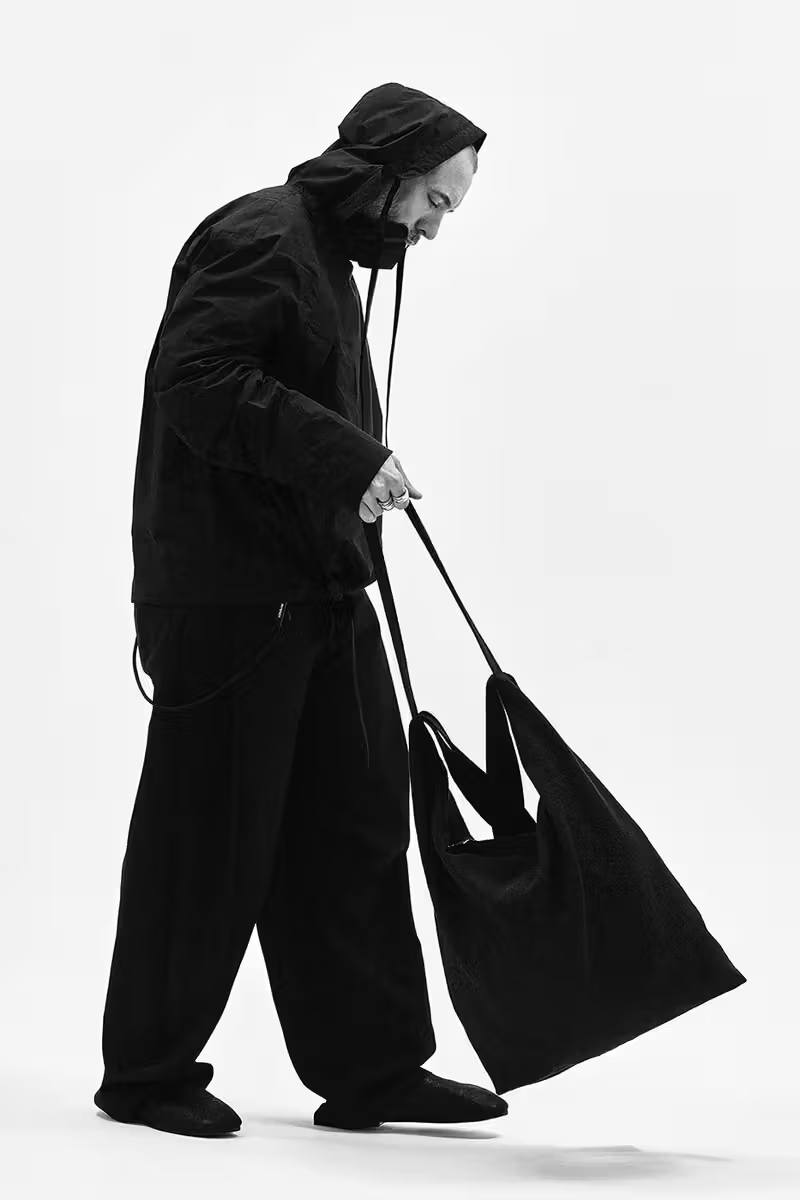
ENDAU is also named after a Malaysian river, and the official description allows both crossbody and single-shoulder use. Both bags are cotton, concentrating the collaboration on form and material rather than broad colorful graphics. In the photographs, an all-black outfit connects bag and clothing, with light and background defining the edges. Against a pale top, the black bag becomes a more prominent shape. These relationships suggest different approaches through tonal dressing and black-and-white contrast.
Black clothing and bags connect, with the background defining their edges.
Both expandable main compartments are officially described as accommodating laptops up to 16 inches, without a dedicated laptop compartment. For a computer, check the space with the actual device dimensions, protective sleeve and other belongings. The form changes with its contents, so a full bag and a lightly packed one will look different. Consider that feature alongside a daily packing list: carrying mainly clothing or books, or accessing a computer frequently, places different demands on organization.
Choose a carrying method, then check local prices and availability
“What We Carry” combines architectural bag forms with flowing, clothing-like lines. Both designs are black, with their differences in straps and carrying methods. Compare LINGGI’s backpack/shoulder arrangement with ENDAU’s crossbody/shoulder options, then consider the bag’s volume alongside frequently worn outerwear. The $370 and $310 figures are official USD-store listings; other regional prices, availability and shipping terms follow local pages. Rather than reading them only as fixed black shapes, this collaboration is best approached through straps, fabric folds and changes after packing, making the way of carrying part of the styling.