Same Ibaraki ingredient shopping list, five different answers from five restaurants—teppanyaki beef tenderloin with clam-infused sauce, Korean-style charcoal-grilled rare cuts, chilled melon soup with sweetfish. Rolling out from July, with availability periods varying by restaurant.
Same Ibaraki inspection trip, same batch of Hitachi beef, Hinuma Yamato clams, and "Ibaraking" cantaloupe—yet in the hands of five Tokyo chefs, completely different directions emerged. Some turned the beef into the star of teppanyaki; others sought out rare cuts yielding just two to three kilograms per cow. Some relegated the clams to a supporting role in the sauce; others let them carry the entire dish. In early June 2026, the five chefs visited the production sites just before a typhoon approached, and starting in July, each restaurant began bringing this journey to the table.
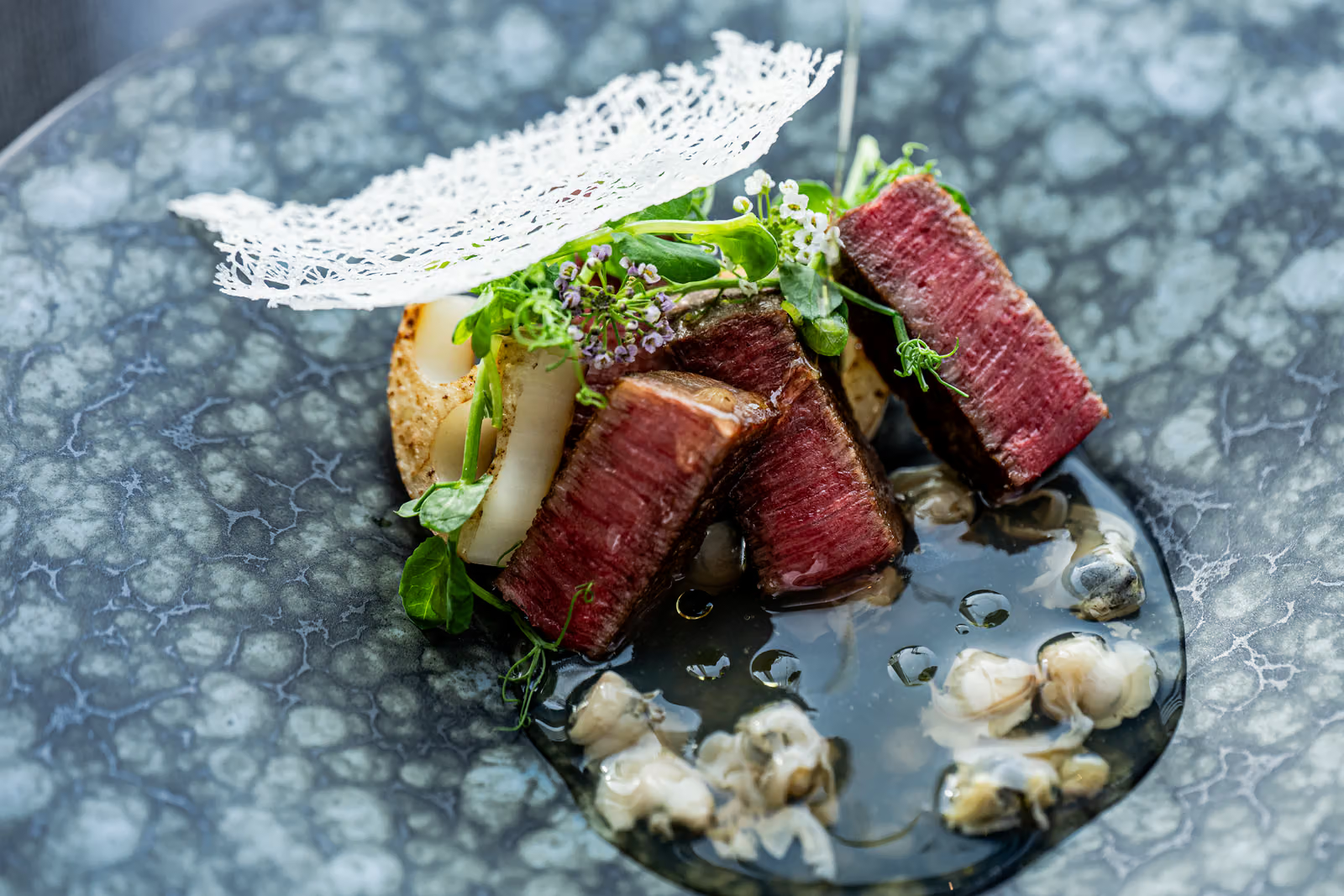
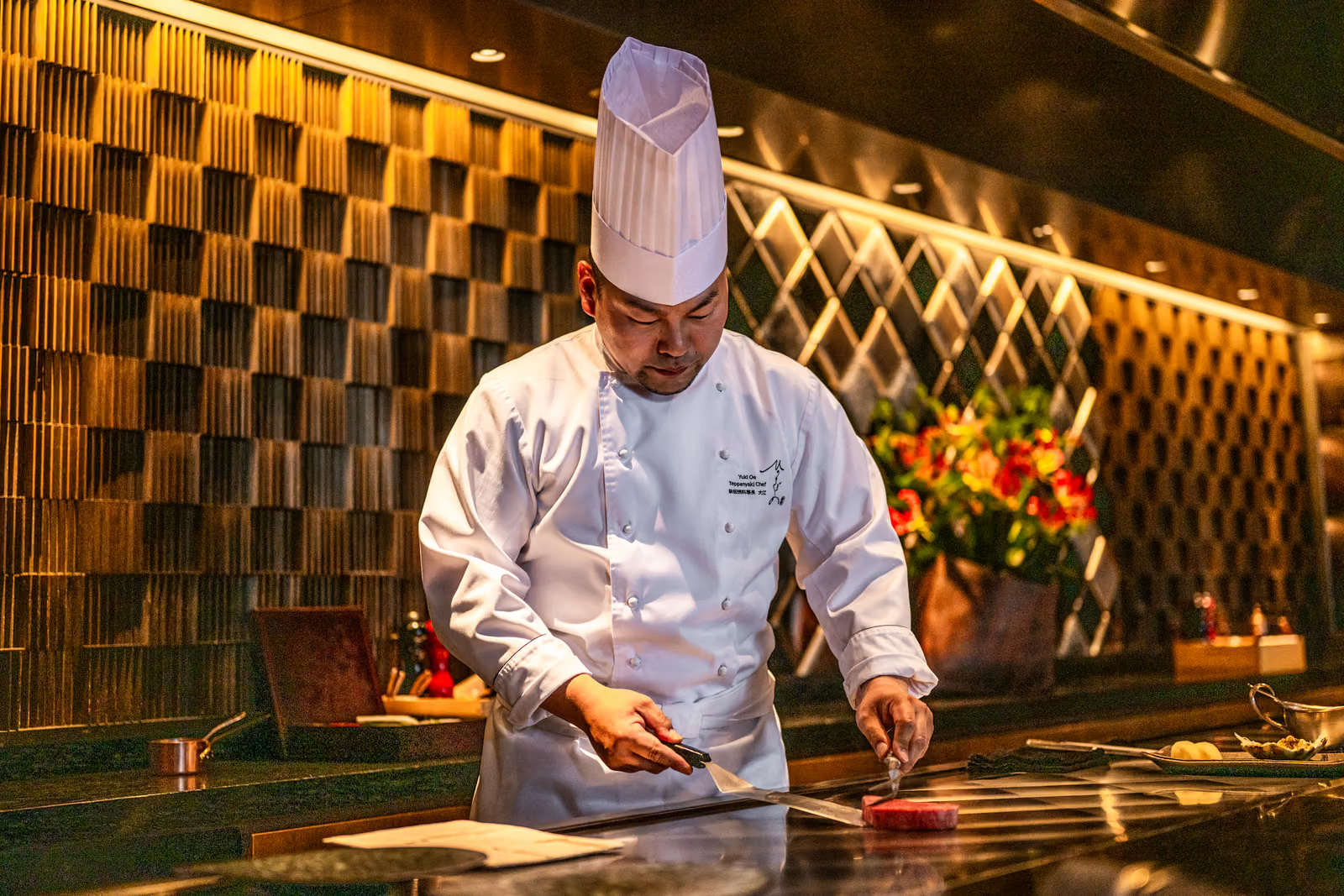
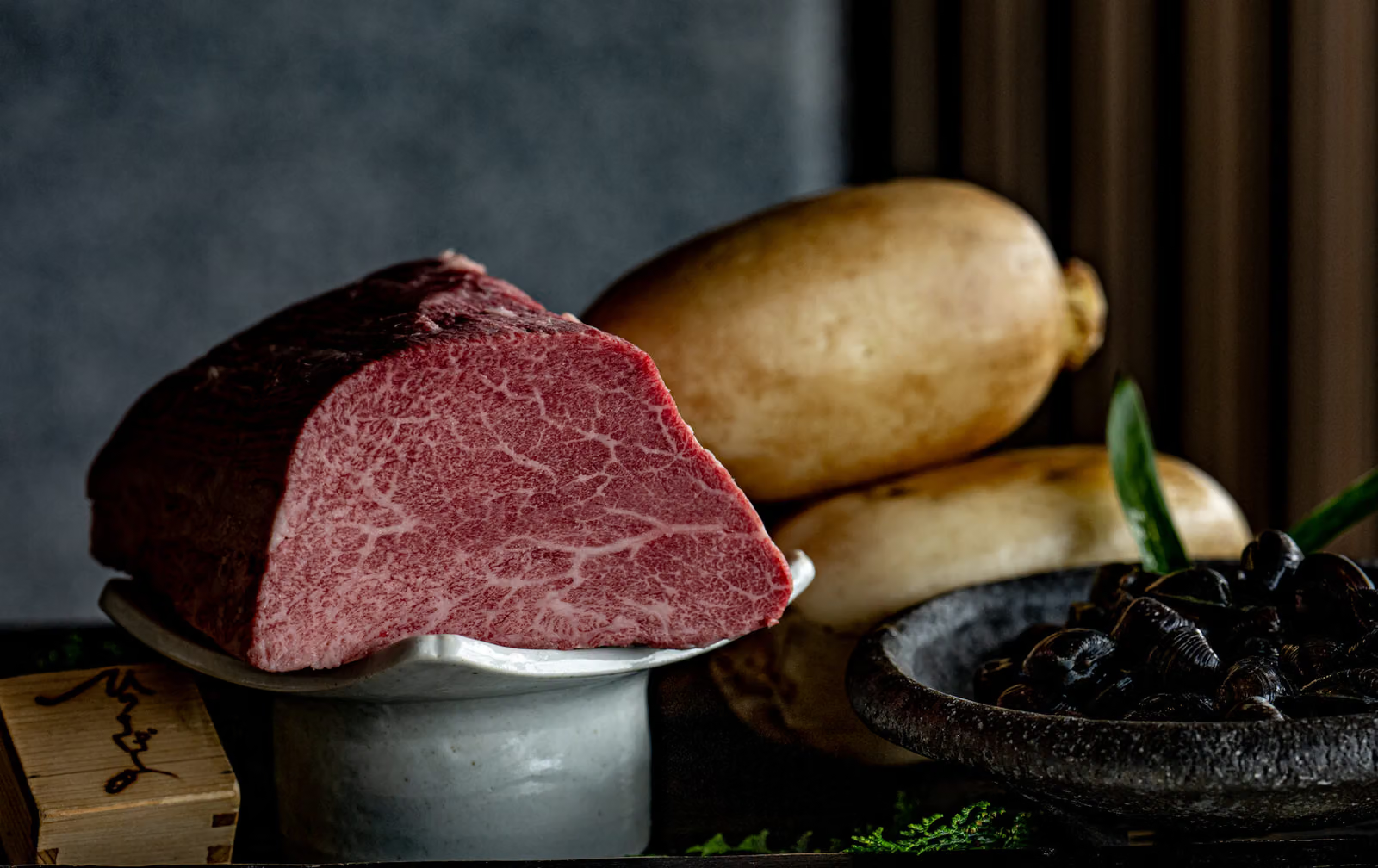
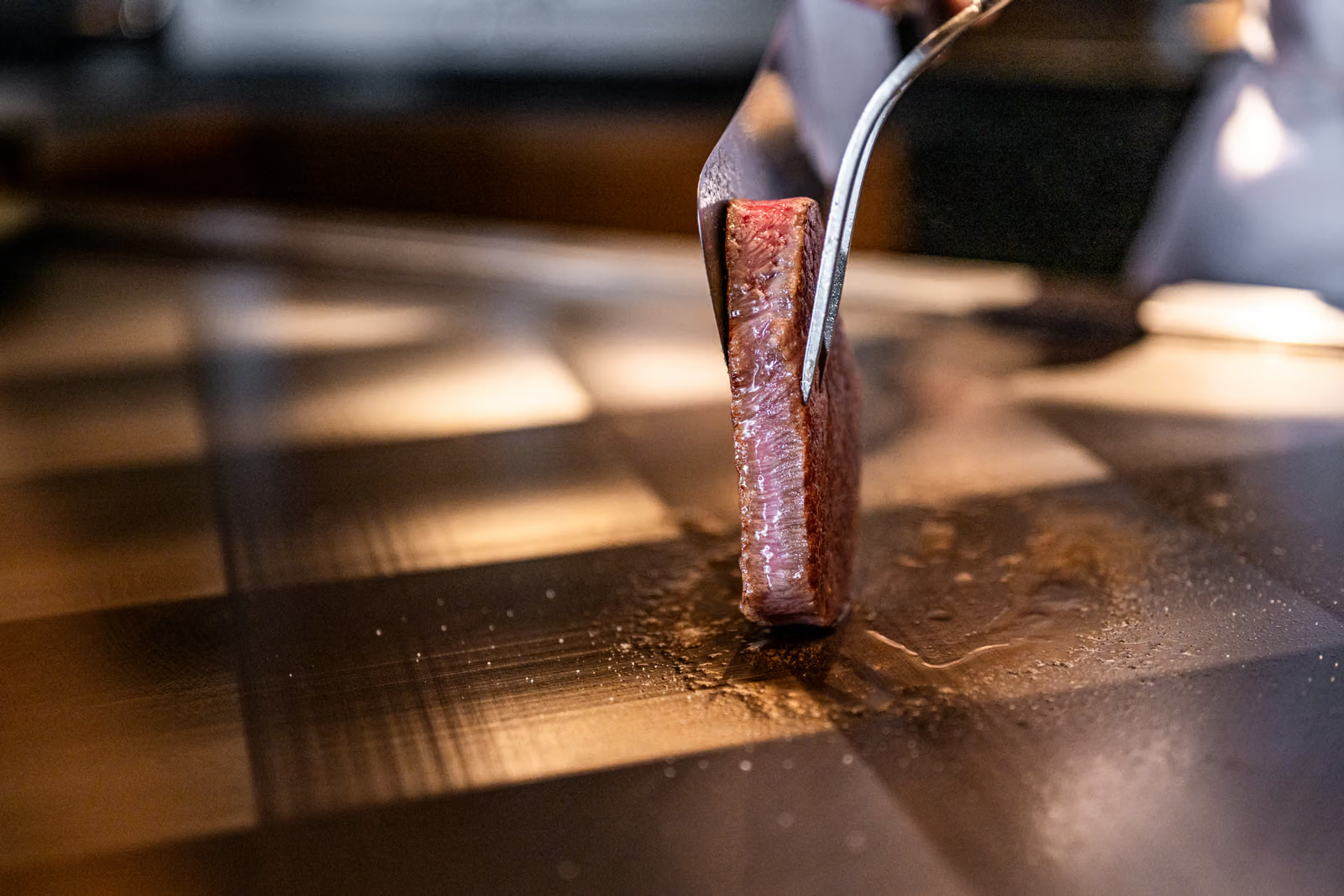
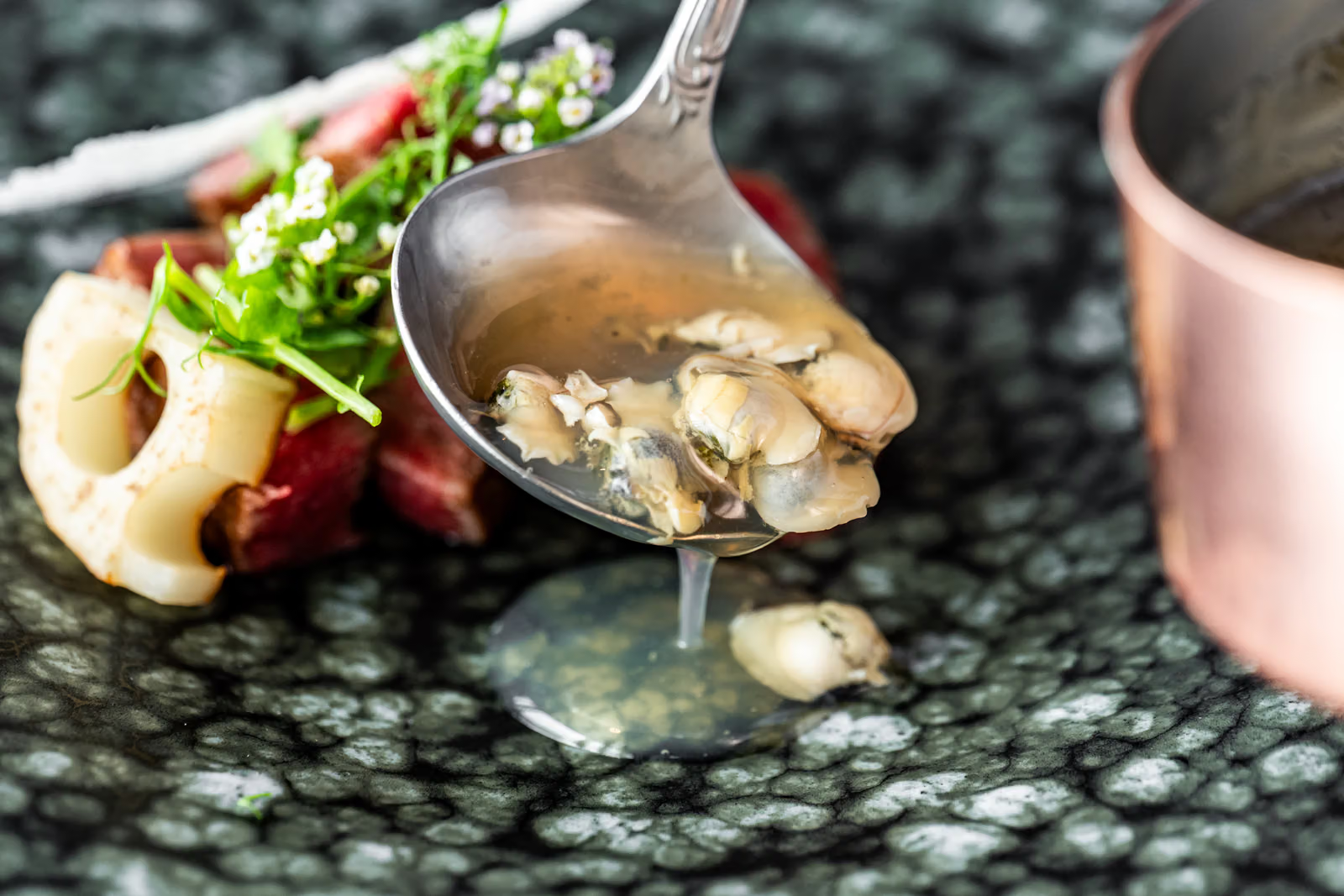
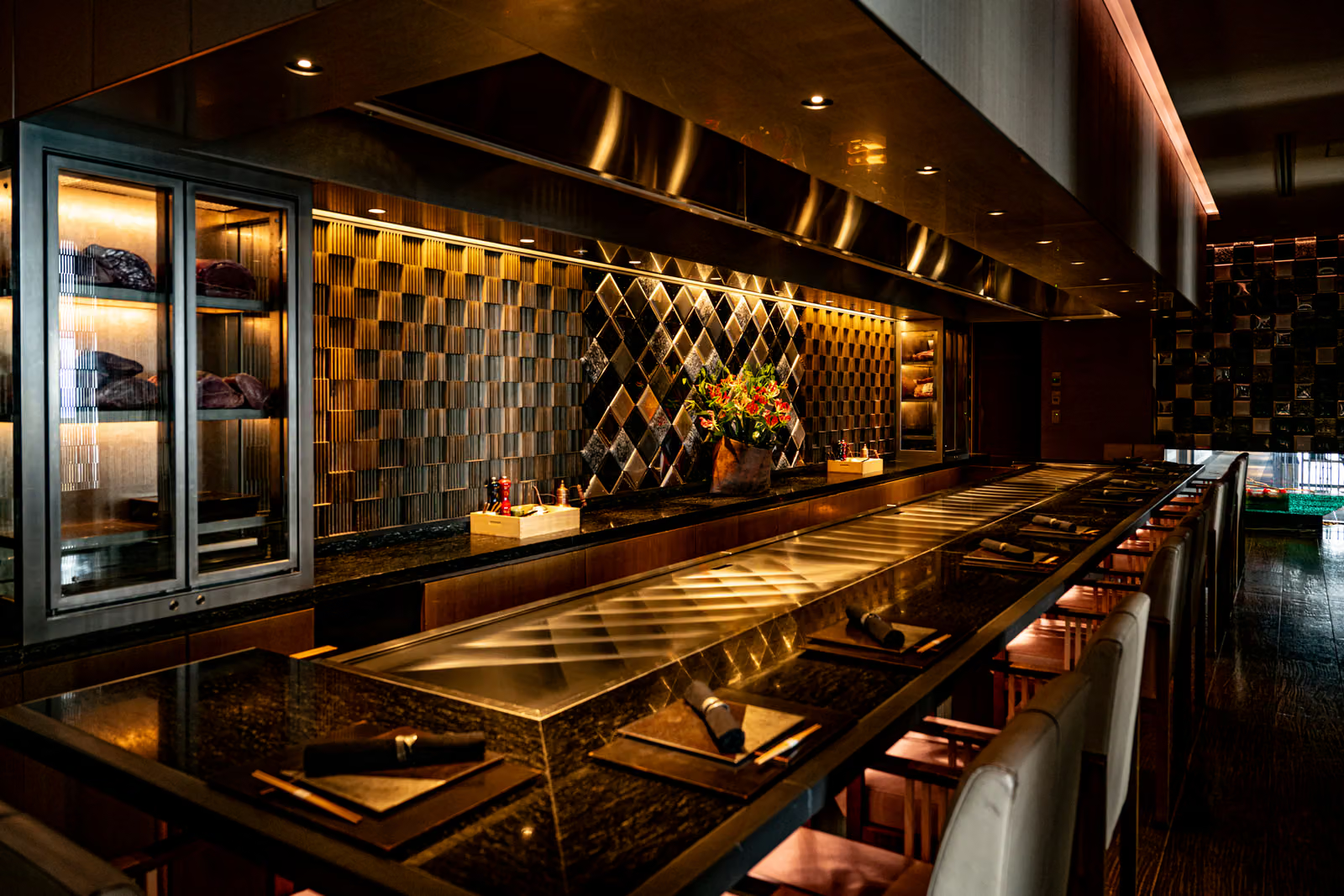
Yuki Oe, teppanyaki chef at "Hinokizaka," the Japanese restaurant at The Ritz-Carlton, Tokyo in Akasaka, developed a habit of frequently visiting production sites after being promoted to head chef in 2023. What struck him most this time was the quiet at "Dream Farm"—the cattle didn't cry out excessively, and the grass had a subtle fragrance. He believes this low-stress environment is what produces such high-quality meat. He chose Hitachi beef fillet, its fat so smooth it surprised him. During grilling, he let it rest multiple times, judging the internal doneness by the resilience felt through his tools, ensuring the entire piece was evenly tender. This fillet is finished with a thickened broth made from simmered Hinuma Yamato clams—the clams' savory-salty notes don't overpower, instead layering with the beef's light fat for a lingering finish. The dish "Ibaraki Prefecture Hitachi Beef Fillet with Hinuma Yamato Clam Umami Sauce" is part of the "Kiri" kaiseki course (¥32,000, tax and service included), available July 1-31—the longest run among all five restaurants. Reservations: 03-6434-8711.
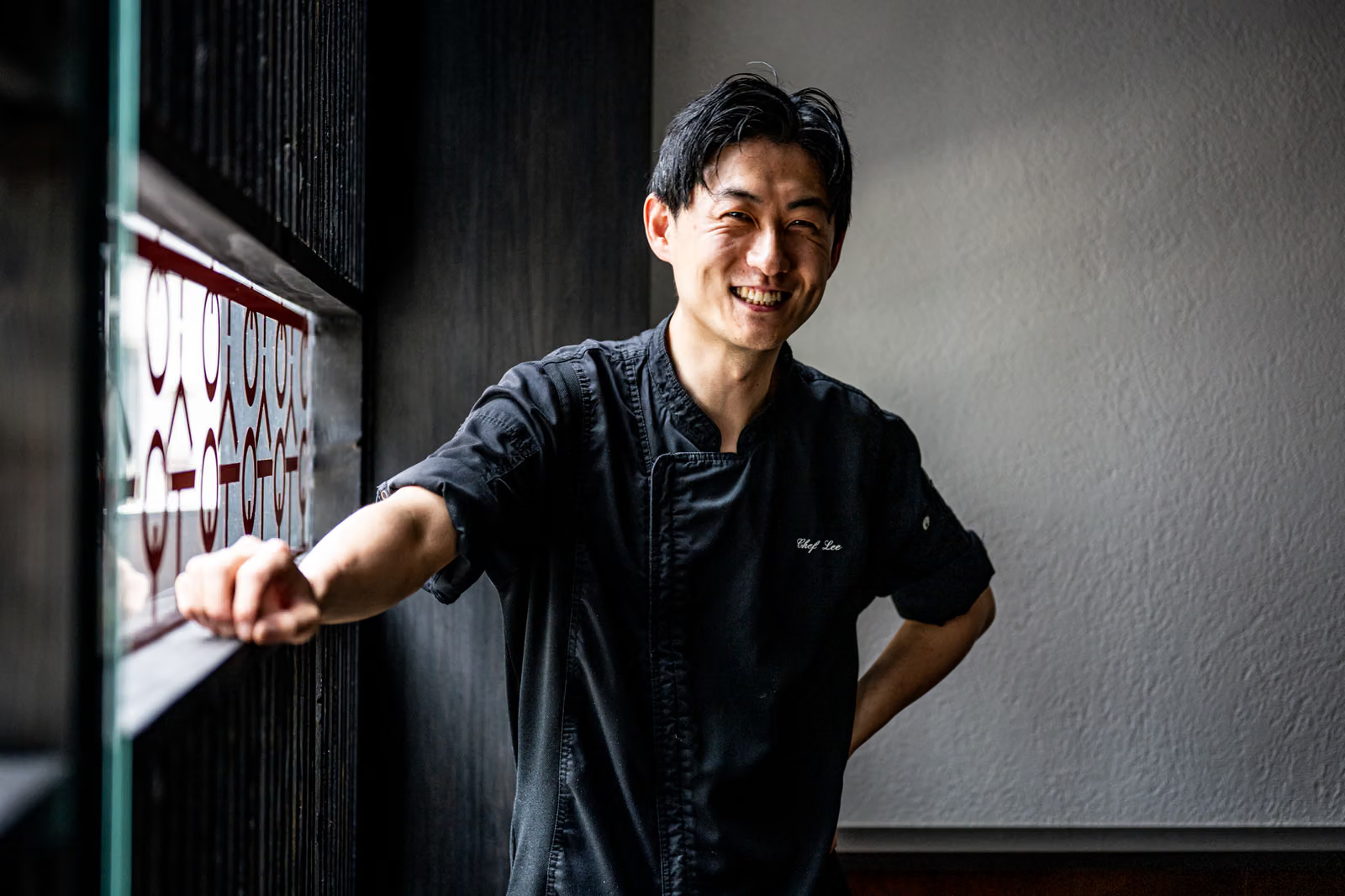
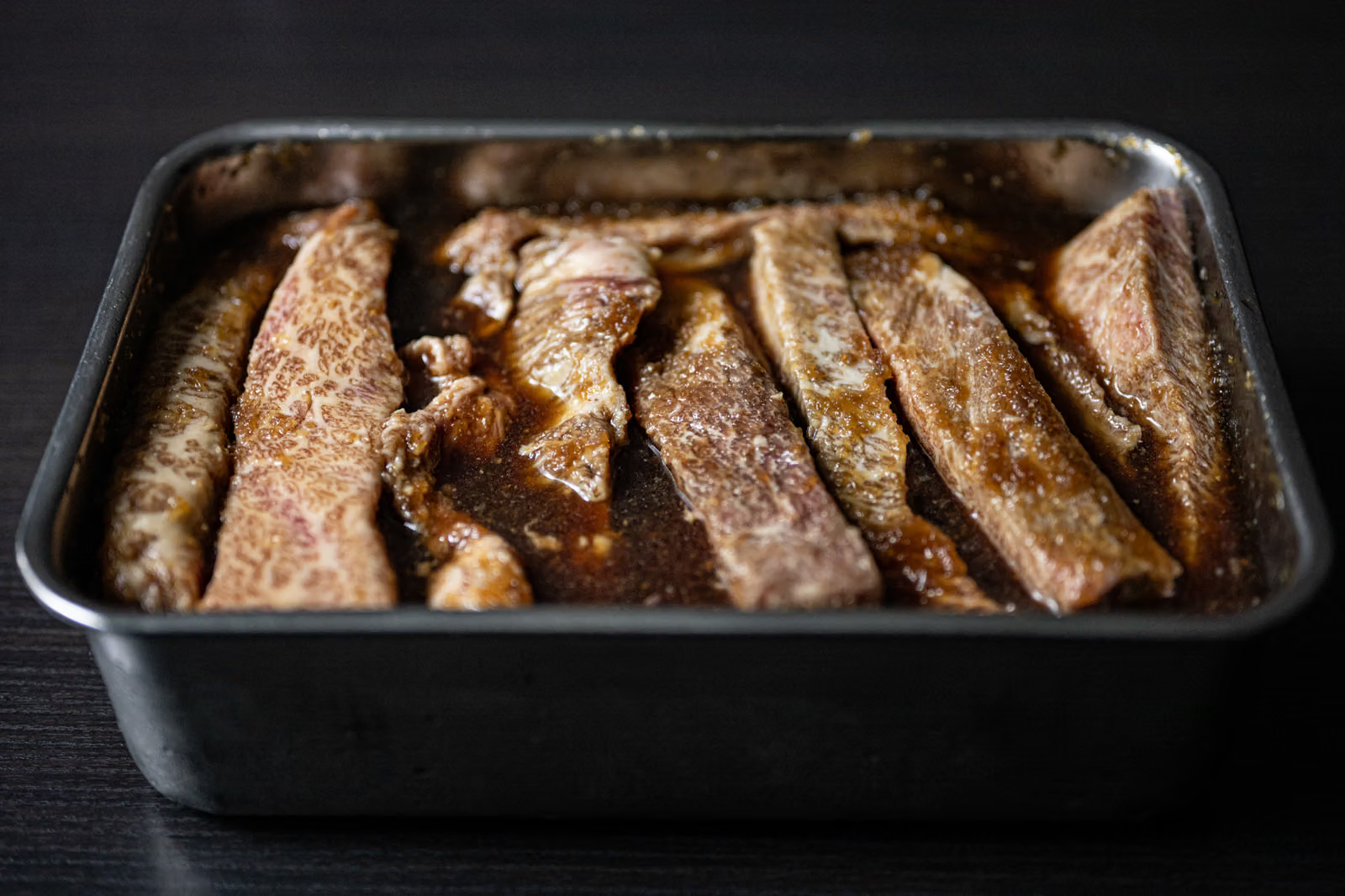
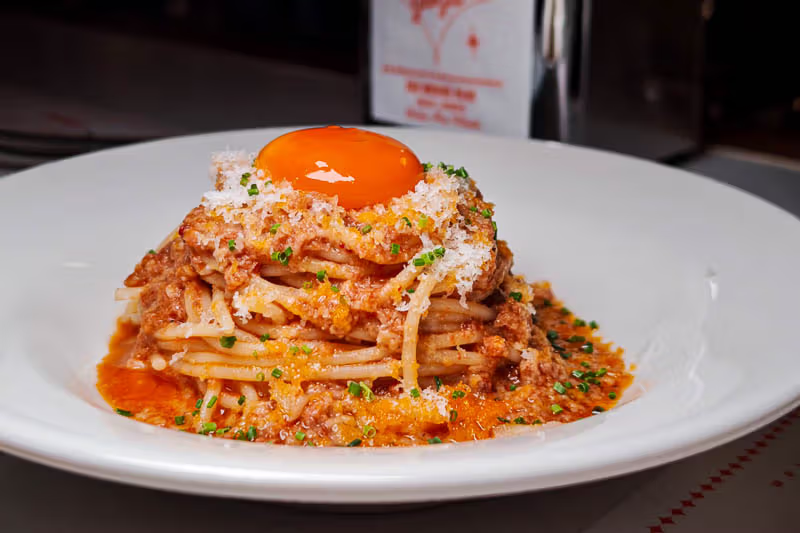
Lee Jung-jun of Korean restaurant "HASUO" in Hiroo works from the logic of "reinterpreting Korean cuisine through Japanese ingredients." This time, he specifically requested head-shoulder blade meat (헤드바라) of Hitachi beef from Fujii Shoten—a rare cut yielding only two to three kilograms per cow. Marinated in his own house-made yangnyeom sauce, it's first seared over charcoal on both sides, then finished with Nachiguro stone-grilling—the stone's uneven surface creates varying degrees of char. The block of meat is first doused with strong spirits and flambéed to seal the surface and lock in the sauce; once charred, it's sliced into bite-sized pieces, with the cut surface pressed against the stone once more for additional char. Lee states plainly that A5 grade doesn't guarantee good flavor, but Hitachi beef has "solid meat flavor, fat that isn't greasy, and just the right marbling ratio." This "Hitachi Beef Yangnyeom Galbi" is served wrapped in perilla leaves and lettuce, available July 9-23, included in two set menus (¥11,000 and ¥14,300, tax and service not included). Phone: 03-6456-4377.
Head chef Yu Kunii of "SHIZEN" in Shibuya took a completely different approach. While fellow chefs were busy questioning the producers, he quietly tasted the Hinuma Yamato clams and found what drew him in wasn't the plump texture of the clam meat, but its subtle, lingering aftertaste. He decided not to let the clams take center stage as an ingredient, but instead let them form the structural backbone of the entire dish—clam broth combined with fermented tomato juice and green tea set into a jelly, layered with fire-grilled lettuce blended into a purée, fire-grilled edamame retaining its texture, and clam meat. Kunii describes this as "letting each component become a layer for the others"—upon first bite, the aftertaste, aroma, and texture emerge in sequence. He also admitted that the typhoon disrupted his testing period, with deliveries becoming temporarily unstable: "Tokyo chefs can't compete with local restaurants on freshness and steady supply, but what I can do is use aging and preparation techniques to make the most of whatever ingredients reach me." This "Hinuma Yamato Clams with Fire-Grilled Edamame" is included in the set course (¥18,000, tax not included), available July 6-19, with possible extension depending on stock.
Atsuto Hiramatsu of Spanish restaurant "Arroceria La Panza" in Ginza originally believed ripe cantaloupe was best eaten raw. But after tasting five varieties, he determined that "Ibaraking" cantaloupe—with its balanced sweetness and acidity, never cloying even when fully ripe—was perfect for soup. So he replaced the traditional base of Andalusian gazpacho with cantaloupe, adding the fresh bitterness of green bell pepper and cucumber, seasoned with garlic purée, yogurt, a touch of white wine vinegar, and Spanish olive oil—no added sugar, relying on the melon's natural sweetness to build depth and dimension. This soup is paired with sweetfish nanbanzuke—the soup itself doubles as a sauce that complements the fish, and the sweet-and-sour fish alongside the refreshing soup naturally calls for a glass of wine. "Ibaraki Prefecture Cantaloupe Gazpacho with Sweetfish Escabeche" is included in set courses (lunch ¥4,500, dinner from ¥8,500), or à la carte for ¥1,000 (without sweetfish, tax not included), available July 6-19.
Godan Temple dessert shop "EQUALLY atelier NOLE," which opened just this past May, has chef Koichi Tomono candidly admitting that pastry chefs typically work with processed ingredients and rarely meet producers in person. This time, he specifically mentioned the Fromage Blanc from "Fromagerie Tsukuba," whose flavor was unexpectedly delicate—he had anticipated a more distinctive character, which actually made testing tricky, since the flavor was so clean that adding too many secondary ingredients risked masking its inherent qualities. His solution was to add crumbles of salted butter sablé, using textural contrast to tighten the flavor profile and prevent palate fatigue, finished with a drizzle of hojicha sauce. Another creation, "Ibaraking" cantaloupe ice cream, directly recreates the fruity aroma of the moment he bit into the perfectly ripe melon in the field. Both ice creams are available for takeout at ¥650 for a single scoop and ¥870 for a double (tax included), with an additional ¥100 for premium flavor add-ons, available July 6-19. Also available for purchase at the main EQUALLY store.
Availability periods vary across all five restaurants, ranging from as short as two weeks to as long as a month, with prices spanning from ¥1,000 for à la carte items to ¥32,000 for a full kaiseki course. All restaurants note that availability may be extended depending on stock, so those wishing to make reservations are advised to contact each restaurant directly to confirm current status.