IPPIKI brings aged fish to the centre of hotpot dining on the seventh floor of Far Eastern Garden City at Taipei Dome. Led by chef Steven Chou Shu-ching, the brand lists individual sets with aged threadfin at NT$1,380, Japanese amberjack at NT$1,680 and giant grouper at NT$1,980, alongside two-person land-and-sea combinations. Rather than beginning with meat, start with fish species, broth and the number dining to plan the meal.
Ageing is a process, rather than simply waiting longer
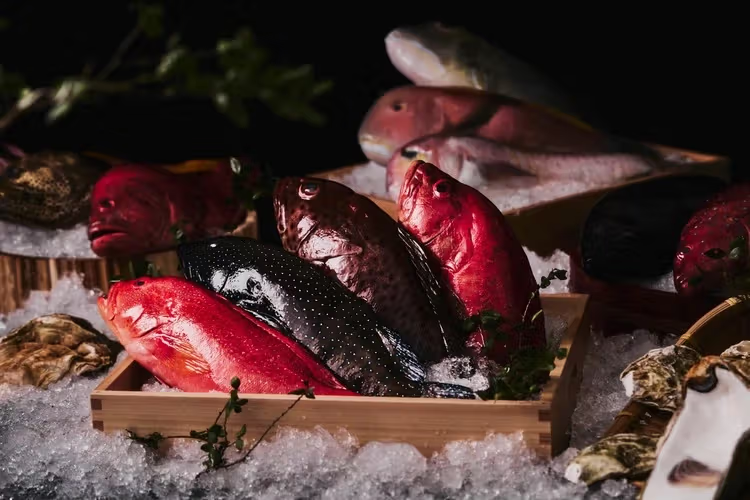
The brand describes equipment-controlled temperature and humidity that adjust fish moisture and flavour before hotpot service. That explanation should not be simplified into a claim that leaving any fresh fish longer improves it. Species differ in fat, flesh and handling requirements. “Aged” belongs alongside the actual fish and restaurant process rather than functioning only as a premium adjective.
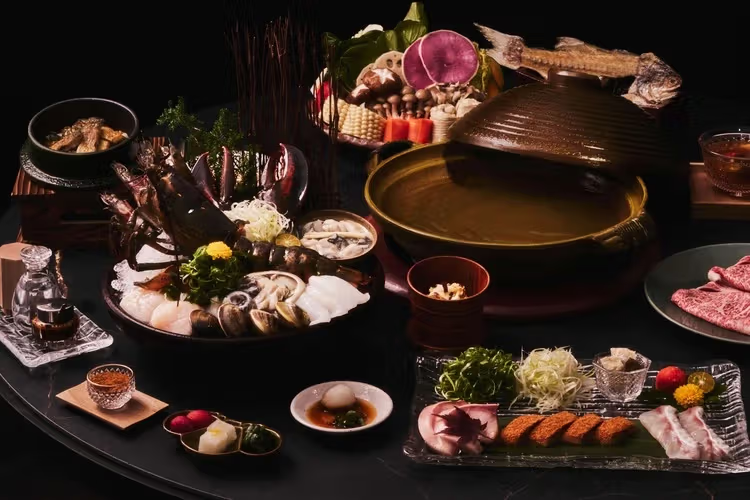
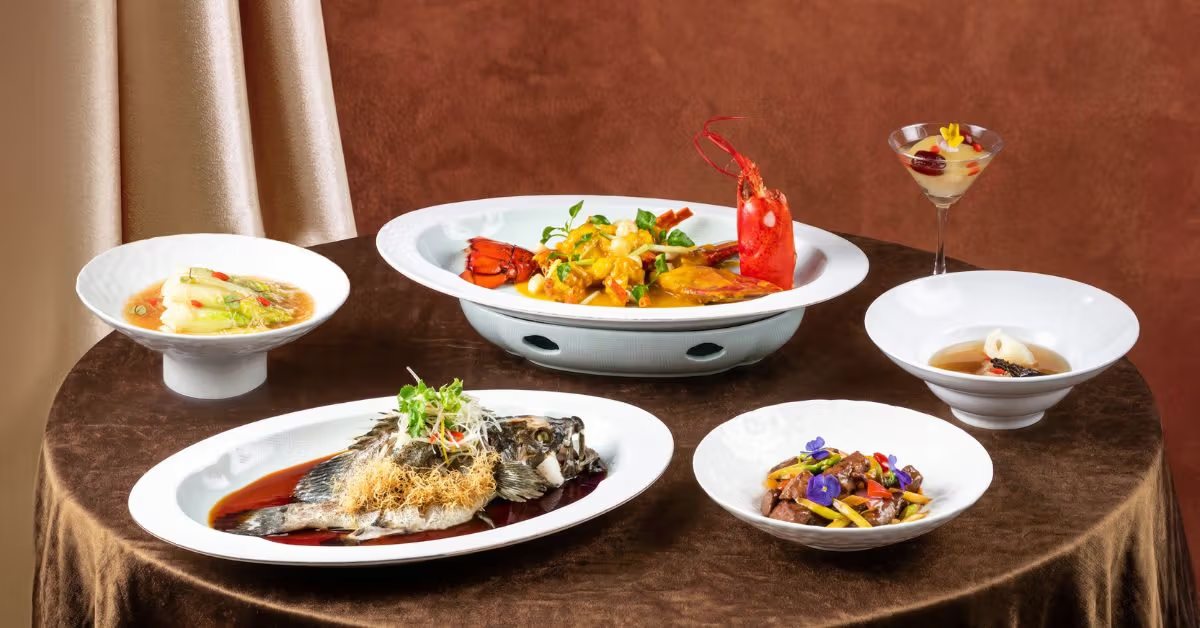
Different fish species form the theme of the aged-fish hotpot menu.A promotional set photograph brings together cookware, fish and accompaniments.
IPPIKI takes its name from the Japanese counter used for fish and certain other animals, directing attention to each fish. The restaurant also offers seasonally changing line-caught selections, so a particular species should not be assumed available year-round. Ask about the day’s menu when reserving for a specific fish rather than relying on an earlier promotional photograph.
Individual sets and two-person combinations: budgeting
The announced individual sets range from NT$1,380 to NT$1,980 according to the three aged fish. Two-person sets start at NT$6,600 and may include aged fish, lobster, abalone and Japanese A5 wagyu. All spending attracts 10% service: the NT$1,380 set becomes NT$1,518, and the NT$6,600 two-person starting price becomes NT$7,260. Additional orders cost extra.
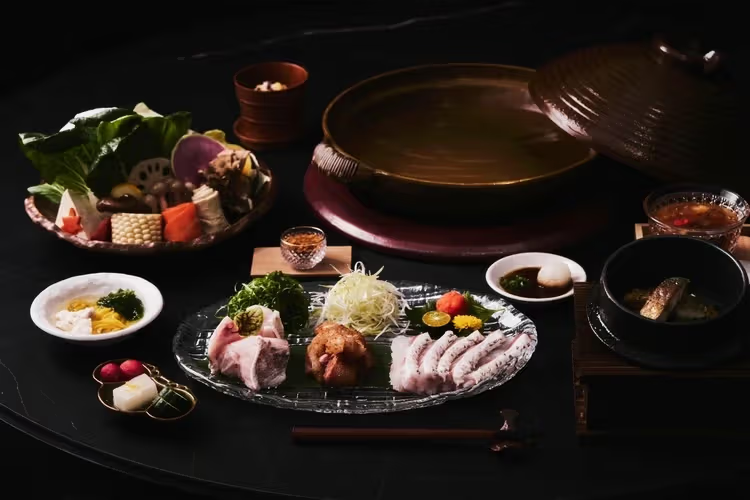
An individual hotpot setup serves fish and vegetables on separate plates.
A kombu broth made with ten ingredients forms the base, intended by the brand to foreground the aged fish. First-time diners can compare species and set contents before adding meat or other seafood, keeping a clear focus. This account presents public menu information and the brand’s explanation, rather than turning texture descriptions into a TIDEZINE tasting report or guaranteeing future prices.
Fish prints, washi screens and different seating
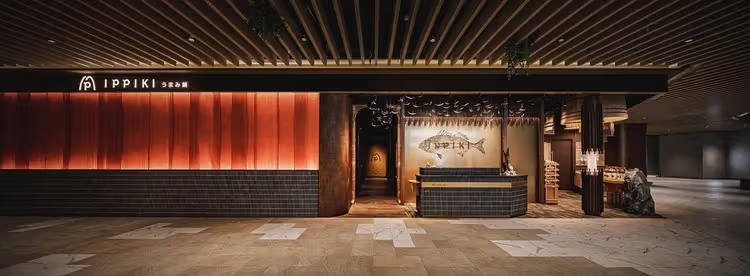
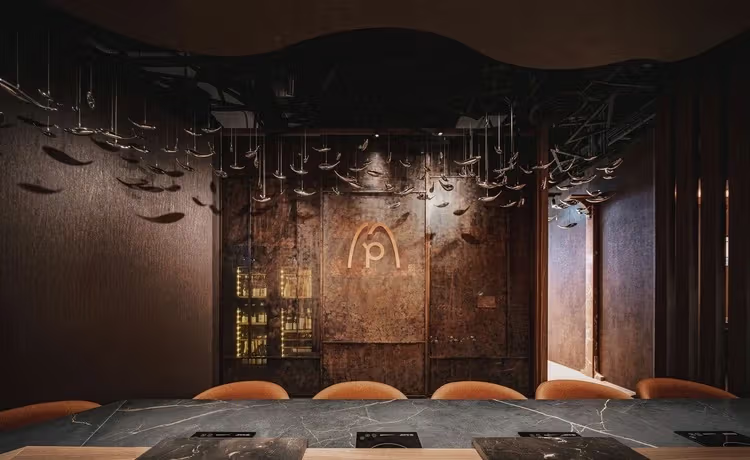
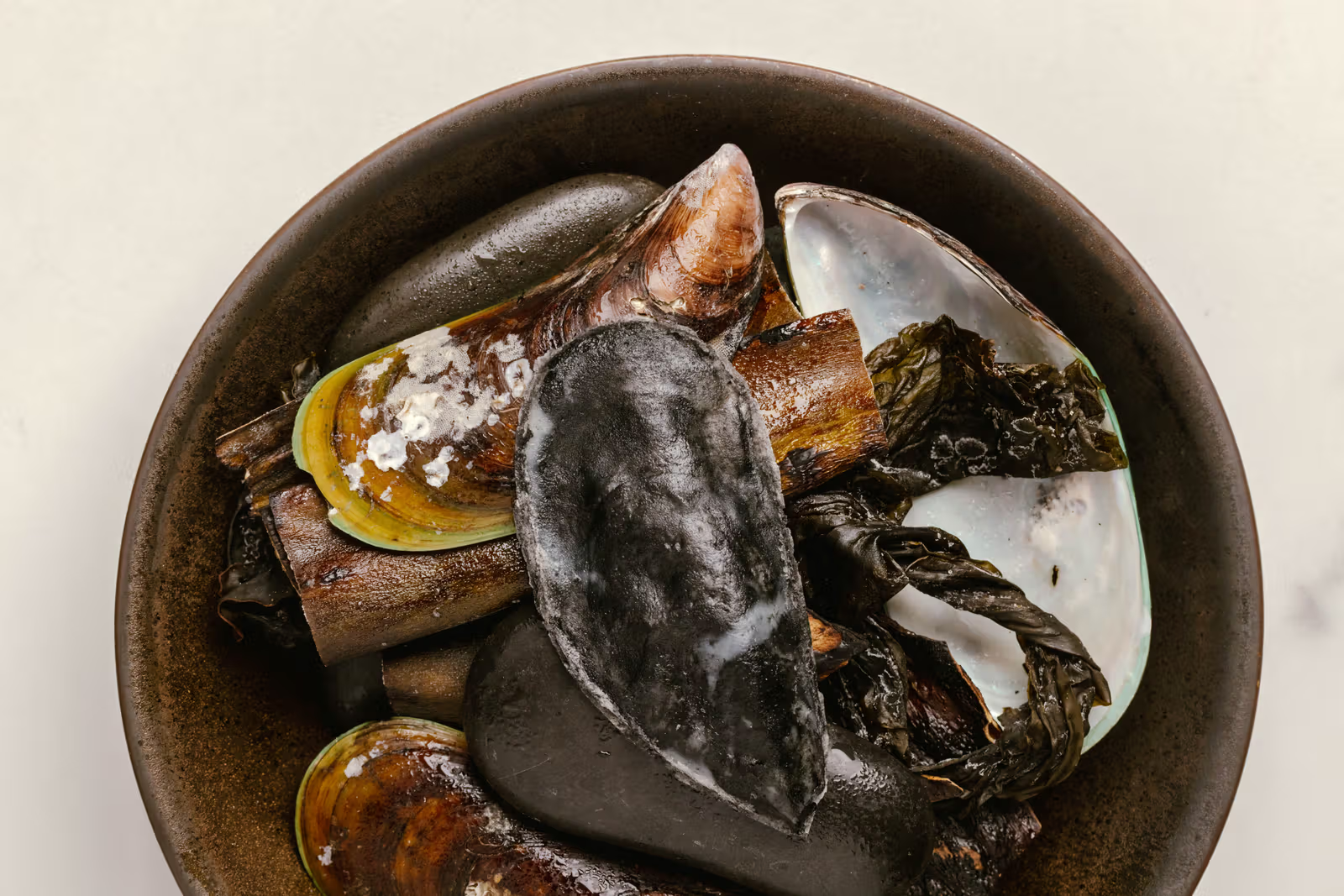
The interior, by Wu Tou Design, brings marine references inside through an entrance fish print, materials, light and shadow. A counter supports solo dining, while curved washi screens divide semi-open private areas. Photographs show differences in seating and light density. When planning conversation, a date or greater privacy, explaining requirements during booking is more useful than asking only whether seats remain.
Screens, fish-print references and low lighting shape a semi-open dining area.
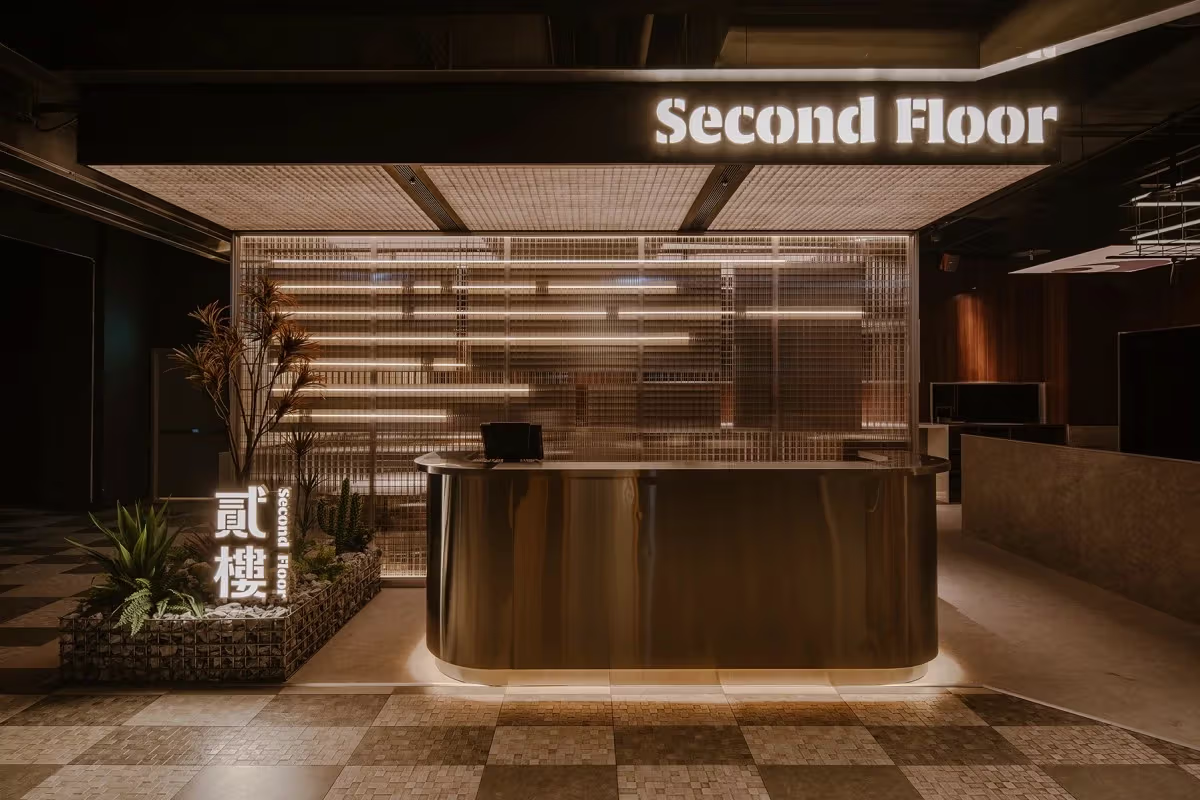
The address is 7F, No. 505, Section 4, Zhongxiao East Road, Xinyi District, Taipei; telephone 02-2761-3013. For dining after a game, concert or shopping trip, confirm restaurant hours and last seating separately from mall hours or the event’s finish. Fish selection and seating provide concrete choices. Checking supply, budget and time connects the marine theme and interior to an actual itinerary.