The Baker With No Storefront Turned Her Kitchen Into the Only Shop
Katsura Kitagawa bakes egg-free, dairy-free bread inside a house over 50 years old, where wooden floors and Showa-era windows frame a completely reservation-only home bakery.
Coming home from school on a Saturday afternoon, stomach growling, the smell of food already drifting through the house—if you remember that kind of air, you probably get the tone Katsura Kitagawa uses when she describes her kitchen. "Showa-esque? People say that a lot. Maybe it's because I use so much wood—I like that warmth in the color, the texture, the feel of it." She's the person behind Kitagawa Bakery, which has no storefront at all. Her bread is sold only from her home, through partner shops, and at markets, made with Kyushu wheat in recipes that contain no eggs or dairy.
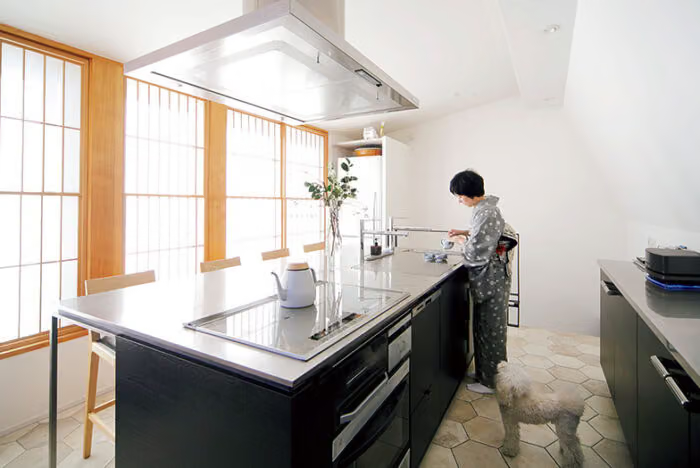
The space used to be a single-story house over 50 years old. The renovation was handled by architect Koichi Ida, who has designed store interiors for several wood-house conversions, including Kamoshika and foodmood. Katsura Kitagawa gave him just one request for the remodel: "Make it functional, sure, but don't lose the feel of the old house."
The floor is inexpensive lauan wood, finished with just a clear coat—none of the stiffness you get from solid hardwood flooring, so it actually feels soft underfoot. This is where she kneads dough, hands often dusted in flour. "I can just wipe it down with a damp cloth anytime. I really like how easy it is to keep clean."
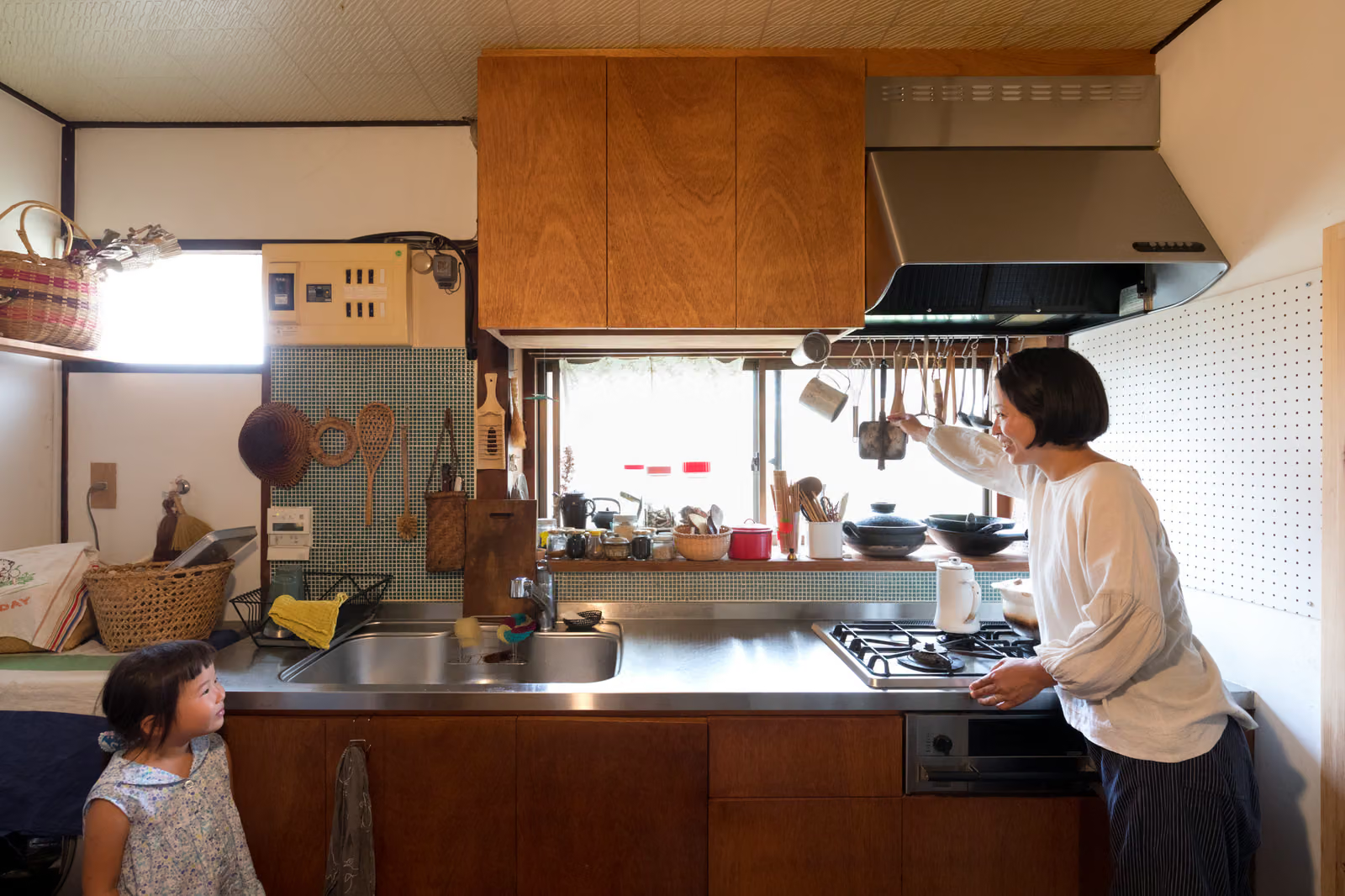
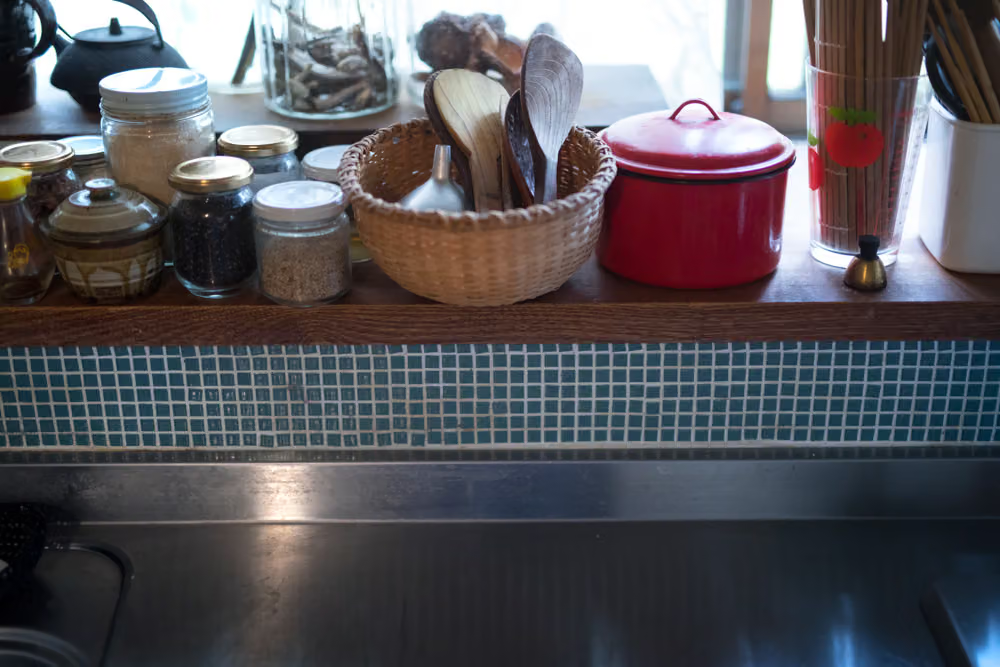
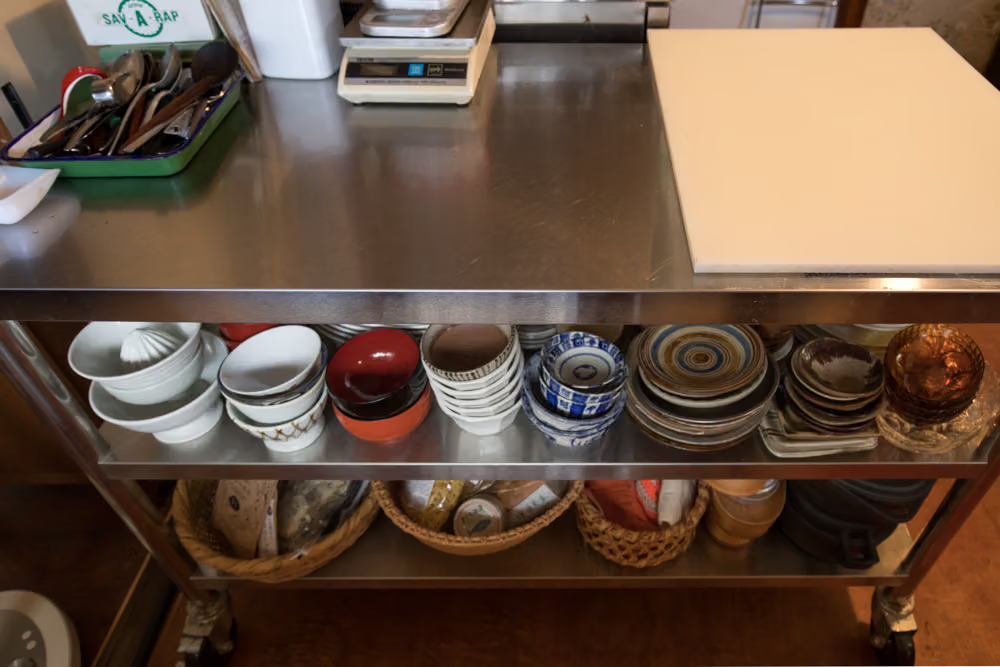
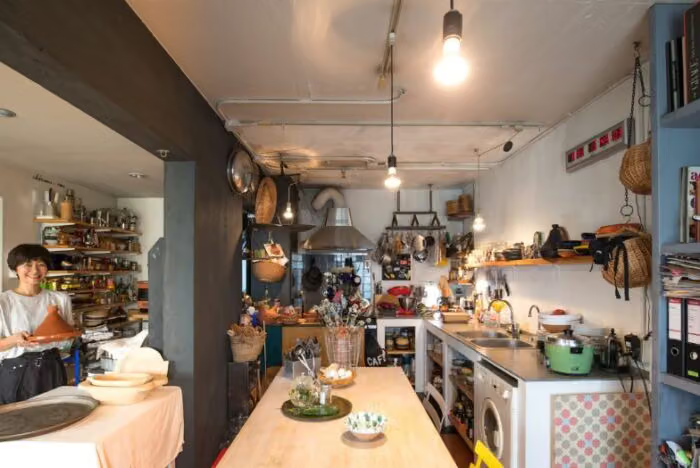
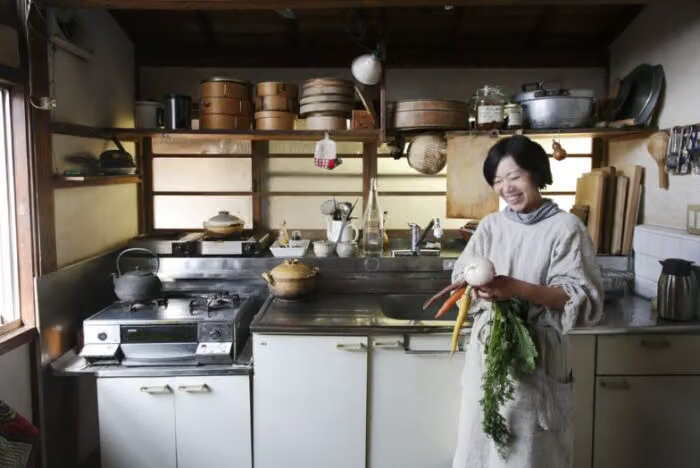
Bamboo and kiwi-vine baskets, bought piece by piece from her hometown of Aizu, hold dishware, linen cloths, vegetables, and dried goods, giving the kitchen a folk-craft, old-shop kind of atmosphere—though it never fully tips in that direction. The Harman gas range and stainless steel work counter pull things back toward something clean and precise. The two textures seem to contrast, but they're really pointing at the same thing: nostalgia, and groundedness. Katsura Kitagawa says that's also exactly what Kitagawa Bakery's bread looks like.
The large windows letting in natural light, the old fittings with their gridded glass panes—all of it still carries traces of the Showa era. In the kitchen, the exposed tile wall is painted a fresh, clean green, done by her husband, who is also her senior in the world of bread-making. This is also where she and her daughter, Yo-chan, usually sit and talk—the everyday life of their family of three unfolding around this flour-dusted worktable.