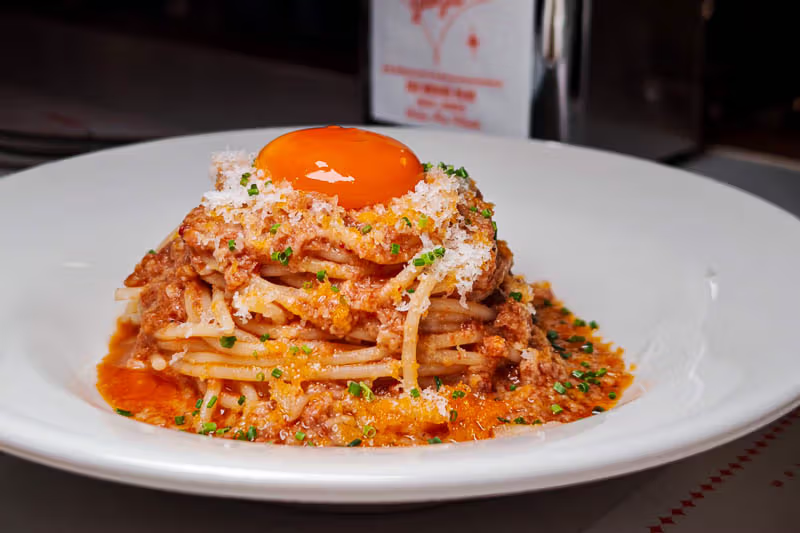
Few pasta brands name themselves after "method." Most tout their region of origin, the wheat variety, or some family's generations-old handmade technique—after all, in this country, "Grandma made it by hand" is practically an unassailable gold standard. But Metodo Massi does the opposite: the brand name comes straight from the ancient Greek word méthodos, meaning "the path to reaching the other side"—as if to say that even a food beloved for centuries like pasta still has room to move forward.

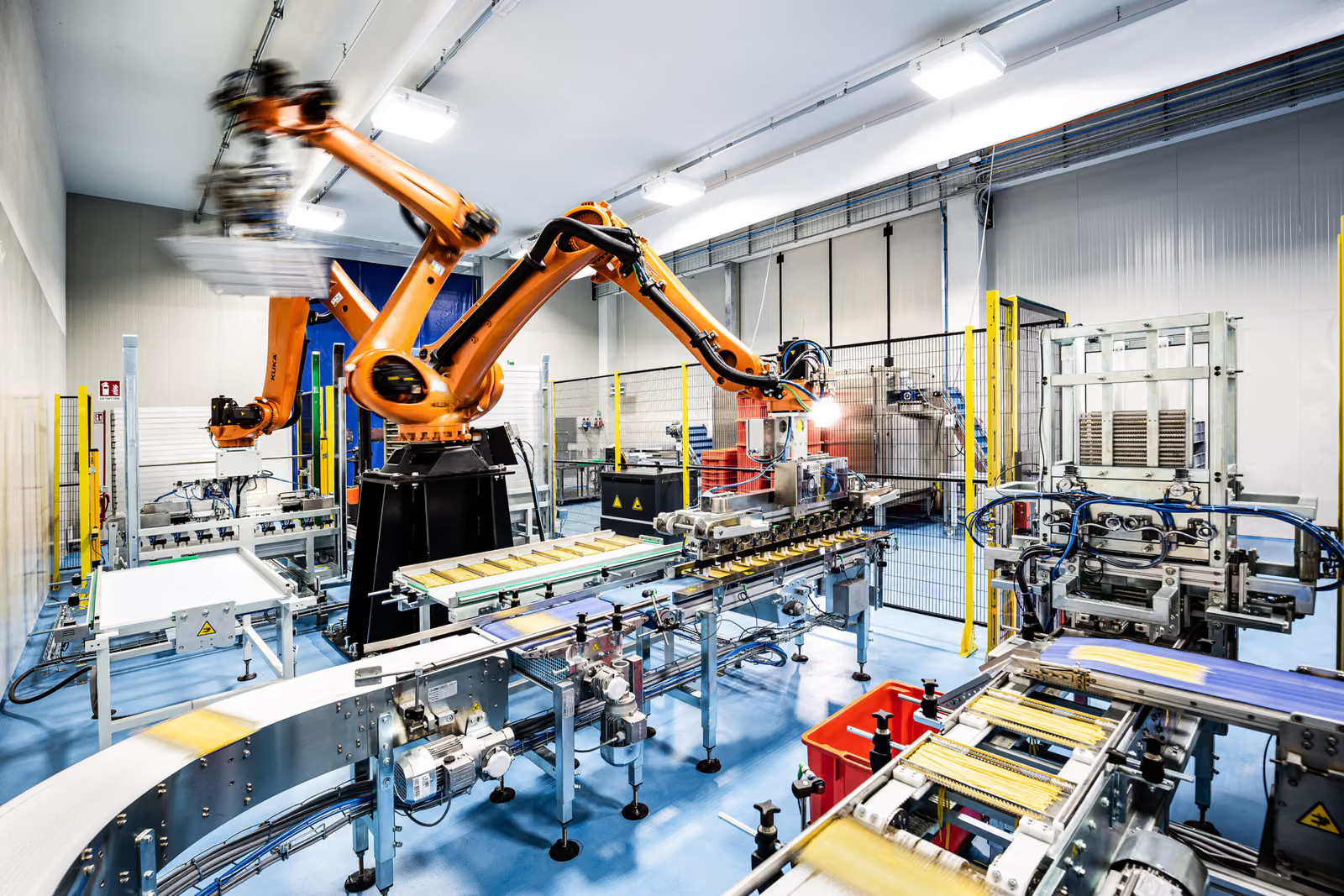
What's even more surprising is the founder's background. Gaetano Castiglione actually runs a metal fabrication company, with zero connection to the food industry. His wife Laura Mistretta, who handles marketing and sales, puts it bluntly: precisely because her husband didn't carry the baggage of "everyone does it this way, so there must be a reason," he was free to redesign the entire production process without being shackled by tradition. Their first goal was simple—make sure the natural qualities of coarse-ground durum wheat wouldn't be destroyed by heat or mechanical stress during processing.
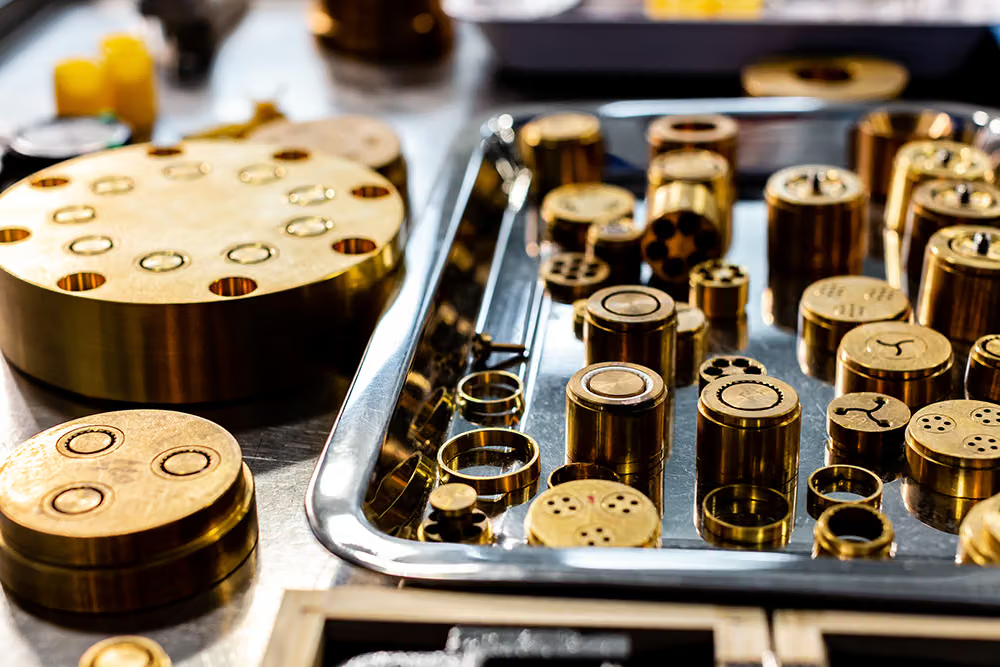
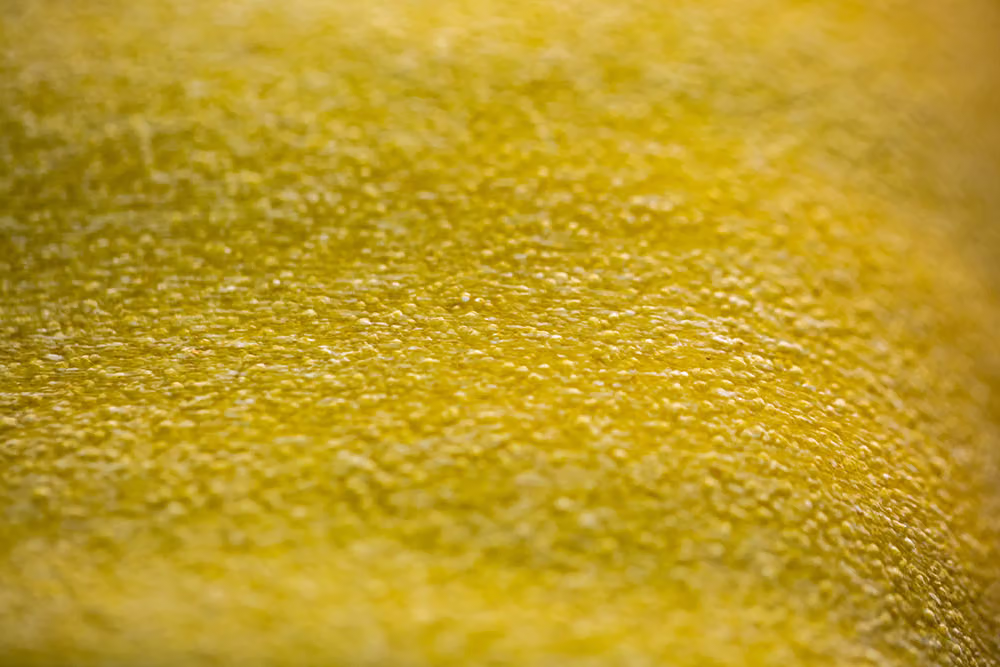
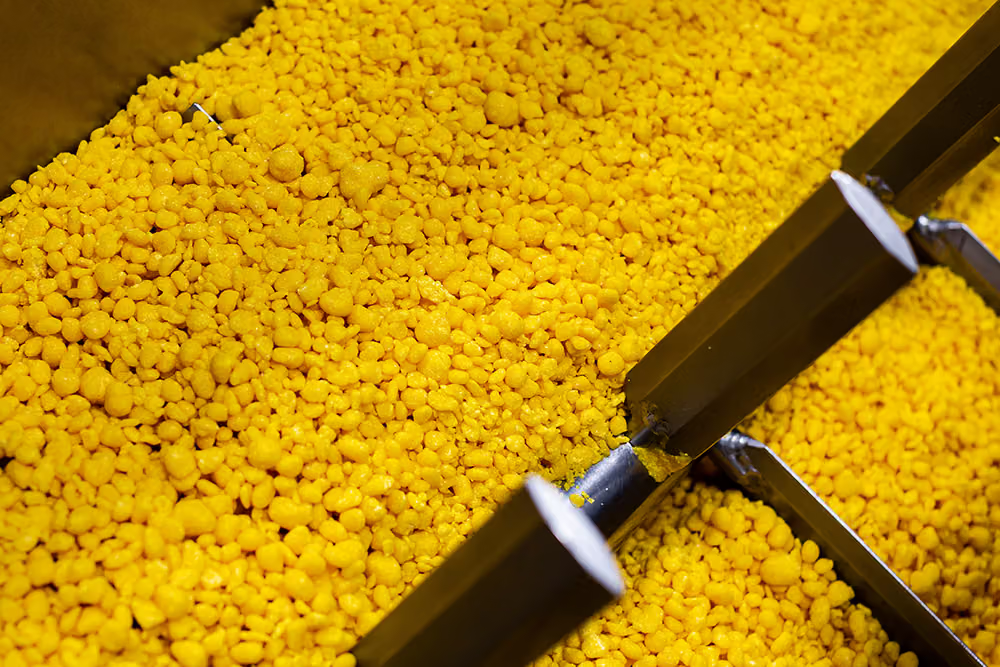
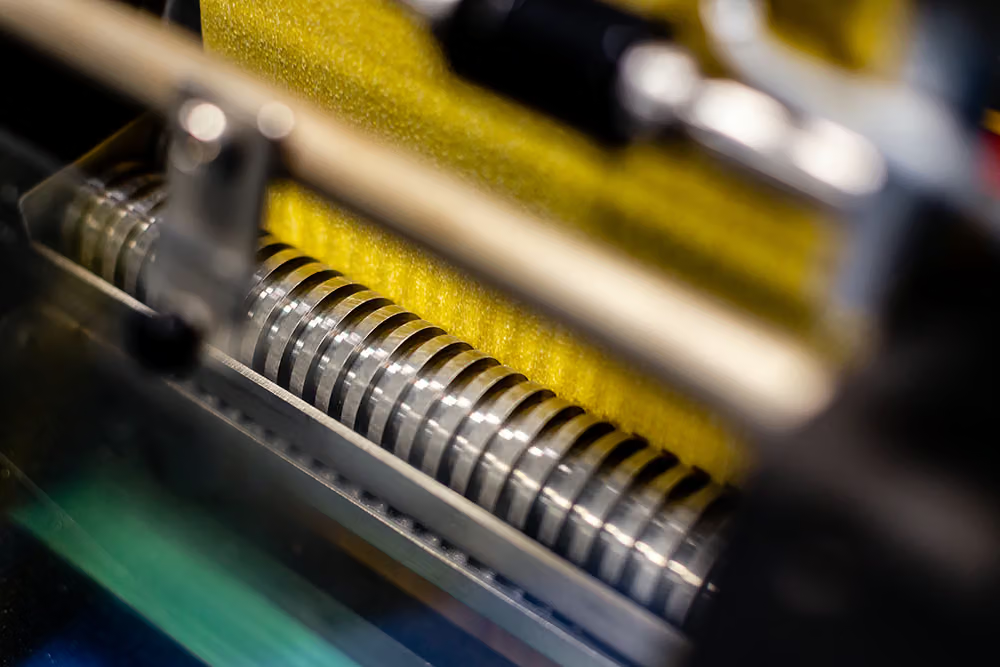
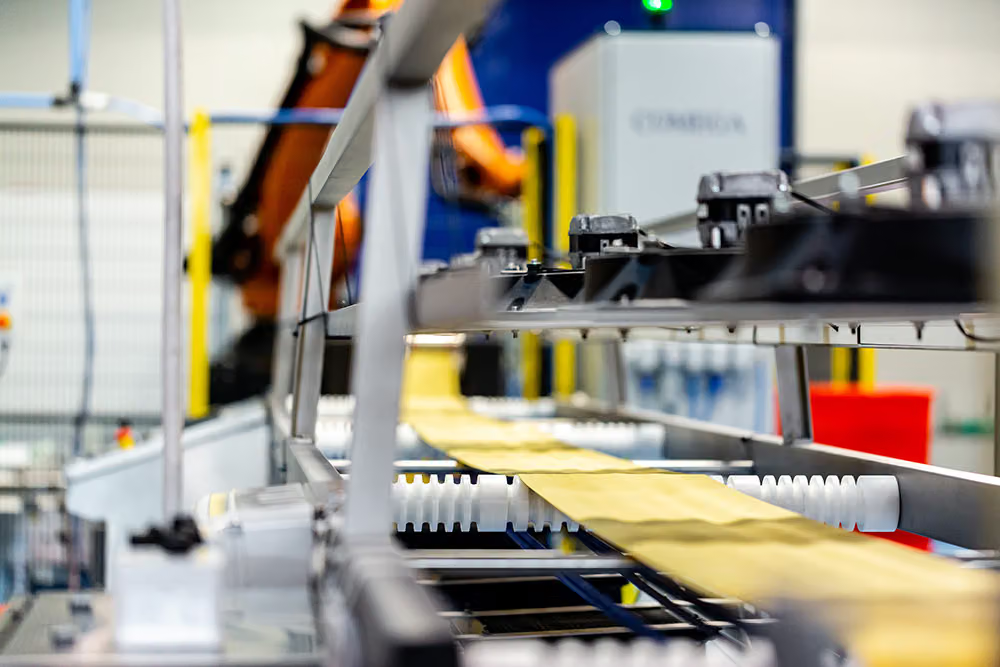
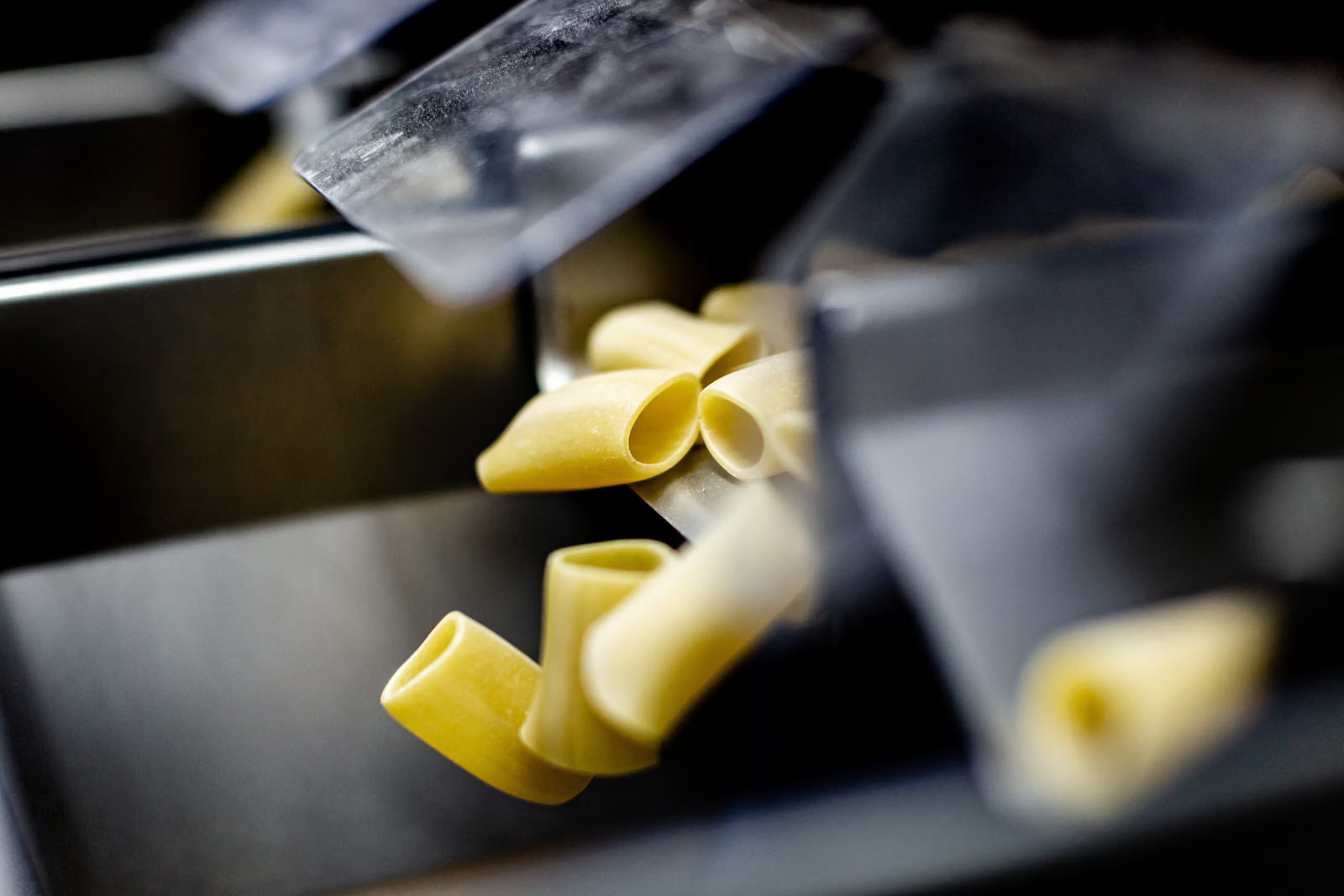
So metal fabrication expertise got transplanted into the pasta factory. Their mixers let each granule of coarse durum absorb an even ratio of water, achieving a softness that ordinary methods can't match. The dough for long pasta shapes goes through the rolling process only once, unlike the repeated rolling common among Italian mammas—Laura Mistretta says flatly that this seemingly meticulous technique actually damages the dough's structure. Spaghetti goes through no mold at all: the dough is flattened and shaped directly into strands, with no pressure or friction applied in the process. The result is that even after boiling for thirty to forty minutes, the noodles don't turn to mush—instead, after reaching a certain softness, they actually bounce back and firm up again. For restaurants that need to serve large volumes of customers at once, that means boiling times are practically foolproof. Short pasta shapes, meanwhile, are formed using special molds and low-temperature extrusion through food-grade alloy presses, likewise avoiding heat buildup and mechanical stress.