After a Stomachache, Tomoko Nagao Went Searching for Summer's "Mild-Tasting Drinks"
In the seventh installment of "Today's Kitchen Too," food writer Tomoko Nagao talks about how a bout of stomach trouble from an icy plum-shiso drink pushed her toward room-temperature, lightly flavored summer beverages—plus a kitchen habit of turning disposable chopsticks into stirring sticks.
The drink looked irresistible. Deep purple plum-shiso syrup, poured into a mason jar, packed with ice, brought as a gift to a friend working at a photo studio. The color was gorgeous, it looked perfectly cooling for summer, and Tomoko Nagao herself thought that year's shiso-plum syrup had turned out especially well. Not long after drinking it, her stomach started acting up.
It's a lesson she remembers clearly: know your limits with cold drinks. Ever since, she's been drinking mostly room-temperature water, barely touching anything ice-cold, and rarely reaching for sweet drinks. When cooking, Nagao has always paid close attention to the temperature at which food reaches the mouth—whether she's eating alone, hosting guests, or dining out, it's always on her mind—and she believes drinks deserve the same consideration. Once she got into the habit of never overdoing cold or sweet, she started to find something appealing about "hazy, mild-tasting drinks."
Over the past few years, she's gotten to know a photographer couple who split their life between two places—working in Tokyo, tending their family's rice paddies and vegetable fields back in Niigata. During busy farming seasons, they bring along the herbal tea she makes and drink it out in the fields—and even on scorching hot days, they skip the ice and drink it at room temperature. Nagao figures this is probably something they've learned from working outdoors: not too cold, not too warm, just right.
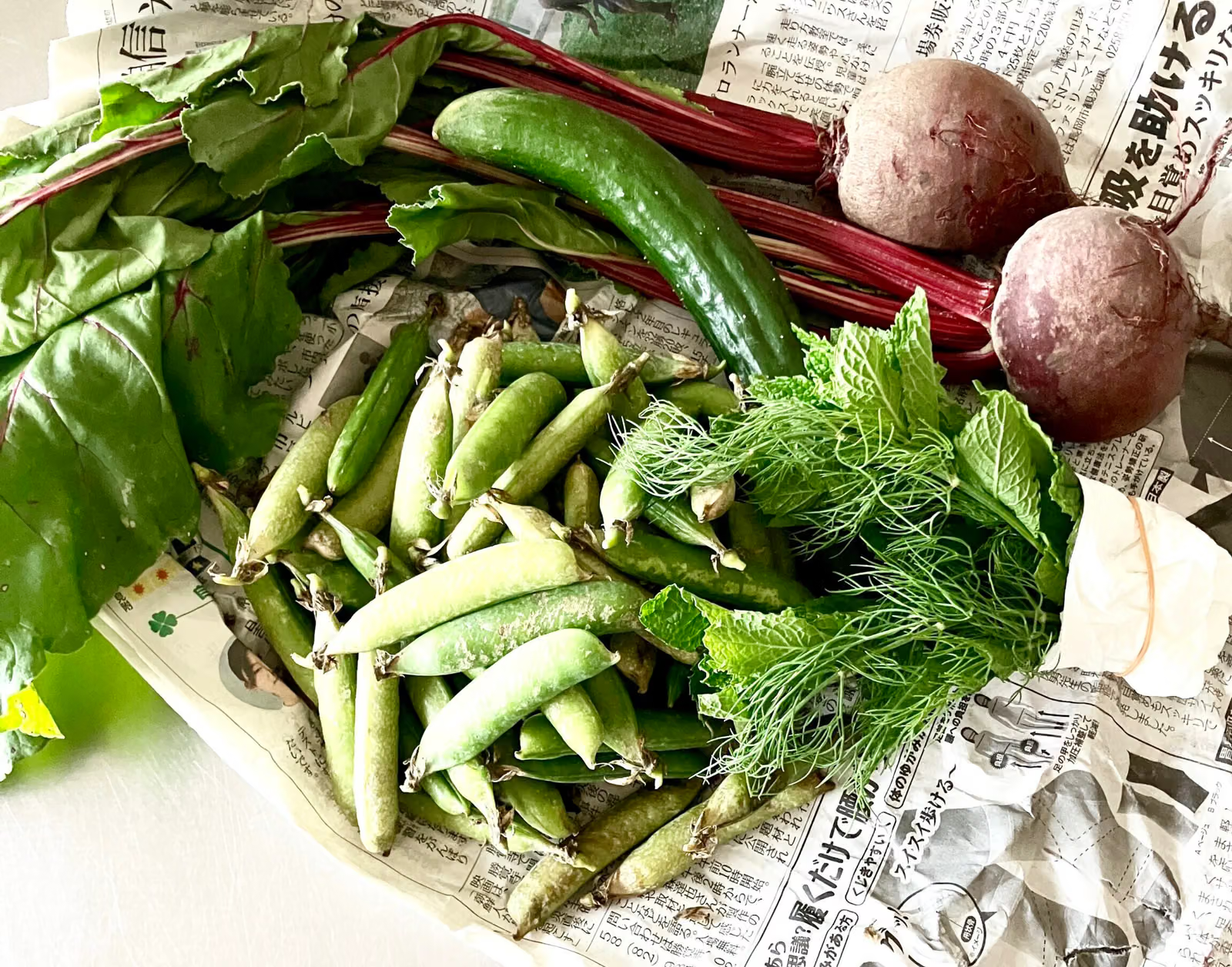
In late spring this year, this "photographer-farmer" couple (both of them photographers) sent a message saying they wanted to bring over their "last batch" of snap peas. The peas have an interesting backstory: before a spring shoot, Nagao had been looking for snap peas in the pod at her usual supermarket, and found only two bags left on the shelf—she grabbed them, relieved. When she opened them up, the peas were plump and nicely colored, and a few had already started sprouting shoots. She saved the sprouted ones, and the next day, when the photographers came for the shoot, she casually suggested they try planting them. That's how they ended up in a corner of that field in Niigata, growing into this batch of vivid green pods, delivered along with some cucumbers and beets.
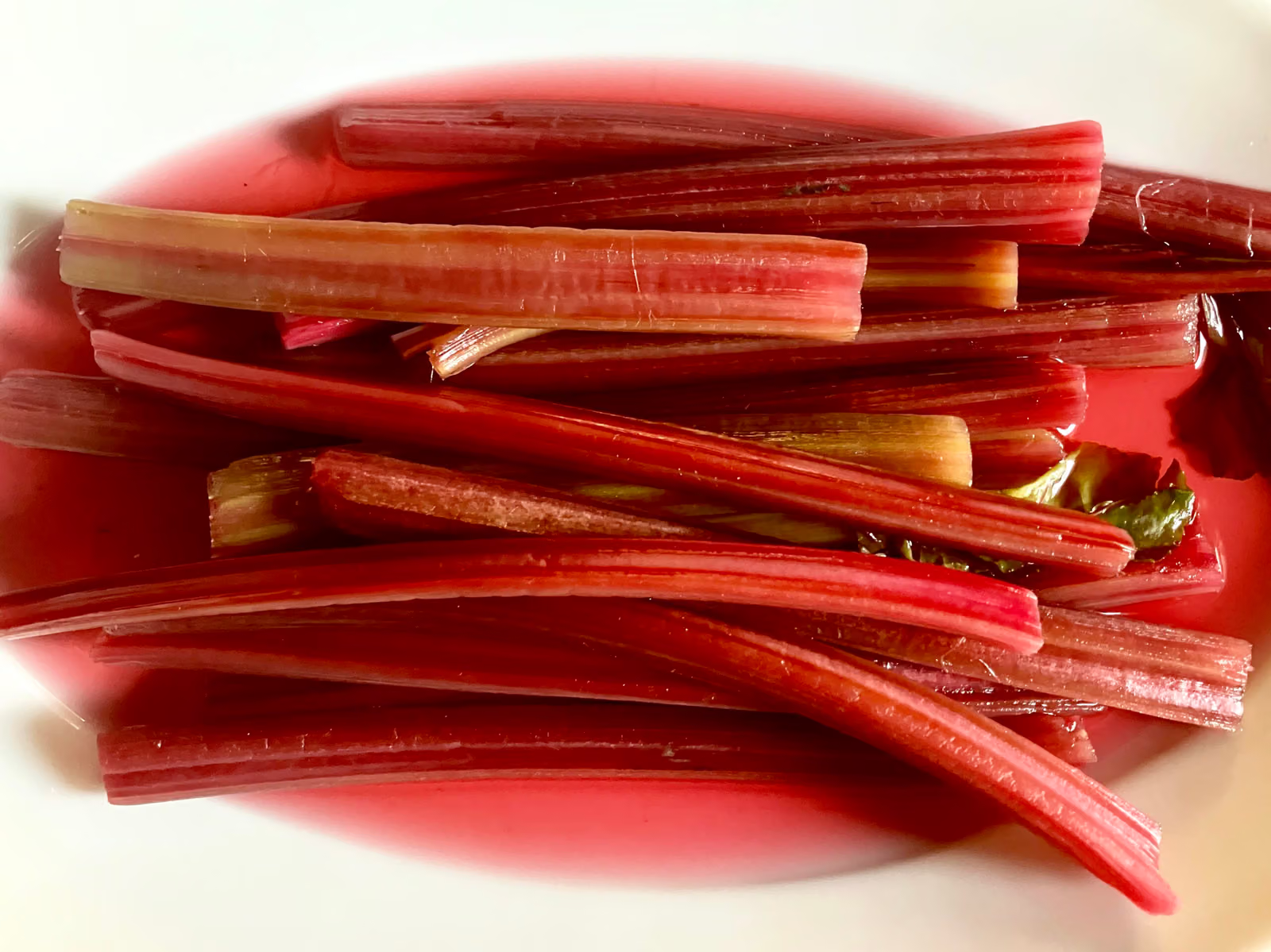
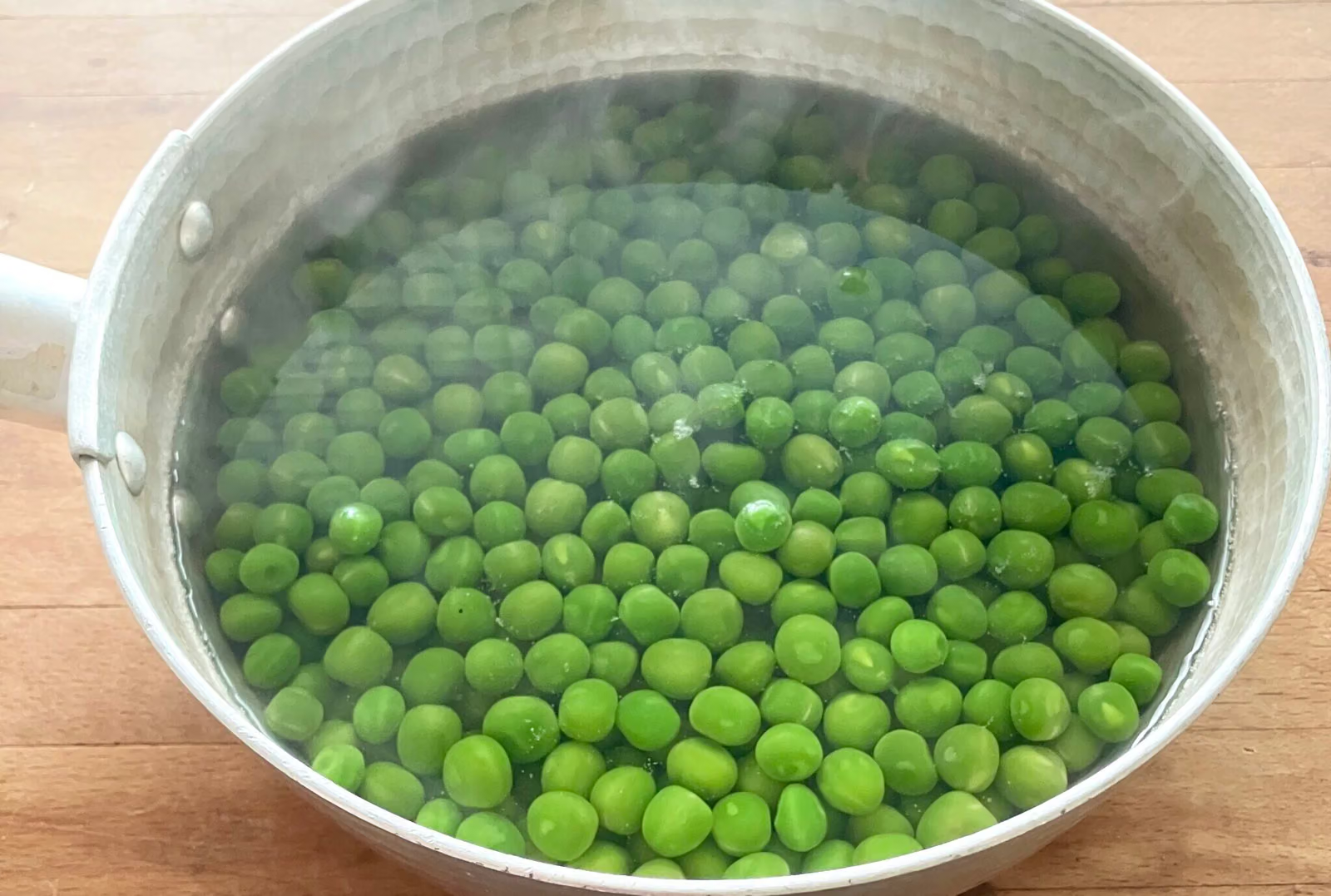
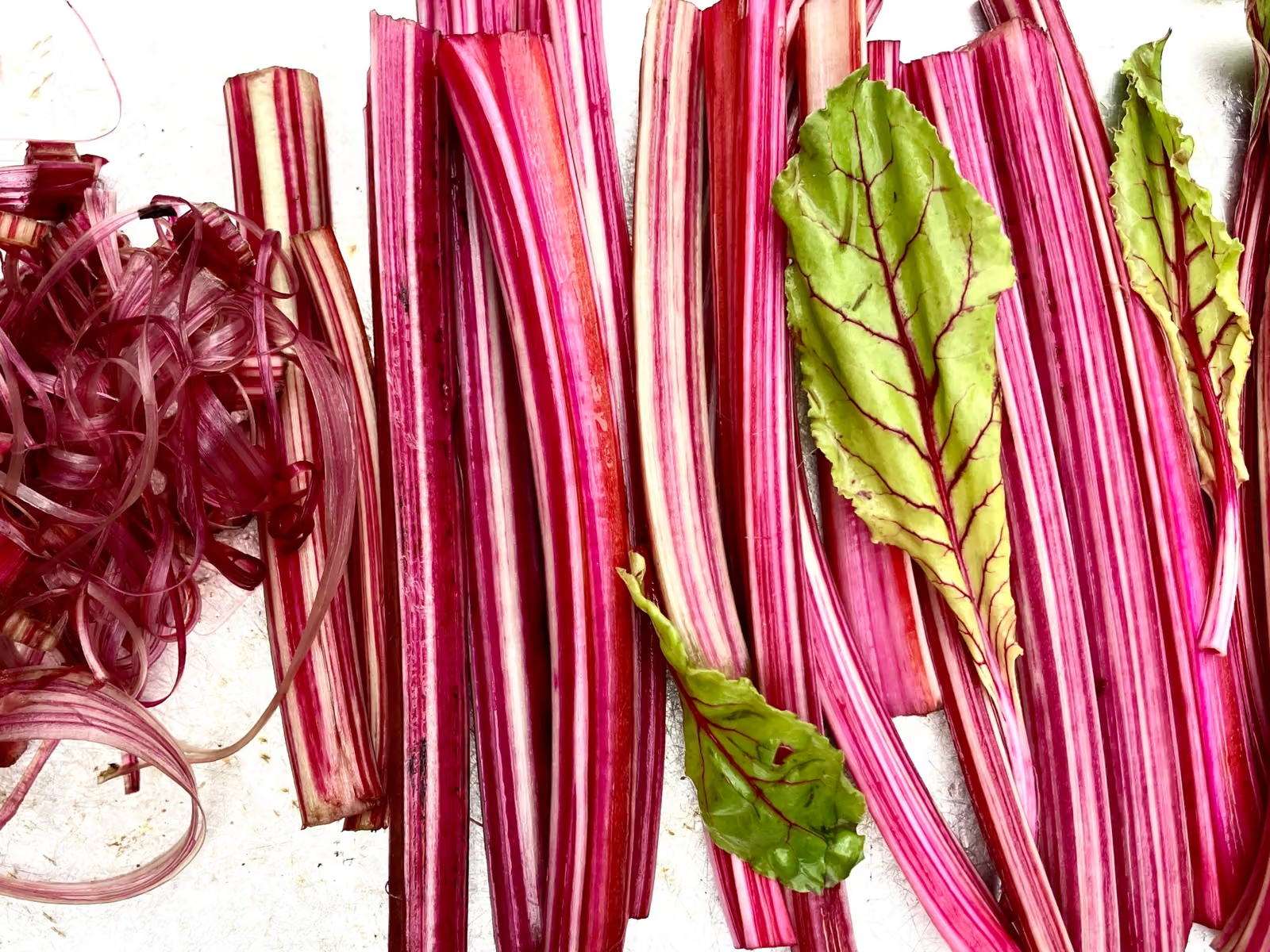
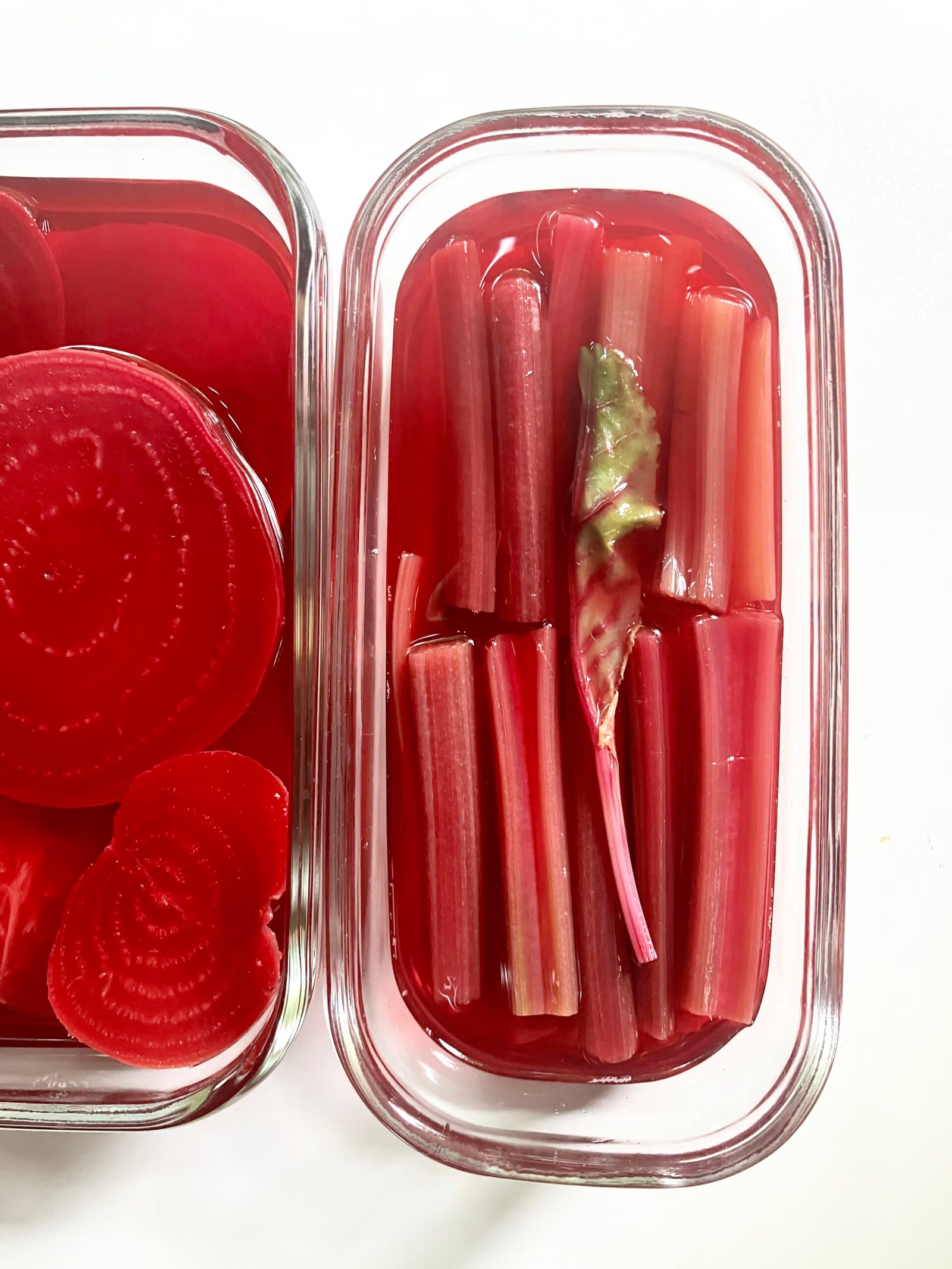
She simmers the peas until very soft—this, she believes, is the way to bring out their sweetness—and saves the cooking liquid to use in soups or salads. The beet greens are blanched and pickled in vinegar, while the leaves are tossed in olive oil and laid over chilled tofu. The stems have tougher fibers, so she strips them out the way she would with celery, and the thin fibers she pulls out curl up like ribbons; the water they're cooked in carries the earthy quality unique to beets, and can be sipped with just a touch of salt, chilled or not. As for the pea cooking liquid, she describes it as a pot of gentle, clear broth—the kind that naturally makes you think about what else you could add to turn it into a proper soup.
This whole chain of observations, from sprouted supermarket peas to beet cooking water, turned "hazy, mild-tasting drinks" into her summer homework this year—like how herbs and cucumbers steeped in cold water release their flavor and become a kind of herbal water, or how vegetable flavors can quietly seep into water, turning it into something like a light pickling liquid or a broth. She admits this homework is overdue, and it looks like there's still plenty left to write.
Another Use for Disposable Chopsticks
In the column, she also talks about a small kitchen habit: giving her little tools a "seat change." Nagao owns an absurd number of spoons—after a shoot wraps up, the sink is often piled with a whole batch of them, and even she finds it startling. Beyond that, she's stocked up on small whisks and rubber spatulas of various sizes too.
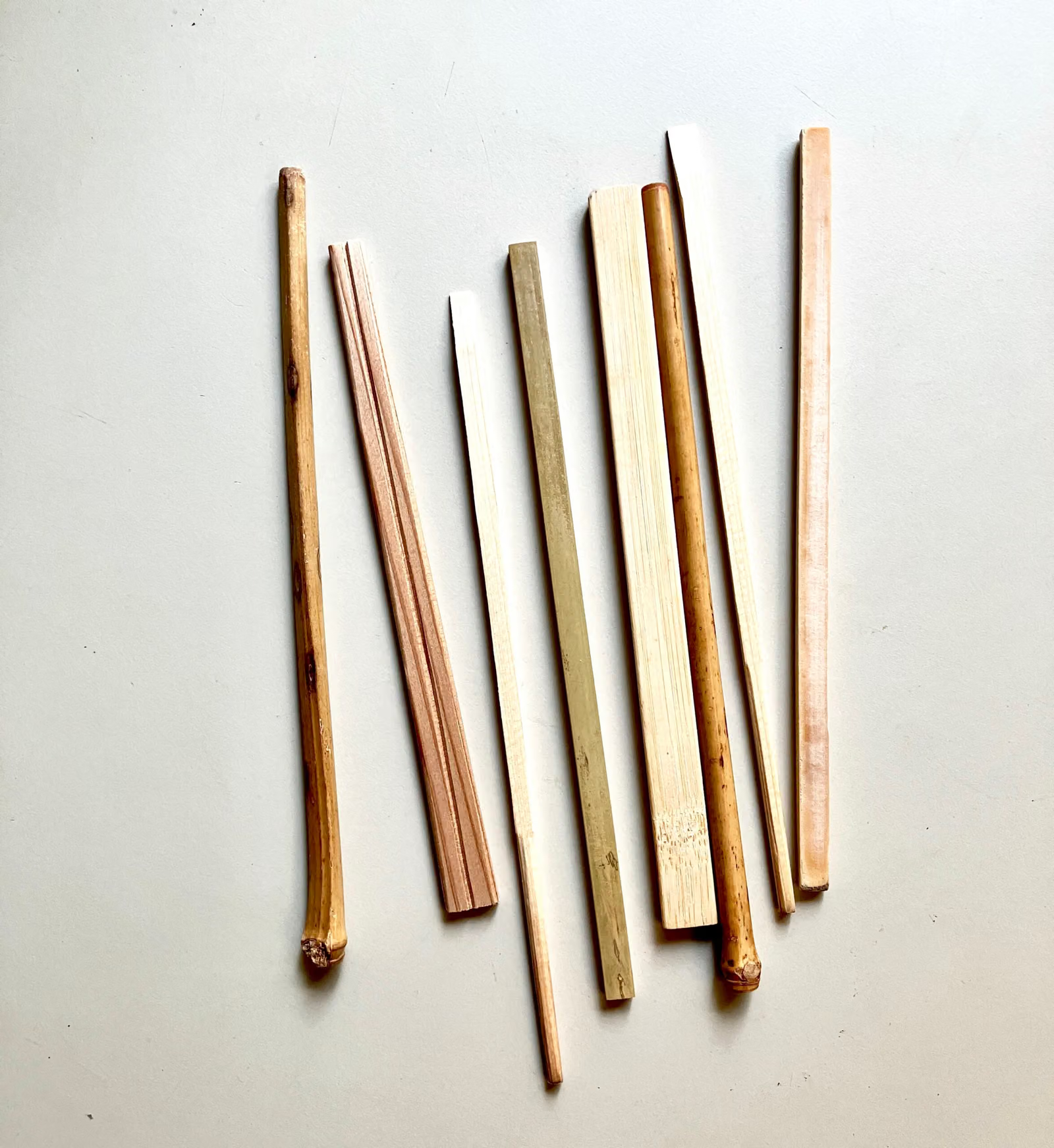
What she's reorganizing this time are disposable chopsticks and their "relatives." The thicker ones are actually the four bamboo sticks used to secure Toyama's masu-zushi containers—the bamboo-leaf-wrapped pressed sushi is held firm and shaped with them, and she's always found it a shame to throw them away after use. But her supply has now run out, so she says it looks like she'll have to buy masu no sushi again. What's left on hand includes some round bamboo chopsticks of unknown origin, a slightly wide bamboo strip, and unopened disposable chopsticks—all conscripted into this "stirring stick squad."
Disposable chopsticks are normally meant to be tossed after one use, but her method is to give things a quick stir, check the consistency and texture, then wash them clean, dry them, and reuse them next time. Thicker ones work better than thin ones—something you'll only know once you've tried it, she says. Use two together and they double as mini cooking chopsticks, both practical and economical. If you don't have a dedicated container for these little tools at home, her suggestion is to find an empty jam jar, stick the chopsticks in, and keep it within reach.