Oura Ring 5: compare volume, sizing, 6–9-day battery life and membership before buying
The fifth generation reduces overall volume by approximately 40% and changes the available size range. Full software features still require an active membership.
Oura Ring 5 wearable devices continue to shrink into the shape of a ring: there is no screen on the wrist, and sleep, activity and body indicators are read through mobile applications.
Official data points out that compared to Ring 4, the fifth generation is approximately 40% smaller in size.
This refers to the overall volume. It cannot be directly written as a 40% reduction in thickness, nor can it be judged by just a percentage to determine whether it is more suitable for everyone to wear.
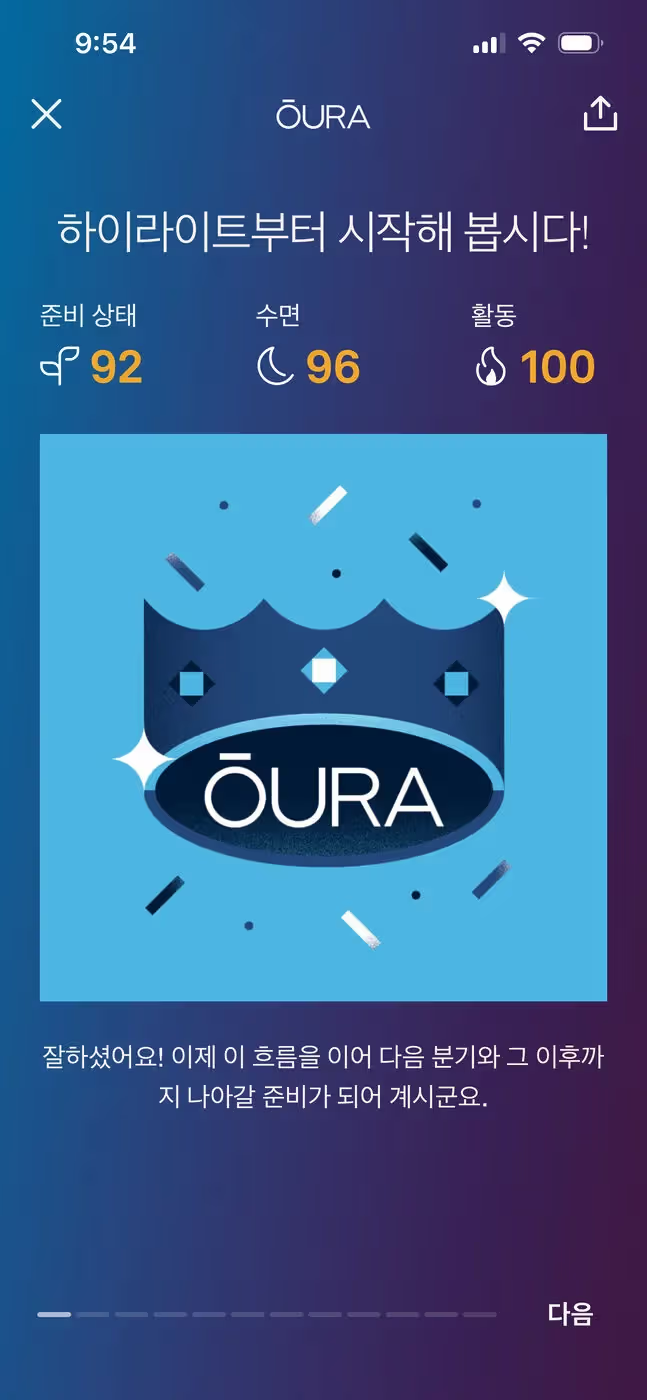
A summary screen of the Oura application shown in the public review.
The size has become smaller, but the ring size still needs to be re-confirmed
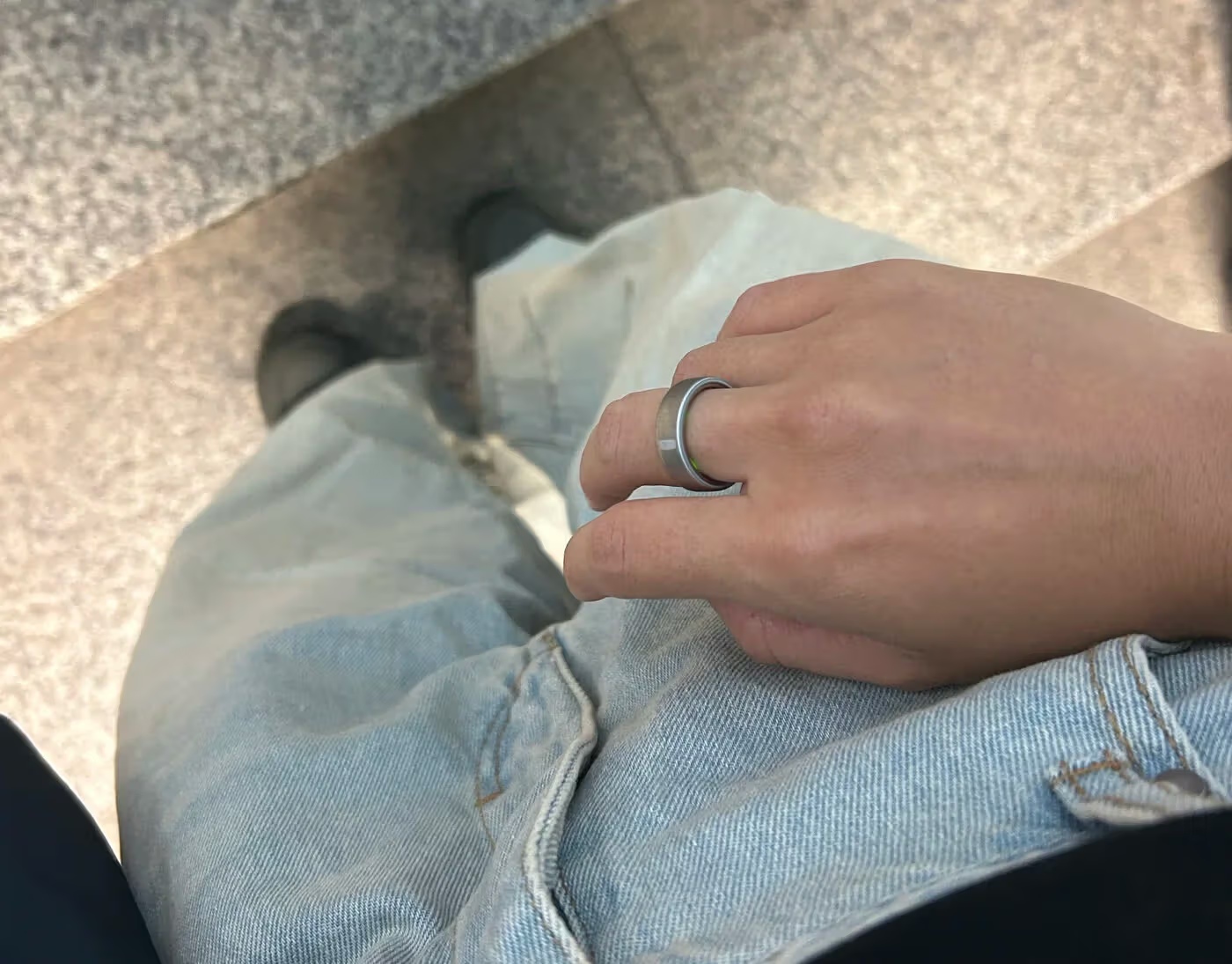
Ring 5 has a titanium structure and is available in six finishes: Black, Silver, Stealth, Brushed Silver, Gold and Deep Rose.
The available sizes are from sizes 6 to 13, which is different from the previous generation range; the official also reminds that the sizes of different generations are slightly different, and you should use the corresponding try-on tool to confirm.
A ring cannot be adjusted throughout the day as easily as a watch strap. Fit affects comfort and sensor contact, so consider work, sleep and hand movement when choosing a size. A jewelry ring size or a photograph alone cannot confirm the correct fit.
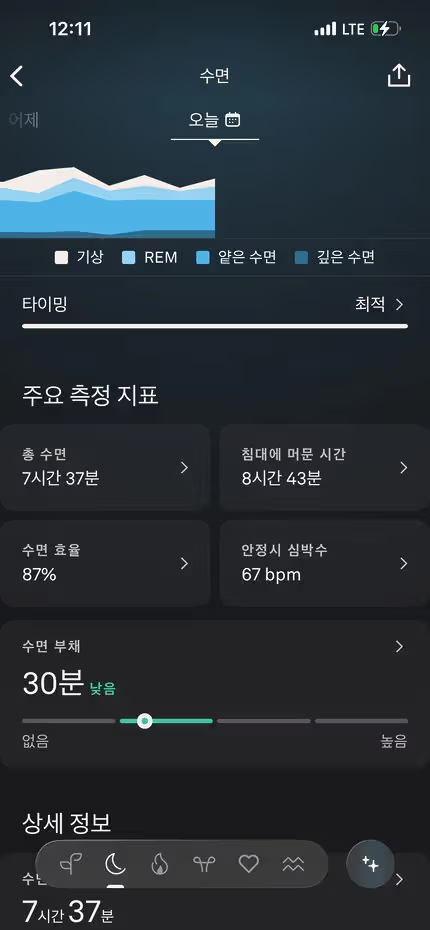
The Oura sleep interface example shown in the public review was not measured by this publication.
6 to 9 days is a typical battery life, not a fixed number of days each time
The officially listed typical battery life is about 6 to 9 days. The actual battery life will be affected by the ring size, settings, function usage, activity and battery status. Charging takes about 80 minutes.
These conditions should be looked at together when comparing, and the maximum number of days should not be taken as a guarantee for all sizes and uses.
If you are used to charging your watch every day, the charging rhythm of the ring may be different, but you still need to schedule the charging time.
People who want to see the data at night can first think about when they usually take off the ring during waking hours, rather than waiting until bedtime to find out that the battery is low.
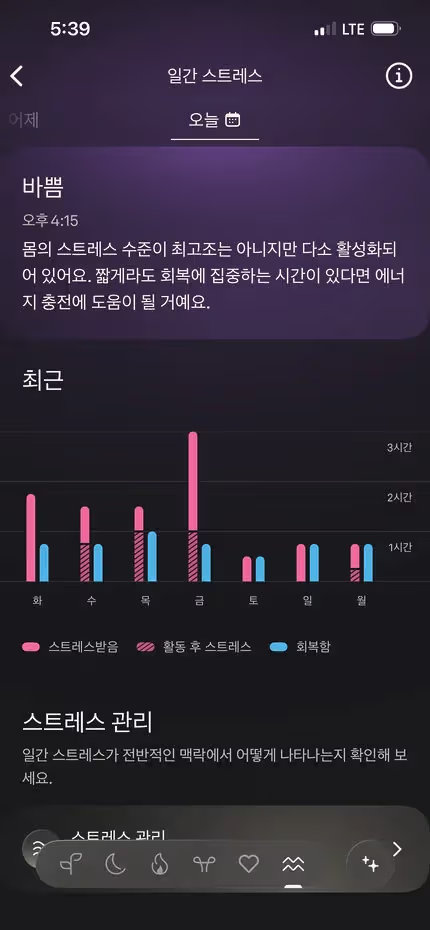
An example of the Oura pressure interface shown in the public review.
There is no screen, the data needs to be returned to the mobile phone to read
There are optical sensors, temperature change sensors and accelerometers in the ring, and the software converts the signals into readable trends.
The lack of a screen makes the appearance closer to a general accessory. It also means that it is not responsible for displaying the complete value on the finger, and the usage experience is different from that of a sports watch.
Sleep, stress and activity data are suitable for observing long-term changes, while single-day scores need to be put back into context in your own life.
These estimates cannot be directly equated to disease diagnosis, nor are they suitable for setting the same sleep time or activity goals for everyone just because of a score.
In addition to the hardware price, we also need to look at the complete membership functions
Officially, detailed sleep, heart rate, stress and partial analysis are included in the valid membership functions, so the purchase cost is not just a ring.
Read before comparingRing 5 official specifications, and confirm membership content, charges and available services on the local purchase page to avoid mixing plans in different regions.
People who have already used an Oura account should also confirm how the original membership and information will be used before deciding whether to upgrade.
Whether it is worth upgrading can come back to three specific questions: whether the new size is more suitable, whether the original battery life is a problem, and whether you really continue to read the software analysis.
The focus of Ring 5 is to combine sensing with a low-interference form factor, rather than replacing all wearable devices.
By comparing ring size, battery life and continued use costs separately, it will be easier to find answers that fit your daily habits than just looking at the name of the new generation.