Shanghai's Cold Noodle Map for Beating the Heat: Korean Hamhung Naengmyeon vs. Shaanxi Liangpi, How to Choose
The same bowl of cold noodles plays by different rules at Hongqiao's Koreatown, Northeastern-style joints, and Shaanxi liangpi stalls. We've rounded up seven spots to see how starch noodles, buckwheat noodles, and sauce-tossed noodles go head-to-head in Shanghai's summer.
There's no single standard for cold noodles in Shanghai's summer. Hongqiao's Koreatown serves up chilled beef bone broth with starch noodles, Northeastern restaurants run their own thickened-sauce version of cold noodles, Shaanxi natives insist liangpi must be freshly steamed and cut, and the Japanese bring their restrained buckwheat dipping-noodle style to the table. The same request for "a bowl of cold noodles" means something completely different depending on which shop you walk into.
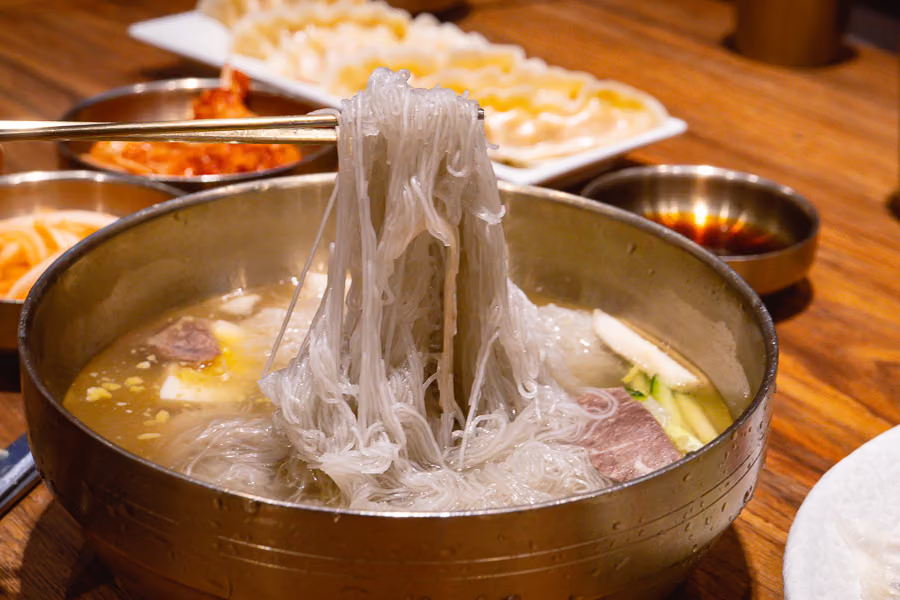
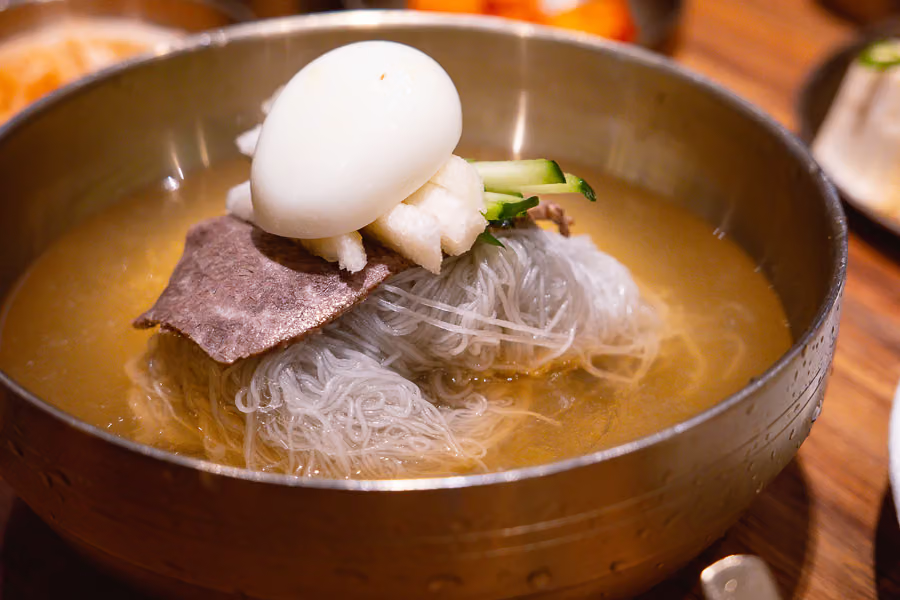
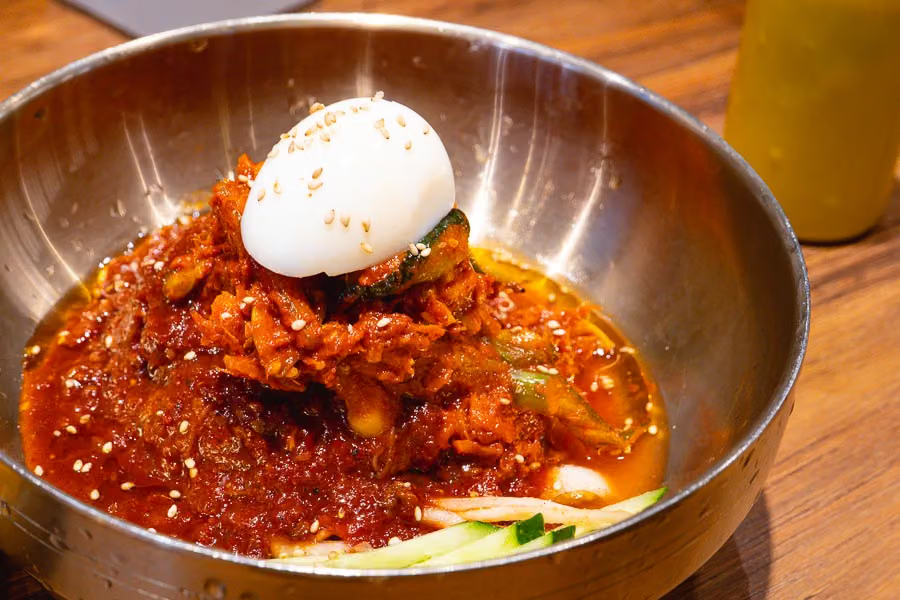
Let's start with the starch noodle camp. At Hongqiao's Korean restaurant Baowoding, the Hamhung Naengmyeon (¥40) uses noodles made from a buckwheat-and-potato-starch blend, freshly pressed daily on their own noodle press. The noodles are thin and chewy, soaked in chilled beef bone broth alongside julienned cucumber and radish, sliced pear, thin-cut beef, and a hard-boiled egg, plus complimentary side dishes. A spicy version is also available, but the clean flavor of the original broth is more appealing. Lao Daowai Xiaoyoubing Shaguoju, a Northeastern restaurant in Hongqiao, follows an entirely different starch noodle logic. Their Jiamusi Xingxing Cold Noodles (¥28) also pair bone broth with potato starch noodles, but the noodles are noticeably thicker than Hamhung-style, served with spicy pickled cabbage, julienned cucumber, cilantro, tomato, and a hard-boiled egg. This dish takes its name from Jiamusi in Heilongjiang, and similar versions can be found at most Northeastern restaurants like Dongbei Sijijiaoziwang. Doufucun has also developed its own version of Northeastern cold noodles.
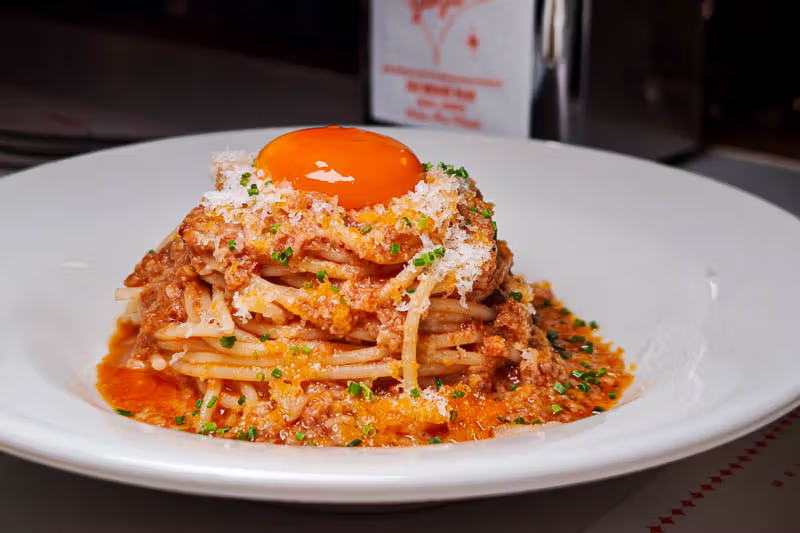
Another variation on Korean cold noodles can be found at Hanro, an upscale Korean BBQ restaurant. Known for its dry-aged beef and pork, Hanro's tossed cold noodles (¥78) are also worth ordering—the noodles are a specific brand of chive noodles with a naturally vivid green hue, reportedly the same kind used by Korean Michelin restaurants and popular eateries. The chilled beef bone broth is seasoned with dongchimi kimchi and topped with kimchi, delivering a tangy, refreshing bite. Doufucun also offers a wellness-oriented soy milk noodle soup (¥38), where the soy milk broth is thick, closer to a sauce than a clear soup, with a mild flavor—pairing it with the side dishes is essential to bring out the taste. High in protein, it's arguably one of the healthier options on the cold noodle spectrum.
Sauce-Tossed and Buckwheat: Another Route to Beating the Heat
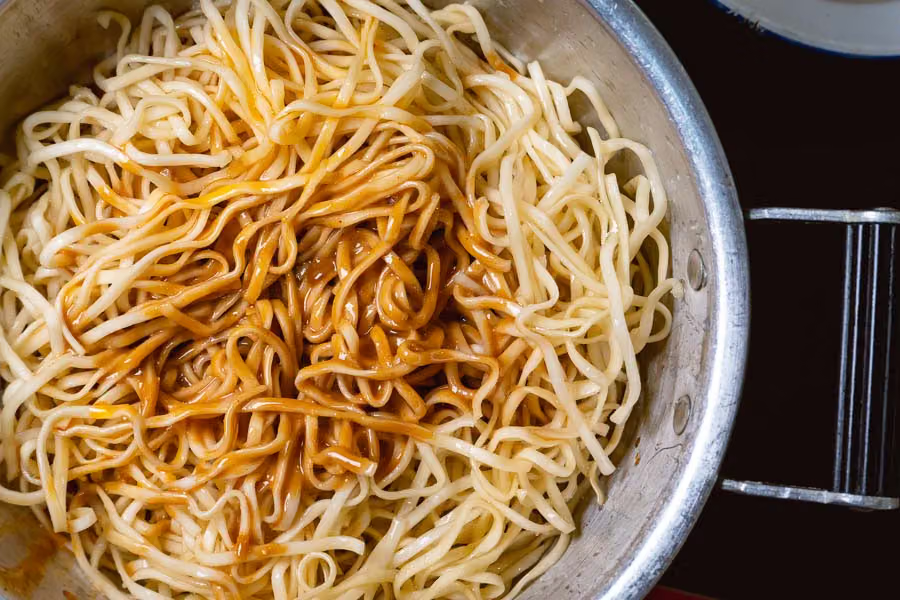
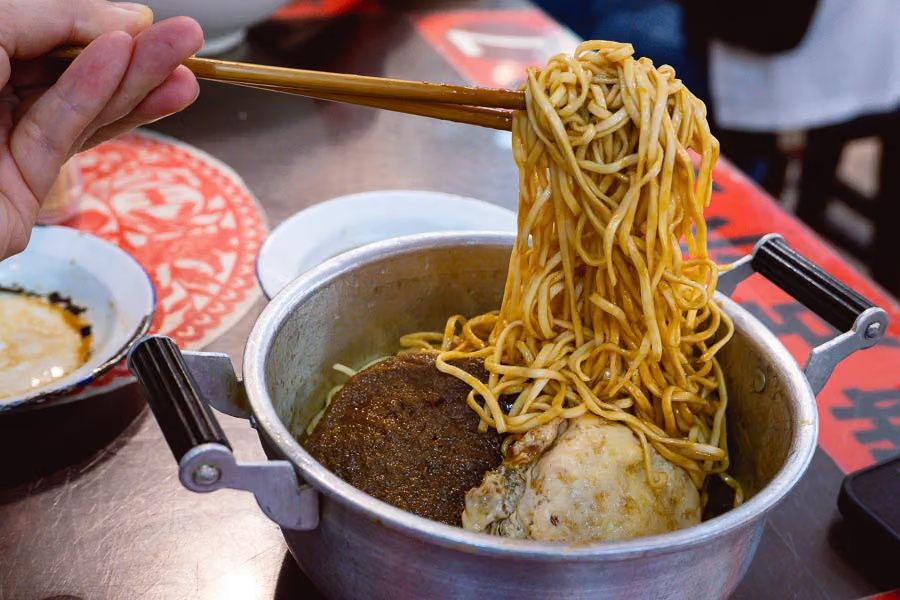
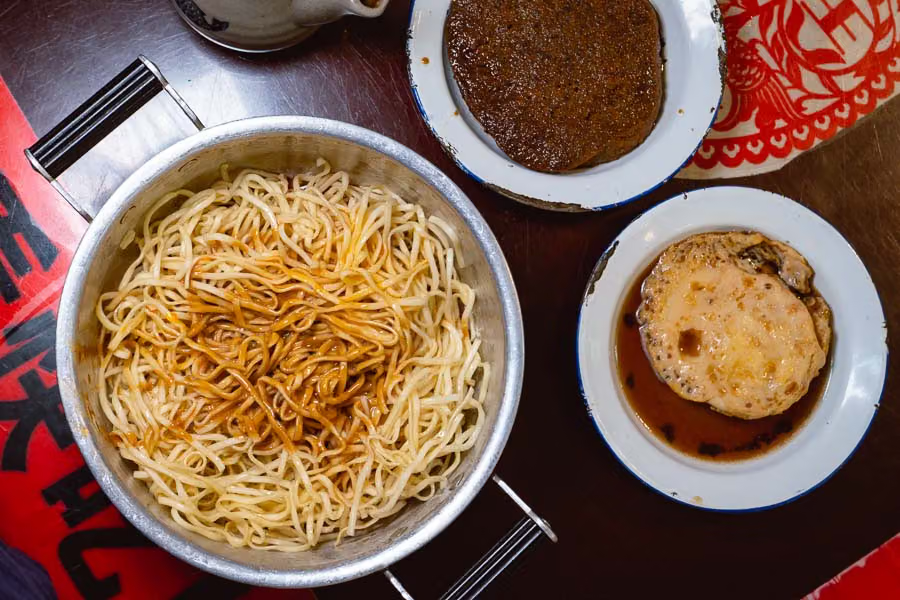
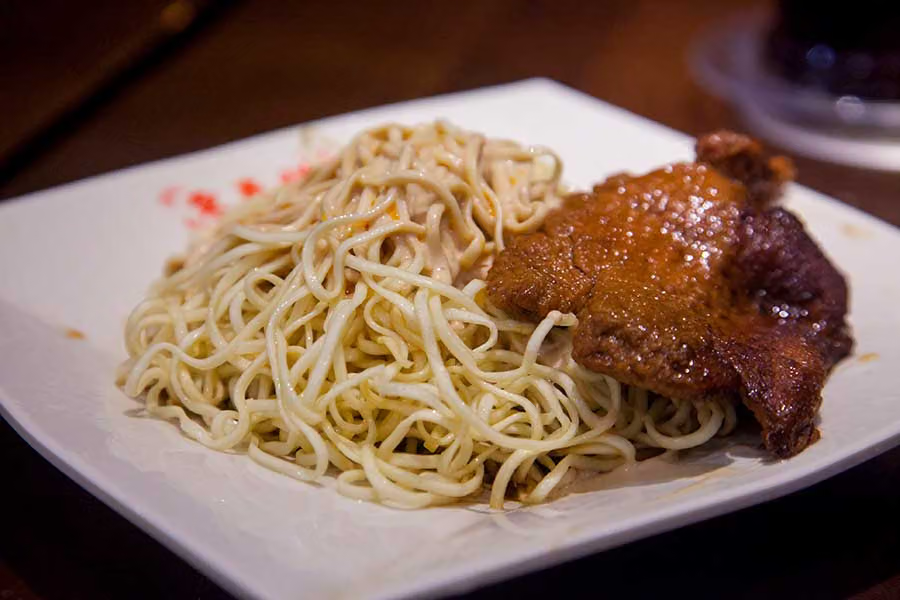
Shanghai-style cold noodles follow a completely different logic: the noodles are cooked slightly firm, then tossed with sesame paste and julienned cucumber. Some shops use a mixed sesame-and-peanut paste, with ratios varying by establishment, and soy sauce, vinegar, or chili oil may also be added. Yiguihe Noodle House is one of the more meticulous spots doing this—and it's not cheap either, with a bowl of cold noodles running ¥29. But both the soy sauce and noodles are house-made, and the difference shows in their peanut-paste-based cold noodles. Add gluten puffs or a poached egg for ¥7 each, drizzled with their house-made soy sauce. Their yangchun noodles are equally famous. Beyond dedicated noodle shops, Dongtaixiang, known for various Shanghai snacks, and Meixin Dim Sum, typically famous for tangyuan but known in summer for its cold noodles, also serve up their own versions.
Buckwheat cold noodles are the signature dish at Sobadou Japanese restaurant, where the dipping sauce options are almost overwhelming—beyond the traditional bonito soy dipping sauce (¥38), there's also black curry sauce (¥48), duck broth, and walnut sauce versions. The noodles are thick and springy, and can be paired with tempura (¥78) or rice dishes. For another buckwheat option, Soba Monbei, a self-owned chain that opened in Shanghai back in 2007, has a location in Xintiandi that's more conveniently located.
The liangpi lineage comes from Shaanxi and China's northwest, where the noodle sheets are extracted from wheat starch, prized for their translucency, flatness, and springy bite. Yuncuifang Liangpi on Jiangsu Road was once ranked #1 in its category on Dazhong Dianping's "Must-Eat List." Both the liangpi (¥19) and gluten puffs are house-made, with the gluten puffs carrying a fermented aroma, tossed together with julienned cucumber, roasted walnuts, sunflower seeds, chili oil, and vinegar. Unfortunately, this shop has since closed. Xinjiang restaurant Xierba's liangpi (¥30) is another option, featuring house-made noodle sheets paired with chili oil, crispy chili flakes, vinegar sauce, tofu, and shredded vegetables—remember to toss everything together before scooping it into your bowl.
Lao Daowai is located at No. 375 Hongzhong Road, tel. 13701654777, open daily from 10:30am to 2:00pm and 5:00pm until late; for other shops' exact addresses and hours, please check their respective Dazhong Dianping or official pages for the latest information.