Toray’s centenary at Tokyo Textile Scope: connecting fabric development with finished clothing
A look back at Tokyo Textile Scope, held October 14–16: Toray connected its materials with DAIRIKU and IRENISA clothing and previewed ARTIROSA CX for autumn/winter 2027.
A change in clothing sometimes begins with a piece of fabric behind the rail. The fourth Tokyo Textile Scope, held in Hamamatsucho from October 14 to 16, 2026, brought textile development into a design setting. Toray used its centenary to bring different divisions together and explore the relationship between synthetic fibres and everyday life. The exhibition has ended; this is a review of its material announcements and presentation, rather than a guide to an event still open to visitors.
Why put finished clothes at the front of a textile exhibition?
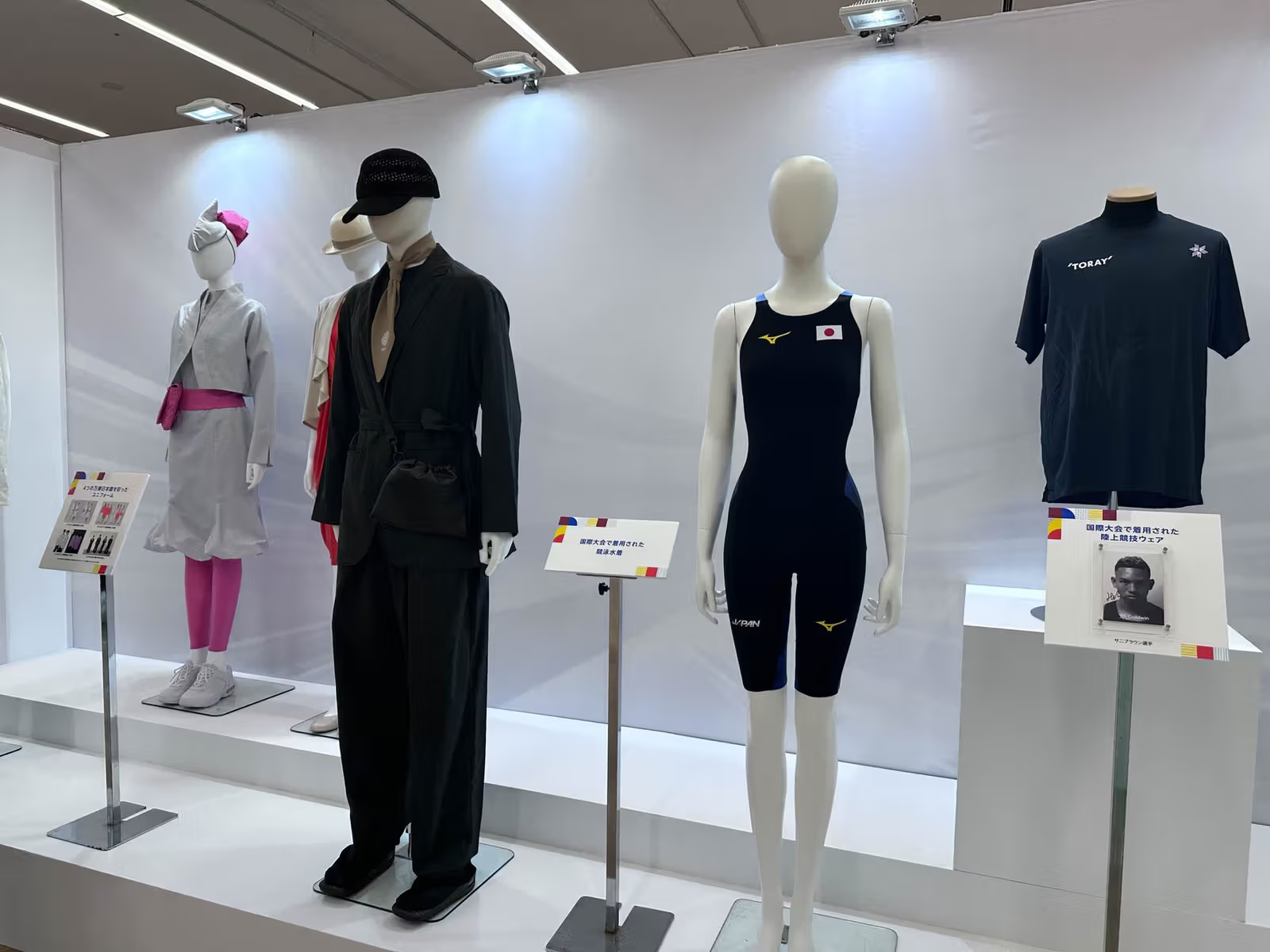
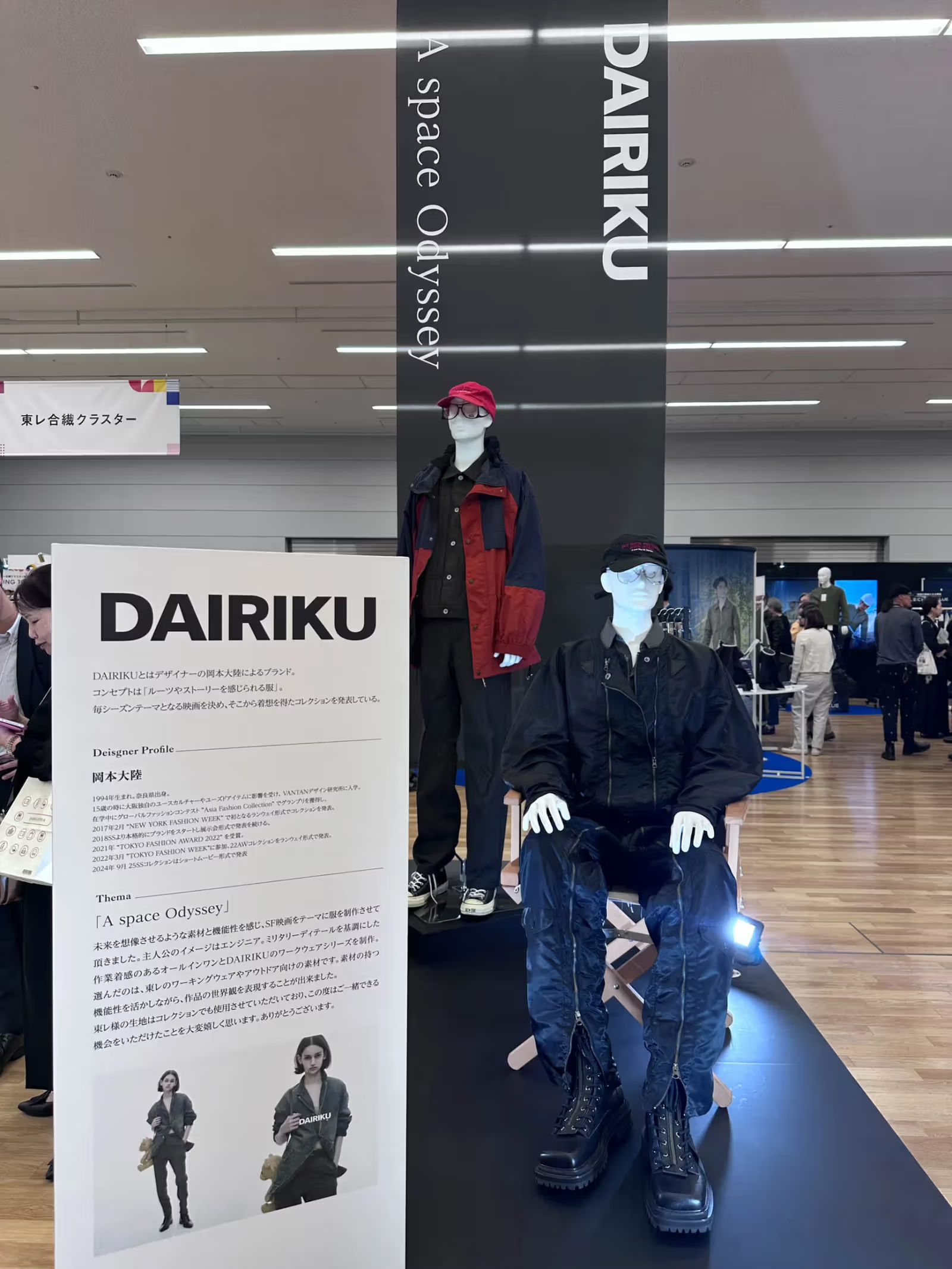
Toray presented “Beyond GOUSEN, Change our Lives” on the fifth floor of the Tokyo Metropolitan Industrial Trade Center’s Hamamatsucho venue. Instead of simply lining up fabric cards, it included clothing and collaborative contexts from labels such as DAIRIKU and IRENISA. Visitors could begin with silhouette, drape and styling, then return to the textile’s construction and properties. Material became more than a term within a supply chain.
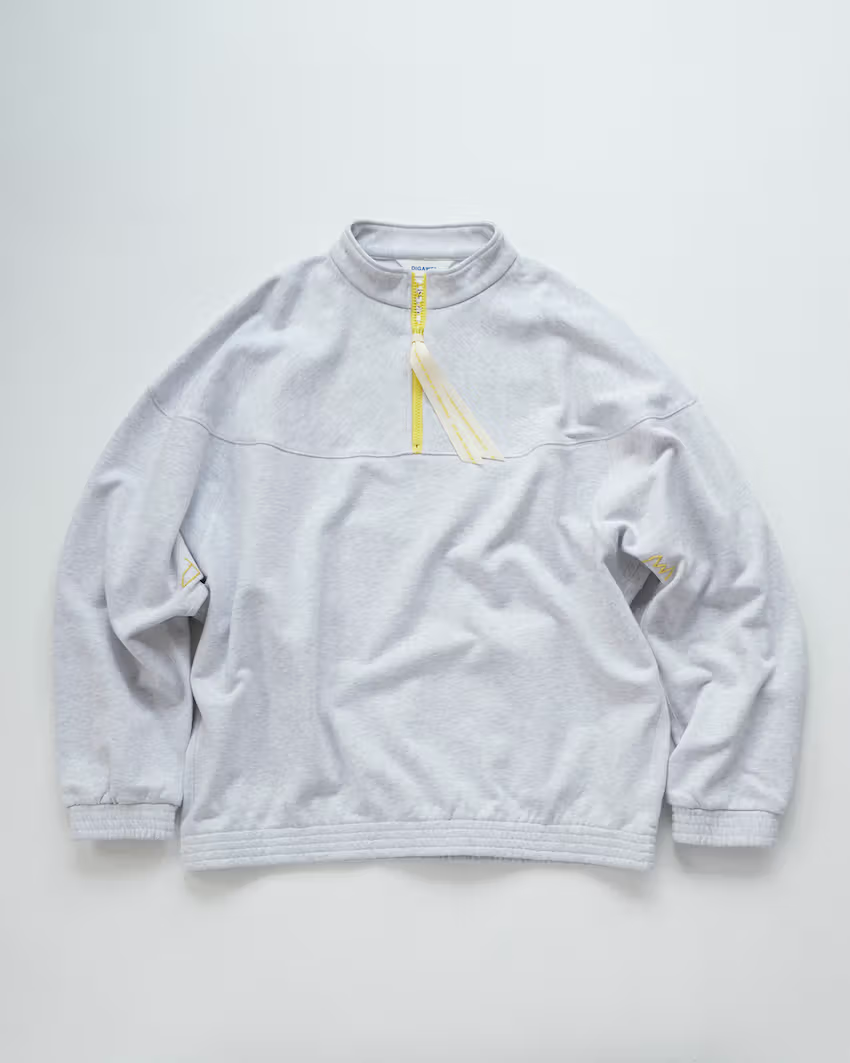
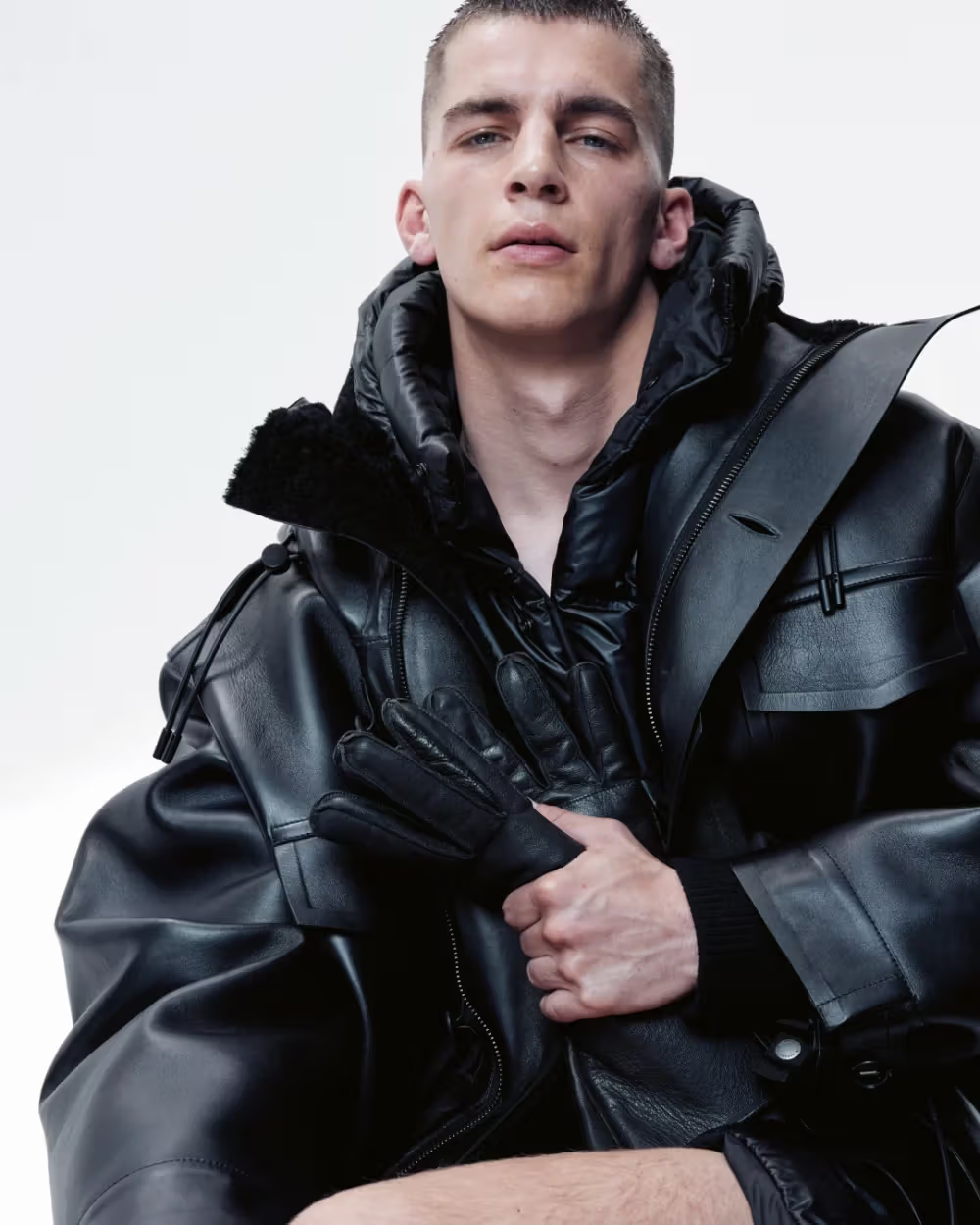
DAIRIKU clothing shows how materials become styled garments.
That sequence is useful for anyone looking at clothing. Even within synthetic fibres, a shirt’s required crispness, a trouser’s shape in movement and an outer layer’s surface sheen differ. A fibre name cannot answer every question at once. Moving from finished garments back to swatches makes abstract properties more concrete as design decisions, although exhibition images cannot establish feel, abrasion resistance or wearing comfort.
ARTIROSA CX points towards autumn/winter 2027
The ARTIROSA CX introduced at the exhibition combines polyester and nylon, with at least 93% recycled raw material, and is intended for supply from autumn/winter 2027. That is a development and commercialisation timeline for an upstream material, rather than an announcement of finished garments already selling under the same name in October 2026. The recycled proportion describes this particular material’s composition; it does not establish verified environmental benefits throughout an entire garment’s life cycle.
For brands and designers, further questions concern surface appearance, processing conditions, available colours and minimum orders. Consumers will need the labels on eventual finished products to identify which garments use it. Separating material-development previews from retail products explains why design, sampling and manufacturing still stand between a textile show and a future wardrobe.
A centenary provides another way to read familiar synthetics
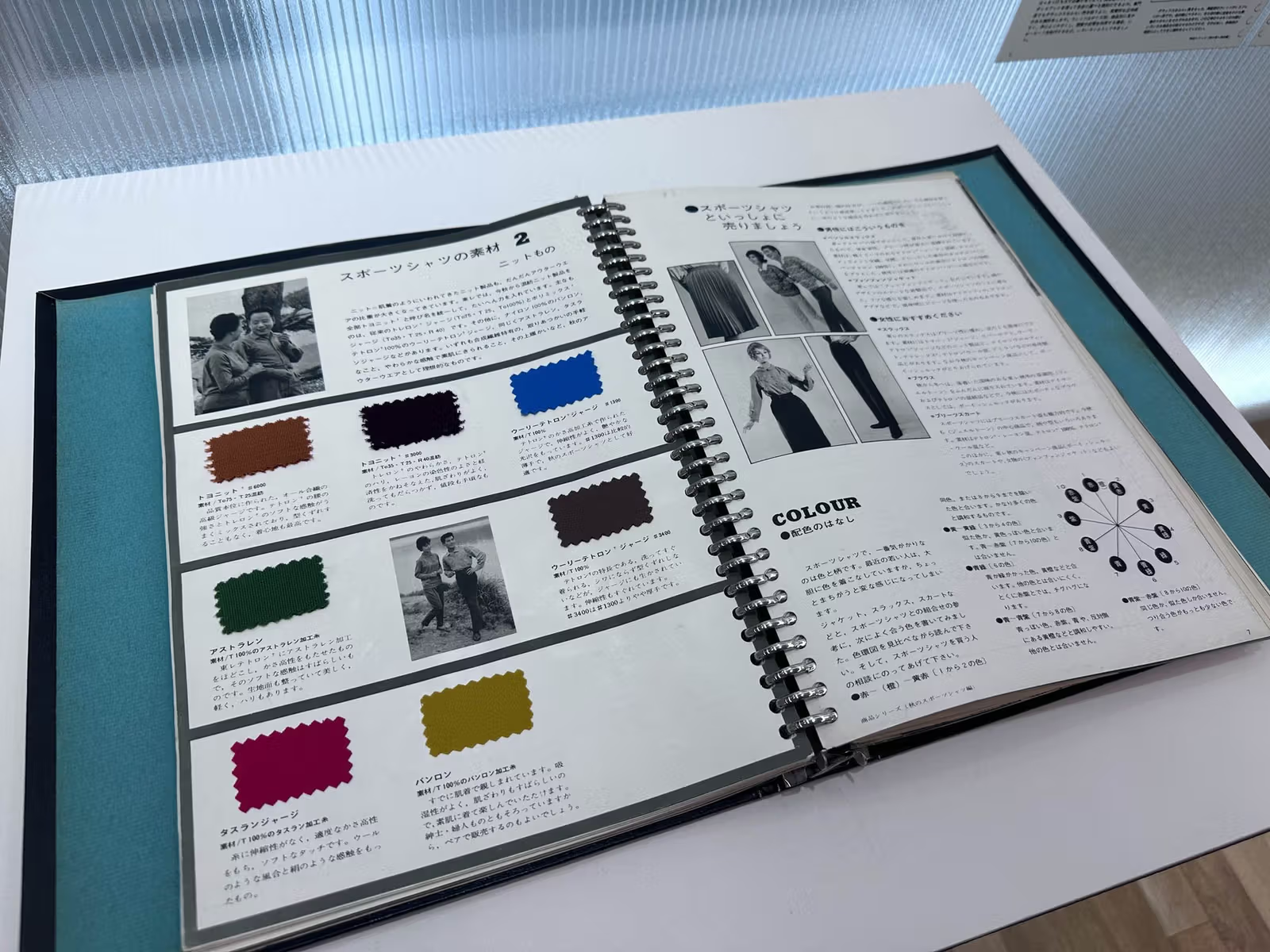
The display was not confined to the future. Toray’s history, sports clothing and materials such as Ultrasuede placed fibre development beside the ways different eras used it. From an earlier pursuit of utility to today’s combined demands for appearance, processing and resource choices, materials keep acquiring additional jobs. Garments and swatches together suggested that a technology also needs to be understood through the object in which it is used.
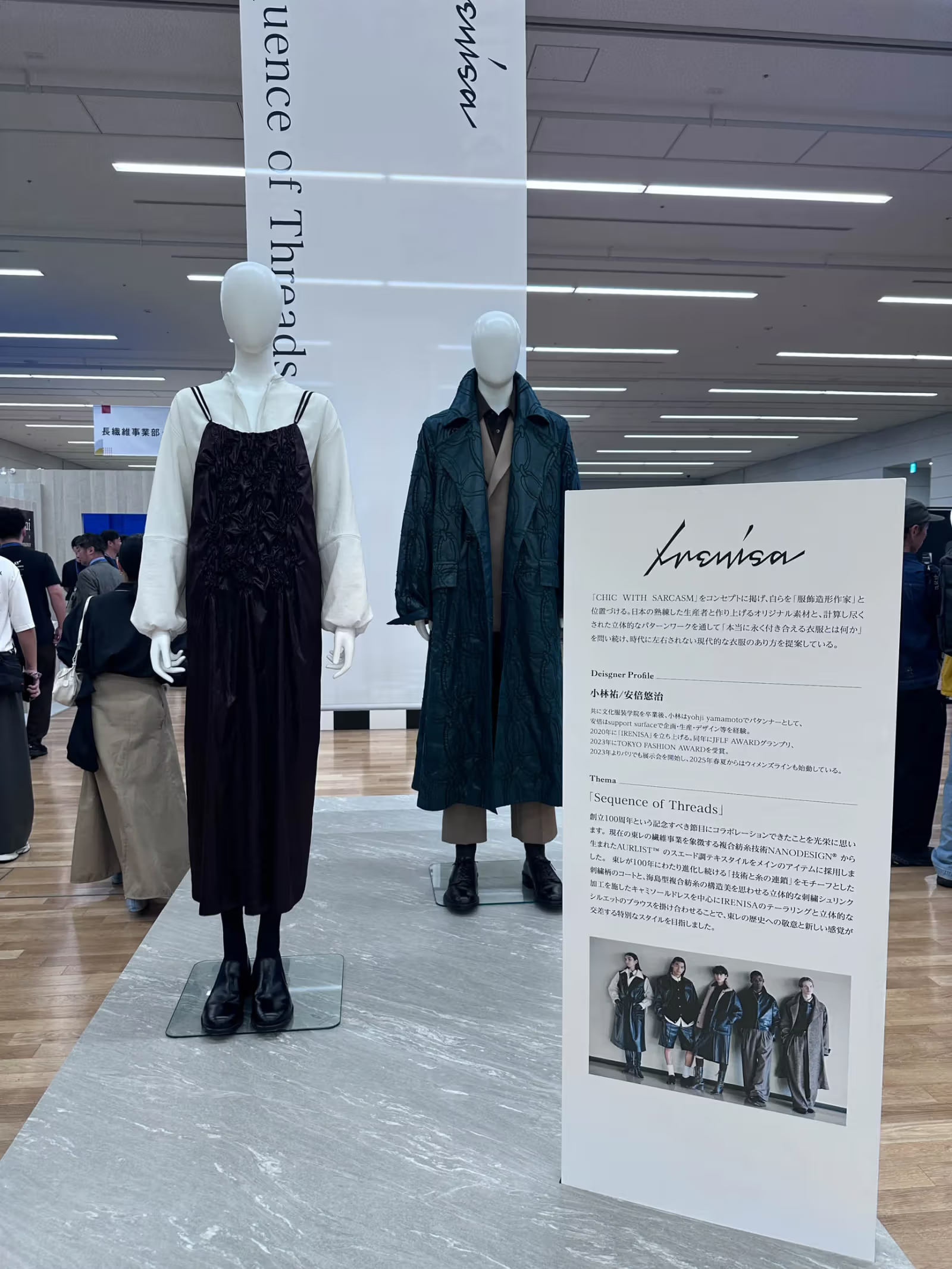
Historical documents are displayed alongside fabric samples.IRENISA clothing and material information share a display.
Tokyo Textile Scope also placed textiles from production regions including Hokuriku in a wider setting for industry exchange. The revealing feature of Toray’s centenary presentation was the connection between clothing, historical documents and material samples. When a simply cut jacket next stands out for its surface, fabric construction and processing can become questions alongside the brand name. That is more useful than treating all synthetics as one uniform category.
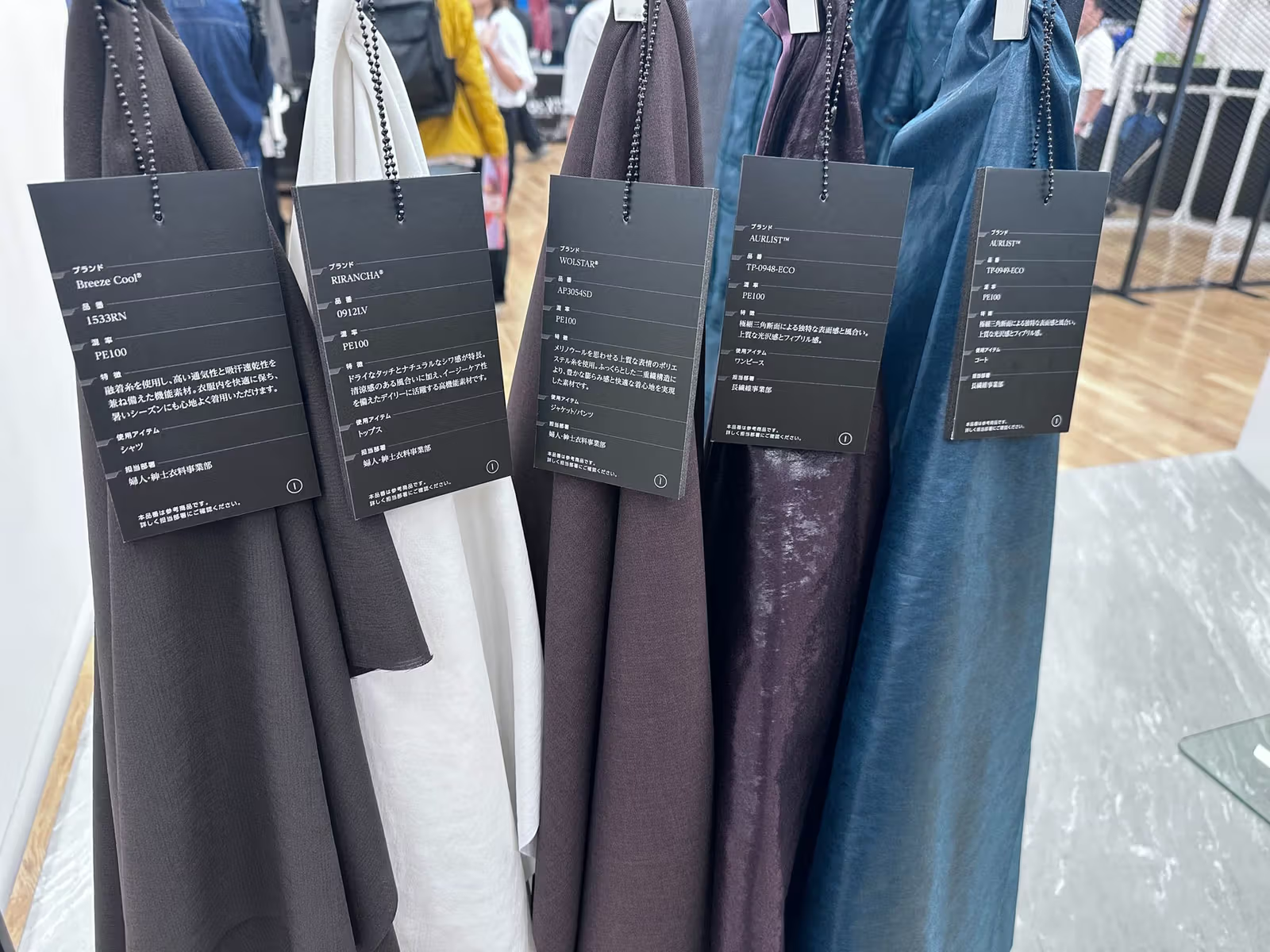
Fabric samples enable comparisons between surfaces and tones.