Umi Ishihara Lets "Nocturnal Animals" Loose from a Shibuya Nightclub, One Continuous Take Through the Streets of Tokyo
Umi Ishihara's new work "Nocturnal Melody" documents the nightlife and identity of two Tokyo dancers, inspired by news of wild bear sightings in Japan; the piece will tour to Manchester and the Busan Biennale.
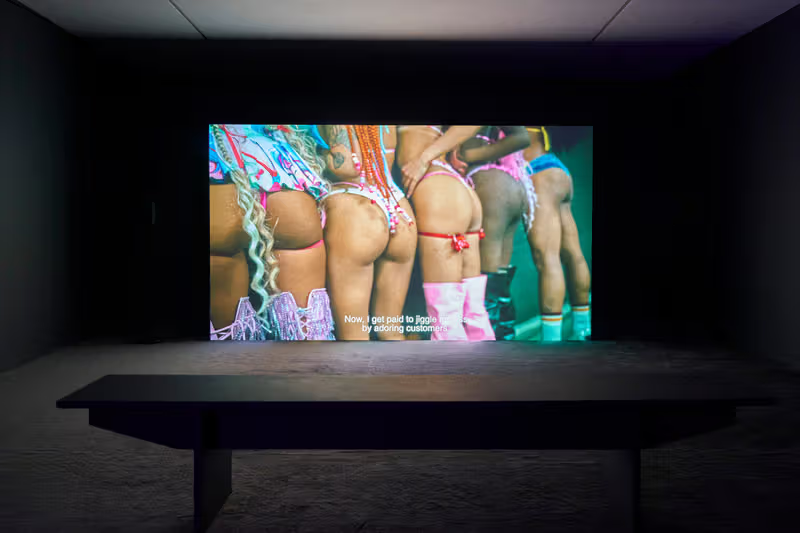
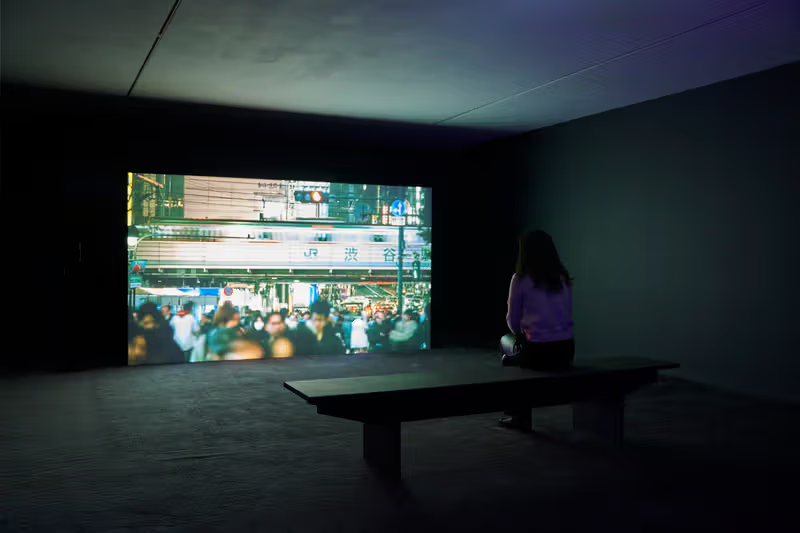
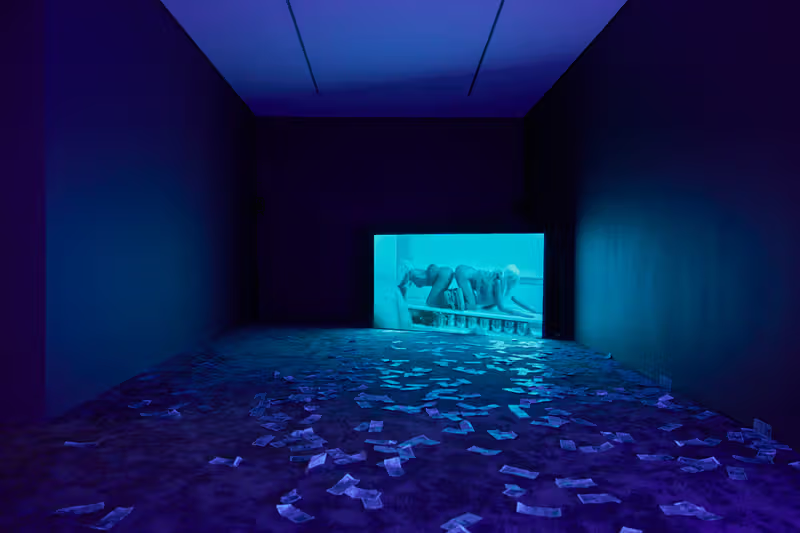
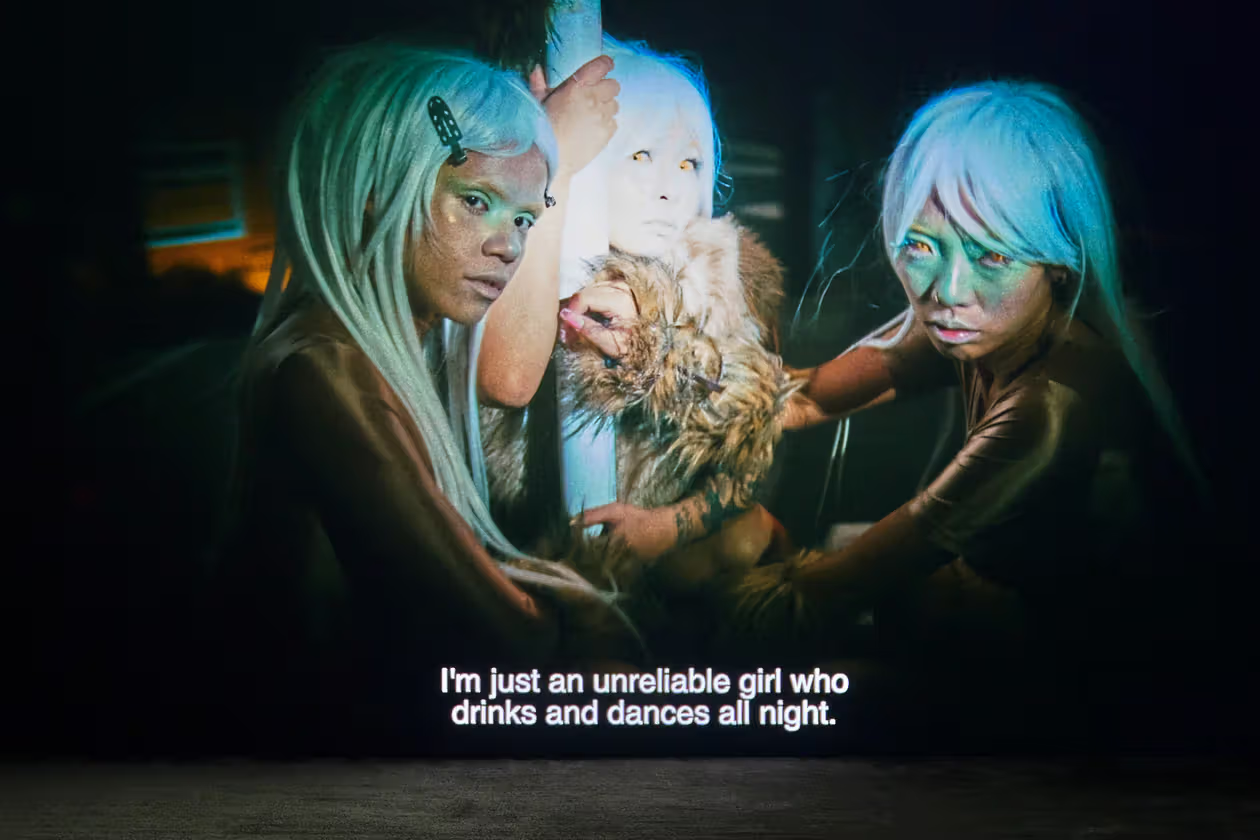
In the frame, two women walk out of a gentlemen's club in Shibuya in the middle of the night, moving down the street as passersby raise their phones to film them. This unbroken street scene is the most direct metaphor in artist Umi Ishihara's latest 24-minute video work, "Nocturnal Melody" — she imagines the two dancers in the film, Eri and Catalina, as nocturnal animals "living inside a strip club, let out at night, who might eat men."
This premise stems from recent news of wild bear sightings across Japan. Ishihara says she noticed two completely opposing positions coexisting in public discourse: "On one side, people say bears are a protected species, they're beautiful, they shouldn't be killed; on the other, people have actually died because of them — there's even been a case of a bear breaking into a kindergarten trying to attack children." Protection and threat, cuteness and danger — she transplants this contradiction directly into the film, where the half-playful, half-aggressive female characters become stand-ins for those pushed to society's margins: seemingly strange, defensive, yet drawn together by a shared sense of difference.
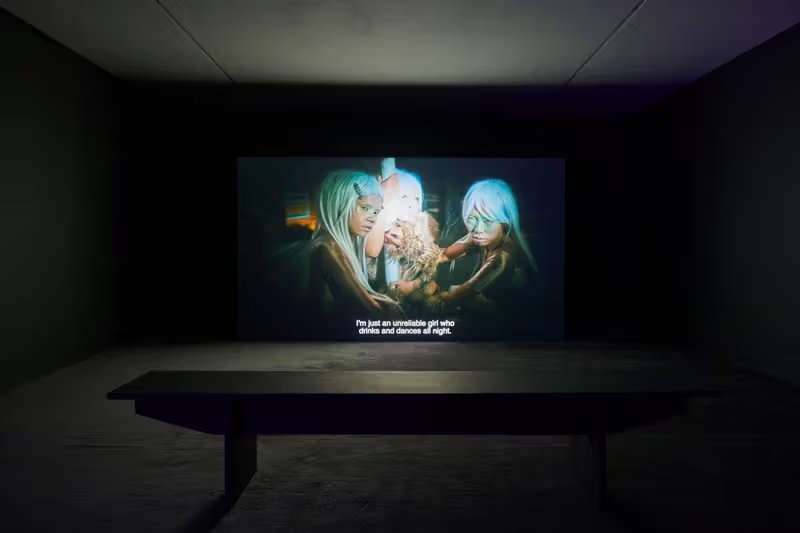
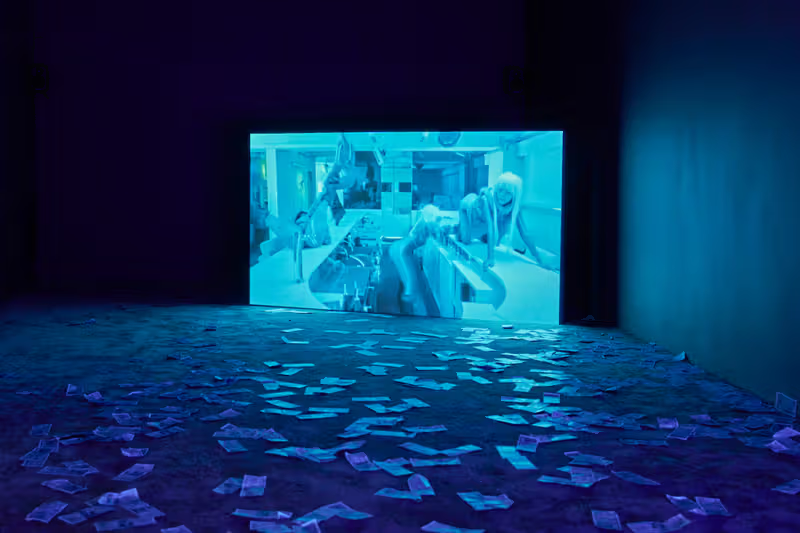
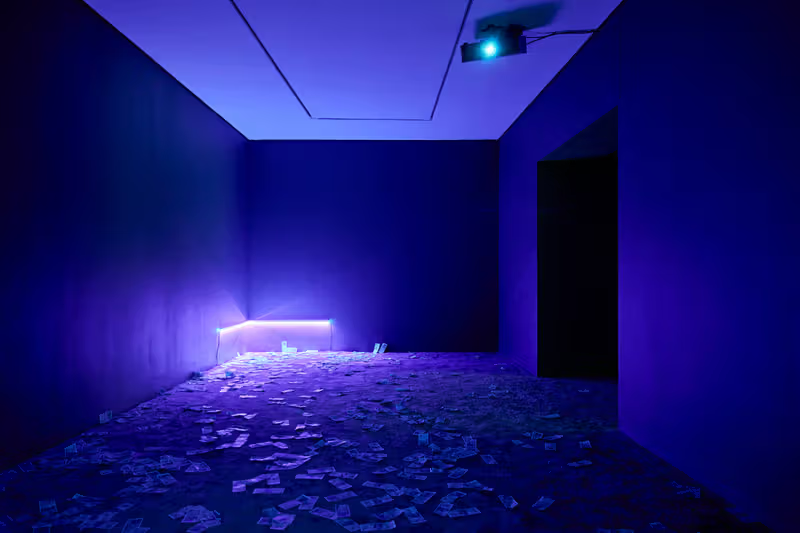
Commissioned by Gasworks in London, "Nocturnal Melody" was shot entirely in Tokyo, blending documentary-style tracking shots, night-vision footage, and dancer characters choreographed by Ishihara herself. Having grown up in Japan's rave scene in the 1990s, surrounded by DJs, event organizers, and drug dealers, this experience directly shaped how she approaches the everyday labor and emotional survival depicted in the film.
The emotional weight of the film comes from Eri and Catalina's own accounts. Catalina recounts growing up in rural Yokohama, "where there weren't many mixed-race kids, and people looked at me strangely — I was bullied and discriminated against for being 'foreign,'" adding that she was once "caught, and it even made the news." Eri says she was bullied from a young age, "but I could never tell my parents — I was the kind of kid who put on a smile the moment I got home."
Ishihara originally planned to dig deeper into this darker side, but changed direction during filming: "After spending time with these two, I realized they're actually really positive people. I wasted so much time being angry and sad, but after meeting them, I became a genuinely happier person." The poetic voiceover woven through the film instead addresses the normalization of discrimination, violence, and war — a gesture of solidarity, she says, with "people who are discriminated against because of their race or class, whose very existence makes others feel threatened."
The party is an extension of the work, not a promotional event
Ishihara often throws parties alongside her exhibitions or screenings, which she sees as extensions of the work itself rather than add-on events: "Music is one of the most important parts of my work — making a film is actually a lot like throwing a party, you're just bringing people together and asking them to play music or stand in front of the camera." During the London screening of "Nocturnal Melody," she held an event at Ormside Projects featuring an all-night lineup of DJs and pole dancers, with Eri and Catalina themselves in attendance. She plans to host another one this fall for the Manchester exhibition opening, "but it'll be a bit different — I might work with local dancers."
"Umi Ishihara: Nocturnal Melody" travels from Gasworks in London to esea contemporary in Manchester, running from October 10, 2026 to January 17, 2027; the film will also be screened at the Busan Biennale from August 29 to November 1, 2026.