A partially blacked-out internal memo became the most intriguing piece of evidence in the lawsuit. In the memo, Amazon employees acknowledged that the company's use of "undisclosed reserve prices" could "increase short-term revenue," but predicted that doing so would "hurt us in the long term." This sentence was later quoted by the U.S. Federal Trade Commission (FTC) in its original complaint against Amazon.
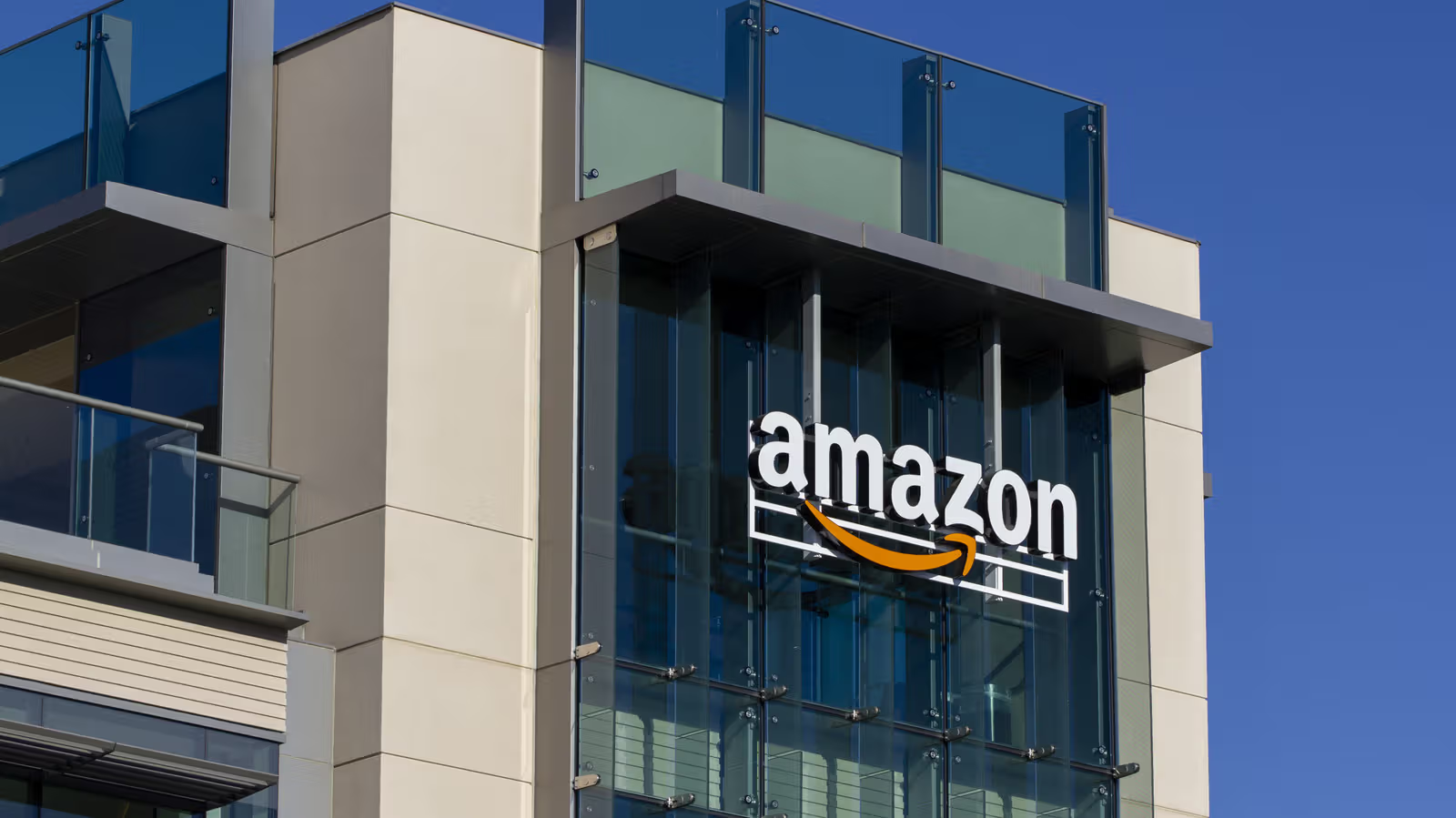
The FTC and 22 states filed a lawsuit against Amazon on August 31, local time, accusing the retail giant of "secretly" increasing prices in the advertising auction mechanism since 2019, allowing advertisers who purchased sponsored product placement and other ads to continue to pay more without their knowledge. The complaint describes the practice as "almost every time a consumer clicks on an ad on Amazon's website" to successfully charge advertisers a hidden surcharge, and "the practice continues to this day."
The scale of the amount is the most direct aspect of this case. The FTC claimed in its complaint that this system "may have illegally extracted more than $20 billion from unsuspecting advertisers." The complaint also points out that this practice is not a secret within Amazon, and the company continues to implement it even though "multiple" employees have raised questions.