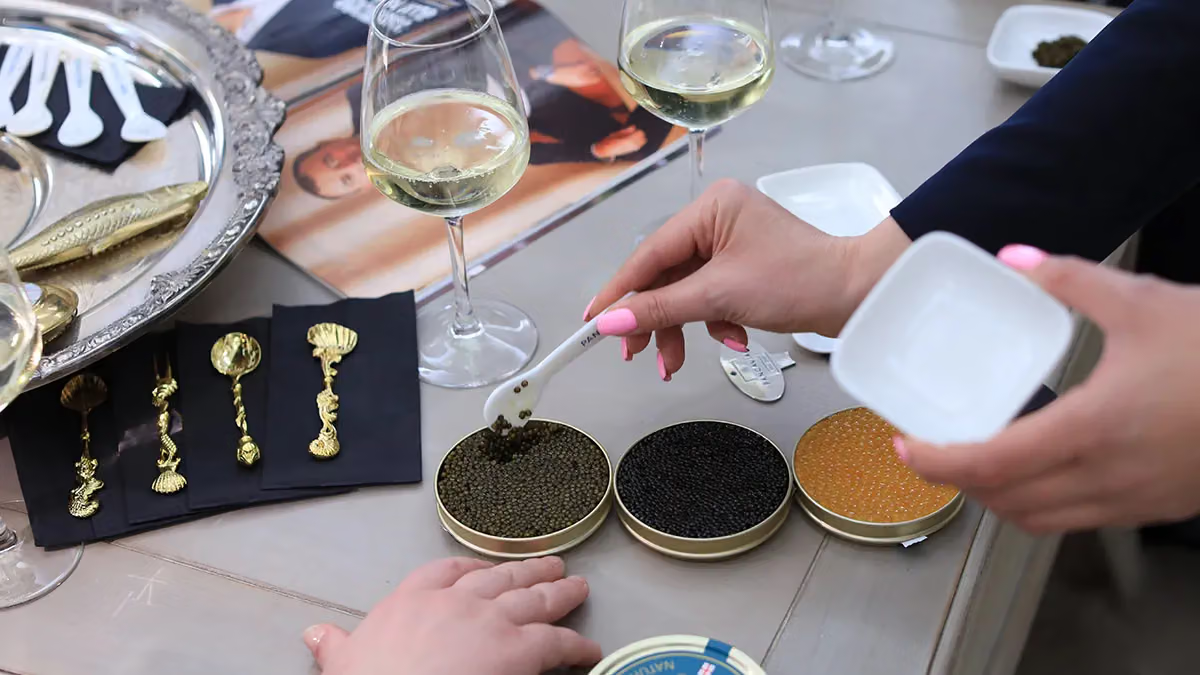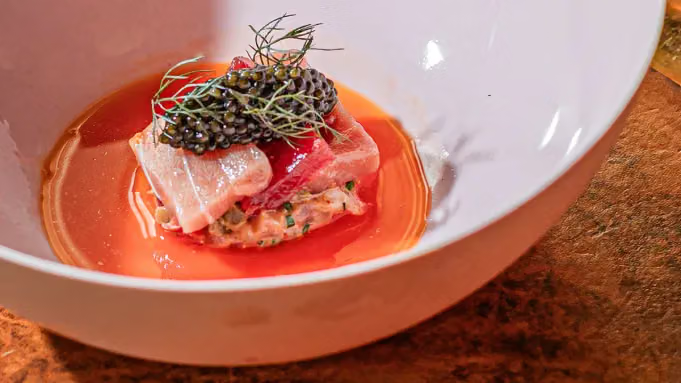
Caviar always arrives at the table well-chilled and full of ceremony—more trophy than dish. Felipe Riccio and Austin Waiter, chefs at Houston's Goodnight Hospitality group, have spent decades in the industry tasting, sourcing, and serving every kind of caviar imaginable, yet had never actually seen where it all comes from. Earlier this year, the two decided to fix that—flying to Tbilisi, the capital of Georgia, to visit Panchenko, a caviar producer widely regarded as one of the industry's best.
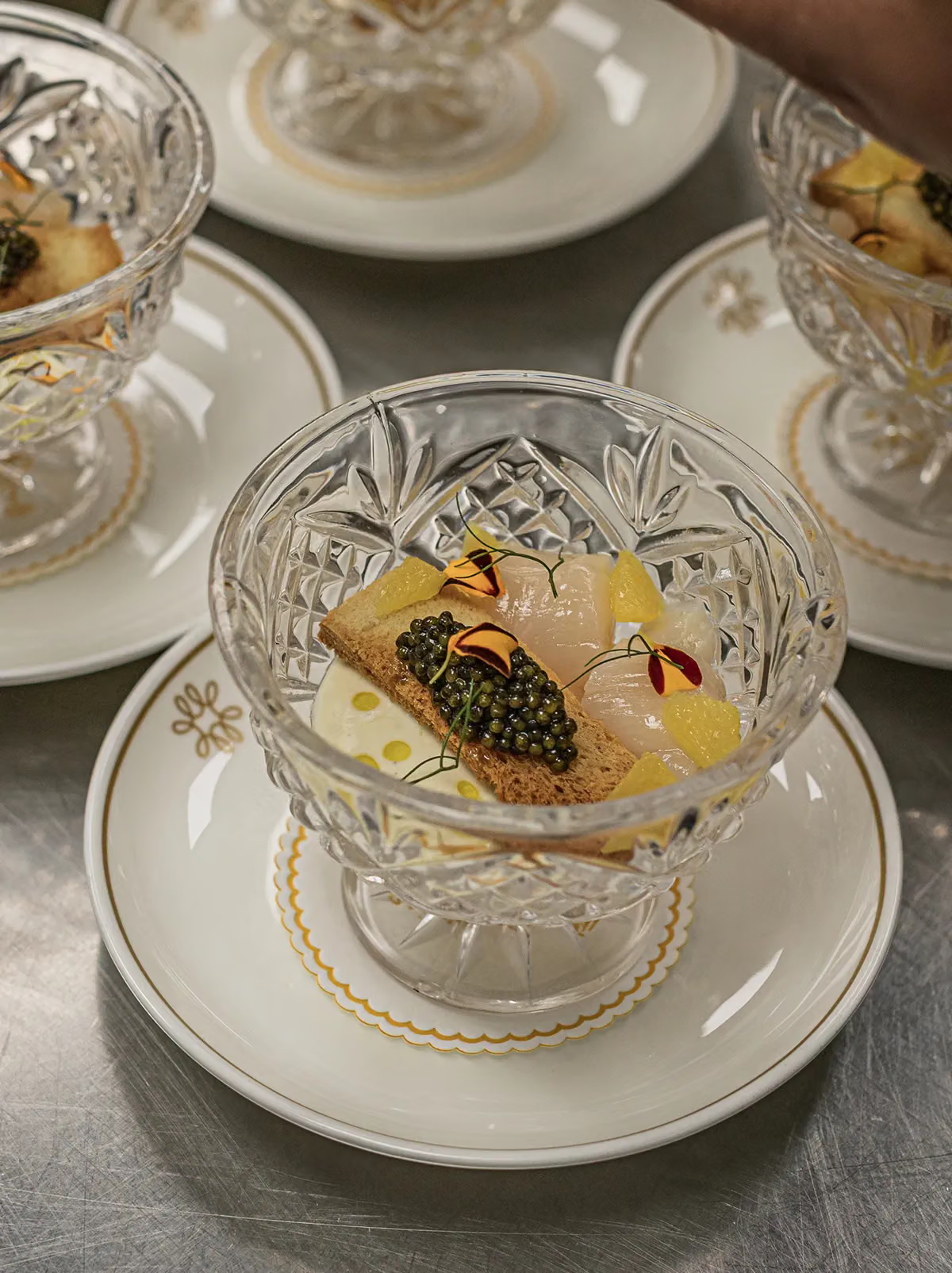
Writing about the trip for Robb Report, the two chefs said the most immediate shock was the shift in how they thought about time. In the kitchen, questions about ingredients tend to revolve around freshness or seasonality—but caviar forces you to think in years. According to Panchenko, certain sturgeon species need up to twenty years of raising before they're mature enough to be harvested for roe. The fish live in ponds fed by river water from the Gombori mountains, with the development of their eggs monitored the entire time until the roe is finally harvested, salted, and tinned at just the right moment—and even then, the tins often sit for several more years before ever being opened and tasted. Panchenko also supplies the caviar brand Altima, whose COO Alayna Steinman joined the two chefs on this visit to Panchenko's sturgeon farm in Rioni.
Since the trip, the answer they give to the question they get asked most—"which one is the best?"—has changed. They now compare caviar to wine: what makes a wine good isn't just its price, but its origin, varietal, winemaker, structure, and mouthfeel—and caviar deserves to be discussed the same way, weighing species, texture, salinity, richness, minerality, and finish all together. As an example, they note that Siberian sturgeon caviar tends to be clean and bright, while golden osetra leans rich, nutty, and long on the finish. The standards for judging quality are equally concrete: the roe should have distinct, well-defined beads rather than a mushy texture, and the finish should be clean, free of any metallic taste or overpowering fishiness. Since a tin contains nothing but roe and salt, getting the salting stage right is especially critical—how much salt is used directly determines whether the texture and flavor can hold up over the product's shelf life.