Hong Kong beyond shopping: 16 cultural landmarks, neighbourhood spaces and exhibition records
From the cultural center converted from a century-old arsenal to the handwritten minibus sign maker who has been holding on for half a century, another side of Hong Kong is hidden in these corners that are rarely discovered by tourists.
When it comes to traveling in Hong Kong, most people’s first thoughts are shopping in Tsim Sha Tsui, eating in Causeway Bay, and drinking in Lan Kwai Fong. But the story of this city is actually hidden in the cultural center converted from a century-old arsenal. It is hidden in the hands of the masters who have stuck to the old shop for decades and still write minibus signs with calligraphy brushes. It is also hidden in the street scene outside the window where the old and new overlap when the tram slowly passes along the north shore of Hong Kong Island.
Writer Zhang Manjuan once described Hong Kong as her "promised land". This city gave her love, gave her the view of the Victoria Harbor, and also gave her a feeling of being taken in. If we reorganize Hong Kong from this perspective, we can discover the deeper side of this city besides its glamor.
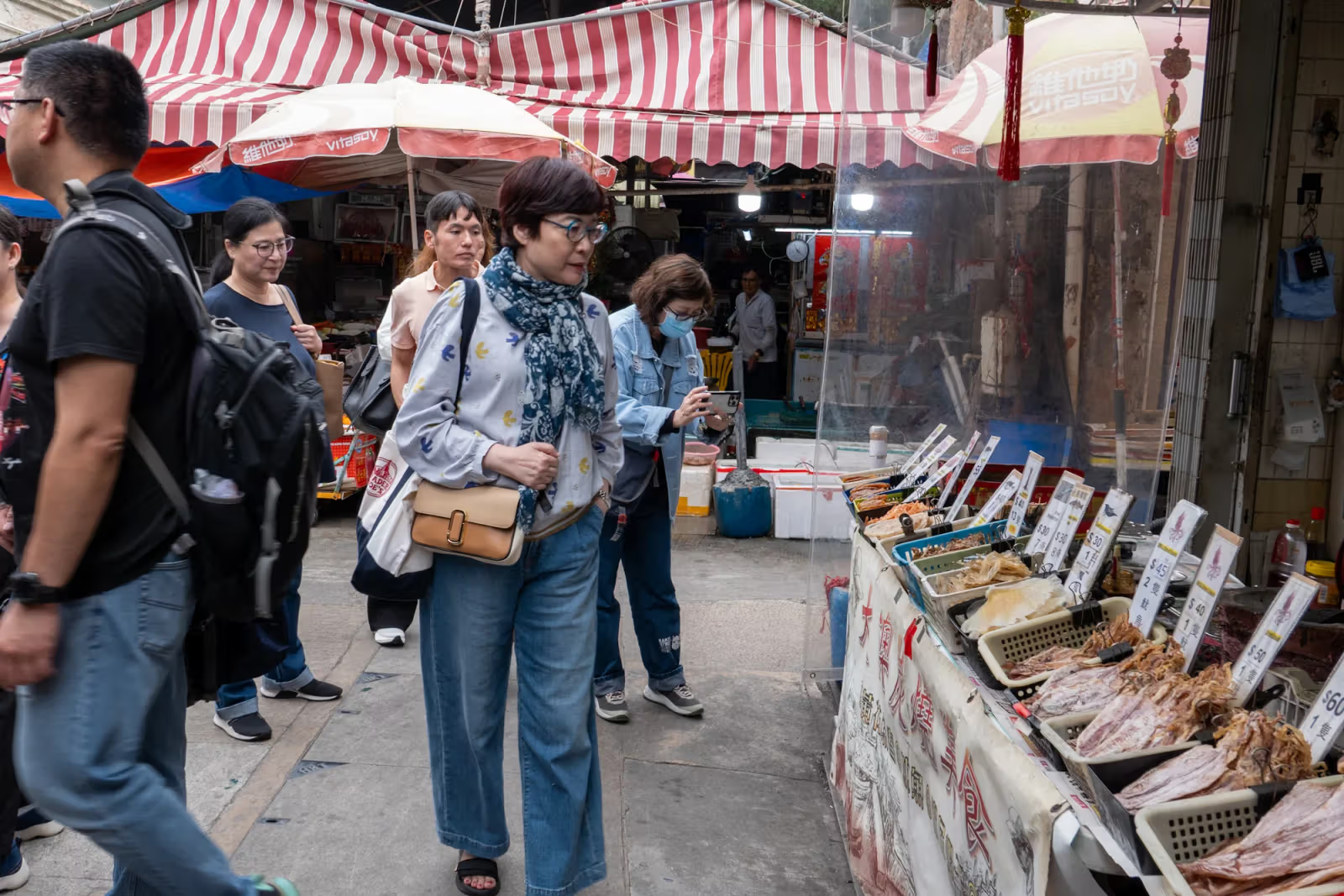
There is no check-in wall here, only the simplest life atmosphere of old Hong Kong Image: Alec
Lantau Island and Tai O, how to see the simplest life in Hong Kong?
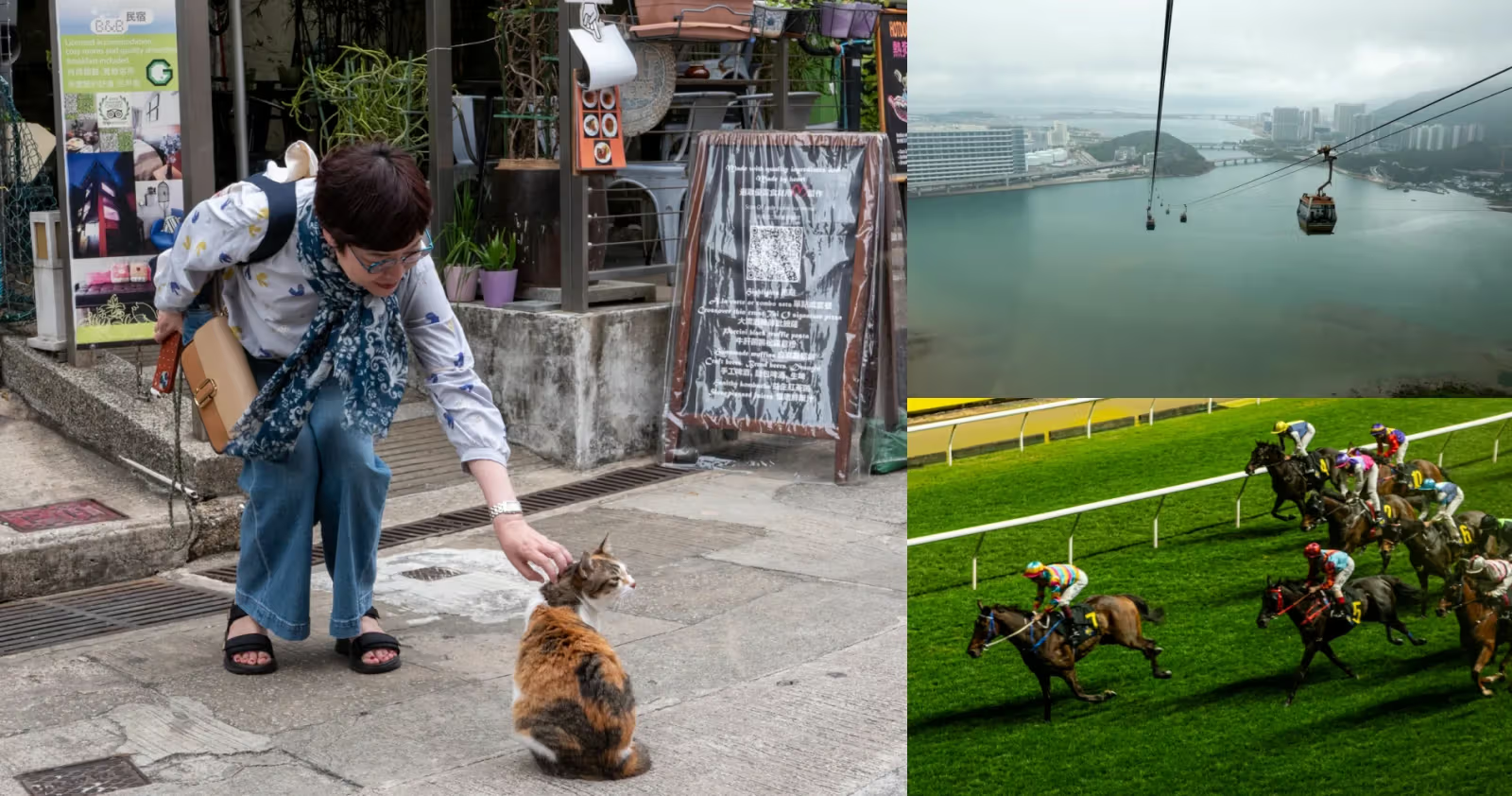
The Ngong Ping 360 cable car has a total length of 5.7 kilometers. Visitors can choose a standard carriage or a crystal carriage with a transparent bottom. Along the way, you can reach the Tian Tan Buddha, Po Lin Monastery and Ngong Ping Market. It is a well-known high-altitude attraction in Hong Kong. The end point of the cable car is Ngong Ping, but many travelers will continue to Tai O, a fishing village known as the "Venice of Hong Kong". It is still home to stilt houses. You can take a boat to travel through the waterways and feel the life of old Hong Kong.
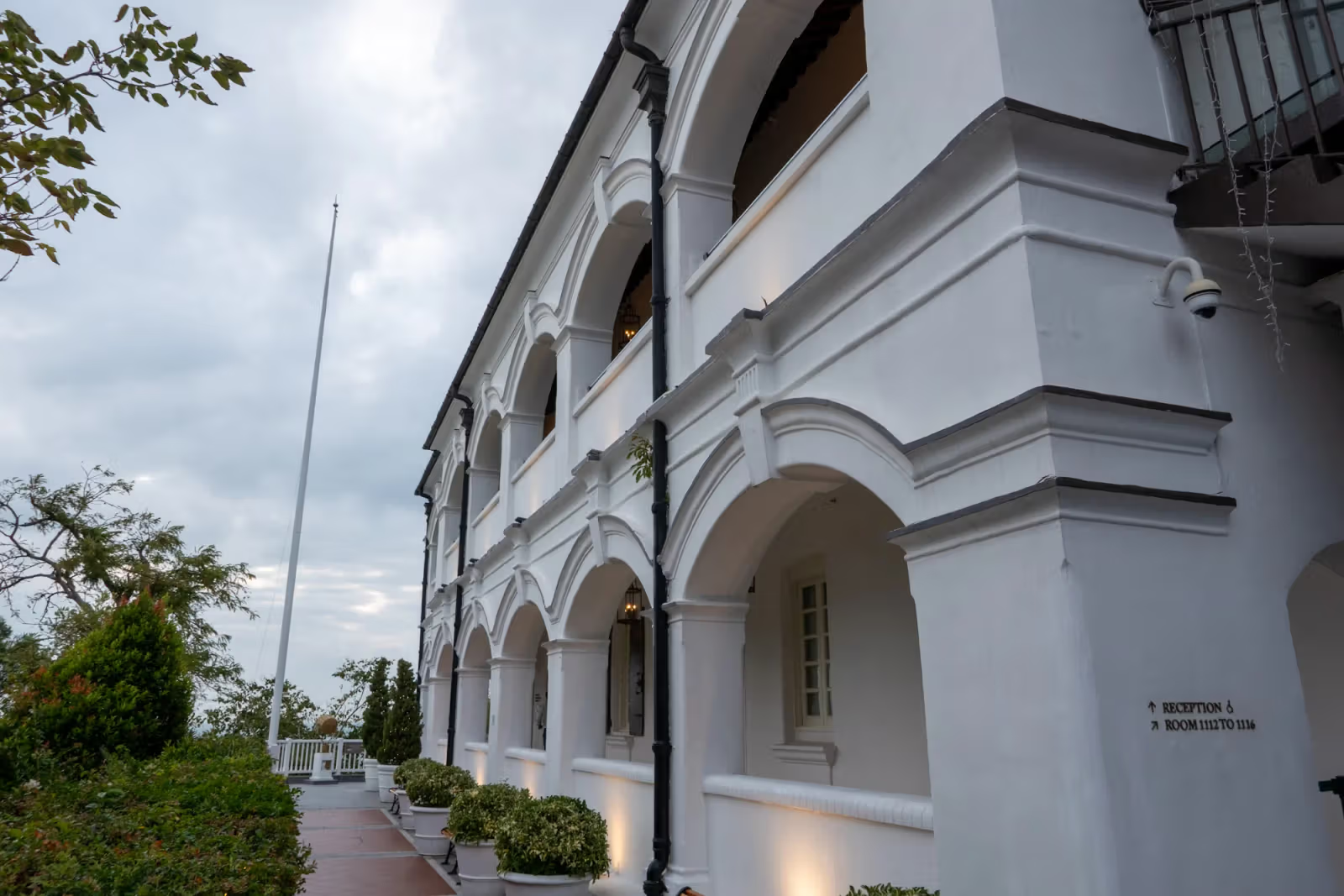
The Tai O Heritage Hotel is located on the edge of the fishing village. It was formerly the Tai O Police Station built in 1902 and is now a Grade II historic building. The hotel has 8 sea-view rooms, all named after police ranks, Tai O landmarks or police ships. There is also a sea-view suite that was converted from the former commissioner's room. The report room has also been converted into a cultural heritage center to display the police station's old collection.
Arsenal, fruit bats and monuments, what story does Asia Society Hong Kong Center hide?
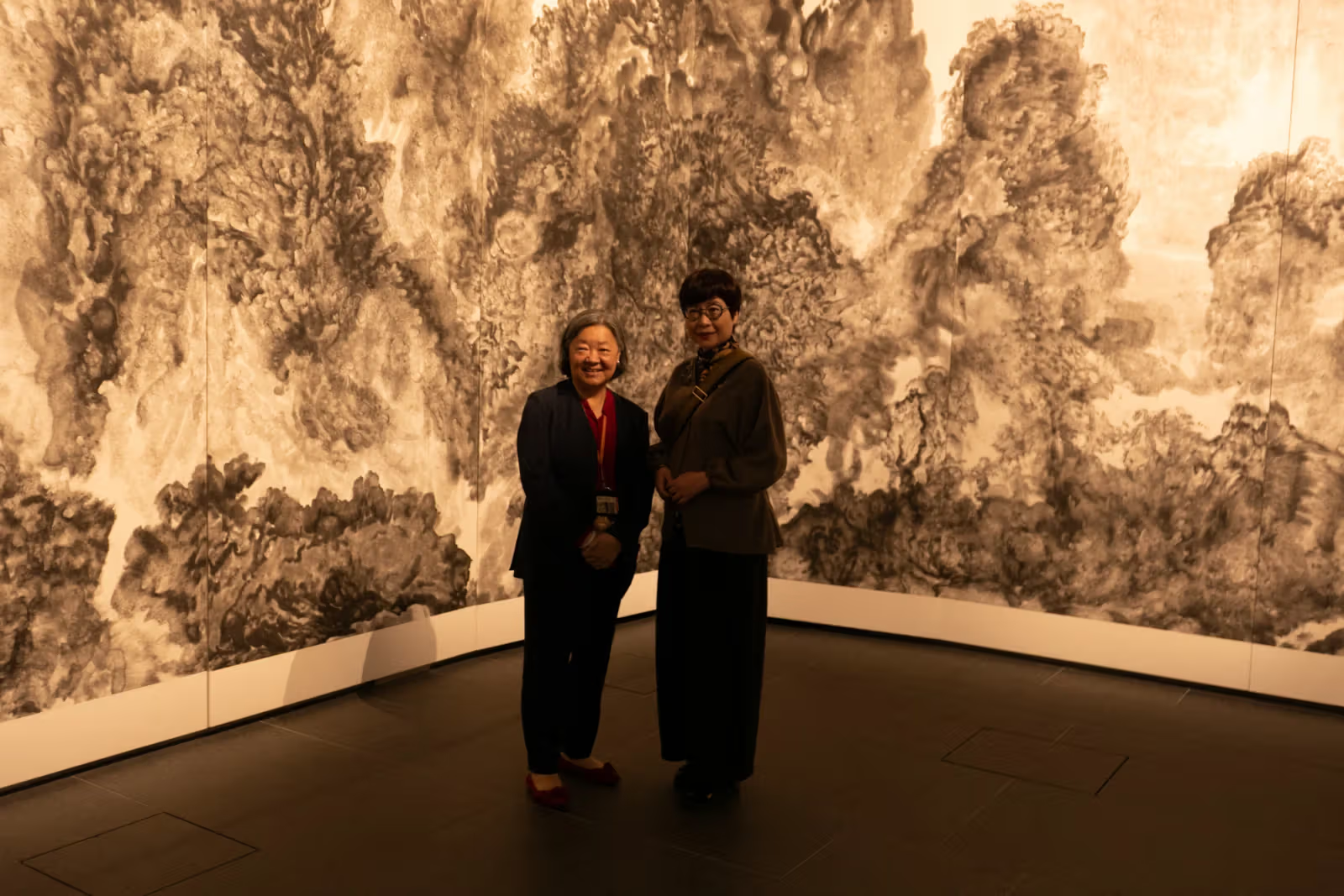
The Asia Society Hong Kong Center, located not far from Central on Hong Kong Island, was formerly a 19th-century British military arsenal complex. The three buildings are all listed as Grade I historic buildings. It took 11 years from conception to opening. In order to protect the habitat of a group of short-nosed fruit bats, the architects deliberately designed the pedestrian bridge connecting the old and new buildings to be elbow-shaped to avoid disturbing the palmetto grove where the fruit bats live. The AMMO restaurant attached to the museum has a ceiling of five meters and a large floor-to-ceiling glass facing the forest, where monuments, nature, art and food meet.
Can you understand a piece of Hong Kong history with just one meal?
Royal Capital Hotel launched the "Grand View Twelve Beauties" Banquet of Dream of Red Mansions. The chef was inspired by the temperament and destiny of each of the twelve beauties of Jinling in "Dream of Red Mansions" and designed a 9-course set menu, each course corresponding to a character's personality and story. At "Hong Kong Flower Moon" in Jordan, the store owner has recreated the atmosphere of a Chinese foreign company in the 1950s. Gramophones, old-fashioned telephones, cabinets and typewriters are on display. The signature milk rose pot is based on Hokkaido whole milk and is embellished with edible roses, blending the fragrance of milk and flowers. These two meals each paid homage to literature and history, demonstrating the depth of Hong Kong’s food culture, which goes beyond Michelin stars or queuing up famous restaurants.
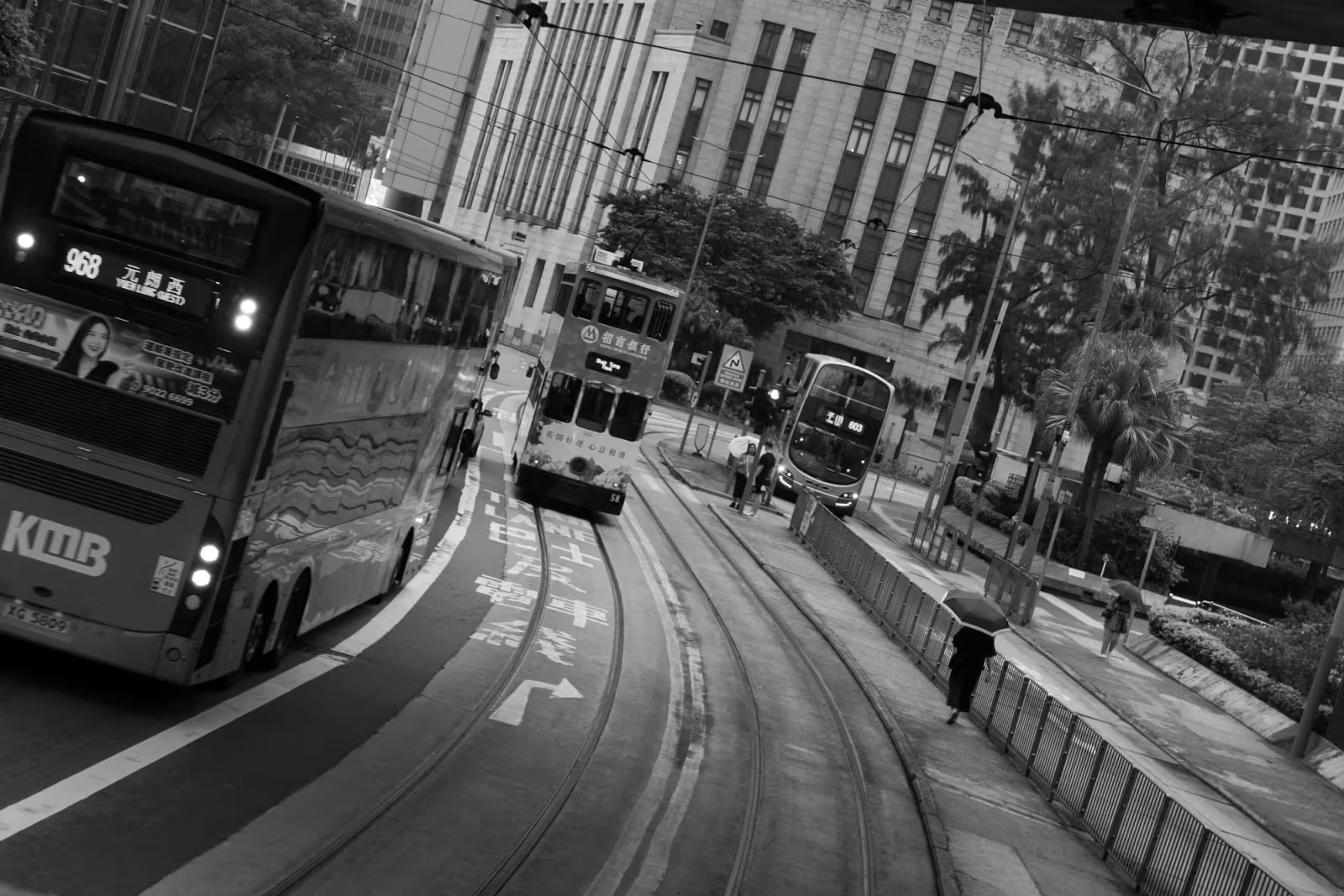
The open design of the upper floor allows passengers to view the street view of Hong Kong Island without any obstruction. Image: AlecPhoto provided by the brand
What important arts are exhibited in the West Kowloon Cultural District?
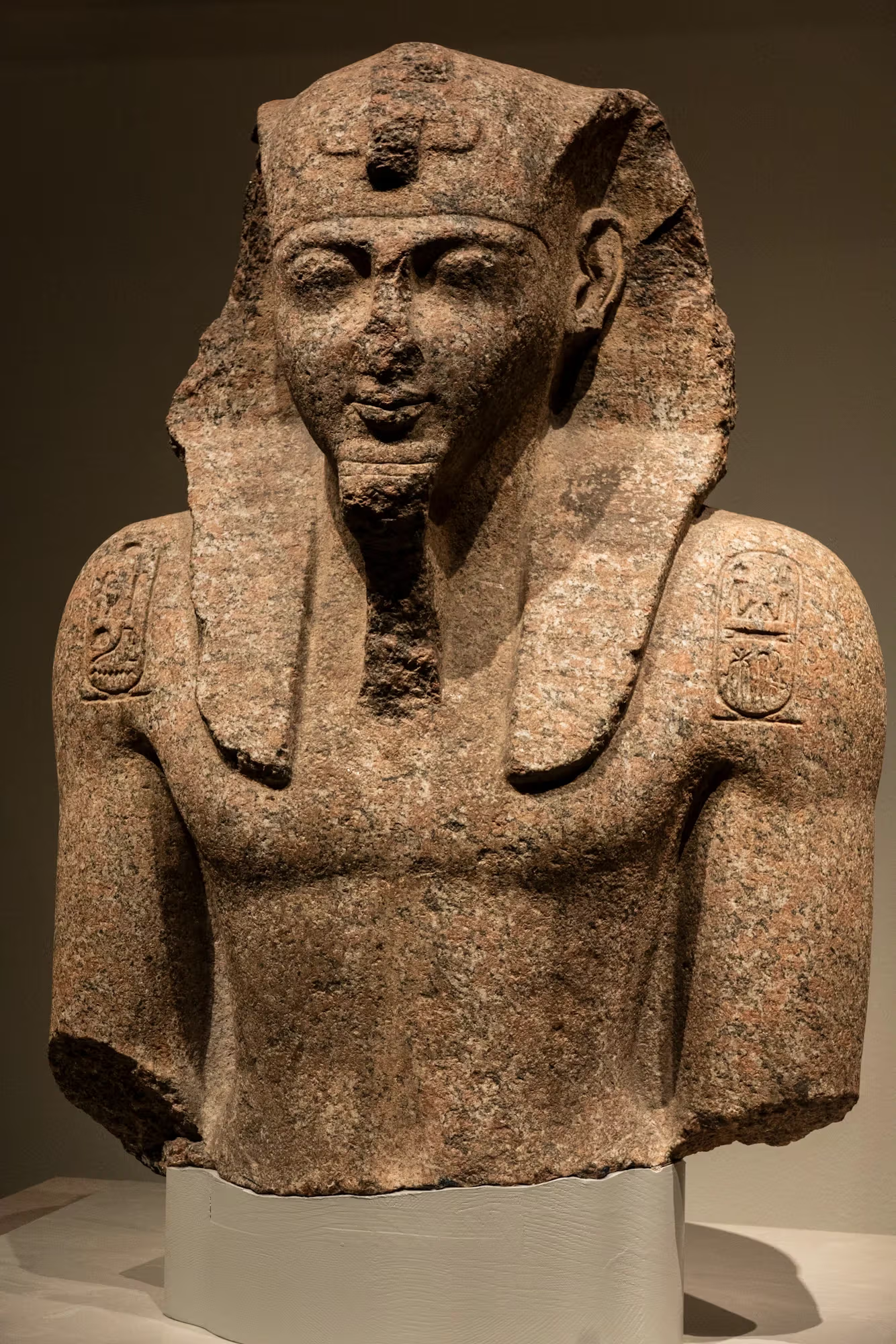
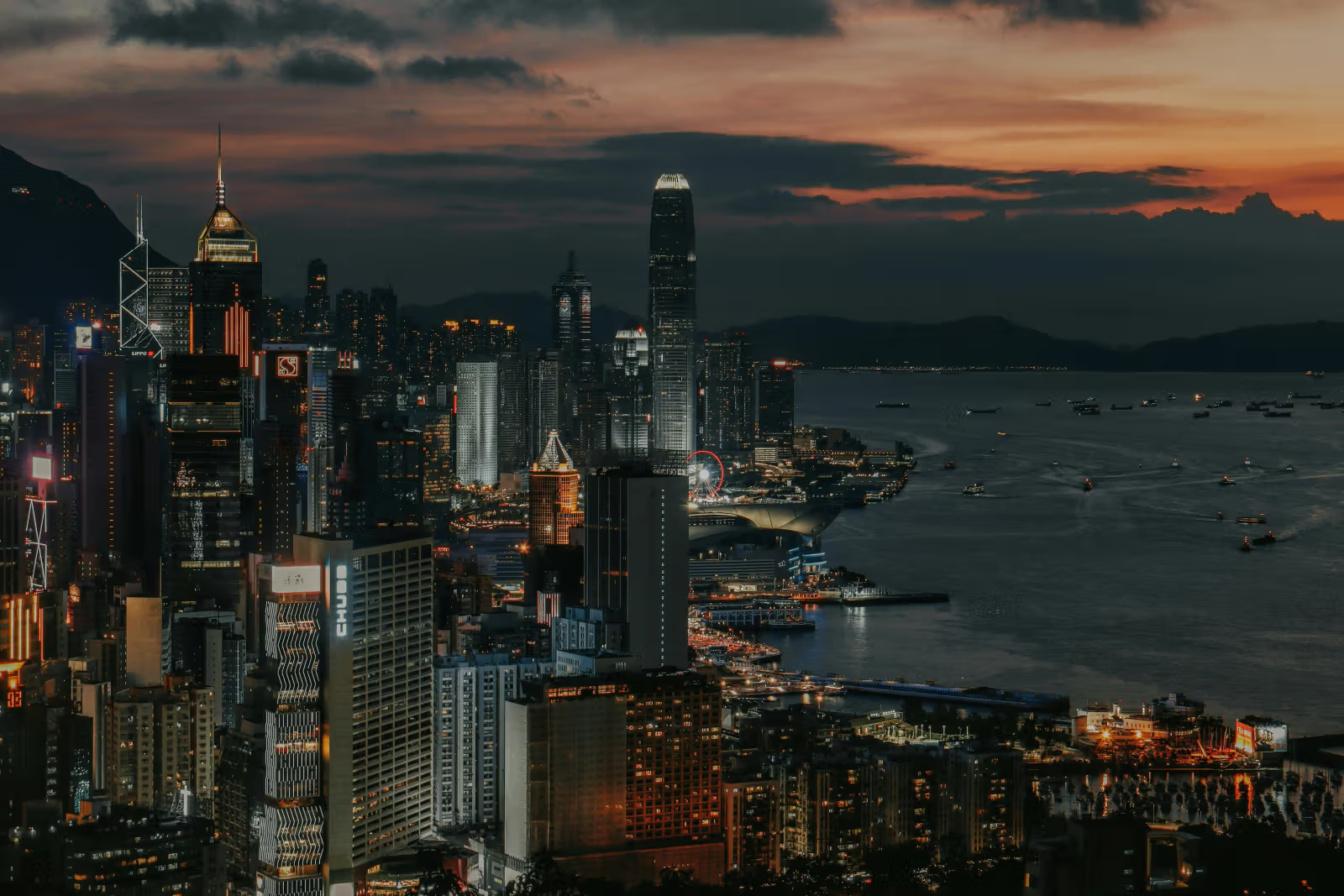
The West Kowloon Cultural District, covering an area of 40 hectares and built adjacent to Victoria Harbor, is the place where Hong Kong shows its cultural ambitions to the world. The itinerary described an exhibition at the Hong Kong Palace Museum titled the "Ancient Egyptian Civilization Exhibition", where you can see with your own eyes the stone statues of Pharaohs from three thousand years ago. The same museum’s silk exhibition displayed nearly a hundred textile treasures spanning the Warring States Period to the early 20th century. At the same time, the M+ Museum held "Zhao Wou-Ki: The Craftsmanship of Printmaking" to show how the French-Chinese abstract art master found his own language between Chinese and Western cultures. The neighboring Chater Sotheby's flagship gallery covers an area of 24,000 square feet and spans two floors. The itinerary also mentioned an exhibition of "Pond Lotus and Two Auspicious Flowers" painted by the Qing Dynasty court painter Lang Shining for Emperor Yongzheng. This work made its first appearance in Asia after three hundred years of silence.
Hong Kong|Theme picture
How do you feel the vitality of Hong Kong people when taking a tram or watching a horse race?
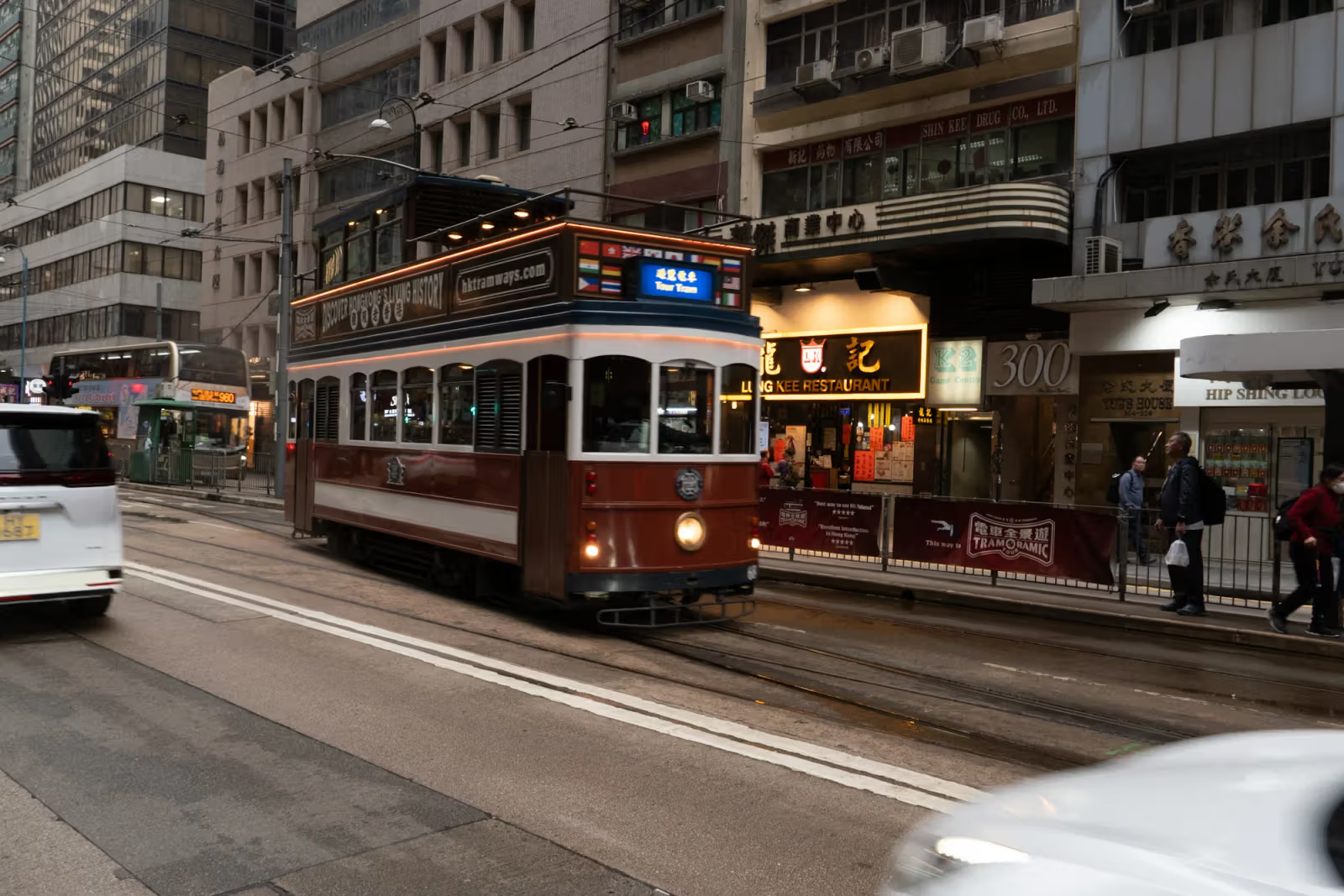
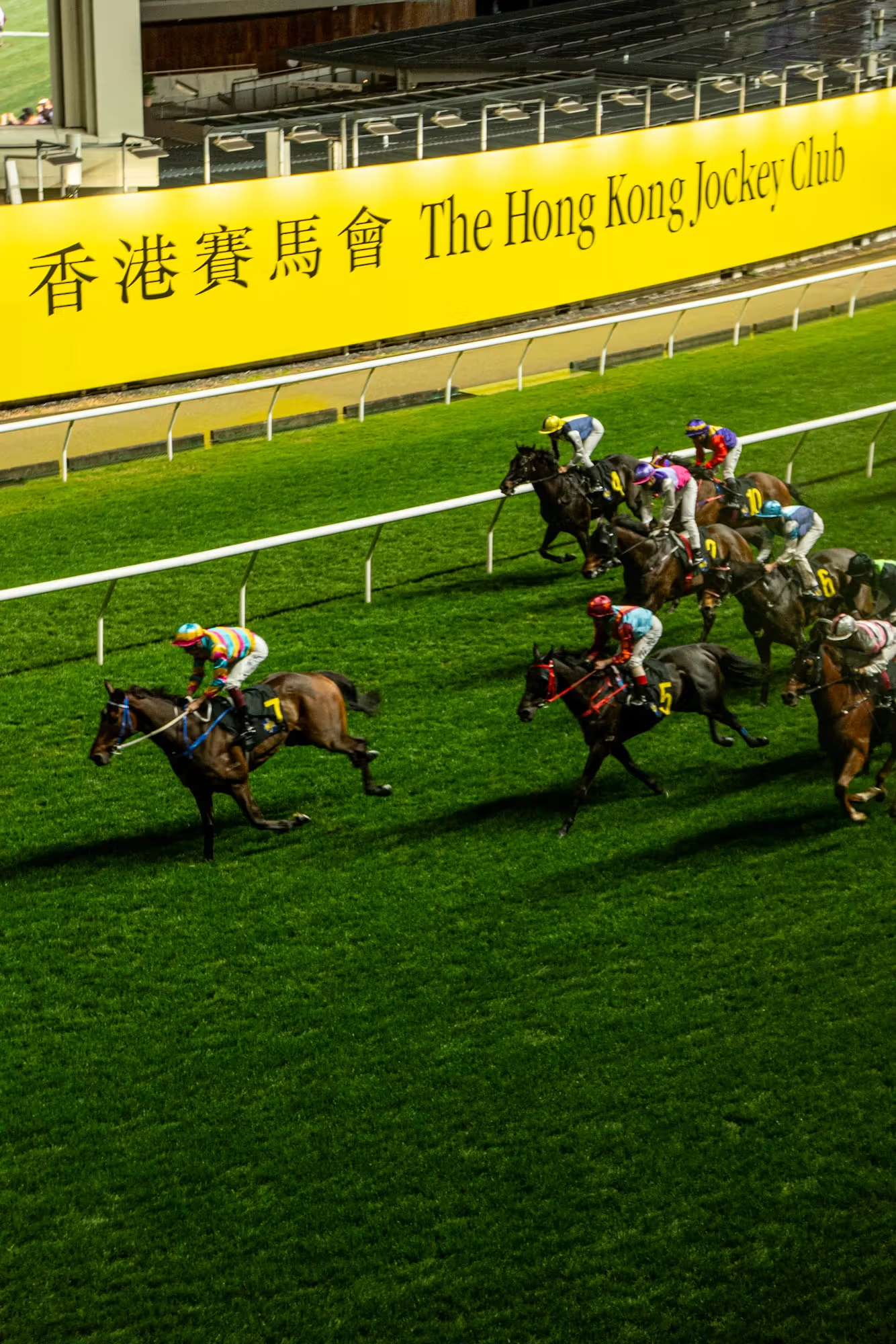
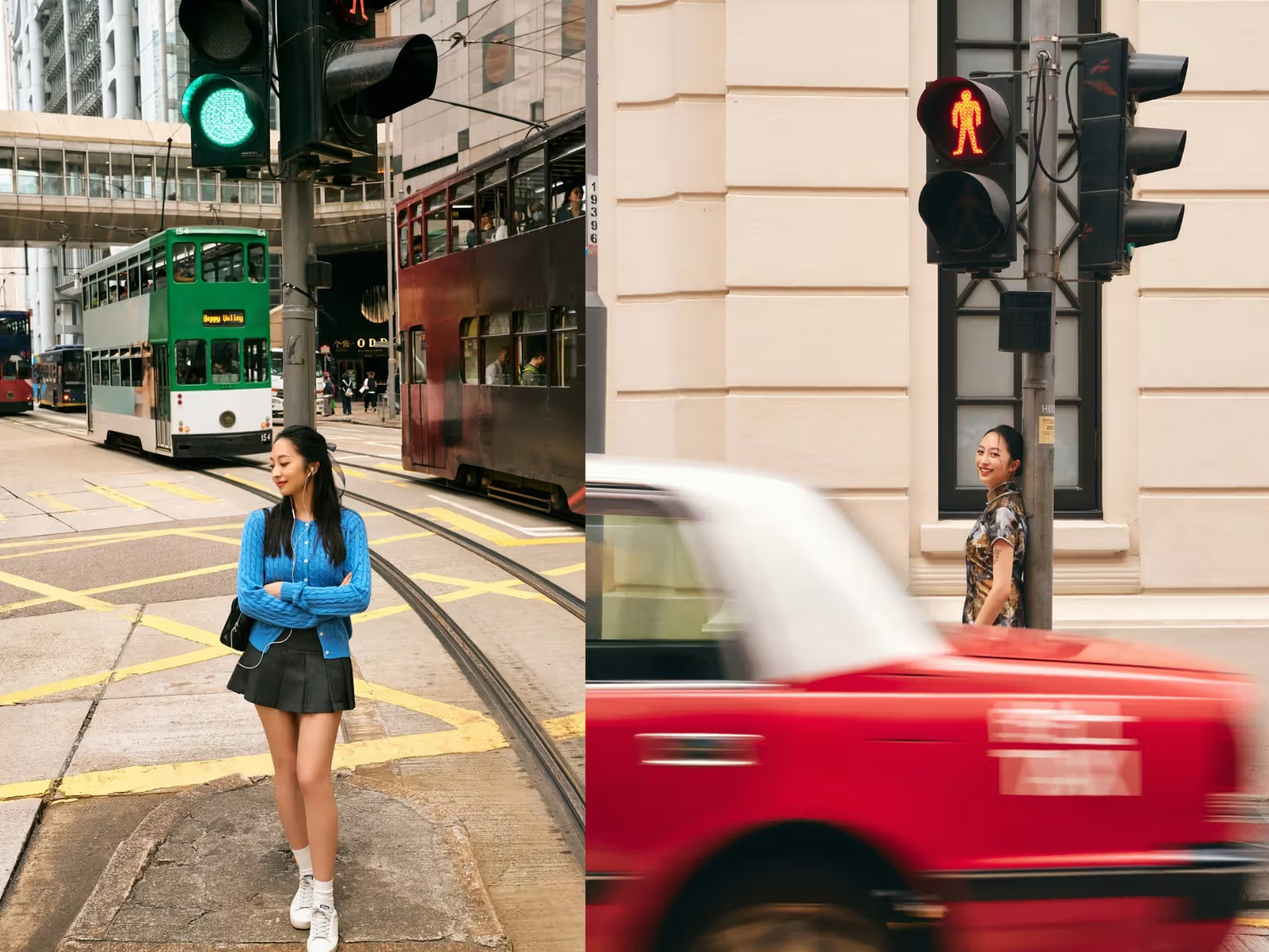
The TramOramic uses a retro tram designed in the style of the 1920s. It departs from Western Market in Sheung Wan and slowly drives along the north shore of Hong Kong Island to Causeway Bay. The whole journey takes about one hour. Old photos of the tram's more than 114 years of history are displayed in the carriage, and tour guides are available in 8 languages. If the tram shows the depth of Hong Kong's history, Happy Wednesday night racing in Happy Valley shows the vitality of Hong Kong people - horse racing has been in Hong Kong for more than a century. Specialty restaurants around Happy Valley such as The Beat often have live bands playing. Whenever the race starts, the crowd cheers in unison, which is one of the most vivid proofs of this city.
Photo provided by the brandPhoto provided by the brand
Handwritten minibus signs, why are they unique street aesthetics in Hong Kong?
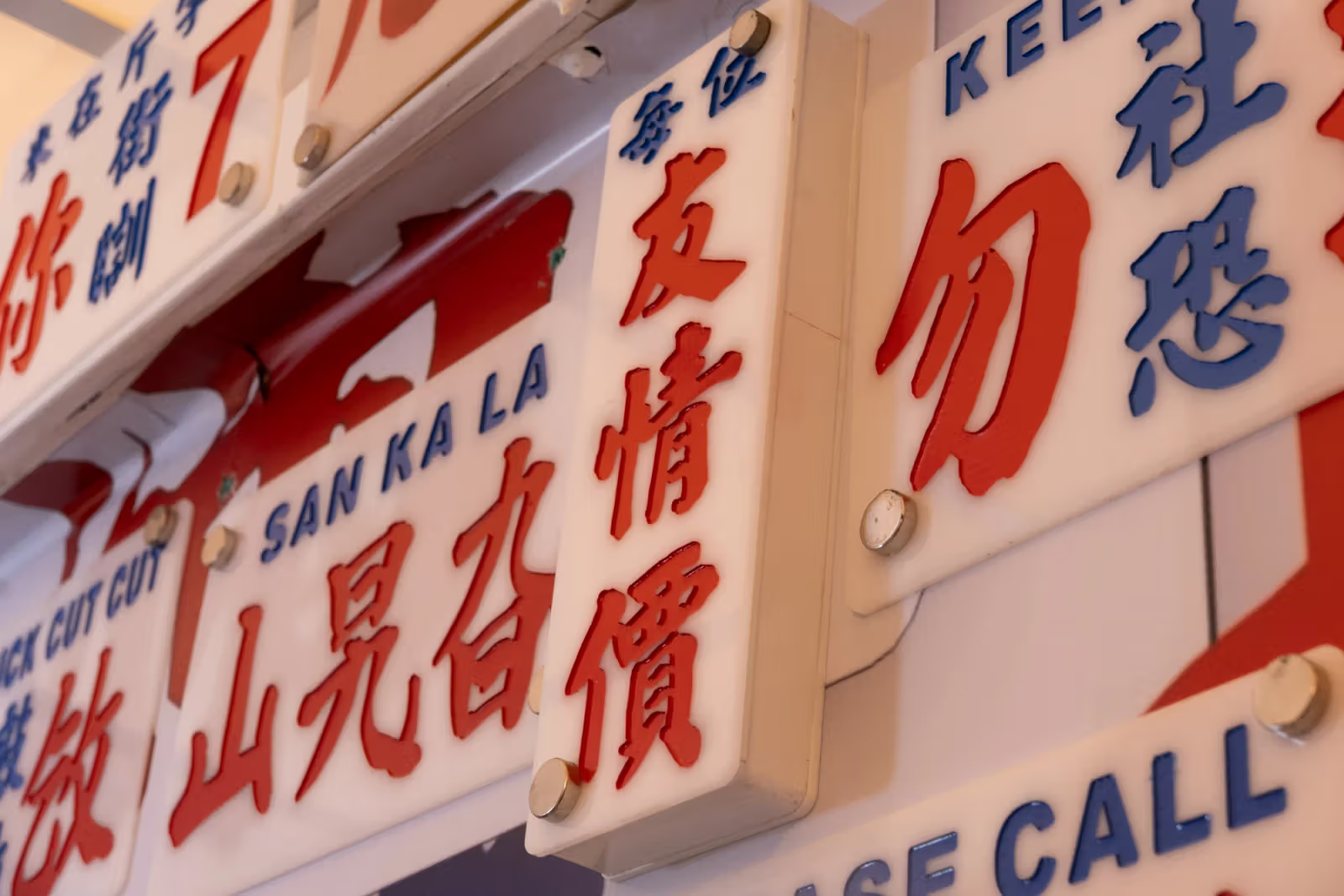
Qiaojia Advertising Agency in Yau Ma Tei is the last stop to understand Hong Kong’s street culture. signwriter Mak Kam-sang, who is in charge of the store, is the only remaining hand-written minibus sign maker in Hong Kong. He entered the business at the age of 15 and has been in the business for more than half a century. A red minibus has a license plate with red and blue characters on a white background. The large red characters written horizontally represent the terminal station, and the small blue characters written directly in the middle represent the intermediate stops. This is Hong Kong's unique street aesthetics. As this craft gradually declined, Master Mak chose to transform rather than retire. Since 2010, he has been making minibus badges into gifts. Later, he launched minibus badges and keychains based on the suggestions of young people. In recent years, he also added Hong Kong-style trendy sayings and blessings to let the younger generation re-understand this craft.
Hong Kong|Theme picture
After walking this route, it is not difficult to understand what Zhang Manjuan said about the resilience of Hong Kong people - it is the ability to develop new things from old things, not forgetting, but moving forward with memories. Only when you know where you come from can you know where you are going. This may be the deepest mark left by this city on travelers.
The Hong Kong Jockey Club allocates huge profits to local charities every year. Every bet placed on Happy Wednesday eventually flows to a corner of the city. Image: Alec