Hyundai's Fifth-Gen Tucson Takes a Sharp Turn, Swapping Curves for Boxy Angles
The 2027 Tucson ditches its predecessor's rounded silhouette for the new Art of Steel design language, with a larger body, a unified Pleos infotainment system inside, and the return of the XRT trim.
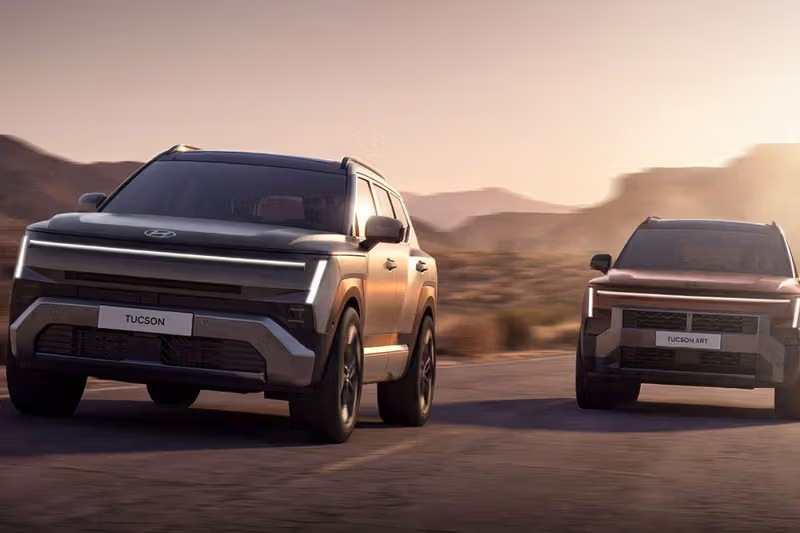
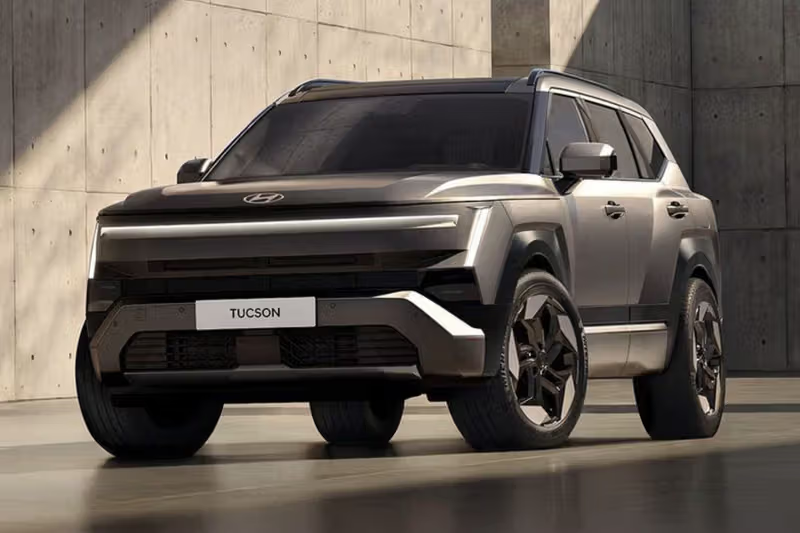
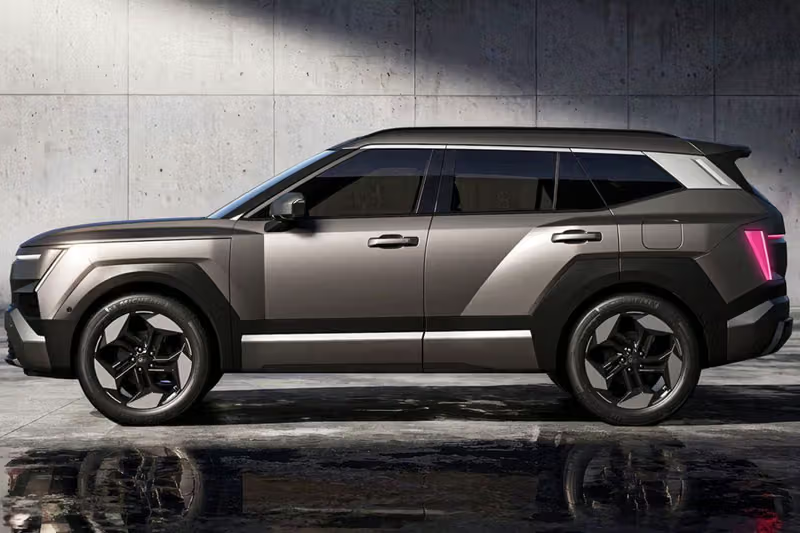
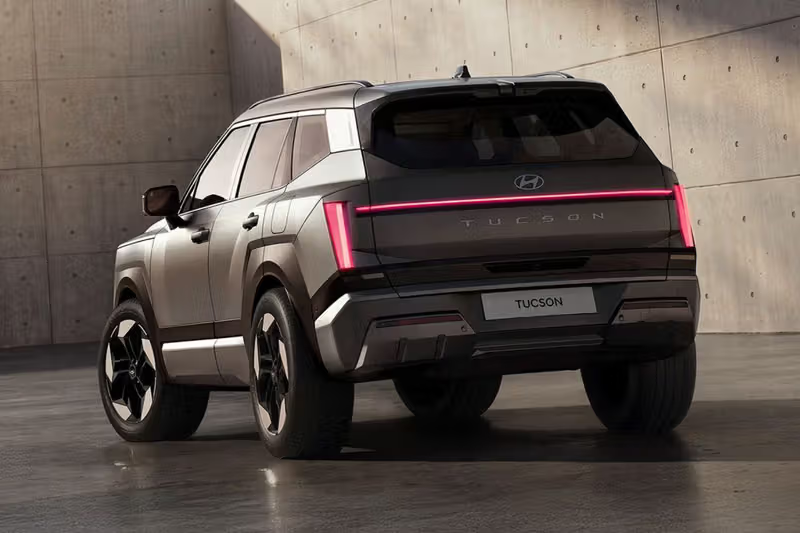
The outgoing Tucson was all about soft, flowing curves—barely a hard edge in sight. The fifth-generation model flips that completely: a squared-off front end, boxy taillights, and bulging rocker panels give the whole car the look of something drawn with a ruler. Hyundai calls this new language Art of Steel, drawing inspiration from the brand's previously unveiled Crater concept.
Up front, a full-width light bar pairs with H-shaped vertical daytime running lights, with indirect lighting casting soft glows across the three-dimensional face—an approach that deliberately plays up texture and depth rather than smoothness. The front and rear fenders are cut with sharp, squared-off lines, and along with the thick lower rocker panels, the overall profile looks noticeably more aggressive than before. Around back, a light bar connects to narrow vertical prism lamps, with the housings featuring a raised, three-dimensional effect.
The dimensions have grown too. The new model stretches 185 inches long, up 2.3 inches over the outgoing generation, with track width widened by 1.5 inches and wheelbase extended to 109.6 inches. Thanks to the longer roofline and extended wheelbase, second-row headroom gains more than an inch, and the door openings are wider, making it easier to get in and out.
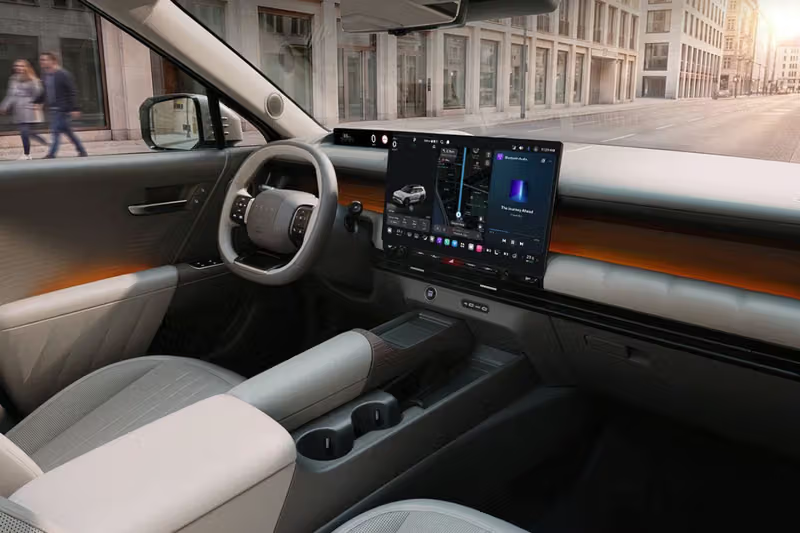
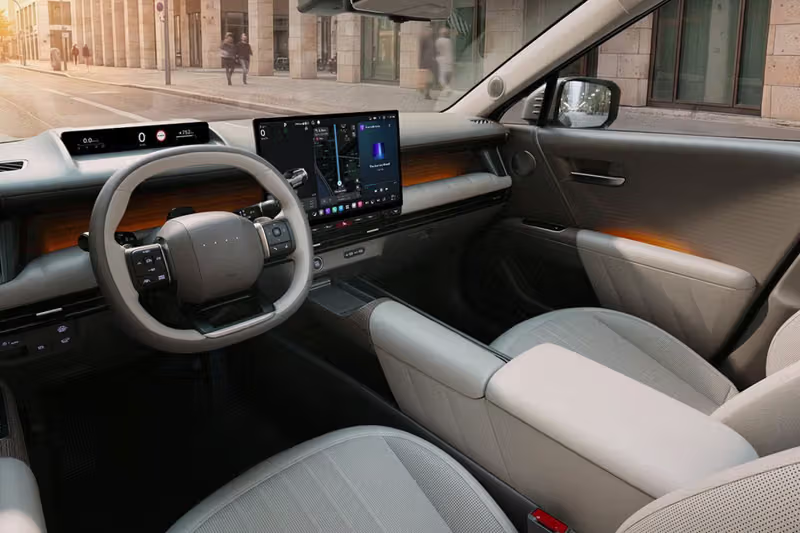
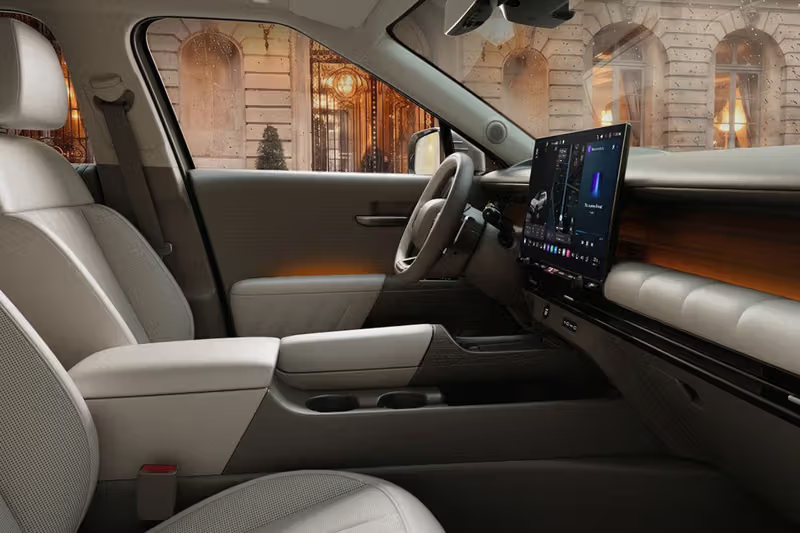
The interior sees the biggest overhaul this time around. Gone is the previous generation's dual curved-screen layout, replaced by a single tablet-like Pleos infotainment display. A floating dashboard, orange accent trim, and vents that visually separate the upper and lower sections all combine to give the cabin a more futuristic feel. In front of the driver sits a narrow digital gauge cluster, paired with a squircle-shaped four-spoke steering wheel. The center console features a stacked design with a built-in wireless phone charger, and soft-touch materials are used extensively throughout.
For buyers who want something more rugged, the XRT trim is sticking around. This version gets its own exclusive squared-off front bumper, a separate rear bumper, and prominent skid plates, with body trim switched to black and distinct badging. Inside, it comes with second-row protective floor mats, while outside, the tailgate adds a new touch-sensitive LED light bar.
Powertrain specs haven't been announced yet, though Hyundai says it will continue offering gas, hybrid, and plug-in hybrid options side by side. The new model is expected to launch first in South Korea this October, with rollout to other major markets following in early 2027. Dimensions have grown as well—the new model stretches 185 inches long, up 2.3 inches over the outgoing generation, with track width widened by 1.5 inches and wheelbase extended to 109.6 inches. Thanks to the longer roofline and extended wheelbase, second-row headroom gains more than an inch, and the door openings are wider, making it easier to get in and out.