Joshua Renfroe’s BEAU Portrays 22 Black Men Across 288 Pages of Portraiture
Published October 23, Joshua Renfroe’s BEAU: The Black Male Mystique features 22 Black men across generations, including André Holland. Clothing, poses and the history of portraiture offer ways into its 288 pages.
Brooklyn-based photographer Joshua Renfroe’s new book BEAU: The Black Male Mystique was published on October 23, 2026. Across 288 pages, it presents portraits of 22 Black men across generations, including Moonlight actor André Holland. The number 22 refers to the people portrayed, rather than a total of only 22 photographs. Moving from boyhood to adulthood, the work brings clothing, posture and the relationship of looking into the conversation, rather than defining one appearance that Black men should embody.
Where does the name BEAU come from?
The title draws on the French word for “handsome” and connects with Renfroe’s upbringing in Tuskegee, Alabama. During his final year of high school, he participated in the Orchid Club Beautillion, a coming-of-age tradition that formally introduces young men, known as Beaux, to their community. Read against that background, a portrait is more than an attractive photograph: it also concerns how a person is seen by family, community and wider society. The title carries both an aesthetic meaning and a context of identity taking shape.
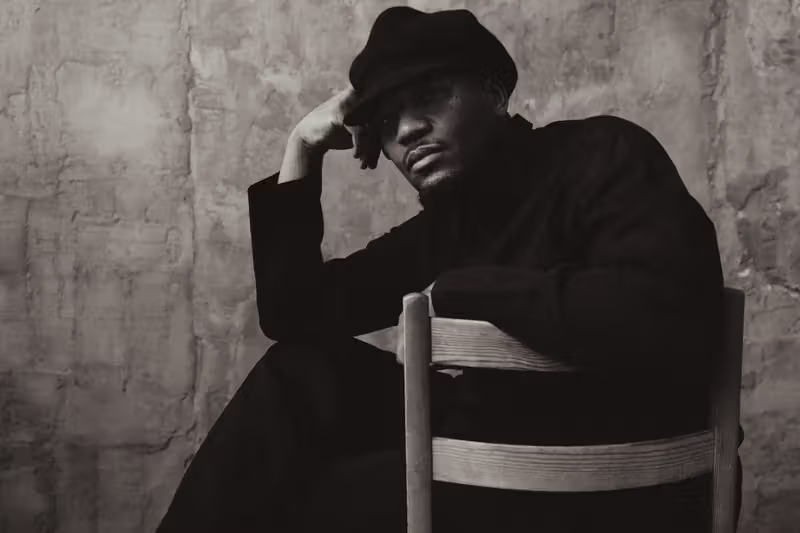
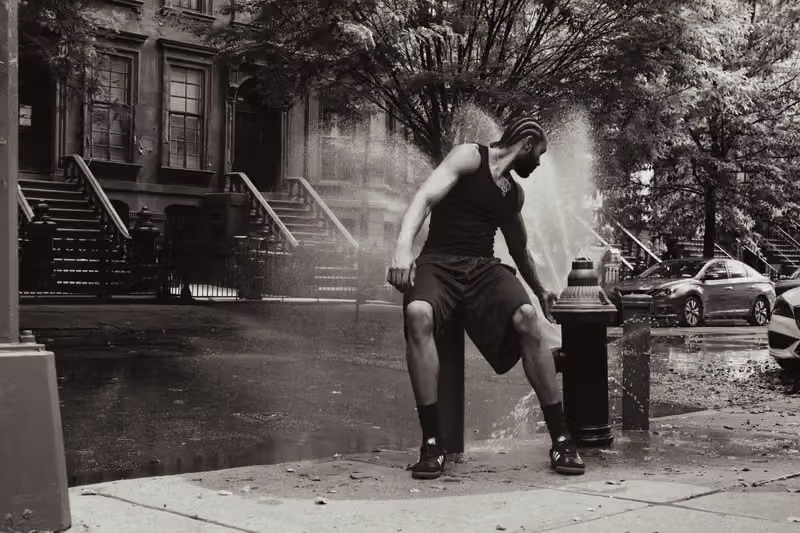
In the released images, a seated portrait in dark clothing and a cap uses a chair back, a raised hand and the body’s diagonal to hold the garment’s outline in shadow. Another street photograph connects a body to its surroundings through a tank top, shorts, wet ground and water beside a hydrant. Clothing offers an entry to both images, but their visual priorities differ: one gathers movement inward, while the other opens out into space. Black-and-white photography makes the layers of light, skin surfaces, fabric and background tangible, rather than giving every subject the same pose.
A street portrait connects a person and their surroundings through a tank top, shorts, water and architecture.
What can a portrait hold?
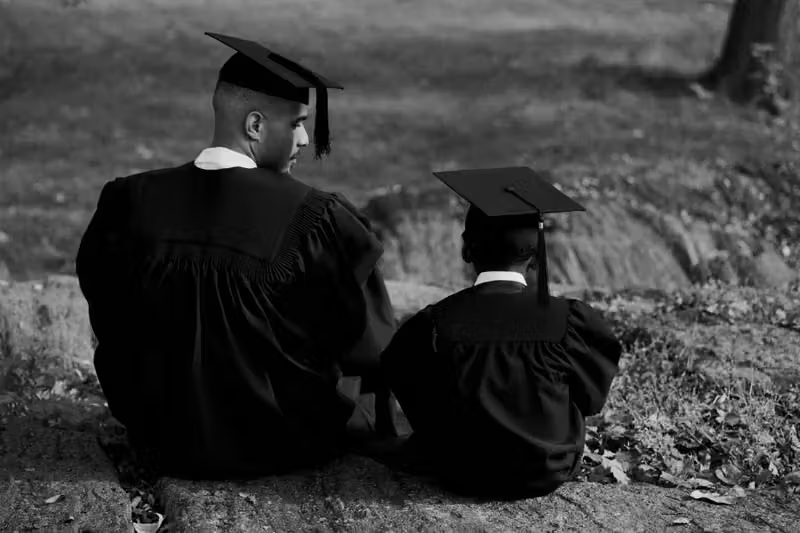
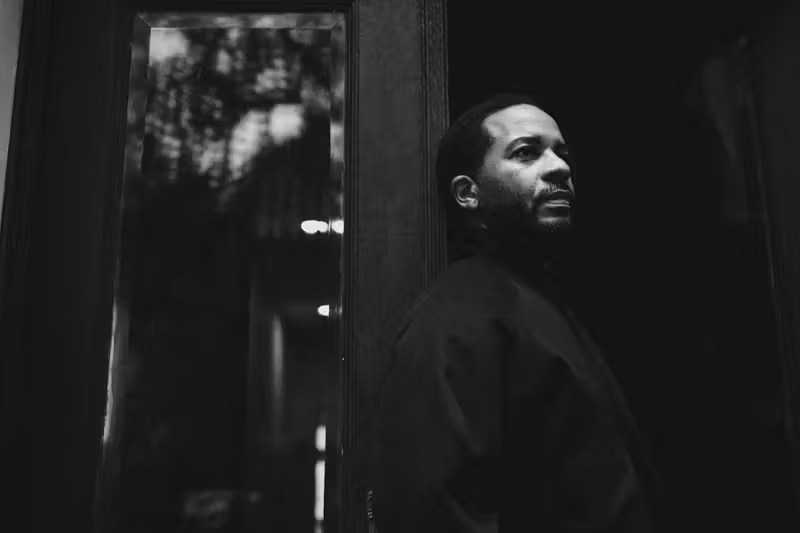
Another work places two figures in graduation gowns side by side on grass, building a dialogue through their backs, shoulder lines and differing body shapes. A doorway portrait turns a face to the side, holding it apart from reflections in glass. These arrangements allow a person to remain the center of a picture without facing the camera directly. Without specific information, the two graduates’ family relationship and the year of each exposure should not be supplied as invented stories. Begin with visible gestures while leaving space for what a subject has not disclosed or what has not been explained.
Two figures in graduation gowns sit together on grass, contrasting backs and shoulder lines.A figure turns sideways in a doorway, with outdoor reflections in the adjacent glass.
One historical reference for the book is the nineteenth-century abolitionist Frederick Douglass’s use of photography. The US National Park Service records more than 160 photographs and portraits, through which he actively shaped an image of dignity and challenged racist prejudices. That history makes contemporary portraiture more than an aesthetic choice: it also asks who can determine how they appear. Bringing Renfroe’s contemporary subjects into relation with this history does not make their circumstances identical; it continues the question of self-representation.
How do photographs and page design work together?
Alongside Renfroe’s photography, the book includes additional writing by Curtis Taylor Jr. and design by Fred Sands IV. Photographs, words and pages do different work: images establish relationships between gaze and body, writing supplies context, and layout affects pauses and transitions. Across 288 pages, look beyond recognizing a familiar actor to consider how individuals remain distinct within a sequence. Celebrity and non-celebrity subjects need not become versions of the same life model.
Readers interested in streetwear can also begin with cap brims, collars, shoulders and the proportions of shoes and trousers, then return to the distance between person and camera. The same dark garment changes when someone sits, turns or moves outdoors. For further historical context, read the official account of Frederick Douglass and the power of photography, then compare it with BEAU’s contemporary images, observing how clothing, gaze and setting each participate in the making of a public image.