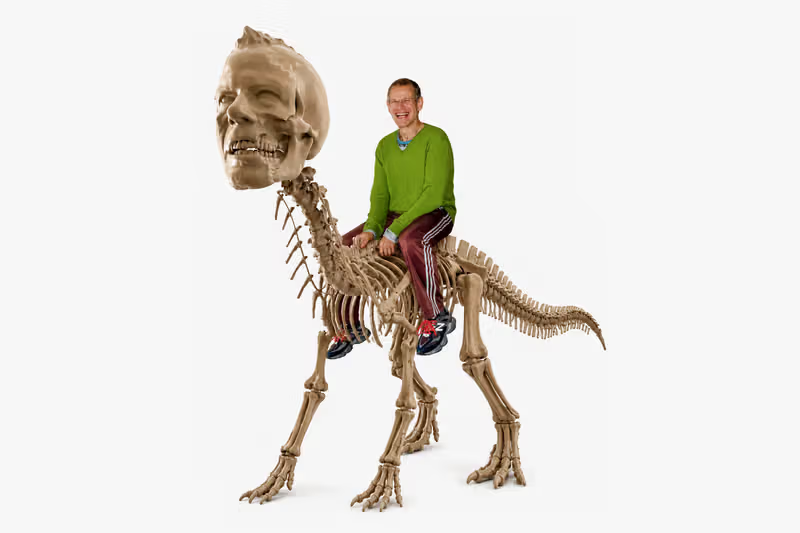
Asked to grade this year in art, Kenny Schachter doesn't give a straight answer. "As long as I'm alive, of sound mind, and can still walk and move, it's a good year for art," he says, before adding, "The rest of my life is a different story—don't ask." The dodge is self-deprecating, but it also perfectly captures the attitude he circles back to throughout the interview: rather than dwelling on how bad the art world supposedly is, spend your time actually making things.
Schachter—artist, critic, curator, lecturer, and collector—has spanned the industry for over three decades, best known for turning his insider access into sharp, often self-mocking commentary that zeroes in on the human folly and absurdity of the art market. This interview is part of "State of Art," a new series from Hypebeast's art platform HypeArt that invites creators, curators, and collectors within the art world to weigh in on current issues and personal observations.
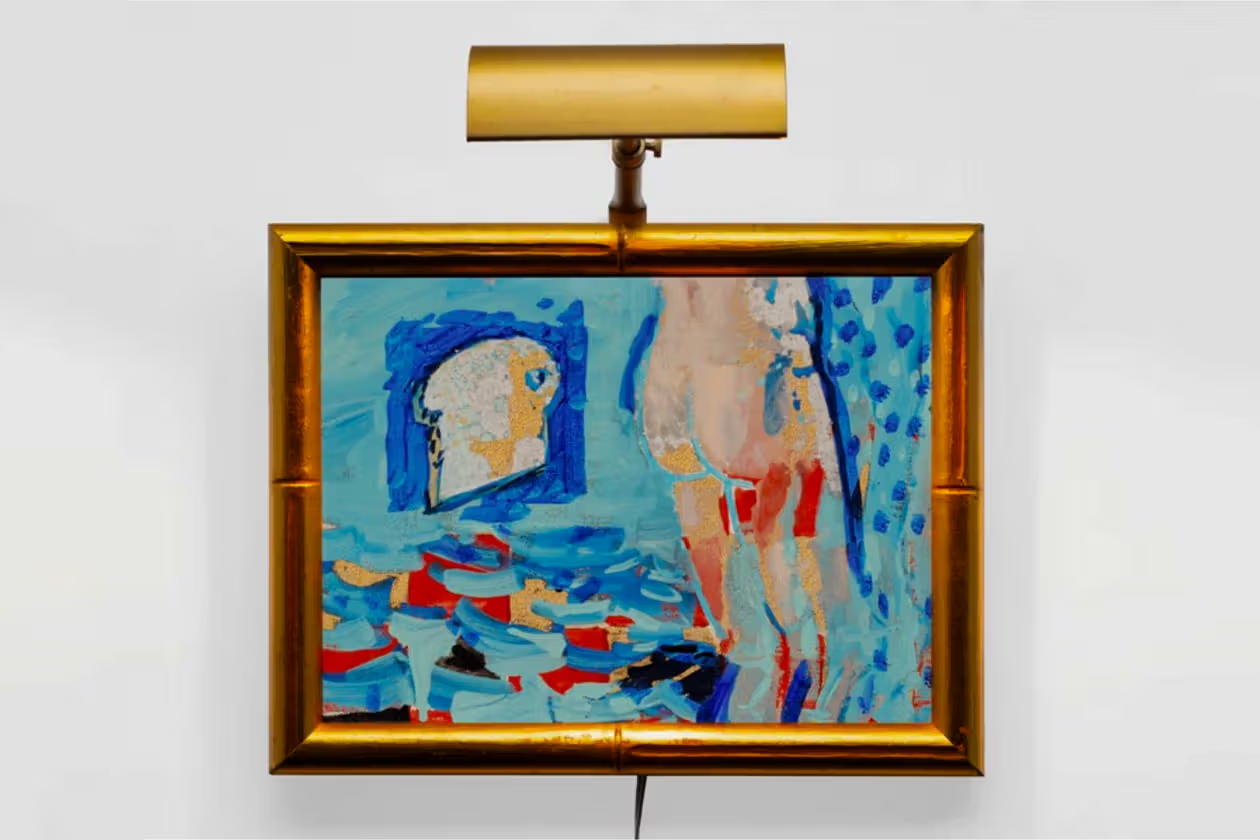
The one moment Schachter truly lets his guard down throughout the interview is when the conversation turns to Paul Thek. His fascination with the late American artist has spanned over three decades—he's collected Thek's work, contributed to the book Paul Thek: Artist's Artist, and curated several exhibitions of Thek's art, including a 2025 show with Jonathan Anderson at Thomas Dane Gallery in London. Asked about the exhibition he can't stop thinking about from the first half of this year, he doesn't hesitate: Thek's solo show at Galerie Buchholz in New York.