KMFA’s tamas opens October 31: seven free performances trace body and identity
Lihan Umaw brings stone striking, mud smearing and walking to KMFA’s B1 KSpace. The exhibition runs October 31–December 13, with seven half-hour performances offered free and without registration.
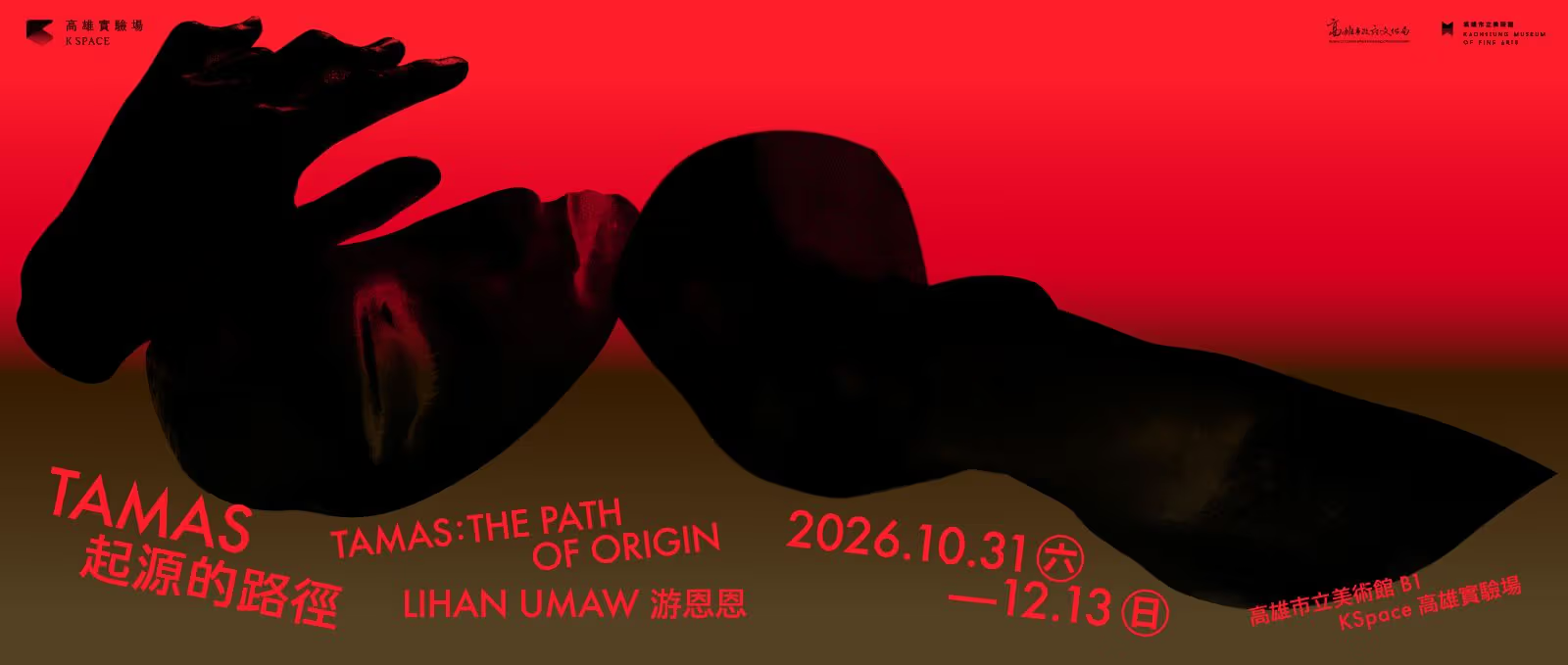
Kaohsiung Museum of Fine Arts (KMFA) will present Lihan Umaw’s tamas: The Path of Origin at KSpace on its basement level from October 31 to December 13. Traces left by striking stones, smearing mud and walking provide an entry point into questions of body and identity. The exhibition includes seven performances of tnpusu, each lasting half an hour, with free admission and no registration required. Visitors interested in how action changes a space can choose a performance date, rather than treating the gallery solely as a display of static objects.
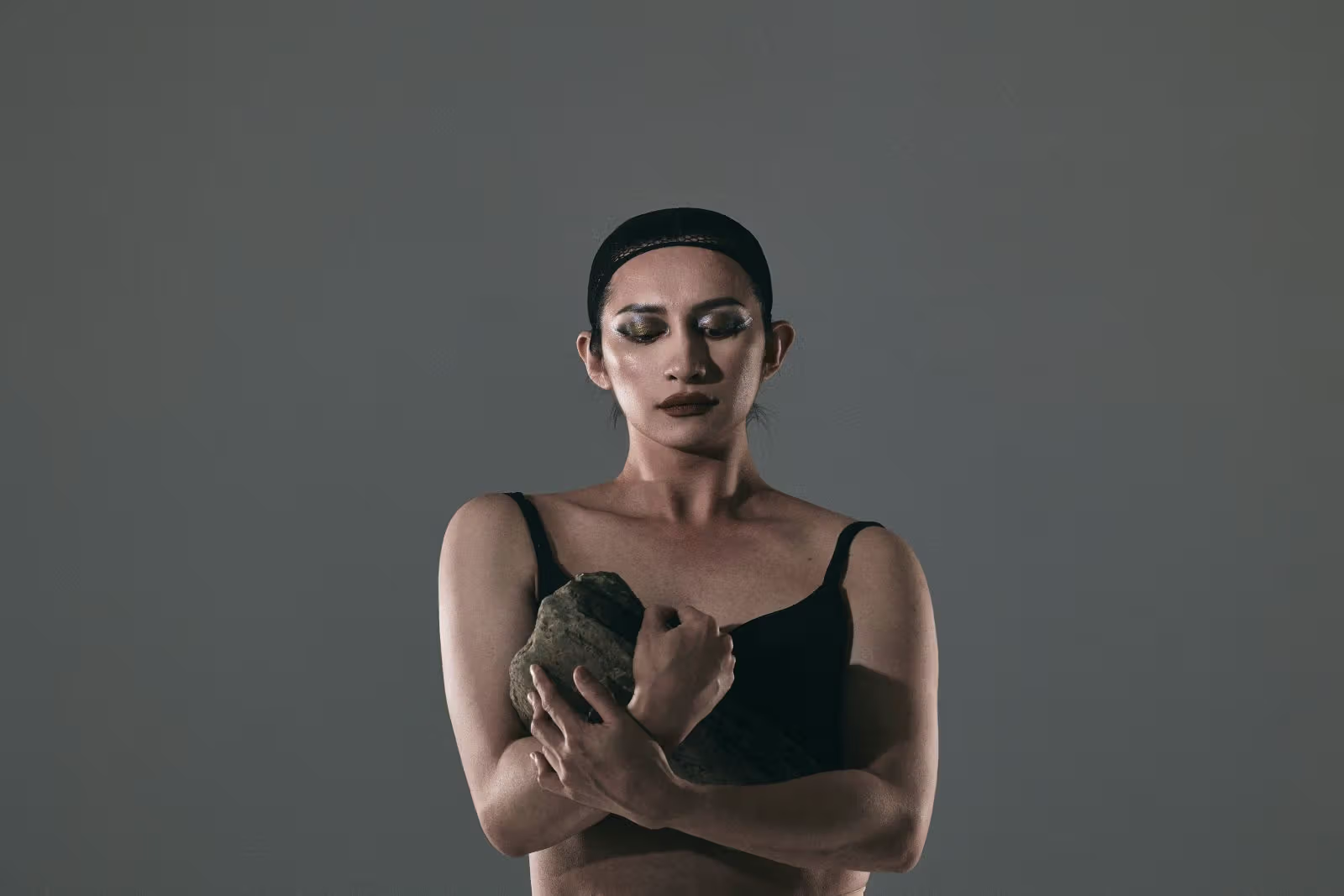
The official introductory portrait of Lihan Umaw.
In the Truku language, tamas means a marking. Depending on context, it can refer to signs hunters leave in the mountains, animal tracks or indications of a route home. Within a museum, the concept suggests a different order of looking: first identify what has been left behind, then ask which actions, bodies and experiences make the materials readable as traces. Origins thus connect not only to the beginning of a story, but also to the repeated process of returning to oneself.
How do broken stone, mud marks and threads become an artwork?
The exhibition essay describes stone fragments, smeared mud and threads in the space as materials bearing the results of bodily movement. Striking breaks a solid stone into pieces, smearing brings the body into contact with a surface, and walking introduces time into a route. Looking at actions alongside their resulting forms offers more insight than simply identifying the materials: the work includes not only its final appearance, but also the process by which it takes shape.
Actions will unfold through the seven performances during the exhibition, making repetition and accumulation important viewing cues. Visitors familiar with dance or moving images can consider how a body controls force, speed and direction; those interested in installation or spatial design can observe how traces alter their perception of a place. Maintain a safe distance from the performer and artworks and follow the on-site signs. The artist’s stone striking and mud smearing should not be understood as activities visitors may try themselves.
From Truku origin mythology to identity today
Born in Hualien in 1990 and now based in Kaohsiung, Lihan Umaw has long used bodily action and performance to explore the intersection of Truku and gender identities. The artist received Merit Awards in the Pulima Art Award’s performance competition in 2023 and 2025. In tnpusu, the starting point is Truku origin mythology: beyond the three spirits, might the great stone contain other presences not yet recognized or named? Myth and the contemporary body meet here, opening questions about how identities are classified and who has the authority to name them.
When are the seven performances, and how should you plan a visit?
The first performance is October 31, 14:00–14:30. It is followed by November 8, 14:30–15:00; November 13 and 18, each 15:00–15:30; November 29, 11:00–11:30; December 2, 15:00–15:30; and December 13, 14:00–14:30. All seven are free and require no registration. Check the KMFA exhibition and performance notice for any changes.
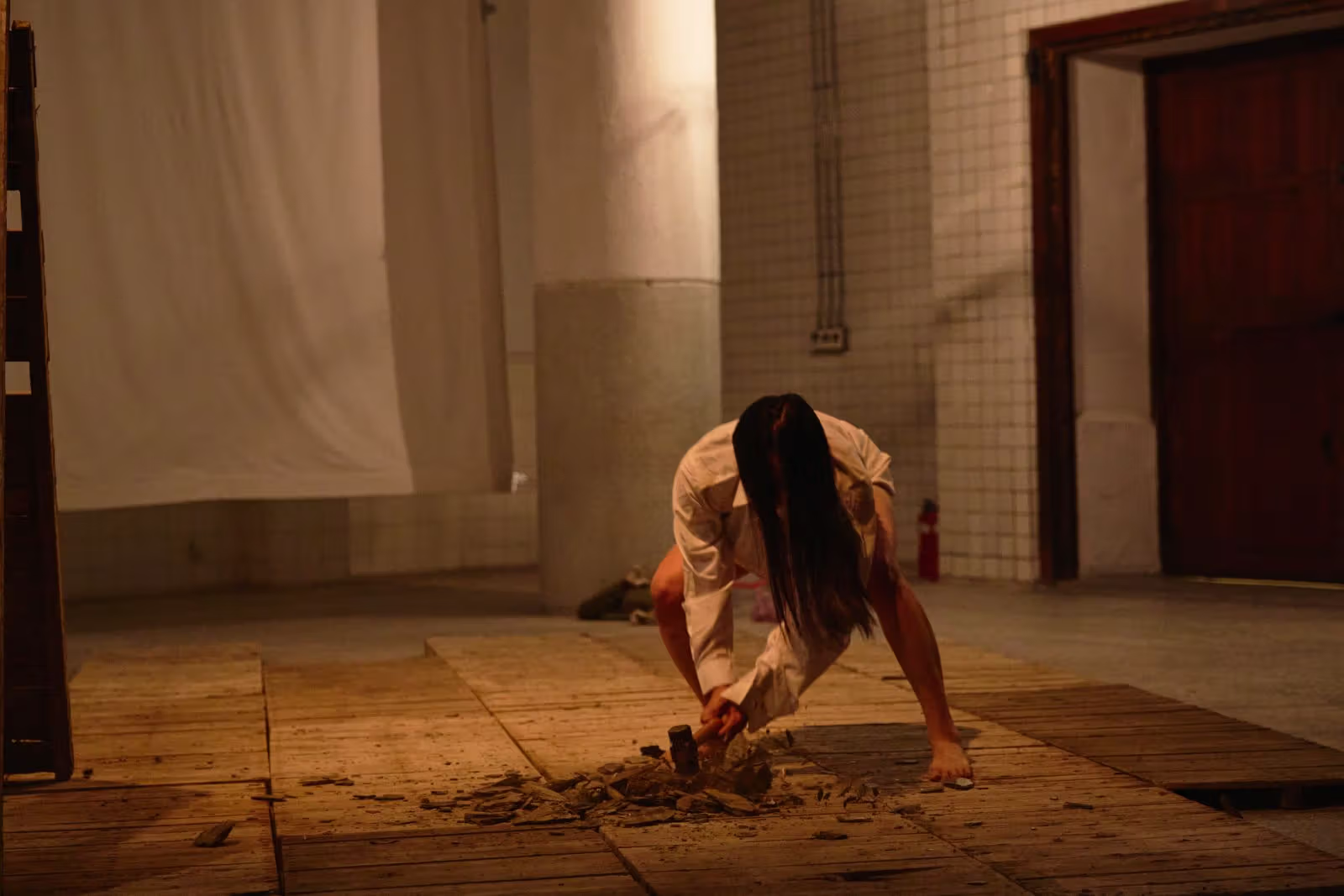
KMFA is at No. 80, Meishuguan Road, Gushan District, Kaohsiung; the exhibition entrance is near Meishu East 2nd Road. Regular hours are Tuesday to Sunday, 9:30–17:30, with Monday closure. Visits to other exhibitions in the museum are subject to their respective ticketing rules. The official stone-striking photograph documents a past performance and offers a first look at the artist’s actions. The new traces left in KSpace from October 31 onward will form the part that develops gradually during this exhibition.
A record of a past tnpusu performance, not a view of this KSpace exhibition.