A sculpture made of corrugated cardboard and gold wrapping paper hangs on the wall like a bulky chain, reading "CNN-CHAIN." Thomas Hirschhorn's 2002 piece, measuring a sprawling 98 1/2 x 31 1/2 x 4 inches, uses cheap, throwaway materials to draw a direct equivalence between news media and bondage through the shape of a "chain." This technique of forging heavy metaphors out of humble materials makes it one of the most memorable pieces in "Turn the volume up!", the new exhibition at the Nasher Museum of Art at Duke University.
從海報到紙板鎖鏈:那舍美術館用五種語彙攤開美國異議史

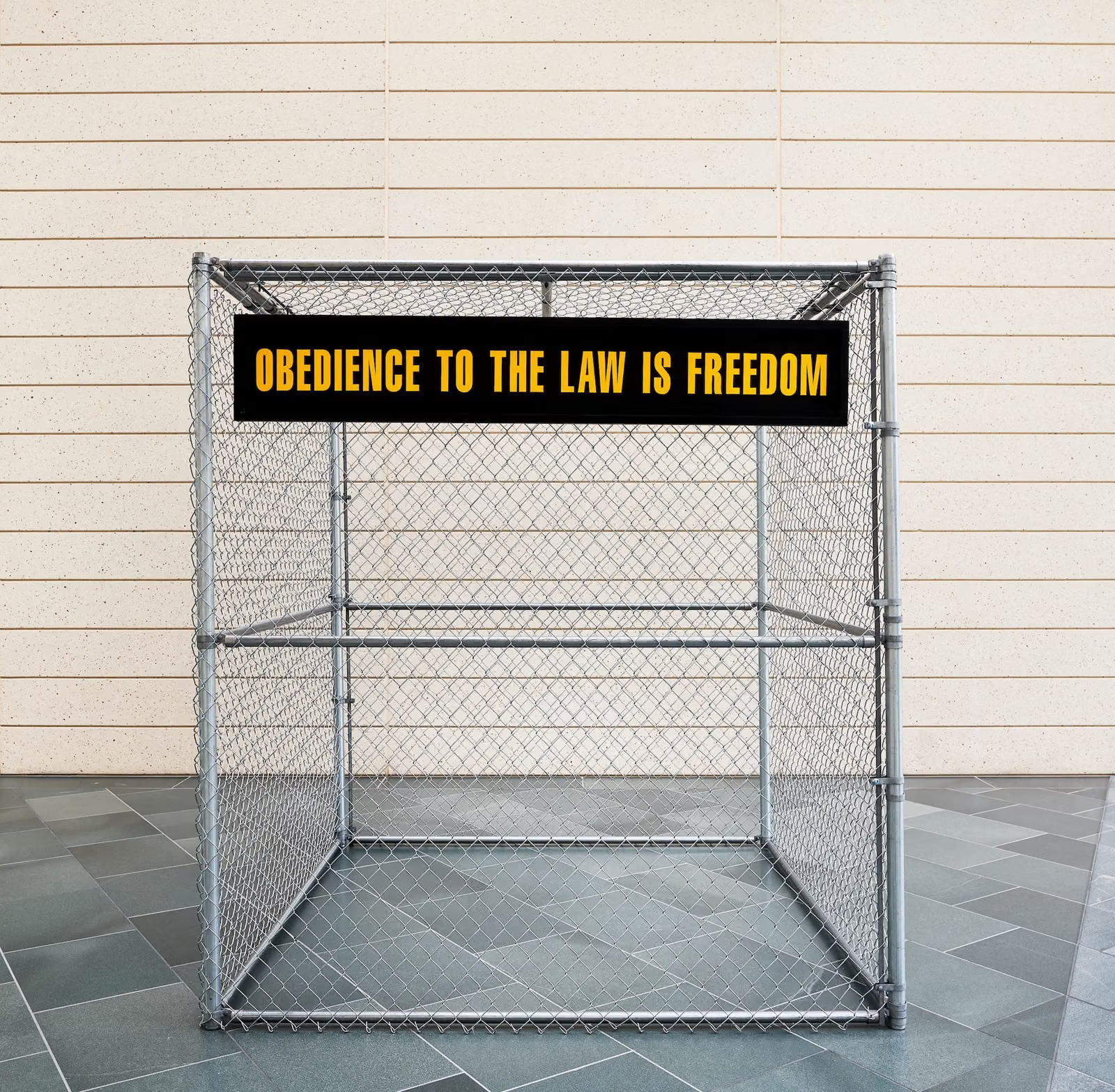
The exhibition divides its collection into five thematic sections: Remarks, Organize, Records, Dissents, and Petitions—breaking down the act of "speaking up" into five modes of action: speech, organizing, documentation, dissent, and petition. Works will rotate throughout the exhibition period, so visitors won't see the entire collection in one visit, but each trip may reveal a different combination. The exhibition opens August 27 and runs through July 11, 2027; the museum's concurrent show "Everything Now All at Once" runs through November 1.
從海報到紙板鎖鏈:那舍美術館用五種語彙攤開美國異議史

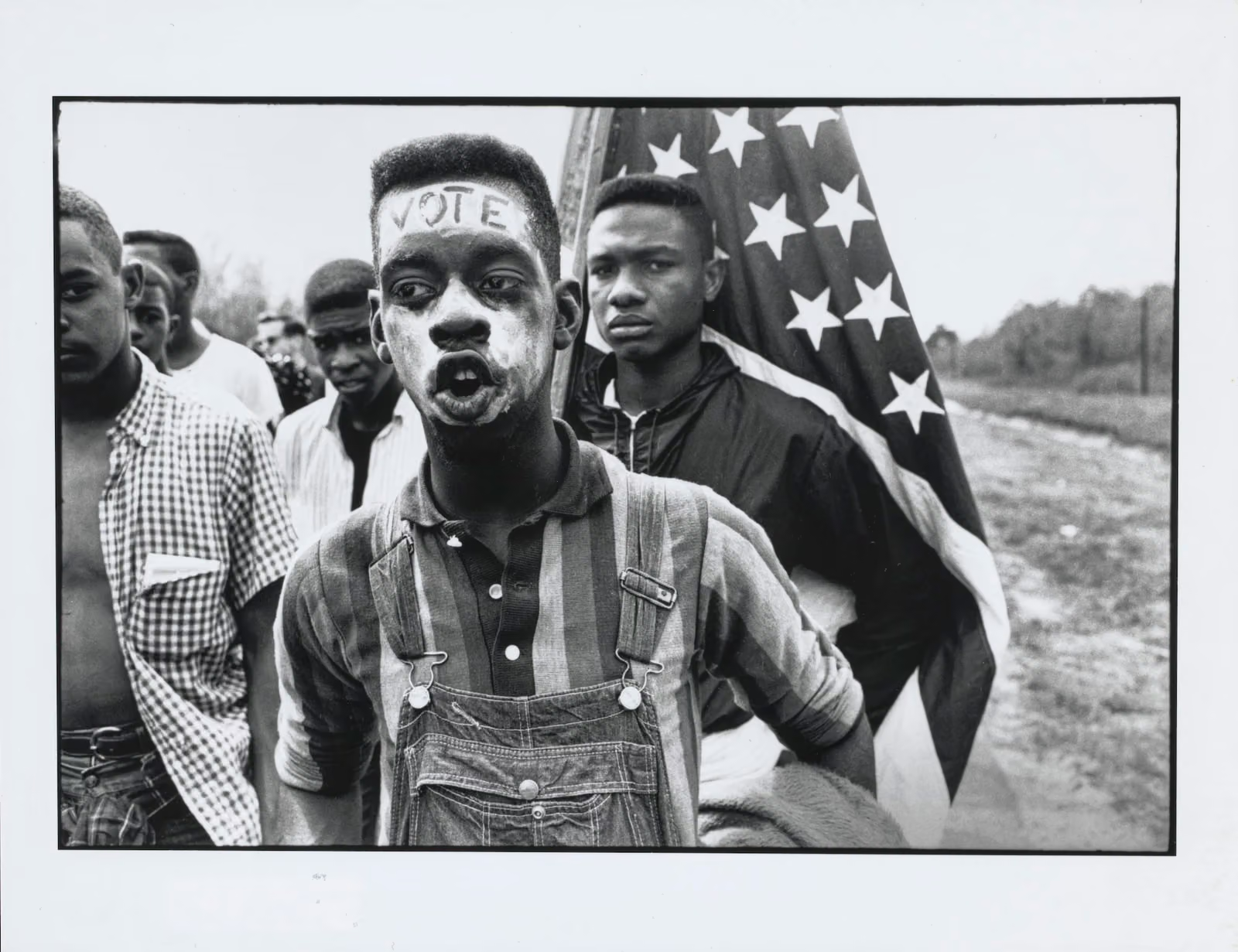
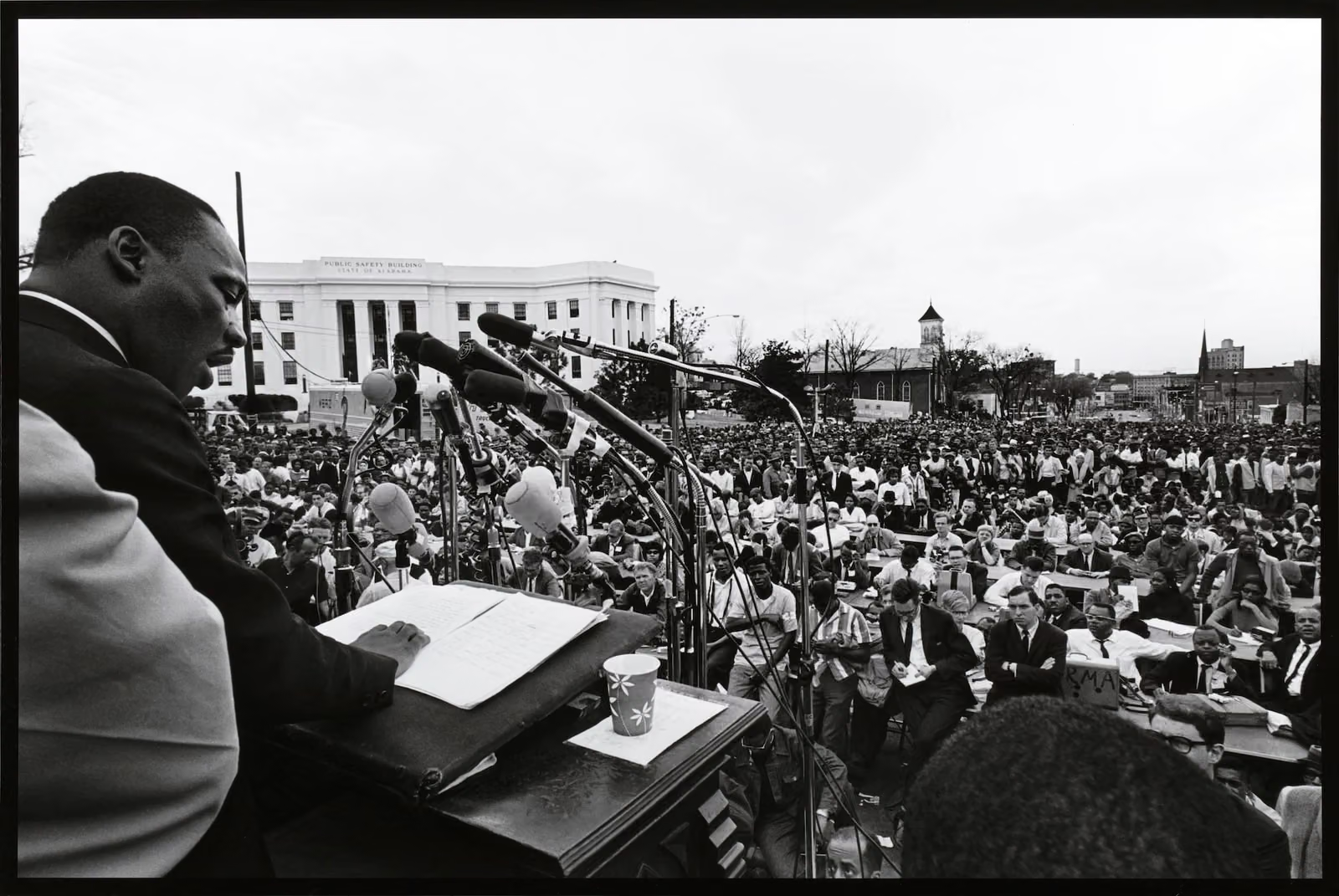
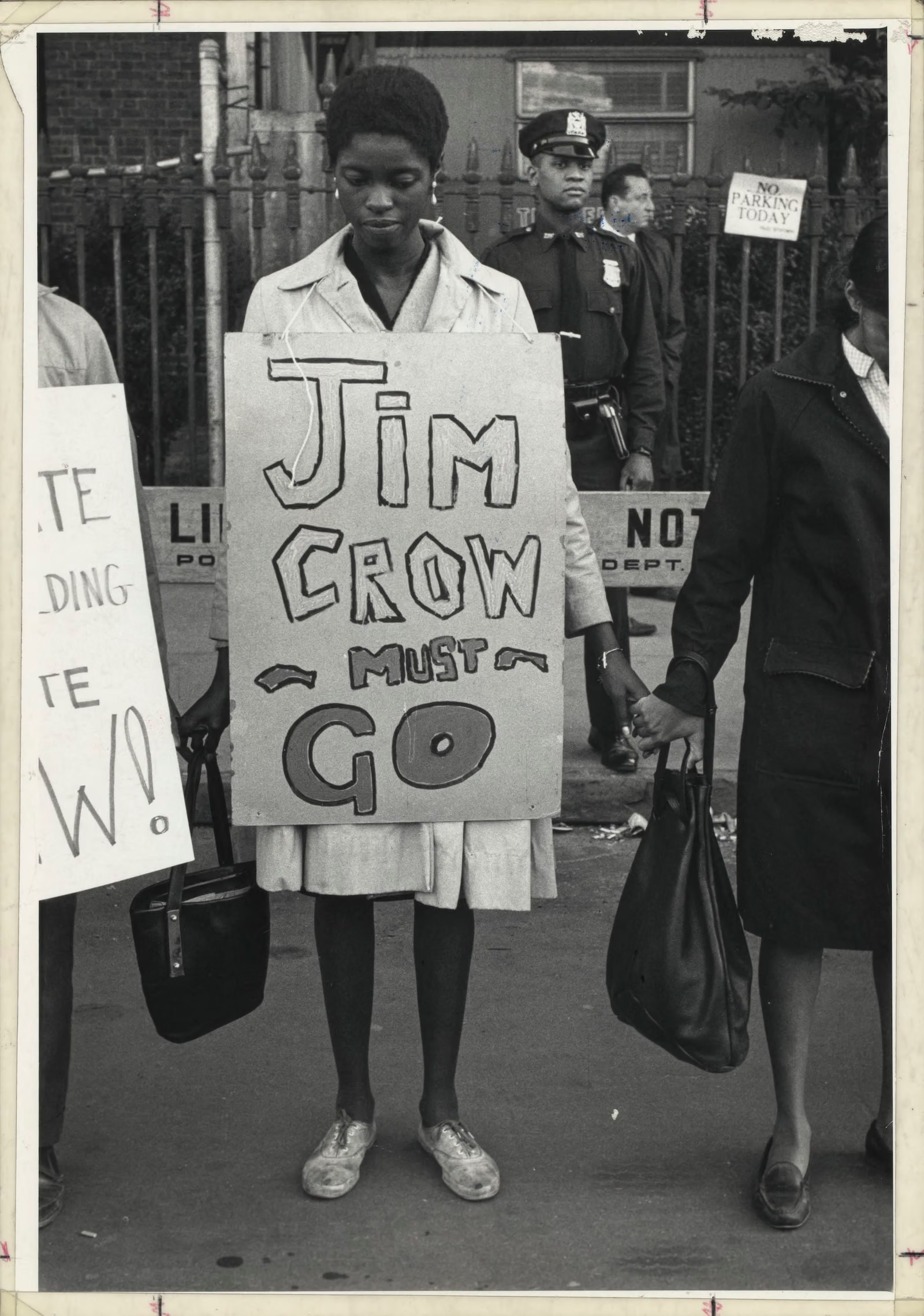
The photography section includes two works from Bruce Davidson's "Time of Change" series: a 1962 gelatin silver print measuring 10 x 8 inches, and an 8 x 11 inch piece shot between 1963 and 1965, printed on resin-coated paper. Davidson spent years documenting the Jim Crow-era South and impoverished communities in New York City, capturing scenes with unflinching directness. Also documenting the Civil Rights Movement is Spider Martin's "Dr. King Speaks to the Crowd of 25,000 People at the March's End," shot in 1965 and printed as an archival digital print, 24 x 35 1/2 inches, numbered 2/3.
從海報到紙板鎖鏈:那舍美術館用五種語彙攤開美國異議史

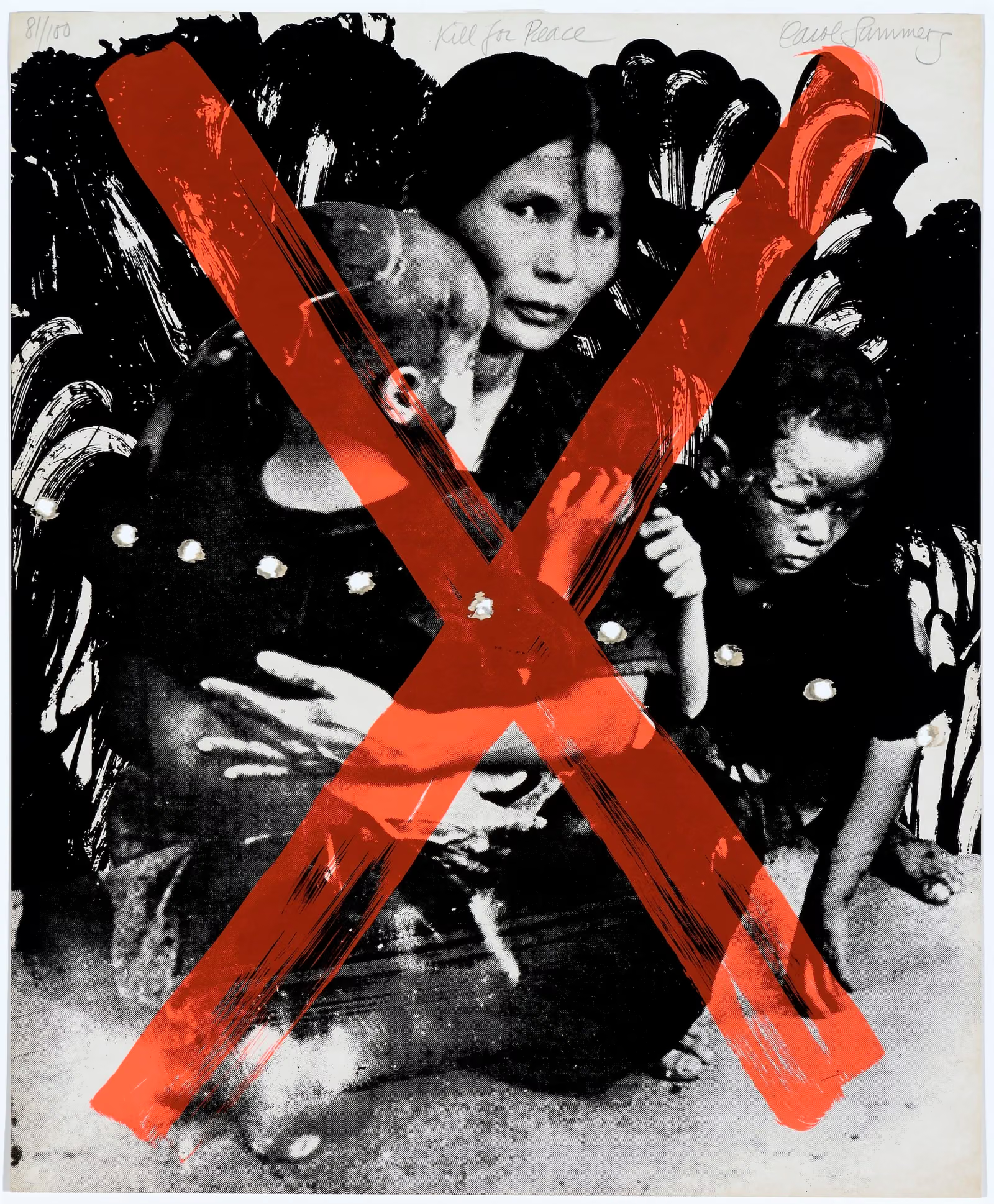
Reaching further back, Kara Walker's "Confederate Prisoners Being Conducted from Jonesborough to Atlanta," drawn from her 2005 portfolio "Harper's Pictorial History of the Civil War (Annotated)," layers lithography with silkscreen at a sprawling 39 x 53 inches, edition 35/35—her signature technique of altering Civil War-era illustrations to interrogate racial stereotypes. Meanwhile, Carol Summers' 1967 silkscreen "Kill for Peace" shows a massive red "X" stamped directly over a photograph of a Vietnamese mother and child, measuring 23 1/2 x 19 1/4 inches, edition 81/100, part of an anti-Vietnam War series organized by "Artists and Writers Protest"—a message so blunt it needs no title to explain itself.

從海報到紙板鎖鏈:那舍美術館用五種語彙攤開美國異議史

The exhibition also includes posters the Guerrilla Girls plastered across Manhattan streets in the 1980s, calling out the persistent erasure of women artists in visual art and pop culture—a practice that turned public space itself into the medium, no gallery wall required. From this poster to Hirschhorn's cardboard chain lies a complete overhaul of material, era, and target of protest, yet the stance remains the same: turning discontent into something visible, something you remember.

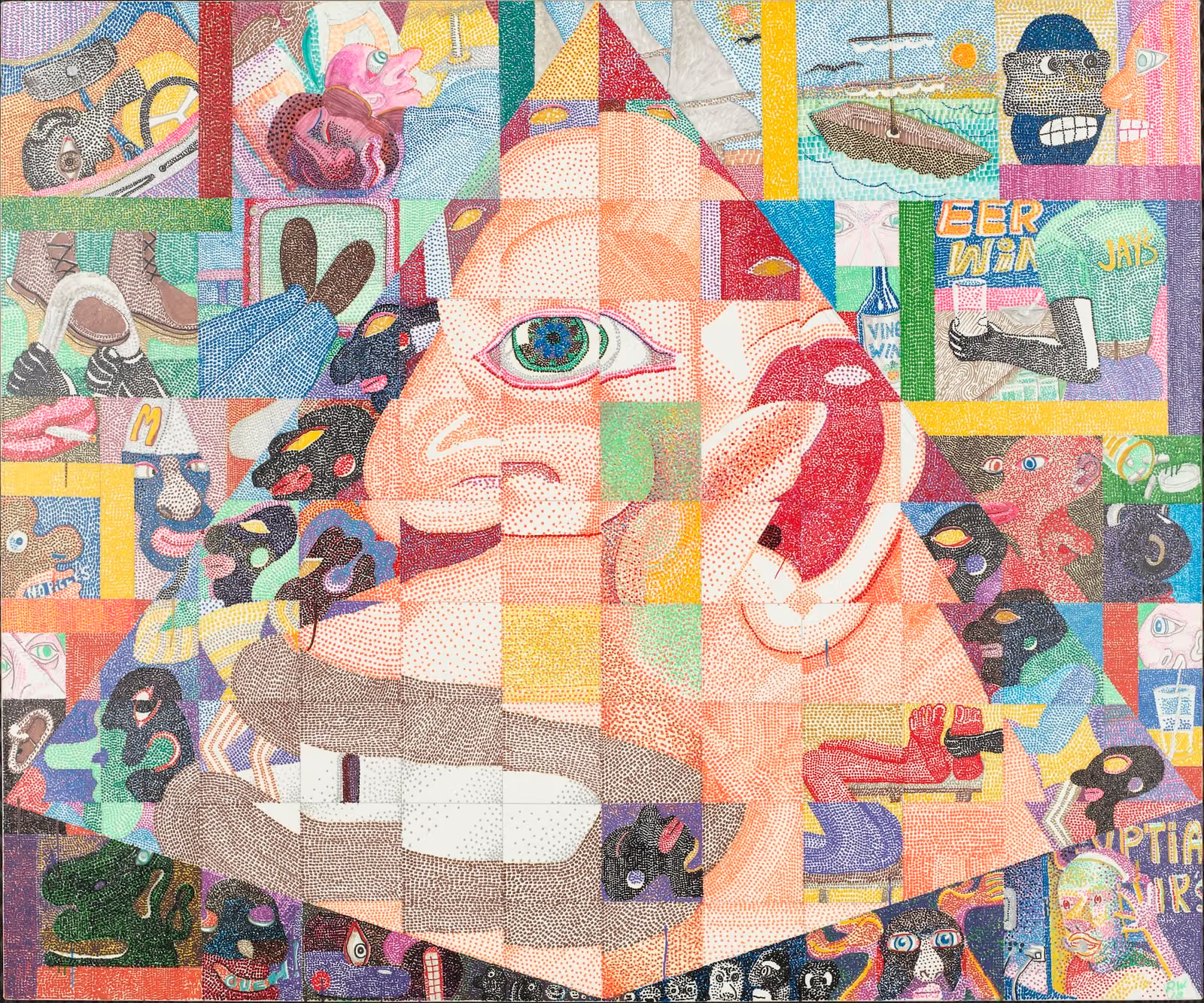
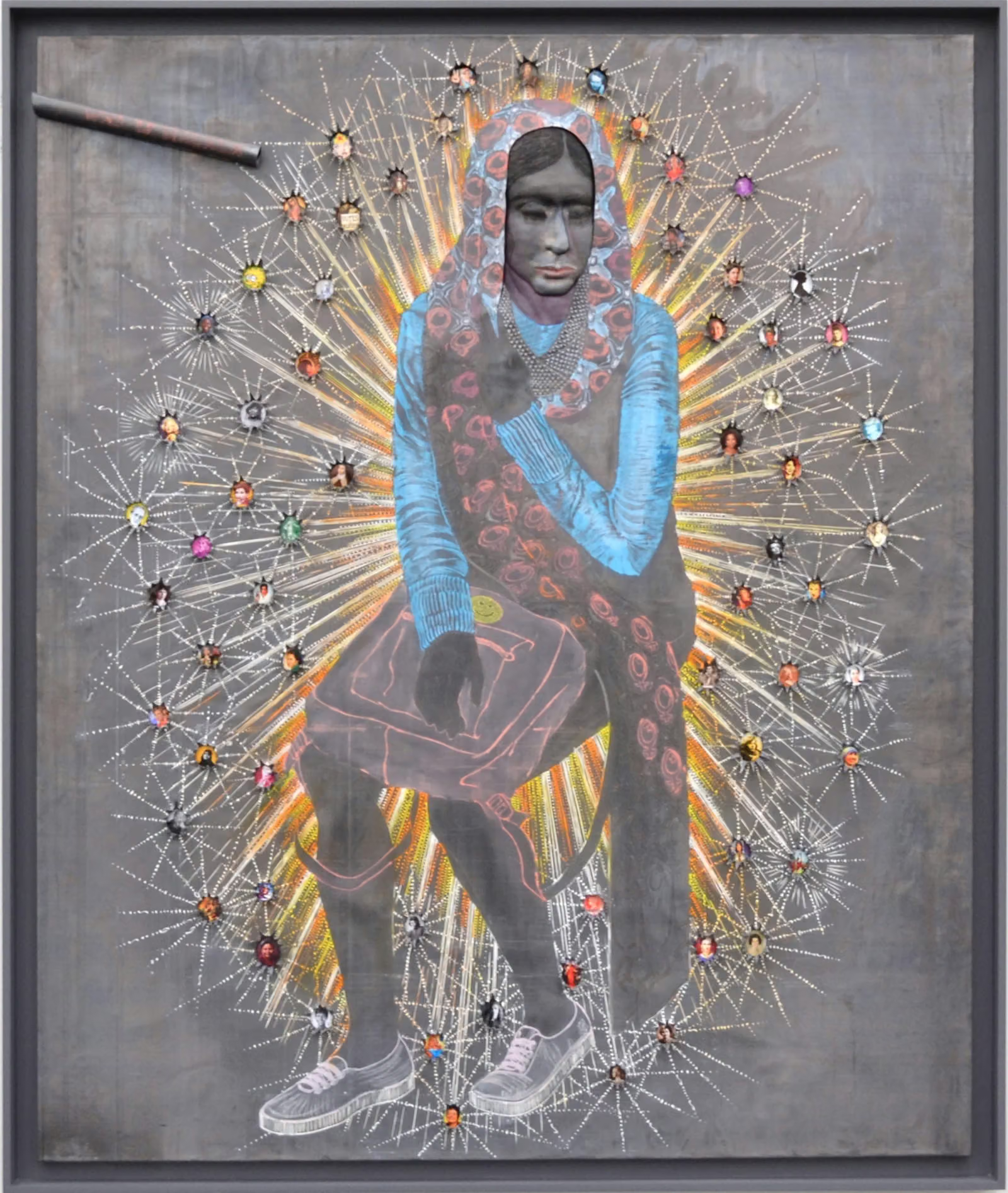
The exhibition also features Sam Durant's steel and wood sculpture "…For People Who Refuse to Knuckle Down" (2004, 90 x 82 x 82 inches), Carlos Vega's mixed-media work combining oil paint and etched lead plate, "Who is Malala" (2016, 62 3/8 x 52 3/8 x 2 5/8 inches), and Peter Williams' 2019 oil painting "Incarnation" (60 x 72 inches). For tickets and detailed schedule information, please visit the official Nasher Museum website.

從海報到紙板鎖鏈:那舍美術館用五種語彙攤開美國異議史