Suh Se Ok and Suh Do Ho in Seongbuk: Door Handles, Ink Figures and a Free Exhibition Through December 20
Seongbuk Museum of Art’s Caressing the Memory places ink painting, rubbings and thread drawings around a hanok shared by father and son. Here are the 2026 works, pieces from earlier years, exhibition dates, opening hours and free-admission arrangements.
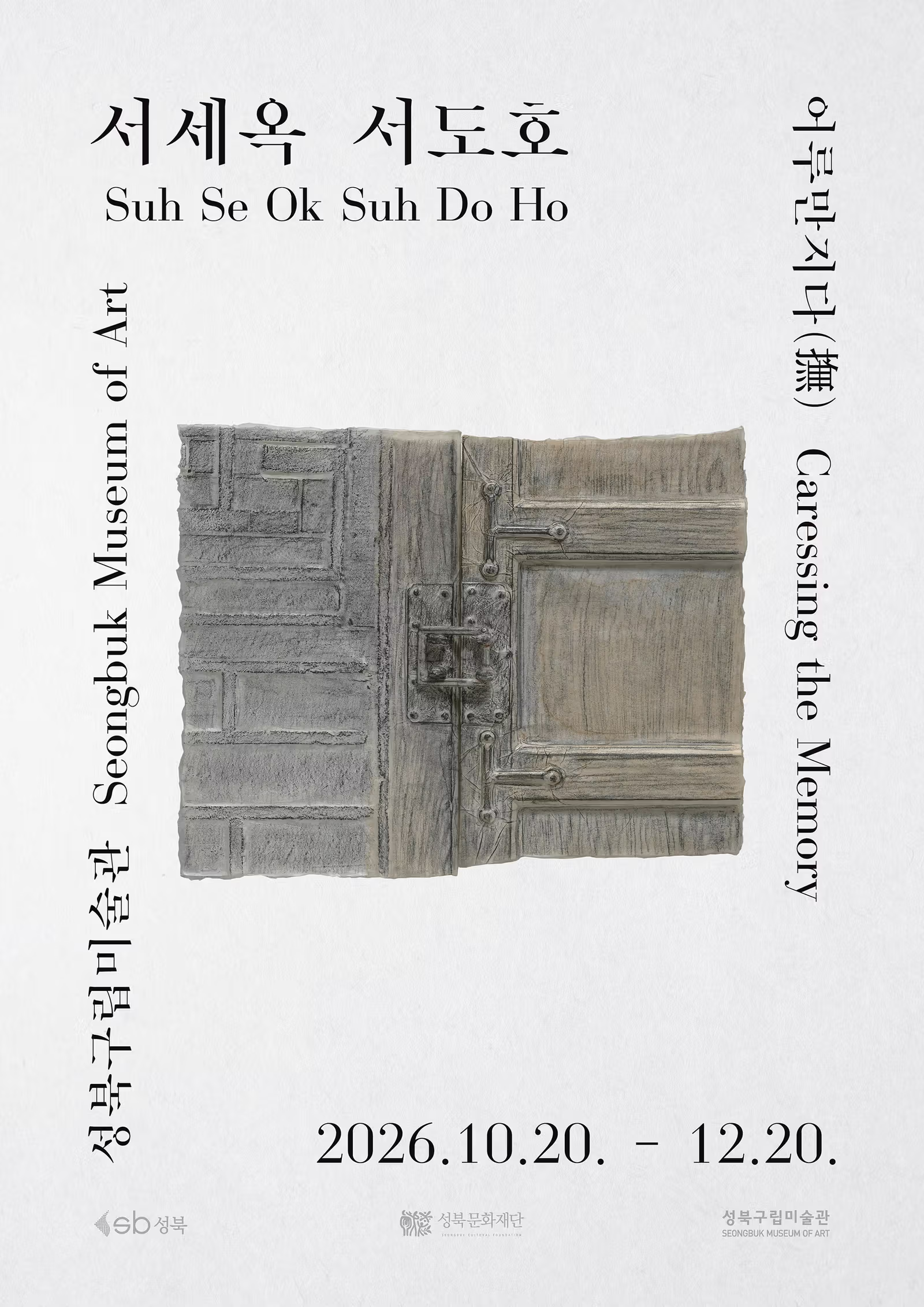
How much family memory can a door hold? Seongbuk Museum of Art in Seoul is presenting Suh Se Ok·Suh Do Ho: Caressing the Memory, bringing the father’s and son’s works into a shared context of home. Running from October 20 to December 20 with free admission, the exhibition is a special presentation within the first Seongbuk Art Week. Its starting point is their shared residence: doors, walls, stone objects and everyday collections in a Seongbuk-dong hanok reveal how one dwelling became creative material for two generations.
One hanok, two understandings of home
In the 1970s, Suh Se Ok built a hanok with reference to Yeongyeongdang at Changdeokgung Palace. He named it Musongjae and lived among favourite objects such as unusual stones and Buddhist sculptures, connecting poetry, painting and daily life. The house was also an important setting for the development of his Human series in the late 1970s. Suh Do Ho grew up in this world, then lived in places including New York and London after leaving Seongbuk-dong, gradually rethinking residence through portable homes. The father cultivated a home as his own world; the son made it reappear through movement and memory. Their approaches are not simply the same nostalgia.
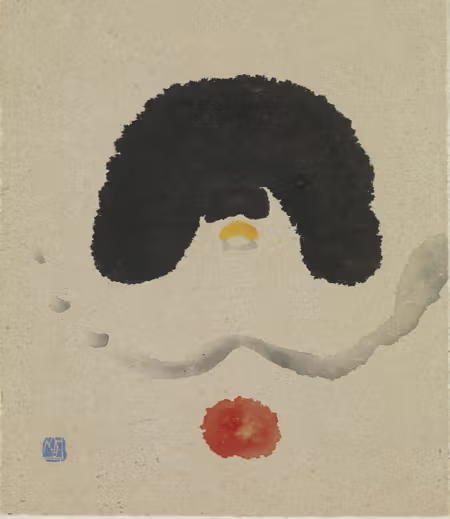
The exhibition’s first part considers home as a space for thought and memory. Suh Se Ok’s Namhyangjip, or south-facing house, and Dongne, or neighbourhood, sit alongside his subjects of unusual stones, narcissus and lingzhi mushrooms, shifting attention from the building’s appearance to its occupant’s choices. Namhyangjip, dated 1977, uses ink and colour on paper. Black, grey and small areas of colour do not catalogue every architectural detail, but retain a condensed image. Looking at the house also means considering what the artist chose to preserve.
Suh Se Ok, Namhyangjip, 1977, ink and colour on paper; artwork image.
From the texture of a door handle to lines between people
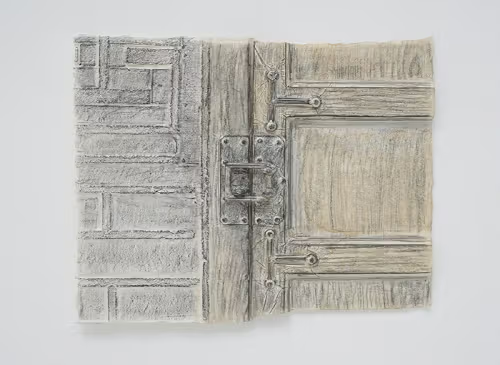
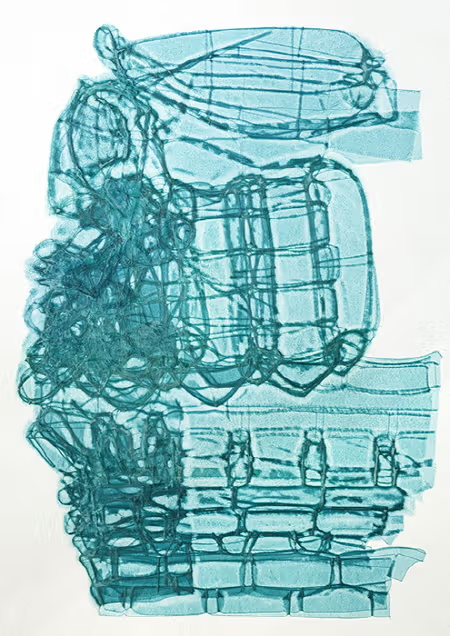
Suh Do Ho’s new works bring touch to a smaller scale. Doors, wall patterns and garden stone objects that his father once touched become subjects for rubbings and tracing. Door handle, a 2026 work in graphite on mulberry paper, retains details of door panels, brick patterns and hardware. A fragment can carry spatial clues without moving the entire house; attention shifts from a familiar door shape to marks left by a textured surface.
Suh Do Ho, Door handle, 2026, graphite on mulberry paper; artwork image.
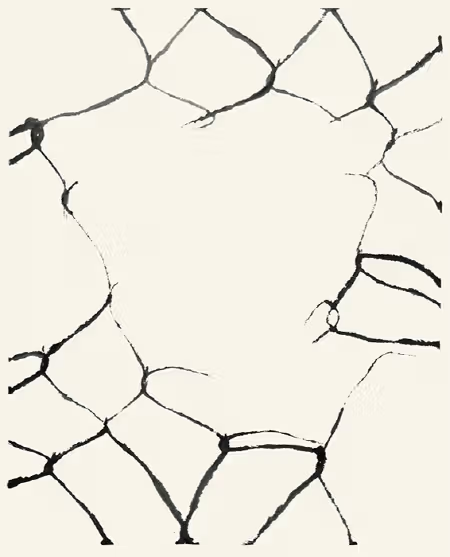
The second part turns to people, existence and time, placing Suh Se Ok’s Human series alongside Suh Do Ho’s thread drawings and 2026 Karma series. In Dancing People, dated 1997, ink lines on paper connect figures, with the spaces between bodies equally important. Suh Do Ho’s approximately three-metre-long My Homes is also in the exhibition. The accompanying artwork images include small gate : roof from 2016, offering a view of thread embedded in handmade paper. This is an earlier work: distinguishing its date from the 2026 pieces avoids treating the exhibition as an entirely new body of work.
Suh Se Ok, Dancing People, 1997, ink on paper; artwork image.Suh Do Ho, small gate : roof, 2016, with thread embedded in handmade cotton paper and other materials; artwork image.
Free admission through December 20; closed Mondays
The difference between the generations’ materials offers a clear viewing route. First examine ink density and blank paper, then the surfaces captured by graphite rubbings, and finally the connections between lines and human forms. Rather than judging impact by scale alone, this comparison approaches the gesture of caressing in the exhibition’s title: a place survives through touch as well as recollection. Father and son are in dialogue, while each retains distinct marks, materials and lived experience.
The exhibition occupies the museum’s second and third floors at 134 Seongbuk-ro, Seongbuk-gu, Seoul. It opens Tuesday to Sunday, 10:00–18:00, with last admission at 17:30, and closes on Mondays. There is one guided explanation daily at 15:00. Individual visitors can walk in free of charge; groups must book by calling 02-6925-5011. Check separate dates when adding other Seongbuk Art Week venues to an itinerary: shorter art-week activities and this father-and-son exhibition, which ends on December 20, have different schedules.