UNIQLO Japan adds Monchhichi embroidery: 14 designs from ¥700, including existing clothes
Monchhichi joins RE.UNIQLO STUDIO in Japan from October 23. Compare the 14 embroidery designs, prices and eligible garments with the separate UTme! printing service.
Monchhichi can join an everyday wardrobe through clothes already in it. UNIQLO Japan launches its Monchhichi embroidery service on October 23, 2026, offering 14 designs at participating RE.UNIQLO STUDIO locations. Eligible UNIQLO garments can be brought from home or purchased on the day, shifting the act of collecting a character towards adding a distinctive detail to a familiar piece.
What do the 14 designs and two price levels offer?
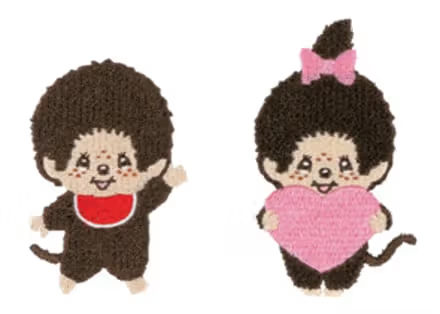
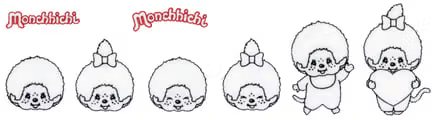
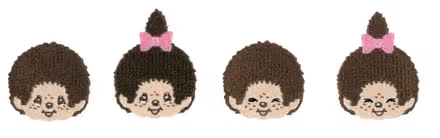
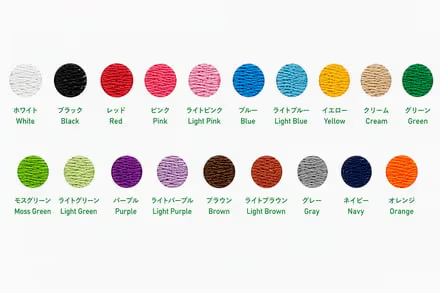
The selection includes Monchhichi and the girl character’s faces, different poses and the character wordmark. Outline and logo designs cost ¥700 each; coloured designs are ¥1,500 each. Some designs also allow a choice from 19 thread colours. Pricing is per design, so anyone planning two characters or several placements should confirm the final total and permitted embroidery area with the store.
Outline designs use character expressions and poses.Face designs offer different character expressions.
Smaller embroidery leaves more of the original fabric visible than an all-over print. Rounded faces, bows and fluffy hair become stitched outlines that can form a focal point on plain clothing. Choosing thread close to the garment colour makes the effect quieter. Those are design possibilities visible in the published motifs; the studio must still assess the finished scale and position.
Some motifs offer a choice of 19 thread colours.
Existing UNIQLO garments qualify, with exceptions
The service accepts previously purchased UNIQLO products, avoiding the need to buy another similar garment simply to add a character. However, some collaborations, baby products, underwear and other items are excluded; fabric, seams and placement also impose limits. Check the condition of the garment and its eligibility before deciding on a position, rather than discovering the restrictions after arriving.
Sekiguchi introduced Monchhichi in 1974, and the characteristic thumb-sucking pose helped the doll become a lasting collectible character. Embroidery reduces that recognisable identity to a local detail. Shirts, knitwear and jackets have different fabric structures, so a sample image does not establish that the same result can be reproduced on every item. Store confirmation is the starting point for customisation.
UTme! launches the same day, but is a different service
October 23 also brings 88 new Monchhichi illustration stamps to UTme!, offered through 95 Japanese stores and the online service. UTme! arranges illustrations and text into a printed design; RE.UNIQLO STUDIO adds embroidery to eligible clothing. Their locations, production methods and product conditions differ, and the number of print illustrations should not be confused with the embroidery selection.
If you already have a frequently worn UNIQLO piece, start with the embroidery motifs. For a larger character graphic, compare UTme! instead. The announcement offers two customisation routes, without implying that every UNIQLO store provides both. Before travelling, consult the official Japanese campaign and store information for participating locations and arrangements on the day.