Thai-Style Fish Cakes at This Nishi-Azabu Bar Get Their Balloon-Like Puff From One Pot of Hot-and-Cold Frying
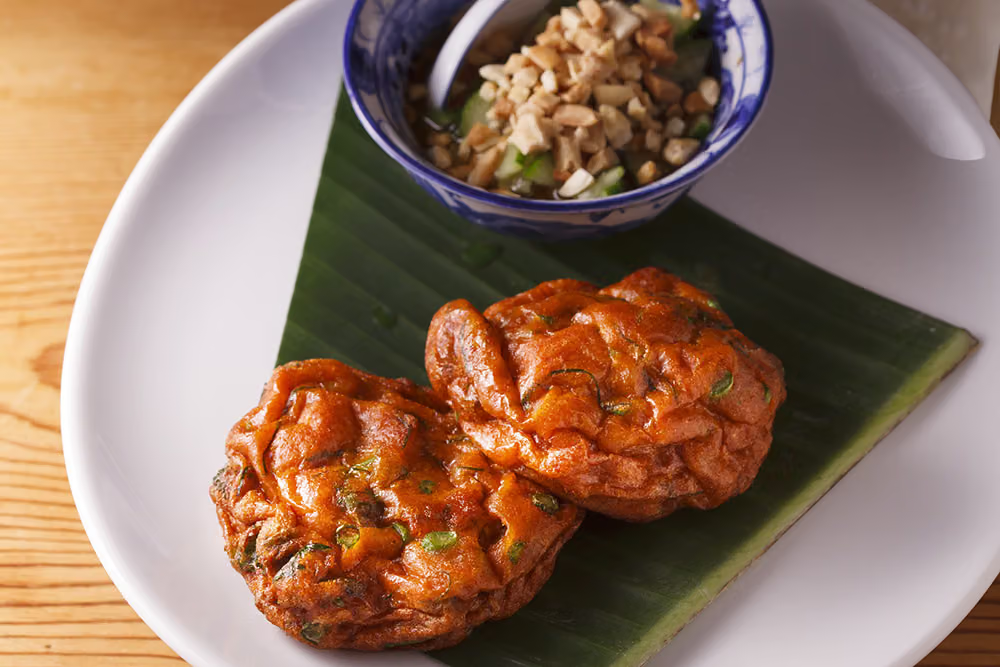
At "Bar Kwang" in Tokyo's Nishi-Azabu, chef Junko Hasegawa's homemade Thai-style satsuma-age relies on frozen catfish paste and a temperature-swing technique—starting low, finishing on high heat—to achieve a puffiness never seen before.
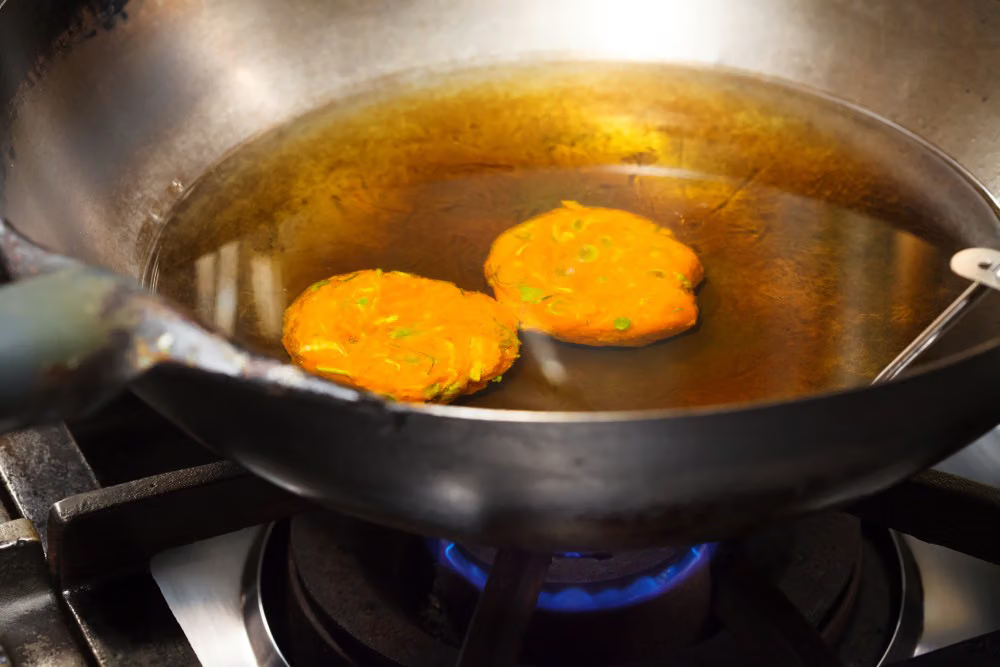
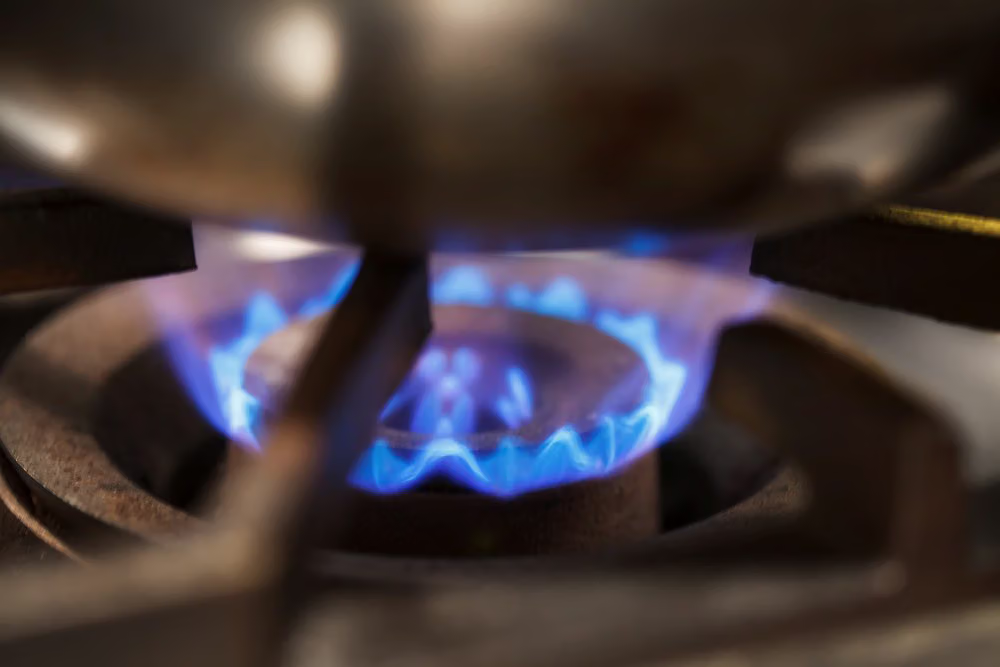
Before the oil in the pot even started to bubble, Junko Hasegawa was already dropping balls of catfish paste into it. This isn't a mistake—it's the only trick to this Thai-style fish cake. You have to slowly warm the paste in nearly lukewarm oil first, then crank the heat up in the final minute. Only then will the fish paste puff up like a balloon.
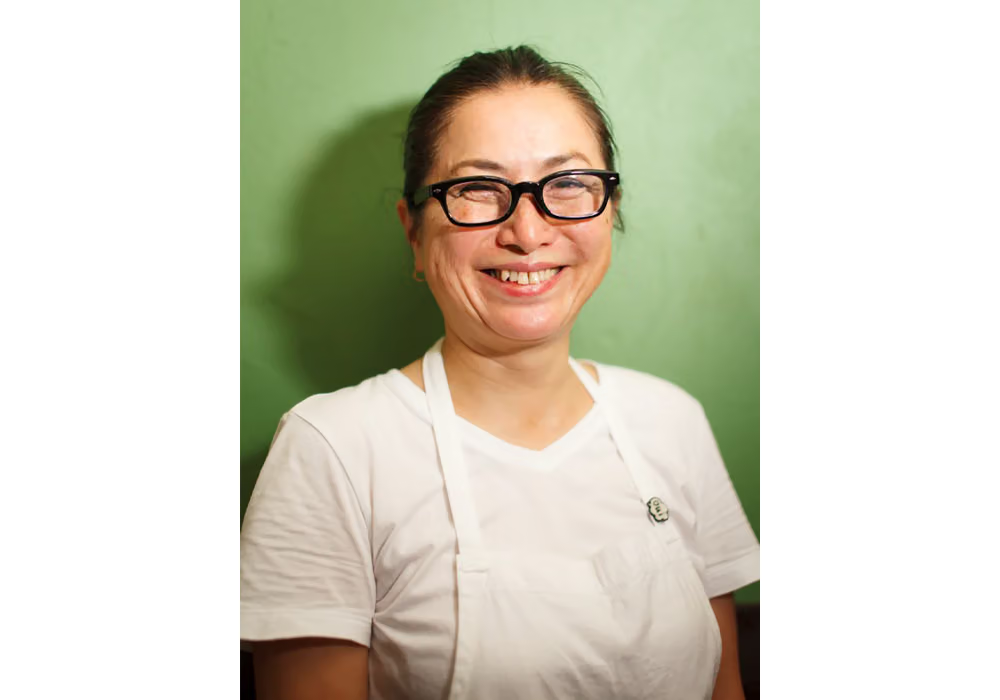
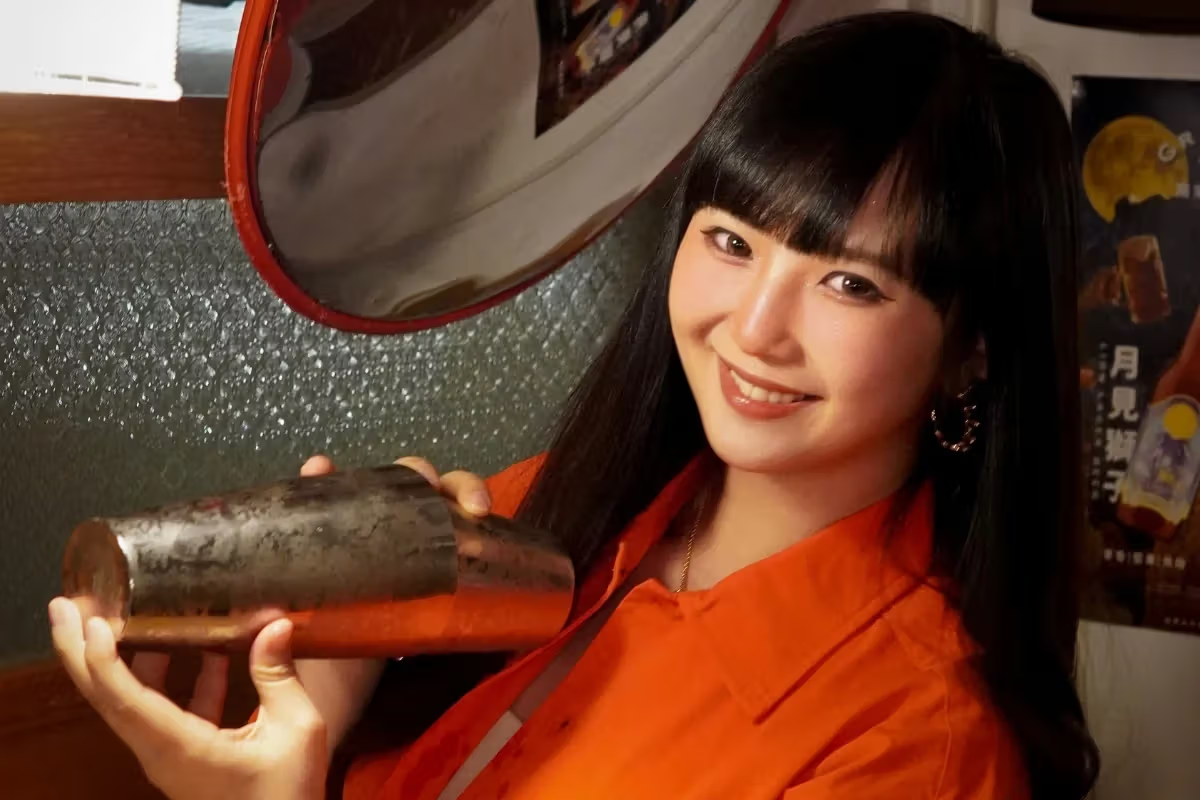
Junko Hasegawa used to work at the Thai restaurant "Rice Terrace" in Tokyo's Nishi-Azabu, where she learned Thai royal court cuisine while also getting invited to her Thai coworkers' homes for family meals—this fish cake was one of the dishes she picked up there. In 2000, she opened her own place, "Bar Kwang," with her husband Yasuhiro, who works as the bartender, bringing these home-taught recipes to the bar counter. She says Thai people eat fish cakes too, but the Thai version is a completely different animal from the Japanese one: the paste is mixed with red curry paste, bai makrut (Thai lime leaves), and cilantro, giving it a spicy, punchy flavor that's "even better with drinks." Bite into one fresh out of the fryer and you get the bright, clean aroma of bai makrut first, followed by a fluffy, airy texture unlike anything you've had before.
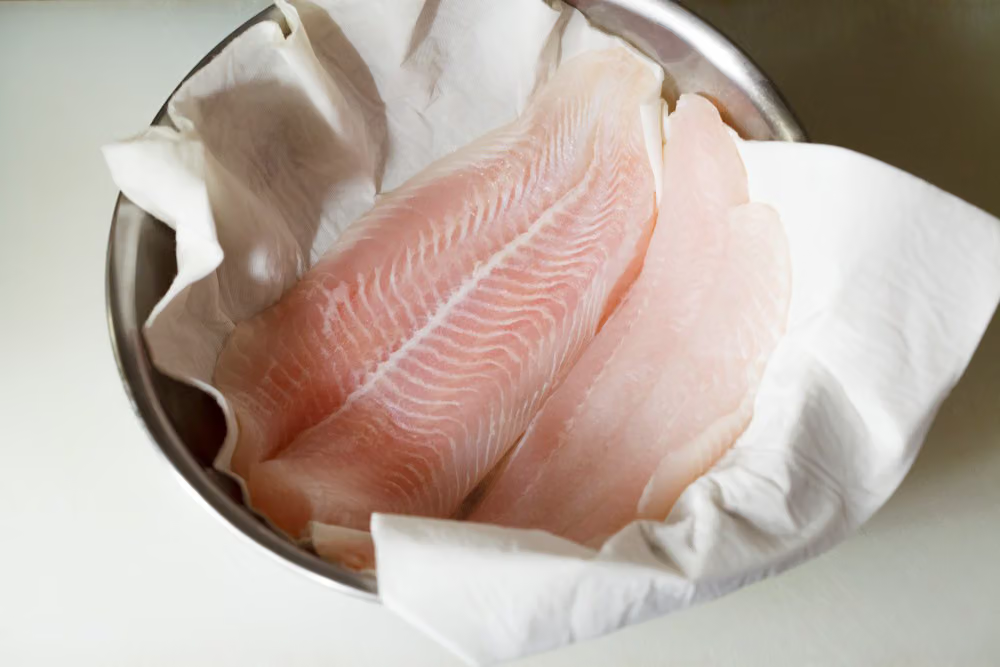
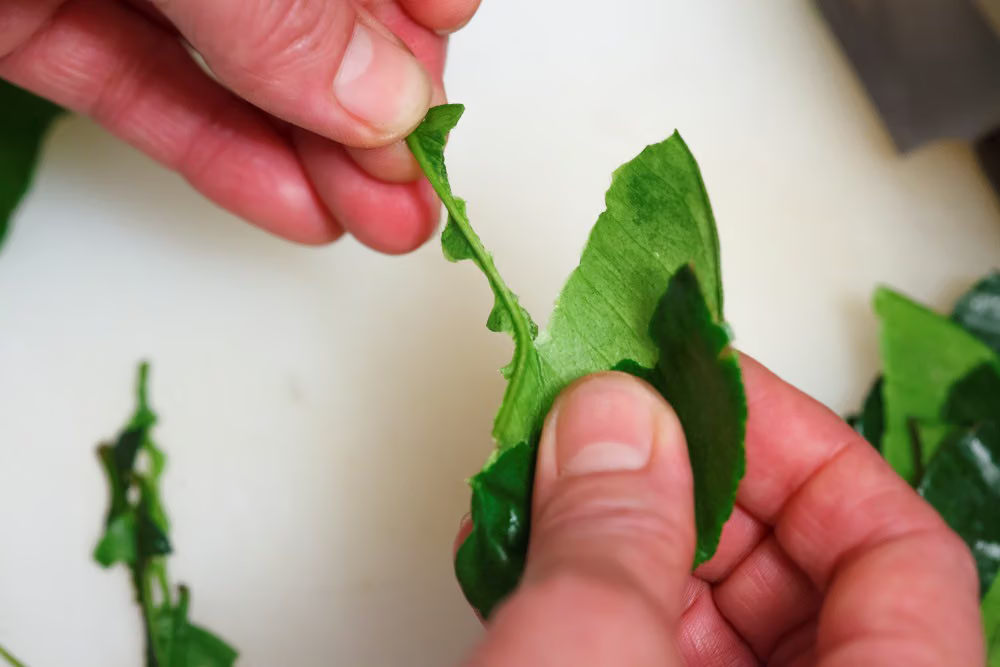
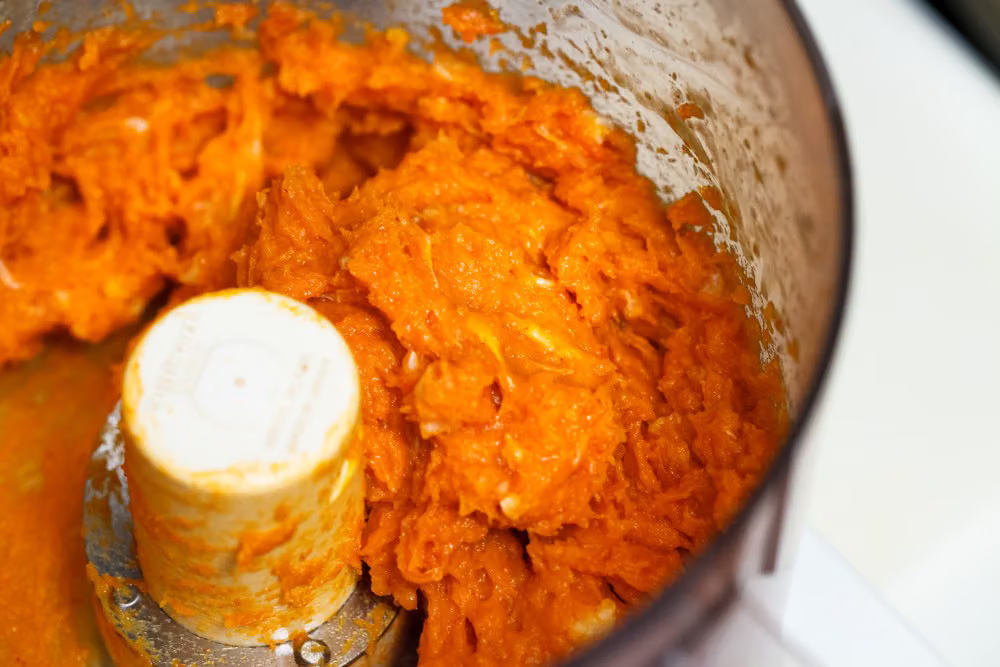
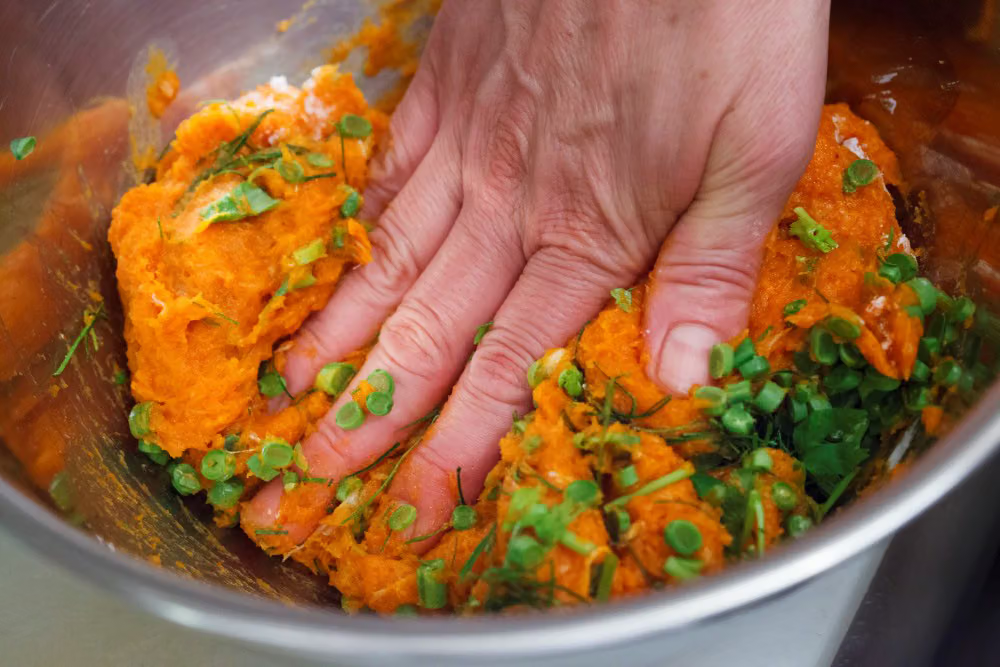
The whole secret lies in the temperature swing. The process starts with wrapping 380 grams of frozen catfish fillet in food-grade dehydrating sheets and refrigerating it overnight to firm up the flesh—catfish tends to be watery, and without this step, it falls apart too easily. Hasegawa says the catfish's distinct smell is actually what gives this dish its flavor; other white fish can work as a substitute, but the taste ends up thinner and blander. Once dehydrated, the fillet goes into a food processor along with 50 grams of red curry paste and half a whole egg, blended until smooth. The whole mixture then gets slammed against the mixing bowl several times to develop stickiness. Five grams of bai makrut—with the tough center rib removed—needs to be sliced razor-thin with a sharp knife; this precise amount is what determines the final flavor. Then in goes 50 grams of green beans cut into 2-3mm pieces, 10 grams of roughly chopped cilantro, and just over a teaspoon of potato starch to bind everything together.
When the paste goes into the oil, the temperature is so low it doesn't even bubble at first. The heat is raised slowly throughout, with occasional flipping. After about 3 minutes, the oil reaches around 100°C; by the 7-minute mark it's up to 140°C, and the paste starts visibly puffing up. Only then does the heat get cranked up, pushing the oil to 160°C in the final minute while continuously turning the pieces, until each one is puffed full like an inflated balloon. Hasegawa explains that if you drop the paste into hot oil from the start, the surface sets instantly and the inside never gets the chance to expand. It's this low-to-high temperature swing that's the real secret behind the fluffy texture. Once fried, the fish cakes are lifted onto a wire rack over a tray to drain, then served immediately while still hot. They're plenty flavorful on their own, but dipped in Thai sweet chili sauce, you get a triple hit of spicy, sweet, and sour—the kind of thing that makes it impossible to stop drinking.
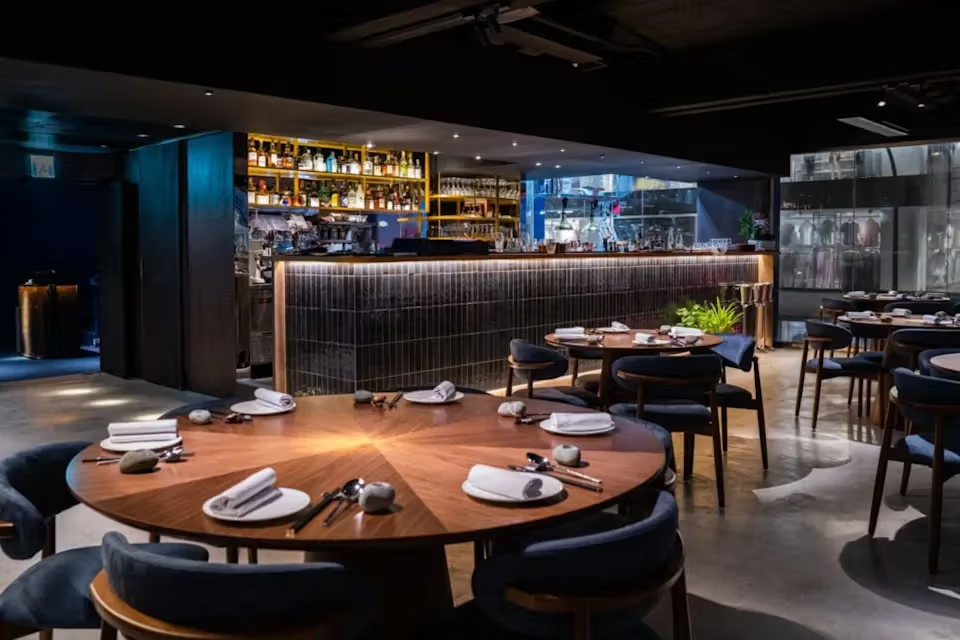
Bar Kwang is located at RD Nishi-Azabu B1F, 3-1-18 Nishi-Azabu, Minato-ku, Tokyo. Open from 18:00 to 1:00 the following day, closed on Sundays and public holidays. About a 6-minute walk from Roppongi Station on the Tokyo Metro and Toei subway lines.