Bunka Running Club: around 80 fashion students turn running into a design laboratory
Tokyo’s Bunka Running Club connects group runs, student friendships and product development with TANNUKI. Its roughly 80 student members bring movement back into clothing design.
What can a running community contribute to fashion design? Bunka Running Club, or BRC, at Tokyo’s Bunka Fashion College offers a concrete example. Founded in 2023, the club now has around 80 student members. Monthly runs typically bring together about 20 students and, with people working in fashion outside the school, roughly 30 participants in total. Beyond exercising together, they can test questions of pattern, fabric and fit through movement.
Connections across departments on a 5–7 km route
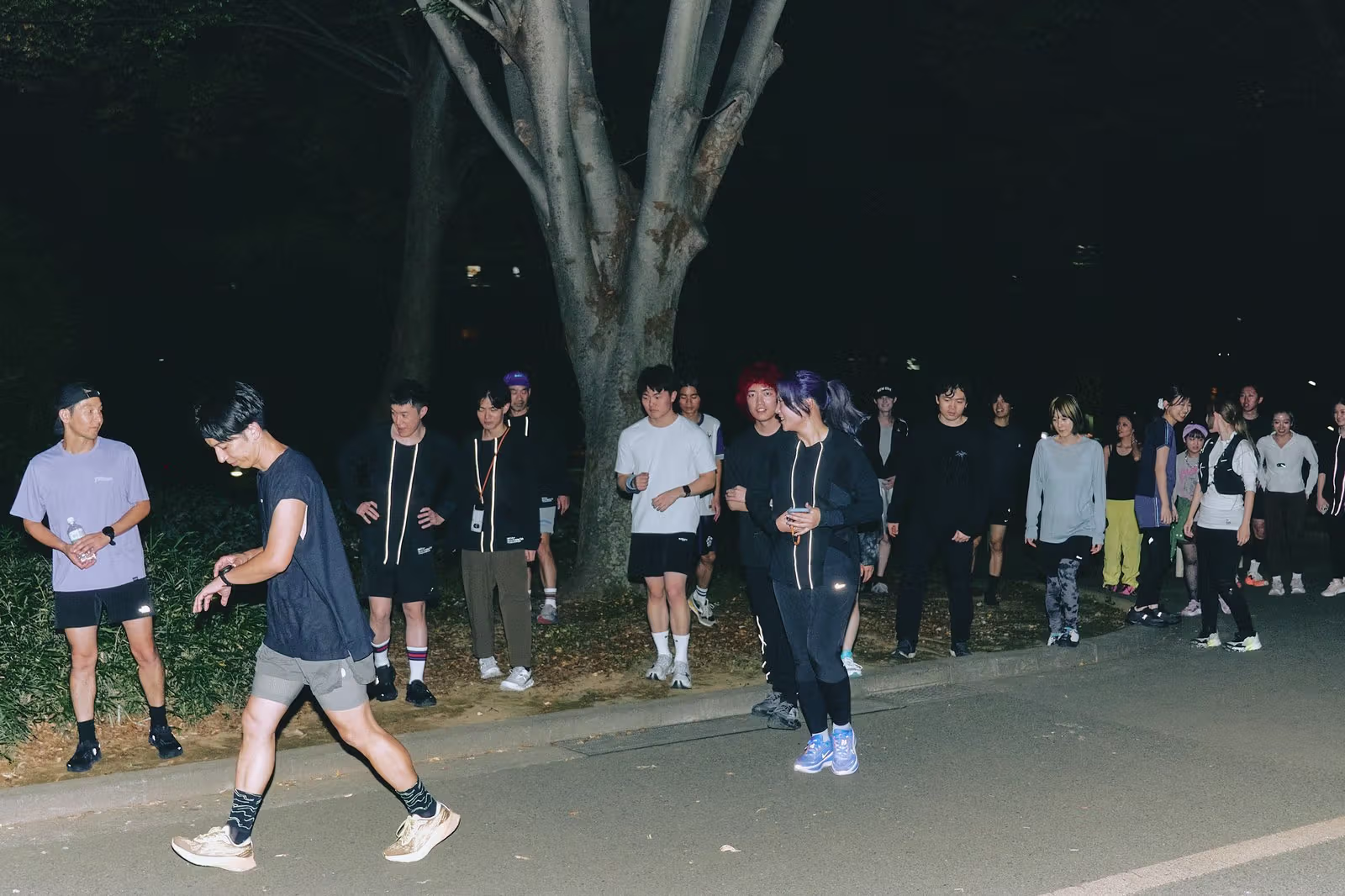
BRC often heads towards nearby Yoyogi Park after classes, covering about 5–7 km. That shared experience gives students in different departments a point of contact outside their timetables. Meals and conversation after running also help hold the group together; pace and distance are only part of the experience. Returning regularly can have much to do with the people running alongside you.
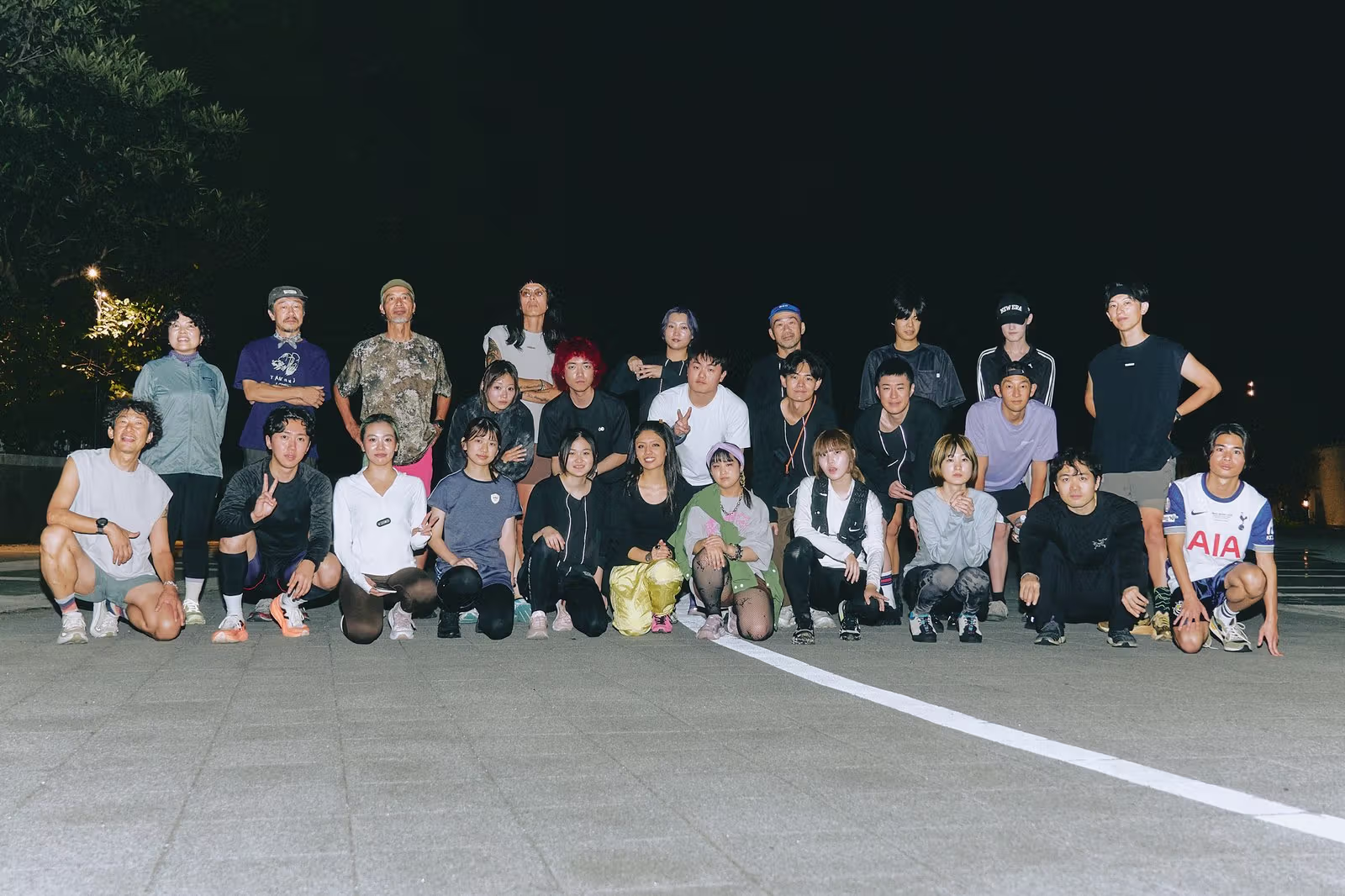
BRC runners form a group at night.
Graduates return too. One member who graduated in March 2026 and joined Goldwin’s THE NORTH FACE design team continues to participate. Students, alumni and industry professionals exchange thoughts on work, interests and everyday life along the same route. This is a particular community’s experience, however, not a promise that joining a running club will secure a job.
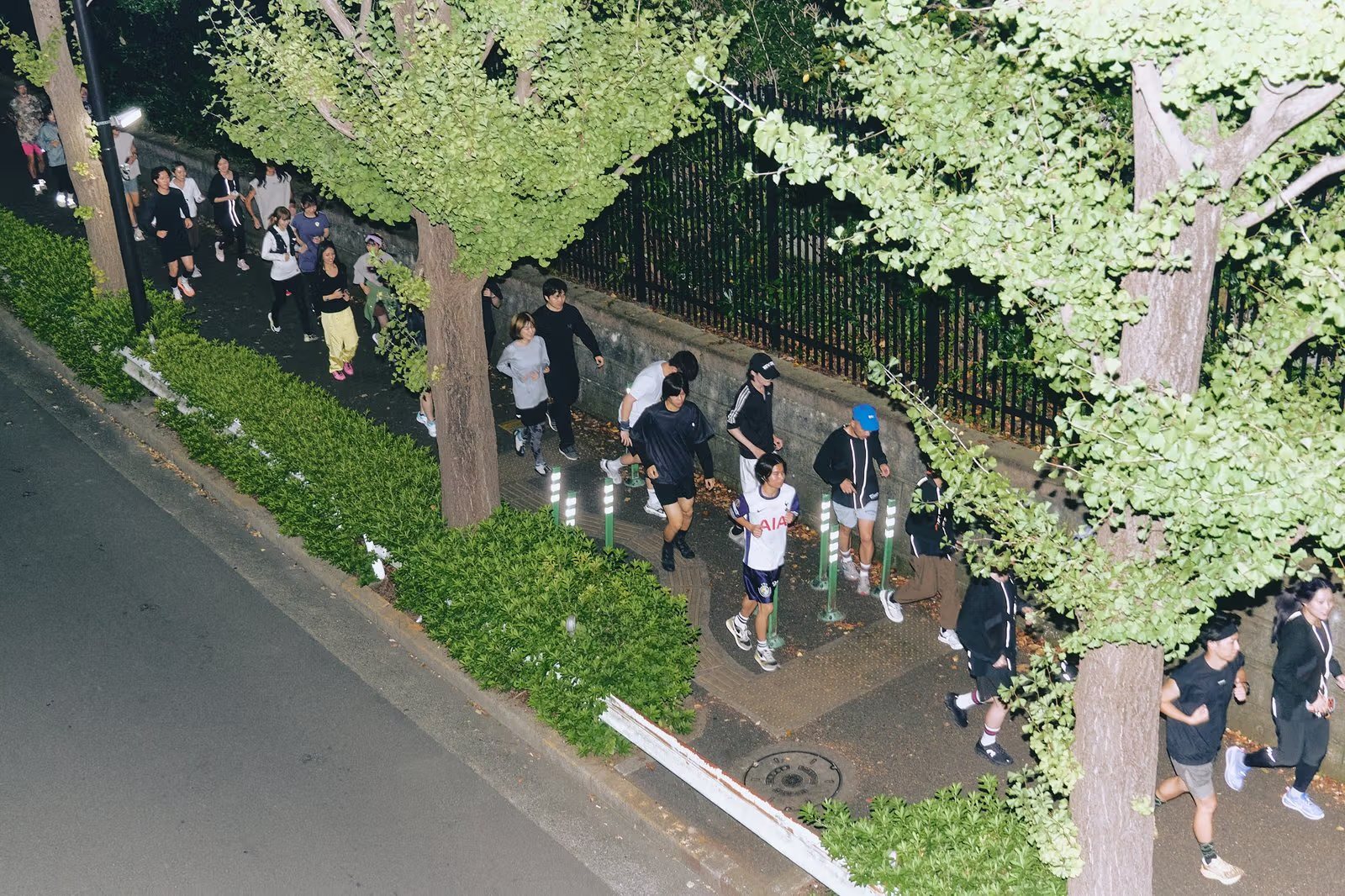
Runners move along a street at night.
TANNUKI brings design from paper to the running route
The club’s origins go back to 2022, when TANNUKI director Ken Kato proposed a student collaboration to the college and connected with teacher Kei Tokuoka. Three students and the teacher launched BRC the following year. The partners have since developed products for sale at the November school festival, with a fourth collaboration planned for 2026. Product development did not wait until the club had a large membership.
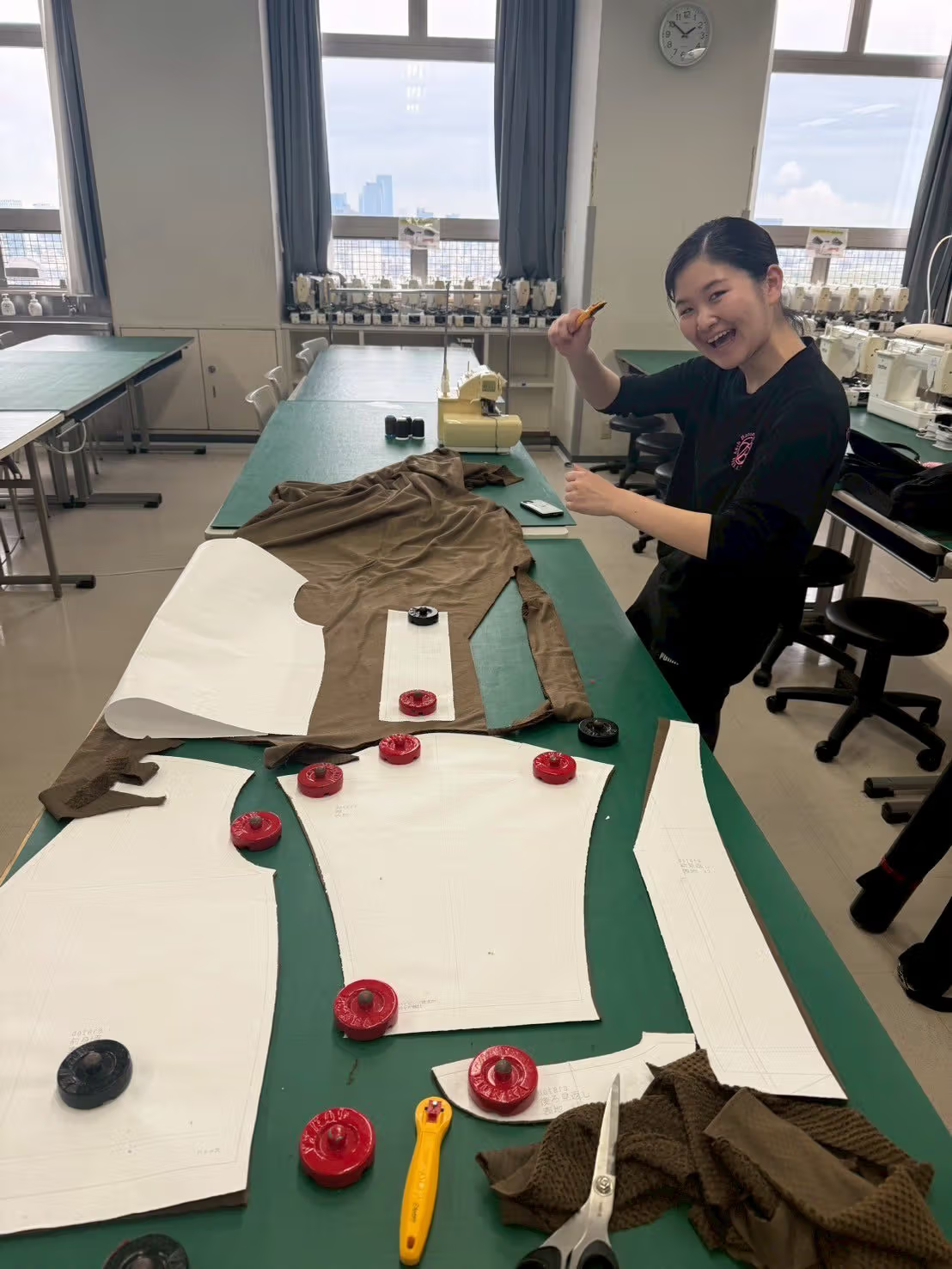
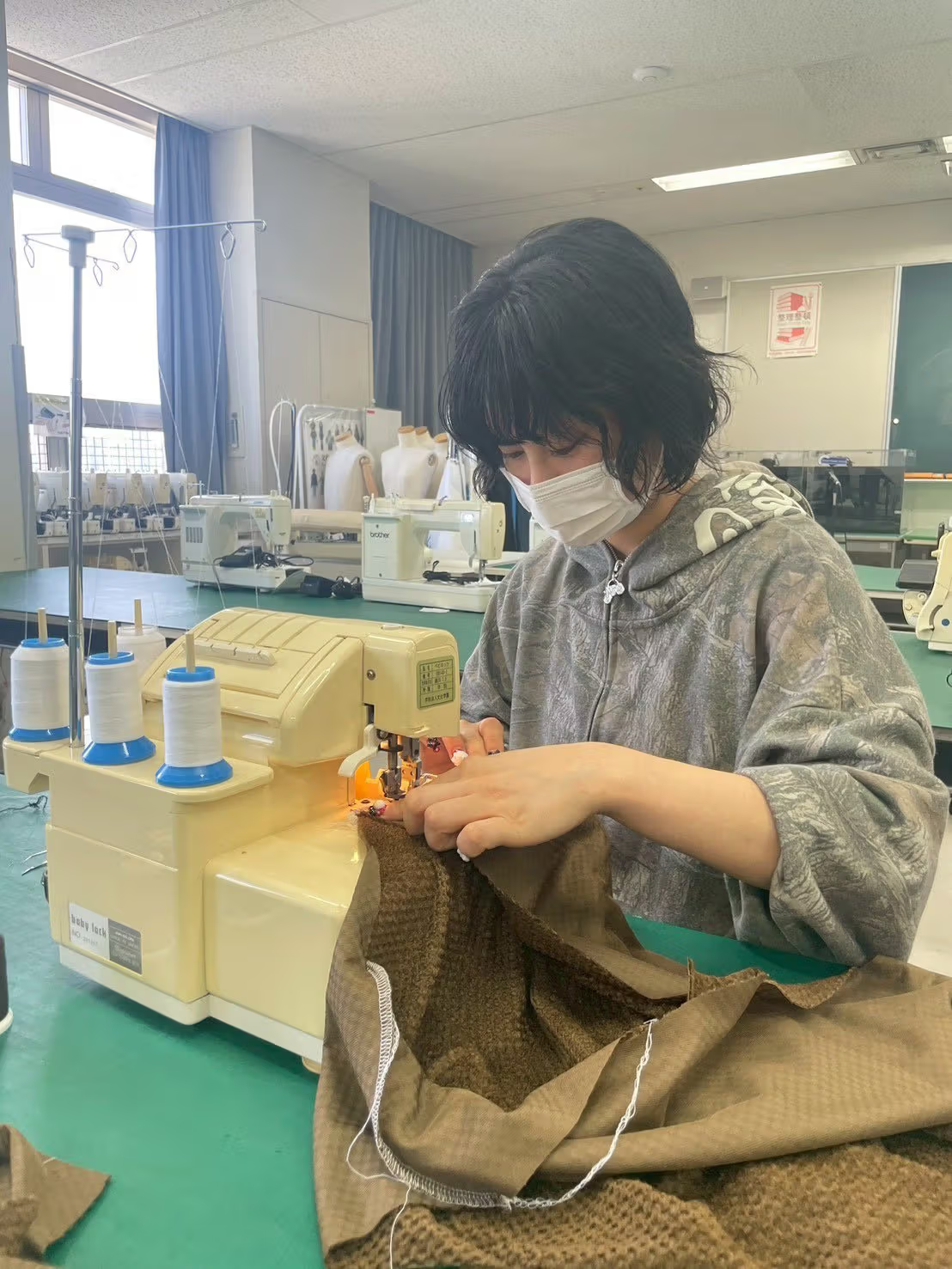
Product planning and development for BRC and TANNUKI.Students work on a collaborative product.
Repeated adjustment is central to the process. The brand introduces running requirements and culture; students propose designs, then wear samples on group runs to review details such as length and pattern. The value lies in moving from how a garment looks to how it works in motion. Proportions observed while standing still cannot fully answer the demands of arm movement, perspiration and sustained activity.
Why should fashion readers look at running outfits?
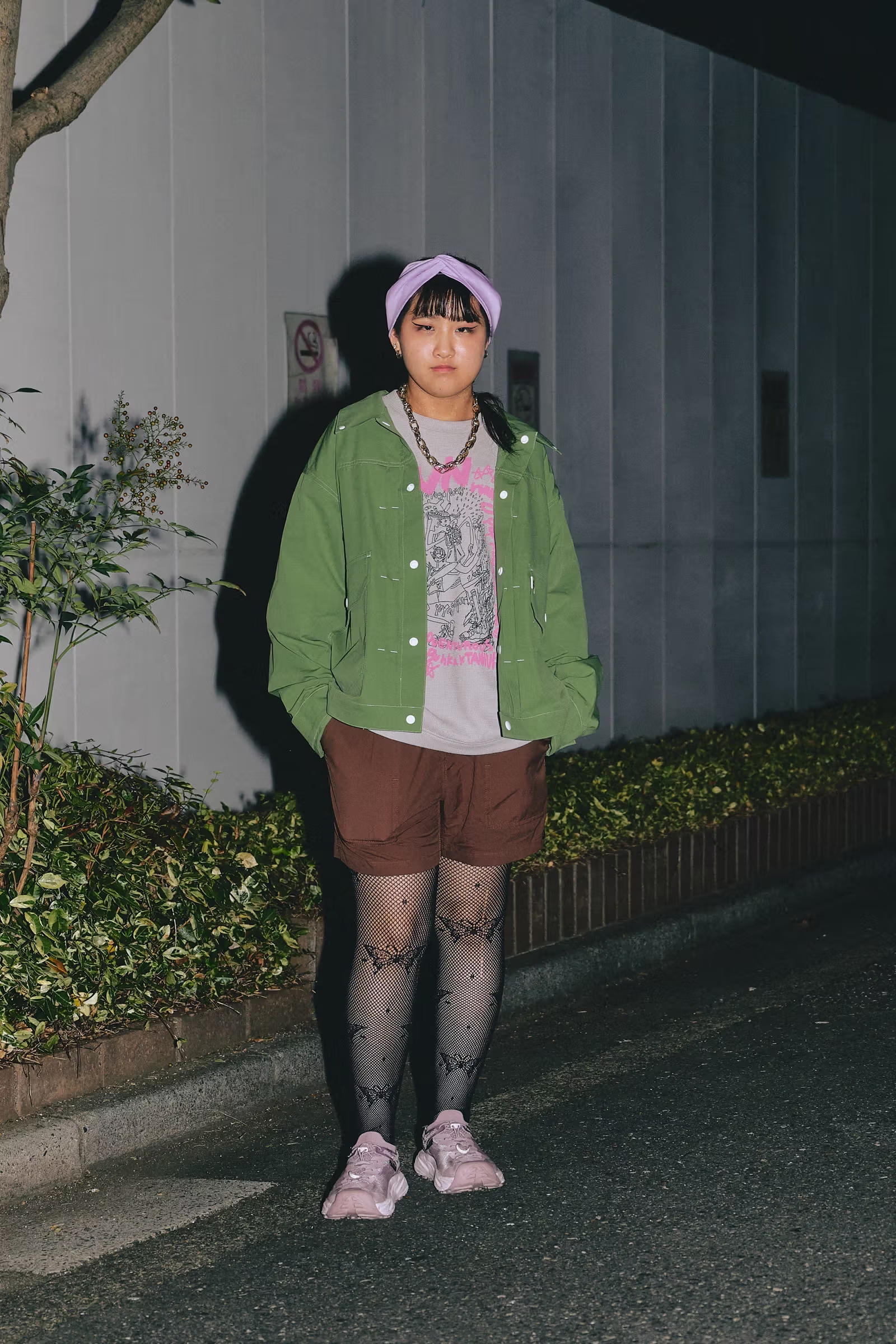
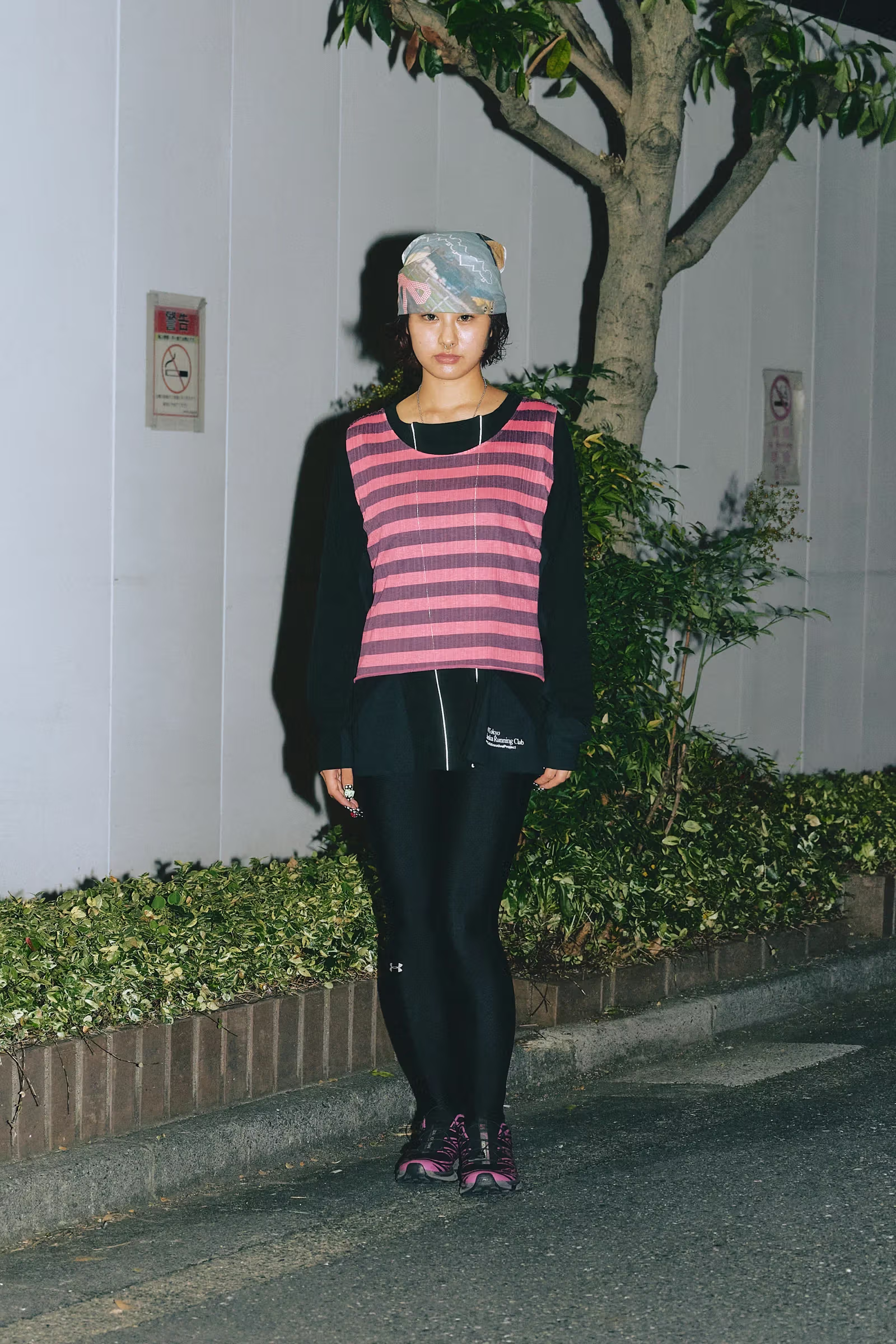
Published photographs show jackets, striped tops, shorts and fitted trousers in varied combinations rather than a uniform. From an editorial perspective, those differences let running clothes connect with individual wardrobes instead of a single sporting image. Readers can compare layers, trouser lengths and footwear proportions against their own activities. Photographs alone do not constitute performance testing.
A jacket, shorts and fitted trousers create running layers.A striped top with dark running bottoms.
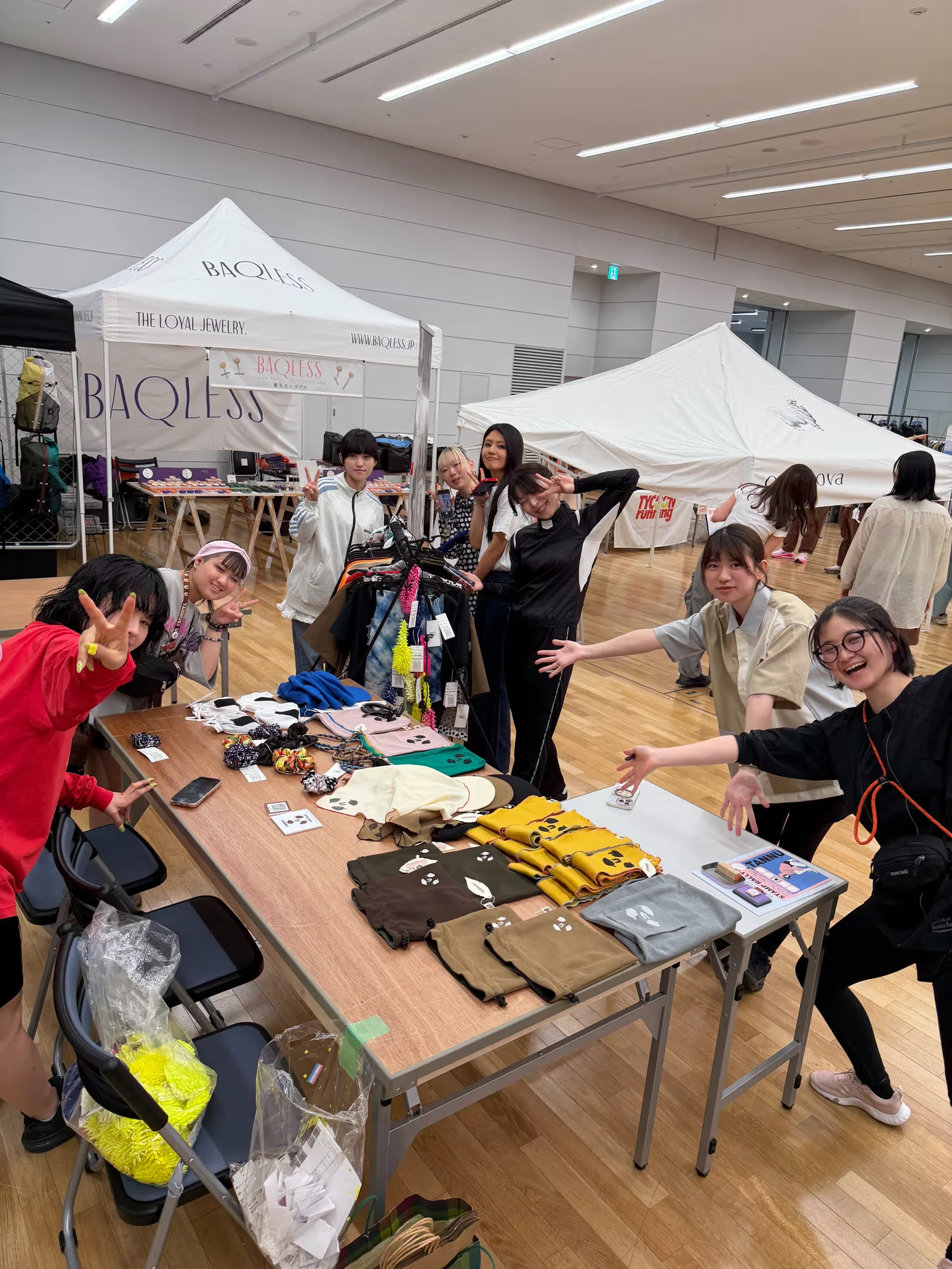
BRC also participates in TANNUKI’s spring event, where students show and sell running clothes they have made. Group running, sample wear and product exchange suggest that creative communities depend on repeated use, feedback and revision as well as visual style. For readers interested in Japanese fashion education, this is a window into how emerging designers encounter real clothing needs.
Students display and sell self-made running clothes at TANNUKI’s spring event.