Daylight at Night in Taipei until November 7: wind, lenticular surfaces and a changing light corridor
DAMONXART’s evening exhibition at Taipei Lumitree combines lenticular effects, a wind-driven installation and an outdoor LED corridor. It opens Thursday to Sunday, 6–8pm.
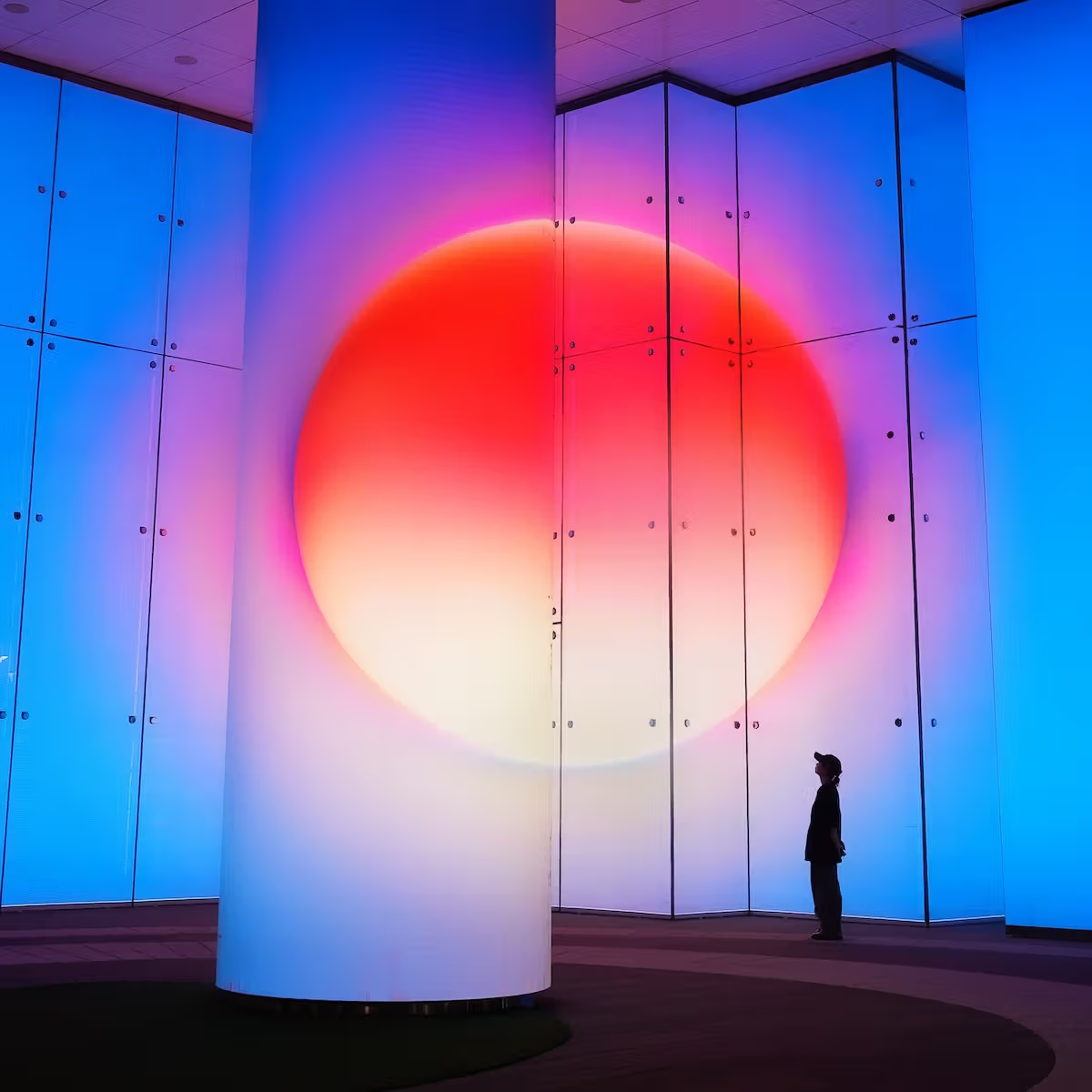
Moonlight seen at night is itself a continuation of sunlight. Artist Hsieh Chen-Lin, known as DAMONXART, takes this passage of light as the starting point for Daylight at Night at Taipei Lumitree. The exhibition runs from October 1 to November 7, 2026, Thursday to Sunday, from 6pm to 8pm. For Taipei readers planning an after-work visit, both the opening schedule and the light are part of the itinerary.
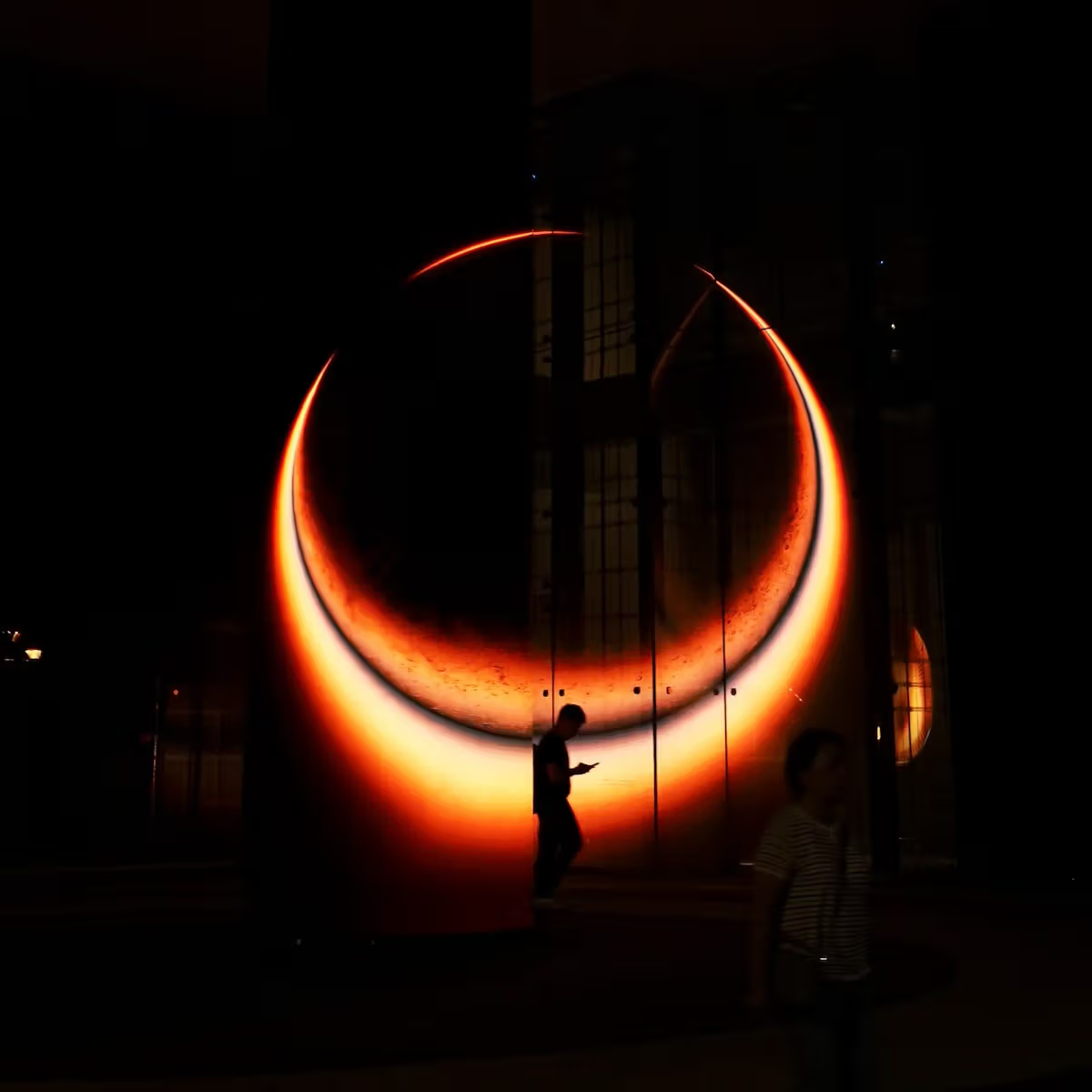
Lenticular surfaces and light offer changing views at night.Lenticular surfaces and light offer changing views at night.
Why can a flat surface appear to keep changing?
The works combine lines, colour and lenticular material, allowing the image to change with the viewing angle. They remind us that what we see is shaped not only by the object, but also by where we stand and how we move. Pause in one position, then step slowly sideways and compare the relationship between lines and colour. Change need not come from a playing video; it can arise from the viewer’s position.
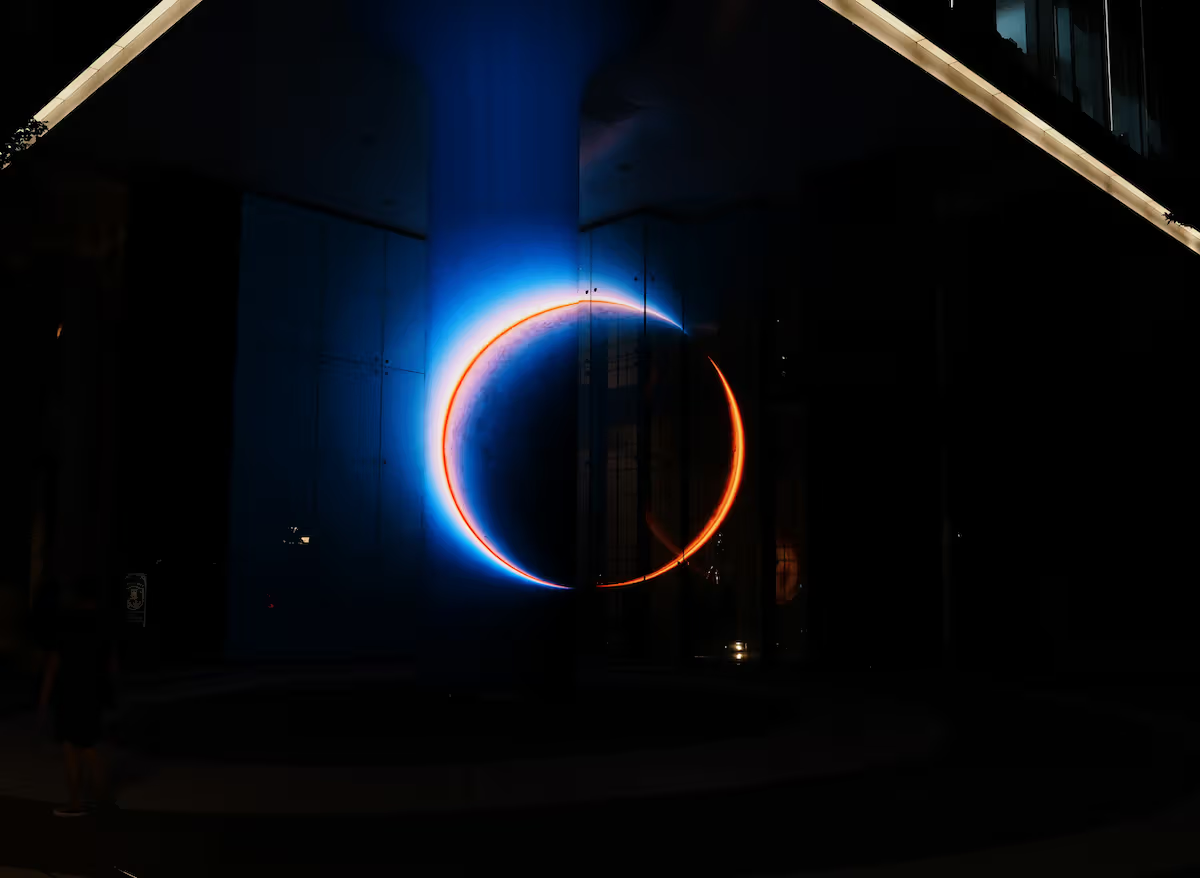
Lenticular surfaces and light offer changing views at night.Lenticular surfaces and light offer changing views at night.
This offers a useful way to distinguish the exhibition from an installation viewed only as a fixed photo opportunity. A photograph records an angle but cannot easily convey the transition between angles. Leaving after one frontal shot may miss the work’s relationship with physical movement. Where circulation allows, pausing, stepping back and looking again become ways of seeing.
Lenticular surfaces and light offer changing views at night.Lenticular surfaces and light offer changing views at night.
A wind-driven installation connects the sun and moon with its surroundings
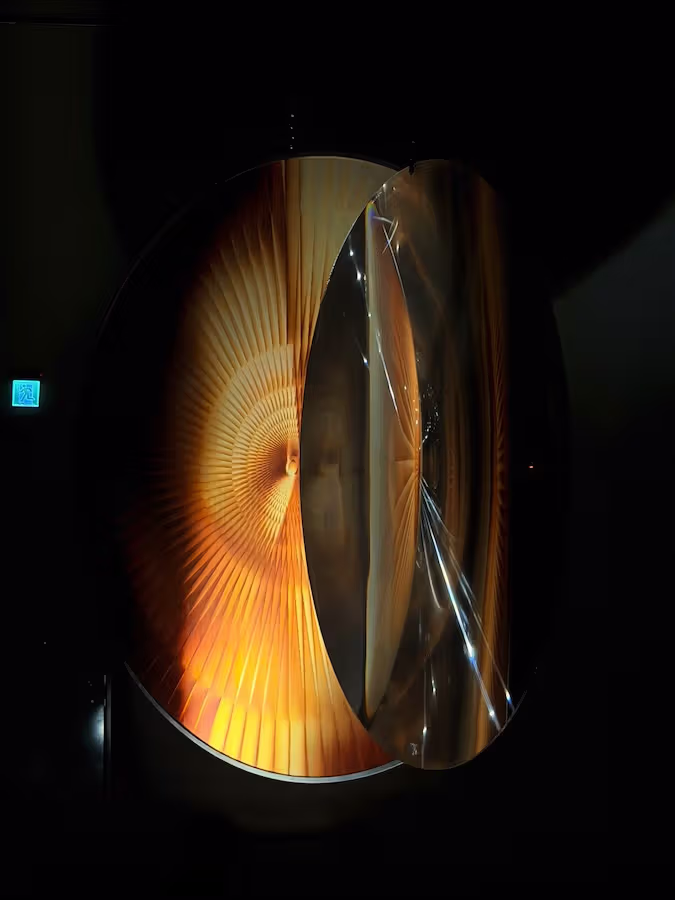
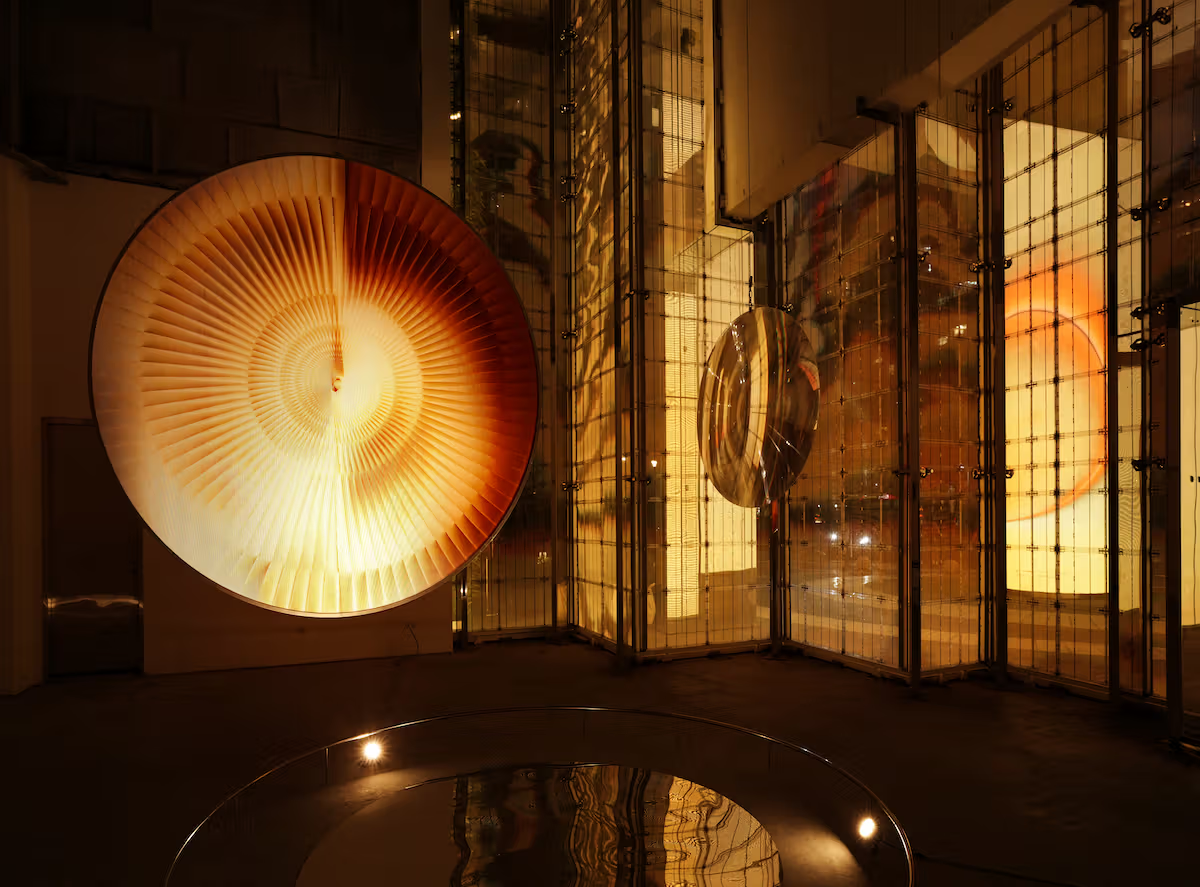
The medium-scale Solar / Lunar installation brings wind into its operation. A solar pattern unfolds and overlaps as it rotates on one side; a lens symbolising the moon responds to the reflection of light on the other. A distant astronomical relationship becomes a structure that can be observed at close range, giving the passage of time a material expression.
Wind means the work need not present exactly the same state on each occasion. Readers interested in mechanisms, products and materials can look at the combination of support, rotation and surface: how a structure receives an environmental force while its graphics remain legible. These details also make optical art approachable as a designed object.
The LED corridor and 700 charms translate the idea across scales
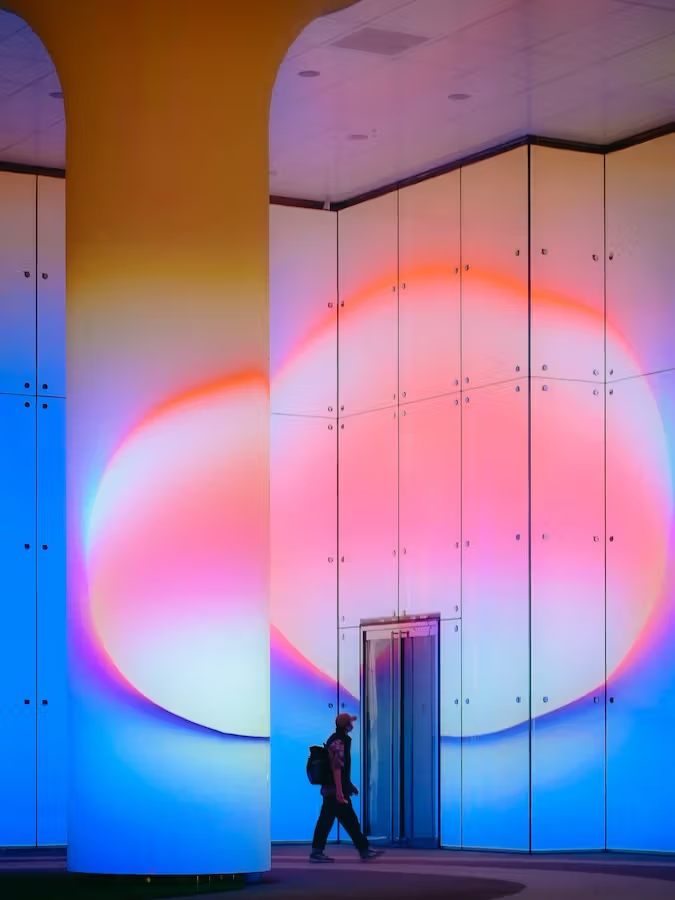
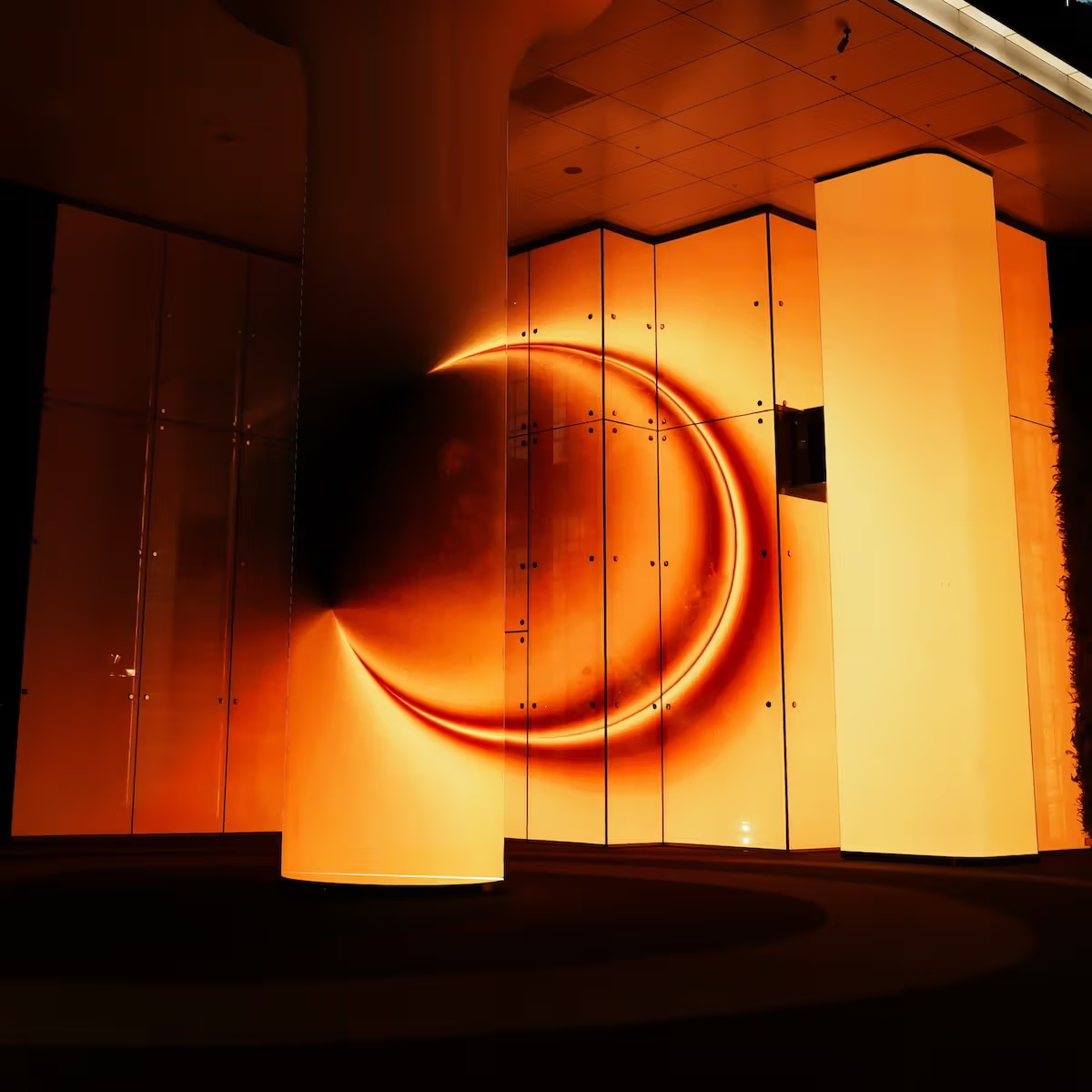
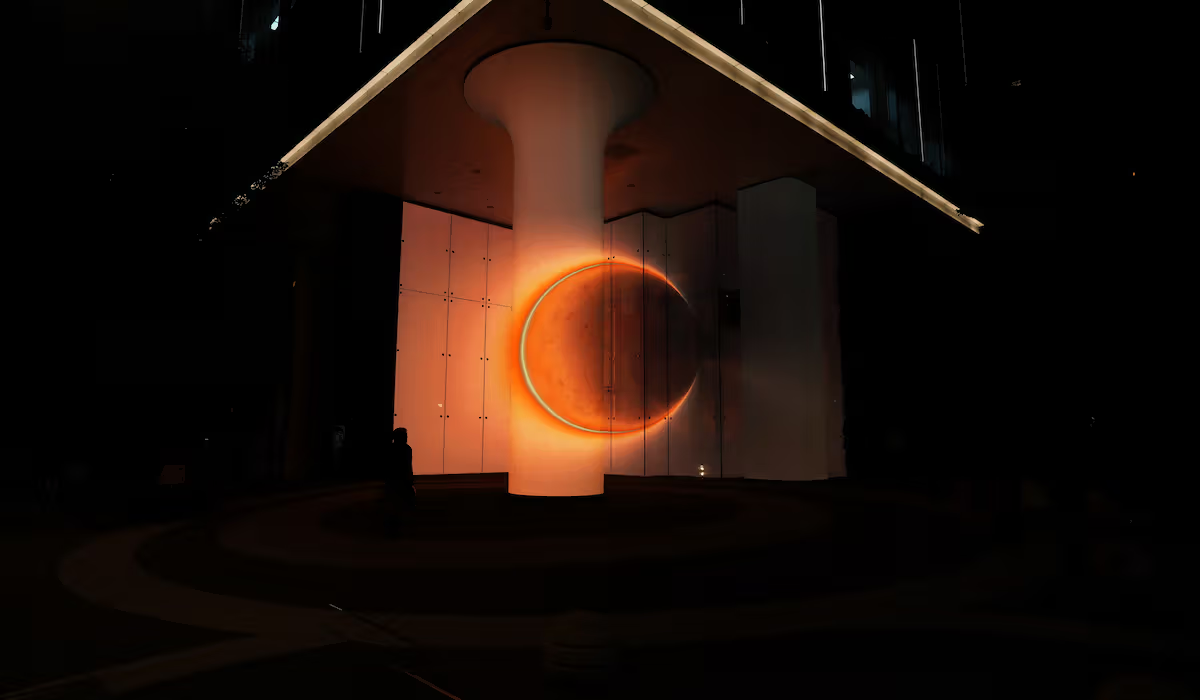
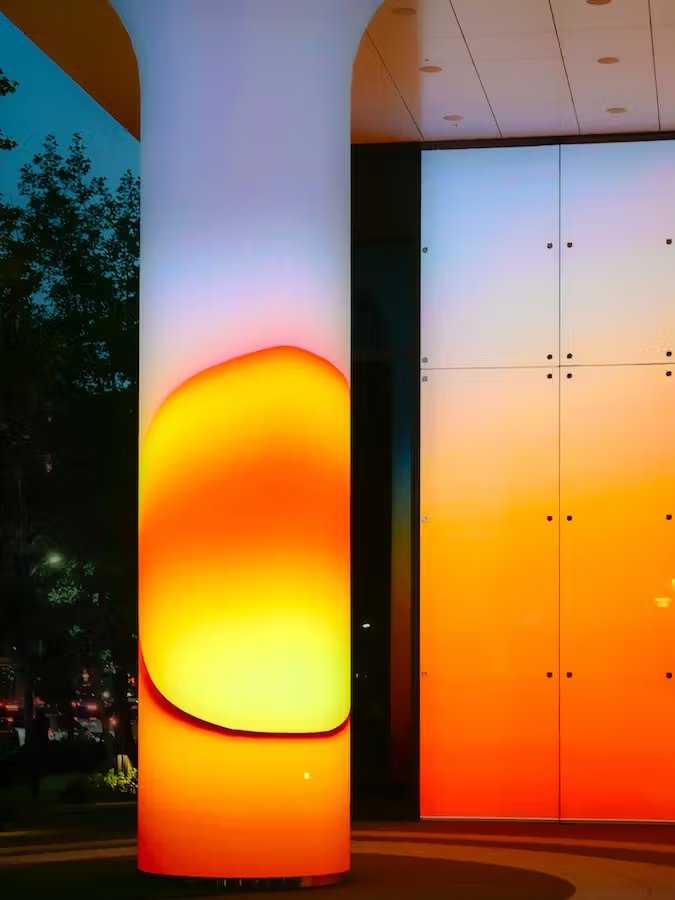
The outdoor LED corridor arranges light into a walk-through scene, making visitors’ steps part of the spatial experience. The artist has also reduced the solar installation to a lenticular charm, produced in an edition of 700. Comparing the large work with a portable object raises an interesting question: which lines, colours and movements still work after the scale changes? The edition size does not establish current availability.
The LED corridor and solar-lunar imagery form a walk-through night scene.The LED corridor and solar-lunar imagery form a walk-through night scene.
The venue is on the first floor of the Baohong Dunnan Commercial Building, 19 Dunhua South Road, Section 2, Daan District, Taipei. Enter from the side facing the park. The ice-cream event held on the opening weekend has ended. Plan around the evening exhibition itself and check Taipei Lumitree’s latest opening notice before setting out.