M+ opens Myths and Monsters: tracing Asian fantasy from shadow puppets to anime and fashion
Myths and Monsters: The Art of Fantasy in Asia runs at M+ from October 17, 2026 to April 4, 2027. Follow visual connections across traditional images, Surrealism, anime and contemporary design.
Why do monsters, spirits and impossible bodies keep returning across Asian images? Myths and Monsters: The Art of Fantasy in Asia, at Hong Kong’s M+ from October 17, 2026 to April 4, 2027, brings fantasy imagery from the nineteenth to twenty-first centuries into one route through the West Gallery on Level 2. For readers familiar with anime, games or fashion, it offers a chance to ask where these visual languages come from.
Look at the medium before the familiar character
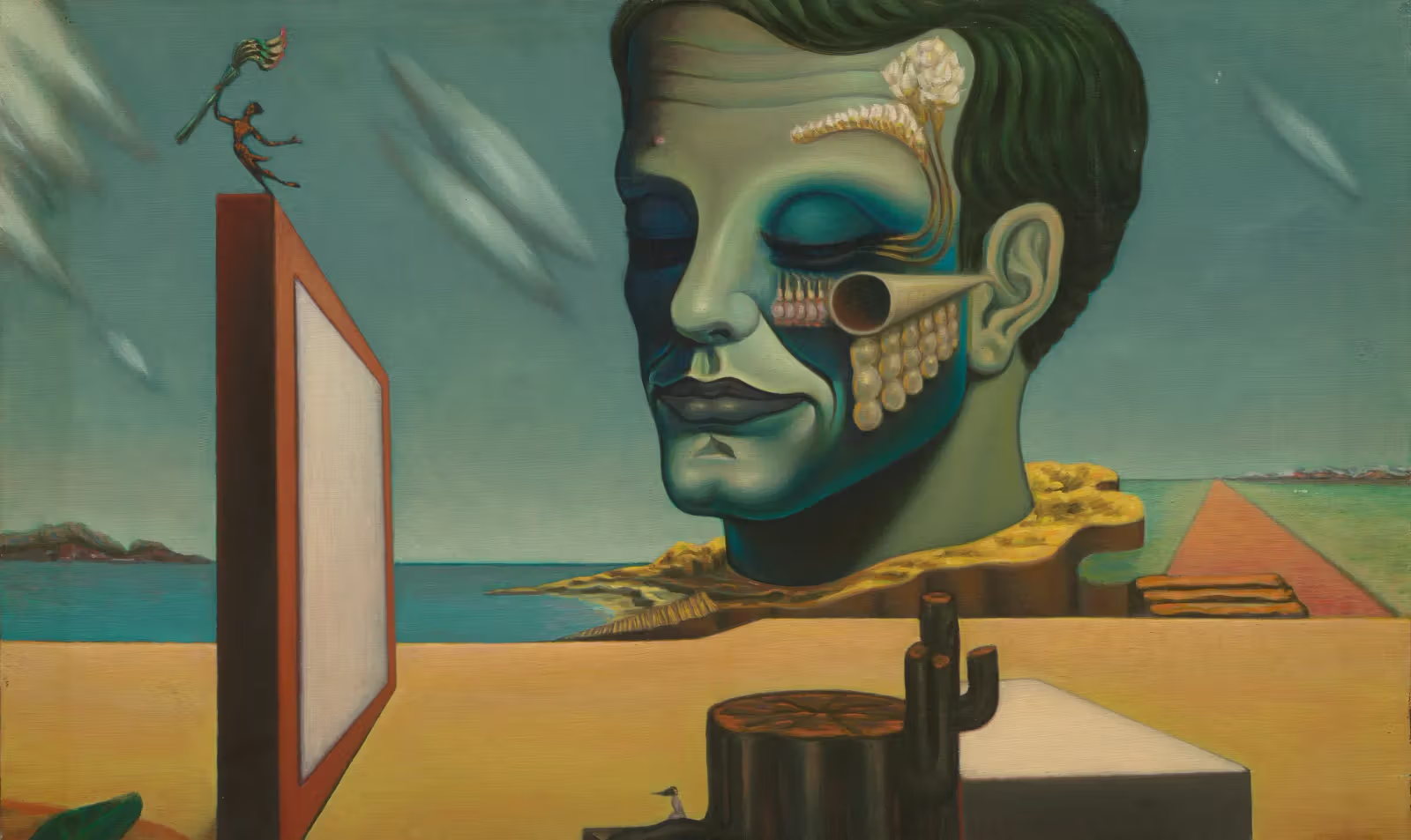
Four chapters connect Japanese ukiyo-e, Chinese shadow puppetry and Tibetan Buddhist scrolls with twentieth-century Asian Surrealism and post-war Japanese manga and anime, before extending into art, design, architecture, film, fashion and digital culture. This is a way of looking rather than a ranking of monsters: similar imaginative subjects move at different rhythms and viewing distances in a woodblock print, a moving puppet or a screen.
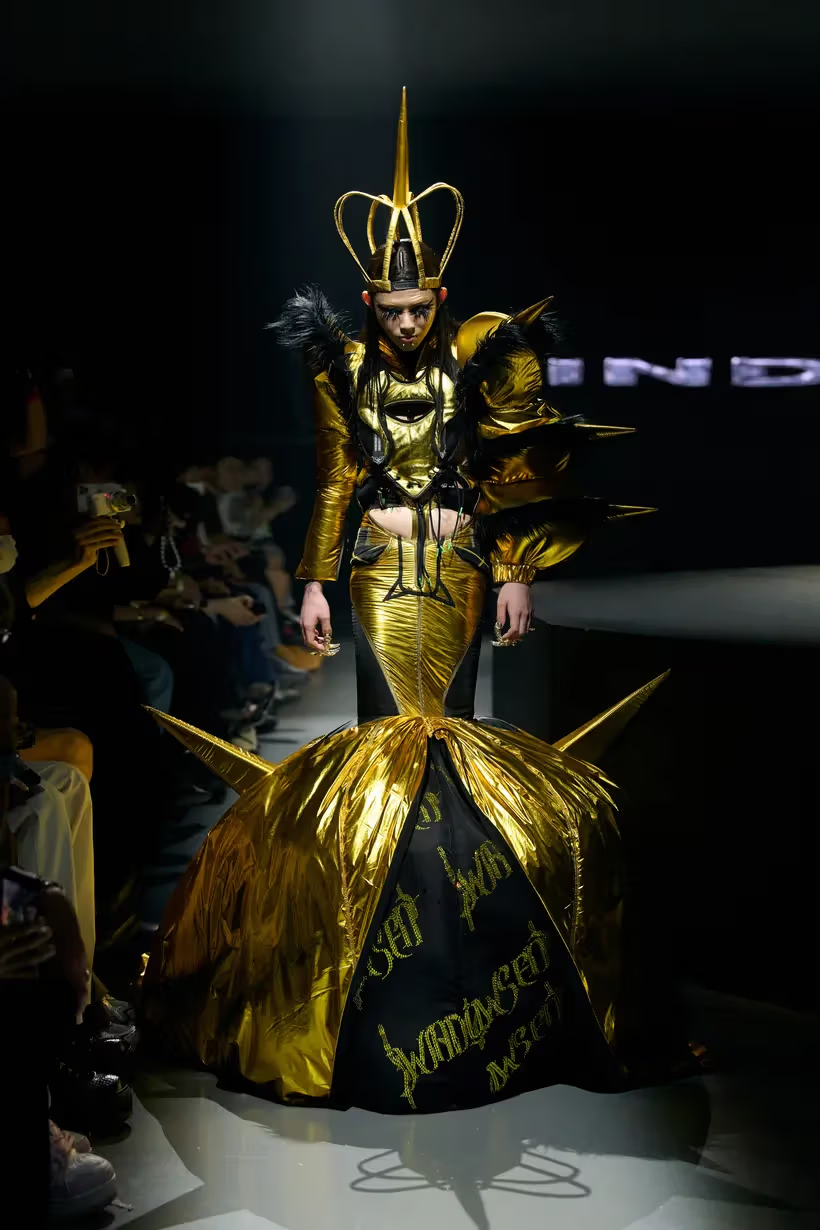
Sensen Lii, Windowsen SS2023 closing look.
Choose one recurring question—how bodies change shape, how a character relates to a background, or how reality and invention overlap—and carry it to the next work. You can build your own comparisons without recognising every artist. Each display need not become a test of cultural knowledge.
Beyond Astro Boy, fantasy reaches the runway
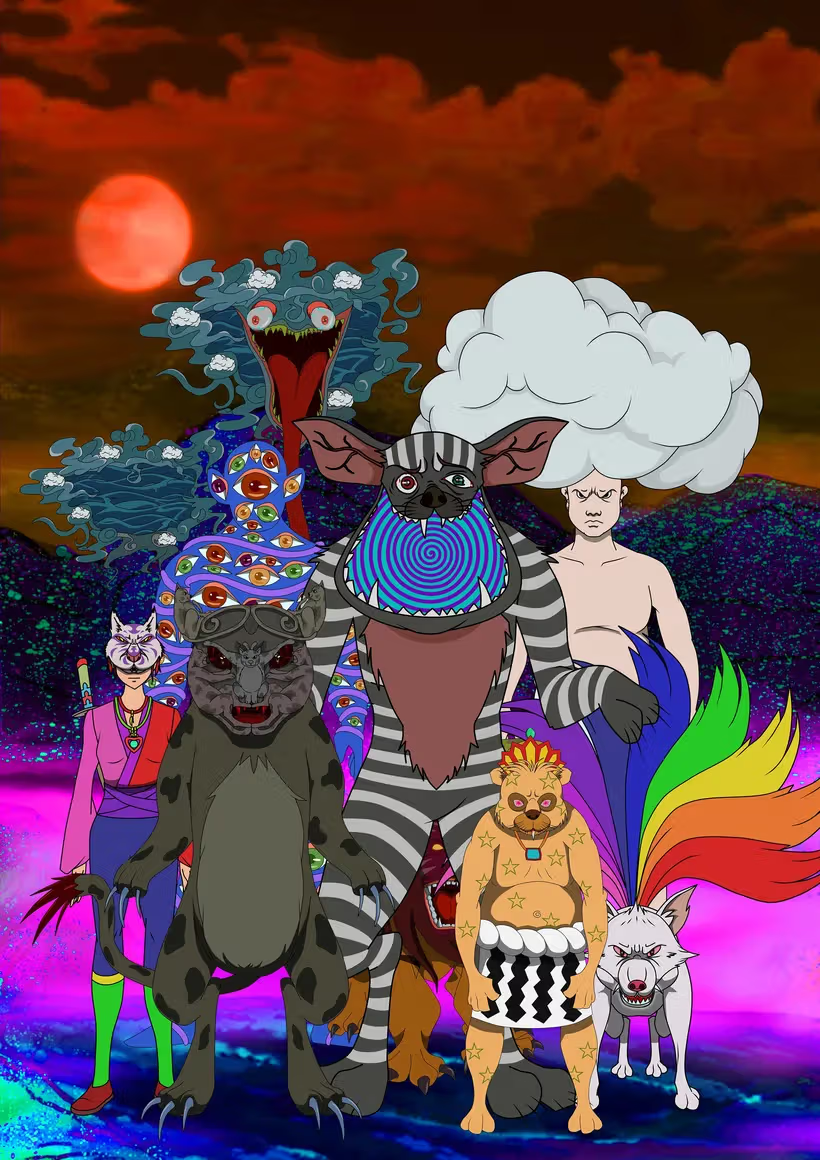
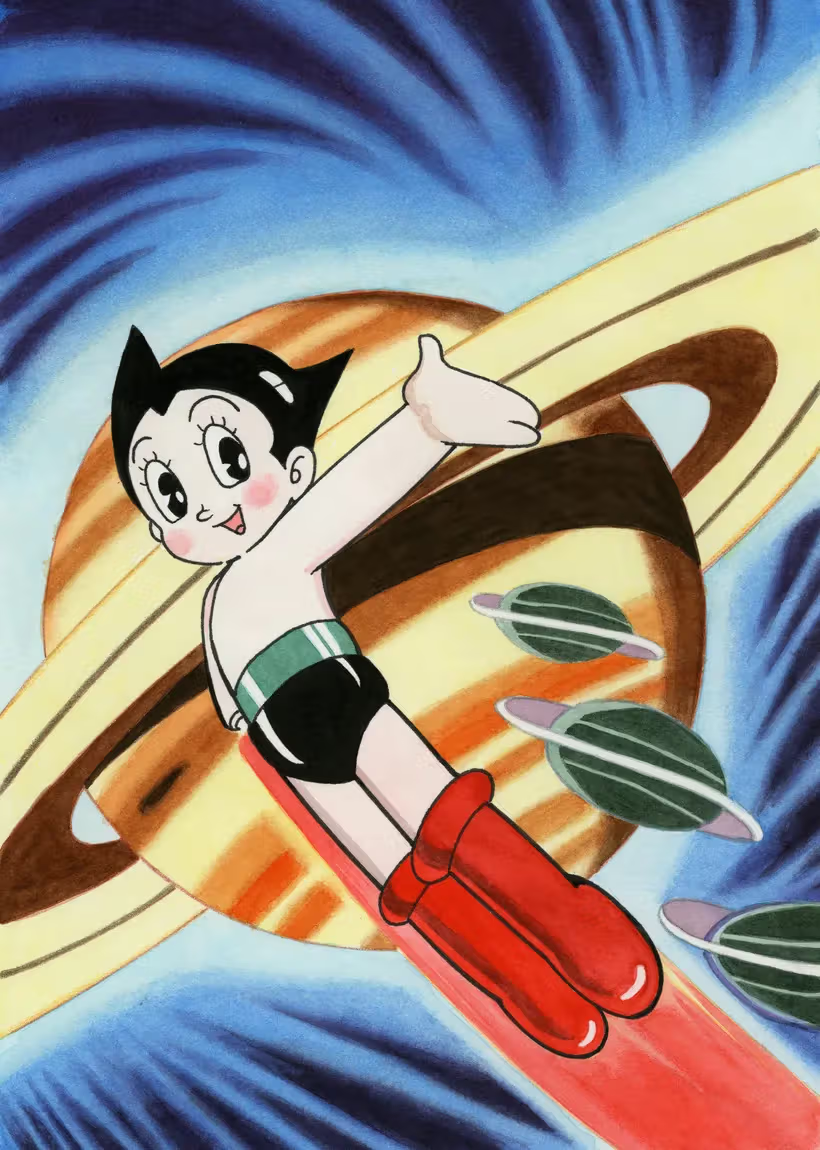
Official images include Astro Boy, Ho Tzu Nyen’s publicity poster for Night March of Hundred Monsters and Sensen Lii’s closing look for Windowsen’s Spring/Summer 2023 collection. Comics, publicity graphics and clothing together suggest that fantasy is not only narrative content: it can shape silhouettes, colour and bodily proportions. Their presence does not mean they share the same story.
Ho Tzu Nyen, publicity poster of Night March of Hundred Monsters, undated.Astro Boy, 1952.
In the fashion image, exaggerated spikes, a tall headpiece and a metallic visual effect turn an everyday body into an image meant to be seen from a distance. A flat image builds space through composition and colour instead. Ask what would still feel unfamiliar without the accompanying label. Scale, material and posture may offer a more precise answer than the category “fantasy”.
How should you plan a visit to M+?
Given the exhibition’s breadth, choose one or two interests and trace them across periods. Game-art enthusiasts might examine backgrounds and world-building; fashion readers can follow silhouettes and character design. These are questions to test in the gallery, without assuming all works address one social issue or reducing imagination to escape.
Check the official M+ exhibition page for tickets, opening days and current admission arrangements, including membership and other ticket conditions. The show continues into 2027, so allow a proper indoor visit within a West Kowloon itinerary. If time is short, read dates and media on the labels before choosing a chapter to explore. That reveals more about Asian fantasy’s continuing influence than collecting photographs of familiar characters alone.