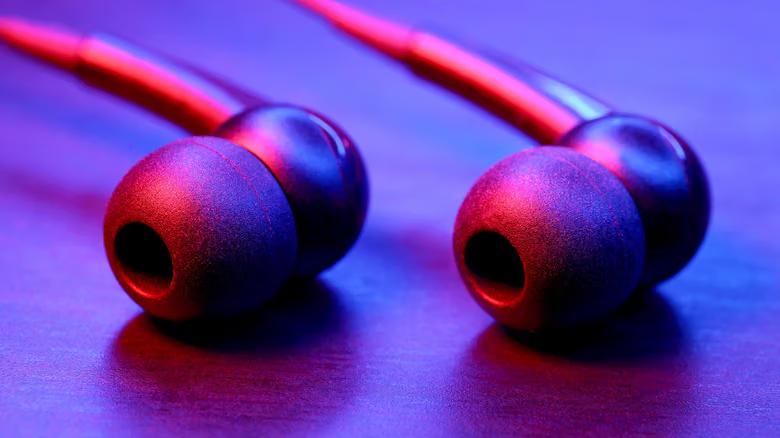
Those white earbuds from the iPod era were, for many people, the moment they first got "educated" about bad sound quality. Steve Jobs turned them into the most memorable image in any of his ads, but audiophiles wouldn't even bother taking them apart—those earbuds genuinely sounded terrible. Twenty years later, things are completely different: even the cheapest earbuds on the market today sound noticeably better than that old standard-issue pair. That makes "what exactly are you paying for with expensive headphones" a much more worthwhile question to ask than simply "which one sounds better."
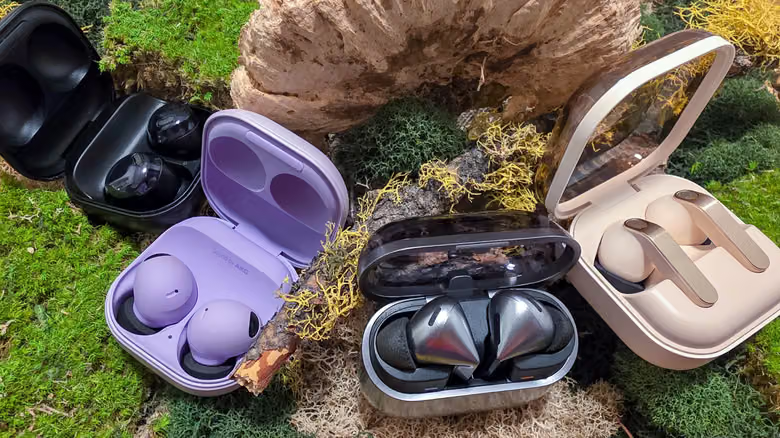
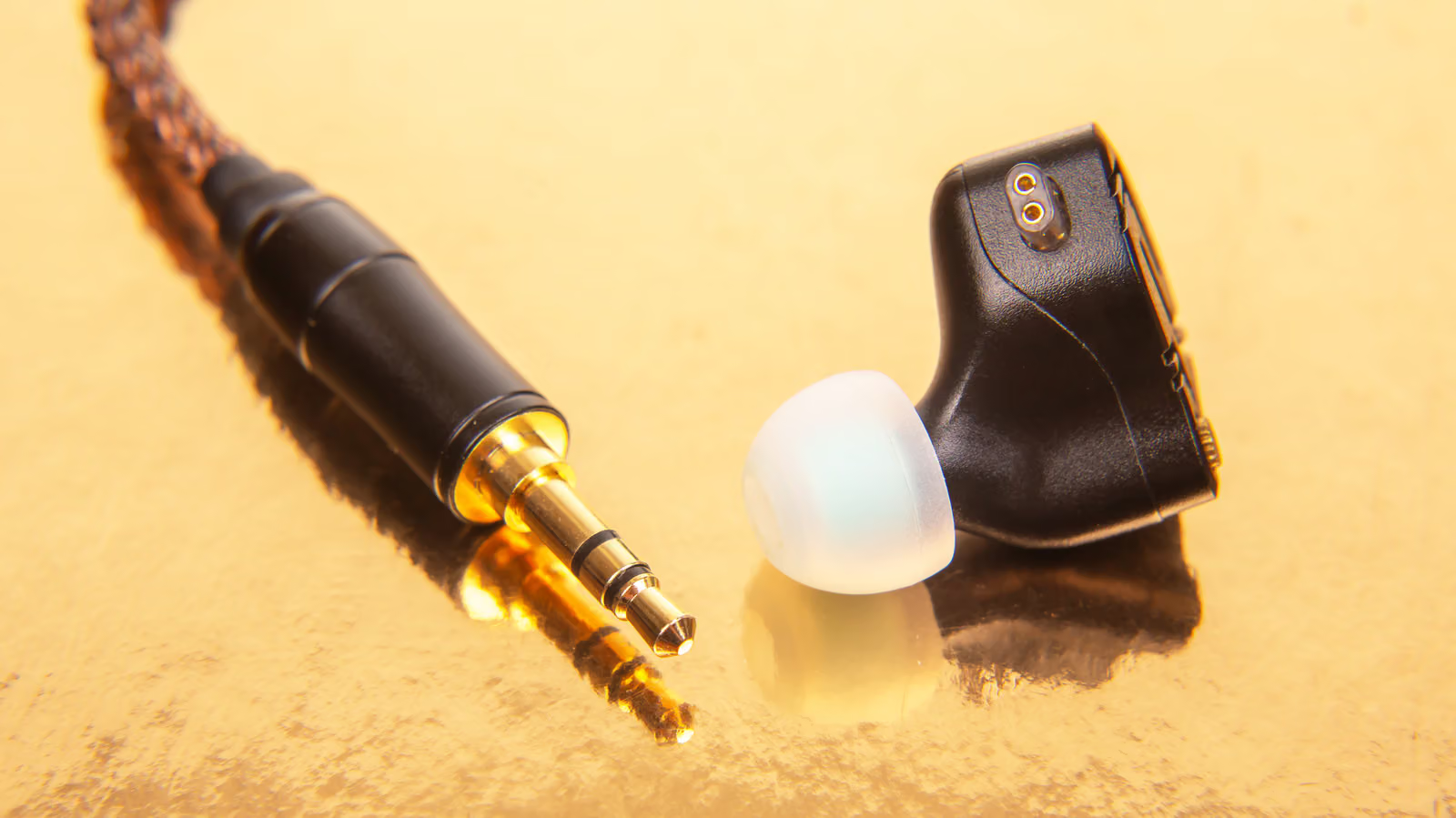
Engadget writer Max Miller breaks the headphone market down into two completely different paths. The first is in-ear monitors (IEMs) made for audiophiles, musicians, and recording engineers—mostly wired designs focused on transparency and analytical detail, with a deep-insertion fit that provides passive noise isolation, ideal for mixing in a hotel room, tracking in a studio, or monitoring your own performance on a packed stage. The second path is high-end true wireless earbuds (TWS) like the AirPods Pro 3 or Sony WF-1000XM6, where the selling point was never ultimate audio fidelity but rather active noise cancellation (ANC), transparency mode, and spatial audio—smart features designed to drown out subway noise during your commute or the chatter in a coffee shop, not to help musicians nail their pitch.