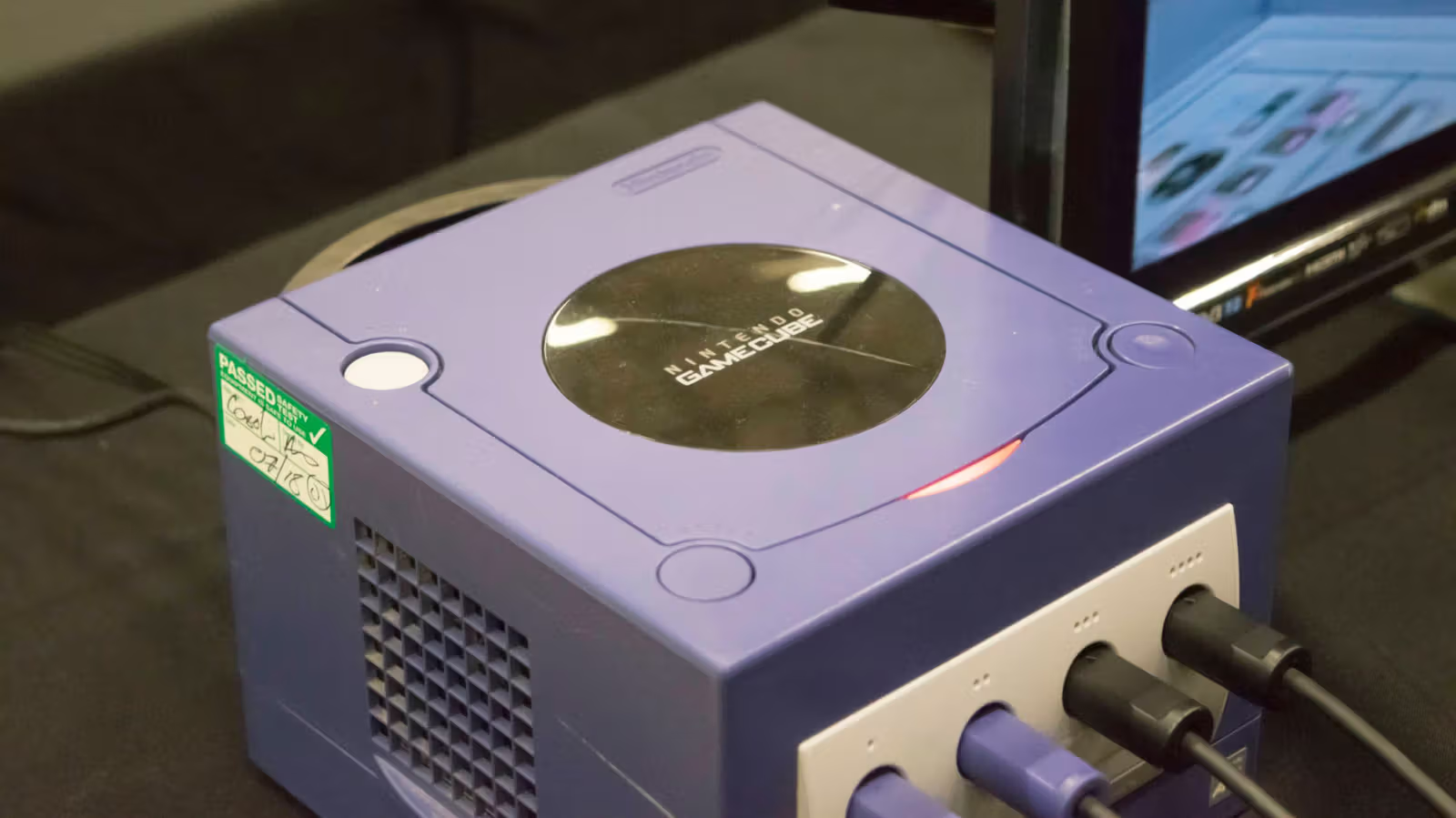
Flip a GameCube over, and that string of letters next to the model number on the bottom determines whether the console will actually work for what you want. Picking up a used GameCube to relive your childhood sounds as simple as plugging it in and hitting play, but Engadget points out that getting the wrong model could turn your entire game collection into shelf decoration.
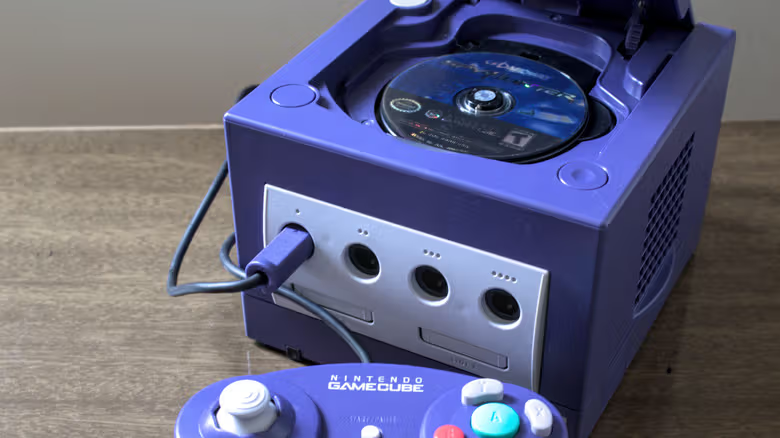
The GameCube is region-locked, split into three main markets: North America (NTSC-U), Japan (NTSC-J), and Europe/Oceania (PAL). A US console can't read Japanese discs, and a Japanese console won't recognize US discs either. This rule dates back to the analog TV era, when different regions used different signal standards—European games ran at 50 or 25 FPS, while North American versions ran at 60 or 30 FPS. Nintendo followed the same approach back in the NES and SNES days, and PlayStation and Dreamcast weren't exempt either. It's just that as newer console generations moved toward region-free designs, this bit of history has gradually faded from players' memory.
To tell game versions apart, US games carry the familiar ESRB rating logo, while Japan-exclusive titles have a solid "Only For" label in the upper left corner. PAL game cases are often marked with "PAL," and their "Only For" label has rounded corners with a green triangle beneath the side label, plus the GameCube logo printed at the top. Japanese game cases are also physically smaller and wrapped in Japanese text, making them fairly easy to spot. As for the console itself, the method is even more direct: Japanese units are marked "(JPN)" next to the model number with Japanese text, US units show "(USA)," and European units show "(EUR)." When buying online, always zoom in and carefully check the seller's photos of the console's underside.