Hotel Room Loot Rules: Mini Toiletries Are Fair Game, But Why Is the Bathrobe the World's Most Pilfered Item?
Shampoo, slippers, sewing kits — pack them in your suitcase without a second thought. Bathrobes and towels, though, are a different story. Industry insiders break down the invisible but costly line drawn inside every hotel room.
Welcome gifts are fair game, shower caps are fair game, and slippers are probably fine too — but bathrobes are off-limits. The line sounds simple enough, but once you're actually staying in a hotel room, it gets blurry fast. Anne Golden, a senior executive at Pan Pacific London, says guests can actually take more than they'd think. "Things like welcome gifts or toiletries — anything meant for single use — are fine to take." But she's also seen the other extreme: guests who pack up everything that isn't bolted down, a habit she calls "scorched earth policy."
Travel consultant Pippa O'Keefe puts it more bluntly: "Anyone who says they've never taken anything is lying." She's talking about single-use toiletries, boxed dental kits, combs, sewing kits, soap bars — items that, once opened or placed in a room, are essentially written off. It's simply easier for hotels to let guests take them than to throw them away. Tea bags, coffee sachets, sugar packets, and welcome snacks follow the same logic. Slippers sit in a gray area — most upscale hotels assume guests will take them anyway, since laundering them just isn't cost-effective.
A YouGov poll found that over three-quarters of respondents think it's perfectly reasonable to take mini toiletries, while fewer than one in ten think it's okay to take towels. Ironically, towels and toiletries often end up in the same suitcase anyway.
Bathrobes and Towels: The Two Items That "Disappear" Most From Hotels Worldwide
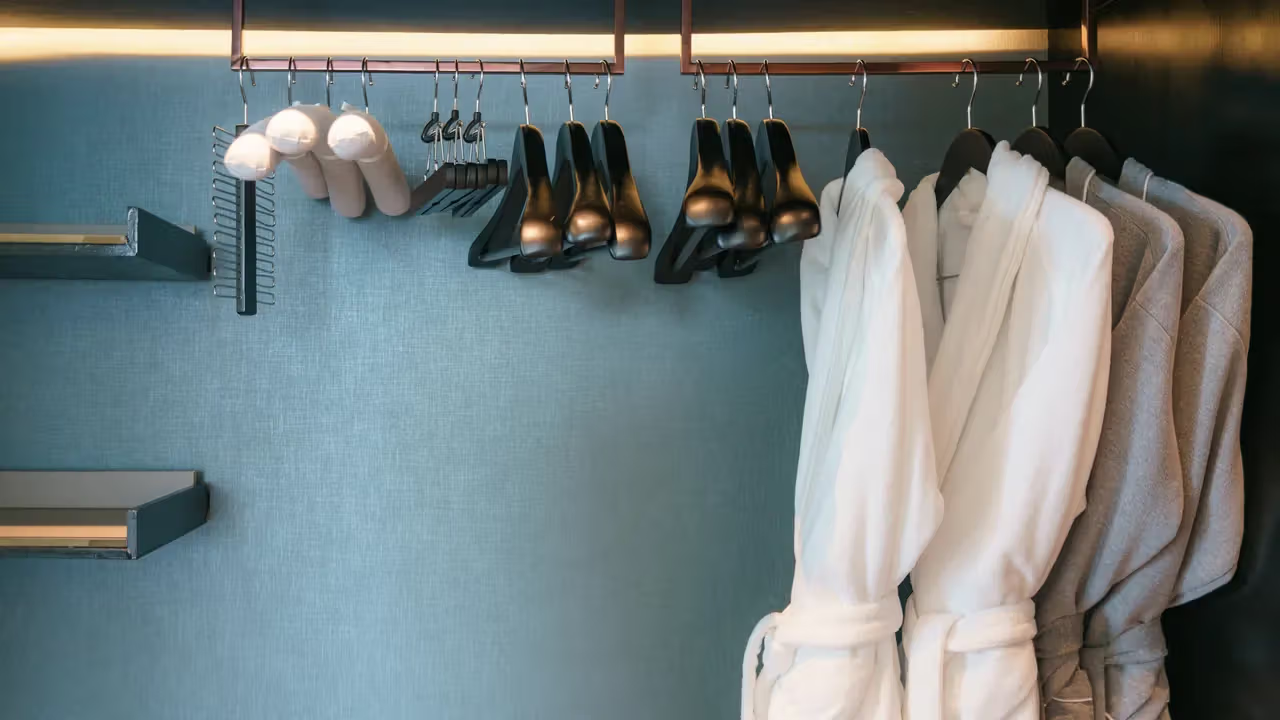
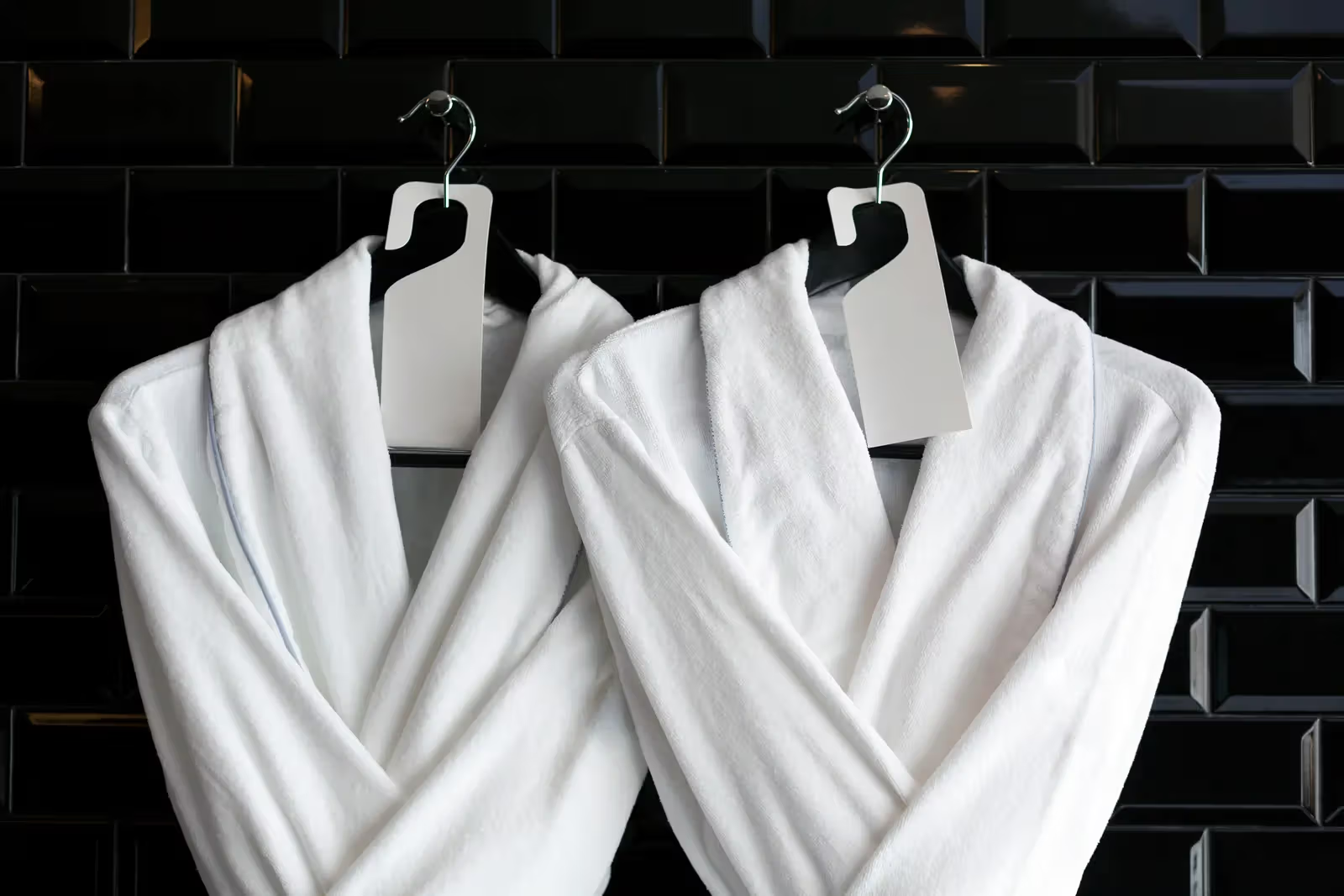
A survey of hotel managers across Europe found that nearly 80% reported towels regularly going missing, while bathrobes topped the list as the single most frequently taken item. These are items designed to be reused, and they're not cheap — replacing a single bathrobe can easily cost a hotel well over $100, more if it's custom-made or branded. Add in high-quality cotton towels and bespoke-embroidered linens, and the losses add up fast.
Still, most hotels avoid direct confrontation with guests. Karen Irving, general manager of Linthwaite House in the UK, says such incidents are relatively rare — "It's not worth turning a guest's stay into a negative memory over it." But Duncan Greenfield-Turk, a travel consultant with two decades of experience at top-tier hotels, takes a firmer stance: "You can't take the bathrobe, the linens, or the kettle. You're paying for the stay — not for the physical assets."
Clinical psychologist Kate Mason offers a different angle: it's rarely about the money. "Sometimes it's simply about feeling like you got your money's worth." The pricier the stay, the more guests feel a subconscious urge to "balance the ledger" — and because bathrobes are so tied to the experience of the stay itself, taking one feels more like keeping a souvenir than committing a theft. Mason also notes that many guests assume hotels won't notice the losses. "But from an operational standpoint, they absolutely do notice."
Industry estimates in the U.S. put annual losses from guest theft at as much as $100 million — and that's just the conservative, documented figure. Most hotels manage linens using a "par level" system — typically five sets per room: one in use, one in storage, one being laundered, one in transit, and one as backup. When items keep going missing, that buffer system breaks down, driving up both staff workload and costs. That's part of why some hotels have started sewing RFID chips into the edges of towels, robes, and sheets — making it easier for staff and laundry facilities to track exactly where items go.
Price tags are another solution — but a controversial one. O'Keefe argues that slapping a price tag on a bathrobe in a luxury hotel "feels a bit too on-the-nose," as if guests are being pre-emptively treated as thieves. Most hotels opt for a middle ground instead: clearly stating which items are complimentary, while subtly flagging purchasable items through in-room guides or discreet note cards. O'Keefe's take: "Guests don't actually mind being upsold, as long as it feels optional." What they really can't stand is feeling policed.