Type "Jason Isbell" into Suno's input box, and within seconds the platform generates a song called "Paper Bell," officially described as a "contemporary Americana singer-songwriter" track with "fingerpicked acoustic guitar," its vocal style allegedly close to Isbell's own, according to the complaint. This isn't an isolated case of users messing around—it's the central piece of evidence in the lawsuit.
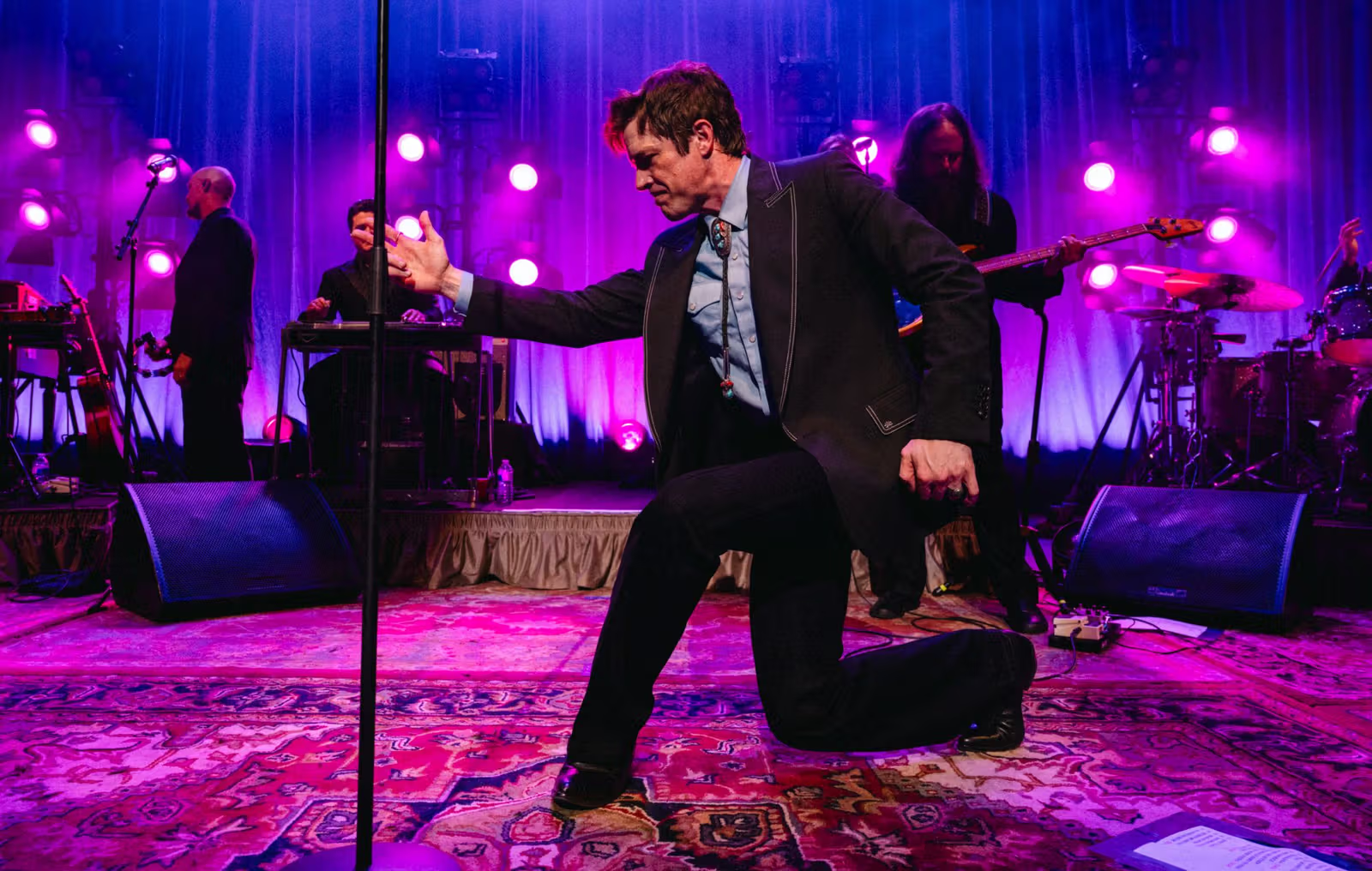
Jason Isbell, jazz saxophonist Eduardo Calle, Camper Van Beethoven frontman David Lowery, and blues guitarist Guy Forsyth filed an 84-page complaint against AI music platform Suno in a Massachusetts federal court on Monday, August 31, raising 17 claims that center on the right of publicity rather than traditional copyright infringement.
This angle is worth noting: they're not alleging that any specific song was plagiarized, but rather targeting the platform's overall mechanism—simply typing in a musician's name lets Suno quickly generate work that sounds strikingly close to that artist's style. The complaint also cites Camper Van Beethoven as an example: entering the band's name produces an AI song that the platform's own description labels "quirky late-1980s alternative rock" with folk-rock touches and occasional accordion and violin flourishes. The complaint states the same thing happens when users input Taylor Swift's name or specific song titles.
According to Consequence, the court filing states: "A child picking out a tune on a guitar after hearing it on the radio is not the same as building a commercial product trained on nearly all the music on the internet and indexed by name. An artist's identity is their property, and Suno took it without consent." The filing further emphasizes: "Responding to names is a systemic, designed commercial feature of this platform—not an isolated glitch or unpredictable edge case. It is the product itself."
The complaint also notes that while Suno officially denies replicating artists' voices and styles without consent, the plaintiffs argue the platform still leaves loopholes that let users repeatedly attempt to generate voice-mimicking content simply by typing in an artist's name. The four plaintiffs are seeking class action status, representing all musicians similarly affected by Suno who are not directly party to the suit, and are demanding compensation for violations of publicity rights and for profiting off artists' identities.
Just last month, Suno lost another legal battle to German copyright management organization GEMA, which argued that Suno trained its AI models using tracks—including Boney M's "Daddy Cool," Lou Bega's "Mambo No. 5," and Alphaville's "Forever Young"—without obtaining licenses or paying royalties. That ruling also means other AI companies will now have to pay to use GEMA's catalog going forward. Looking further back, in 2024 Warner, Sony Music Entertainment, and Universal Music Group jointly sued Suno for infringement "on an almost unimaginable scale," though Warner signed a licensing agreement with Suno in 2025 and dropped its lawsuit.
Data recently released by streaming platform Deezer shows that AI-generated music now accounts for over 50% of daily uploads on the platform—the first time AI-made content has outnumbered human-created music. A separate study also found that 97% of respondents couldn't tell the difference between AI-generated music and tracks performed by real singers. The lawsuit has yet to be decided, with further developments pending court proceedings.