TIDEZINE.

From the Ladakh Plateau to Maldivian Shores: Looking Back at Two Concluded Site-Specific Art Exhibitions

In summer 2026, the sā Ladakh Biennale on India's Ladakh plateau and a special exhibition at Kandima Maldives both concluded before October, showcasing curatorial approaches that closely integrated art with natural settings.

Alex Shen, Culture Editor
From the Ladakh Plateau to Maldivian Shores: Looking Back at Two Concluded Site-Specific Art Exhibitions

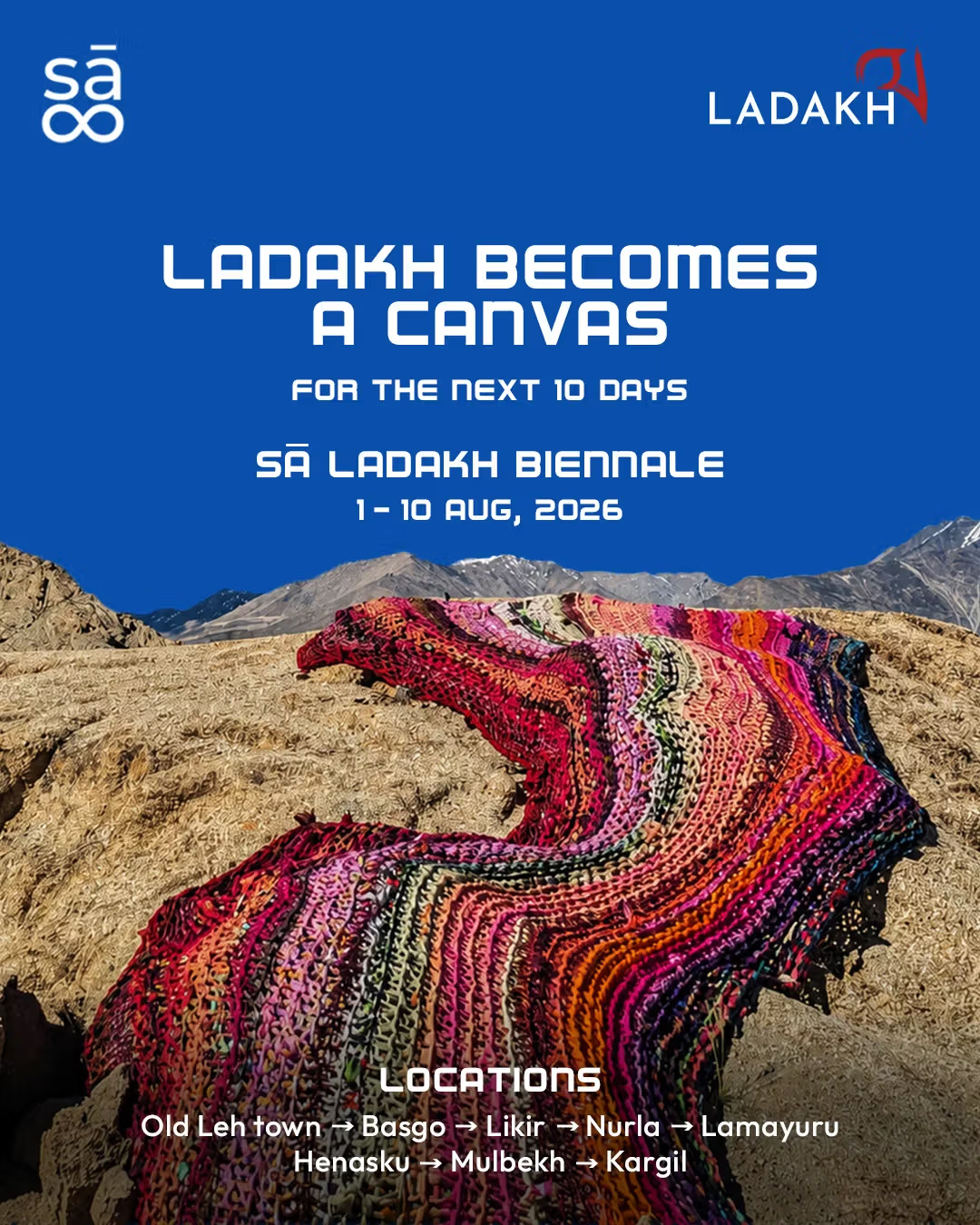
From August 1 to 10, 2026, the sā Ladakh Biennale took place along a route from Leh to Kargil in Ladakh, India, spanning roughly 200 kilometers at an altitude above 3,600 meters. Centered on the concept of "soil" (sā), this regenerative art biennale brought together international and local artists who used natural earth and low-carbon materials to create site-specific installations amid alpine deserts, ancient Tibetan-style forts, and high-altitude lakes. Because of this choice of venue, the works could not exist apart from their surroundings—what viewers saw was a complete visual narrative formed by the installations together with the landscape itself.
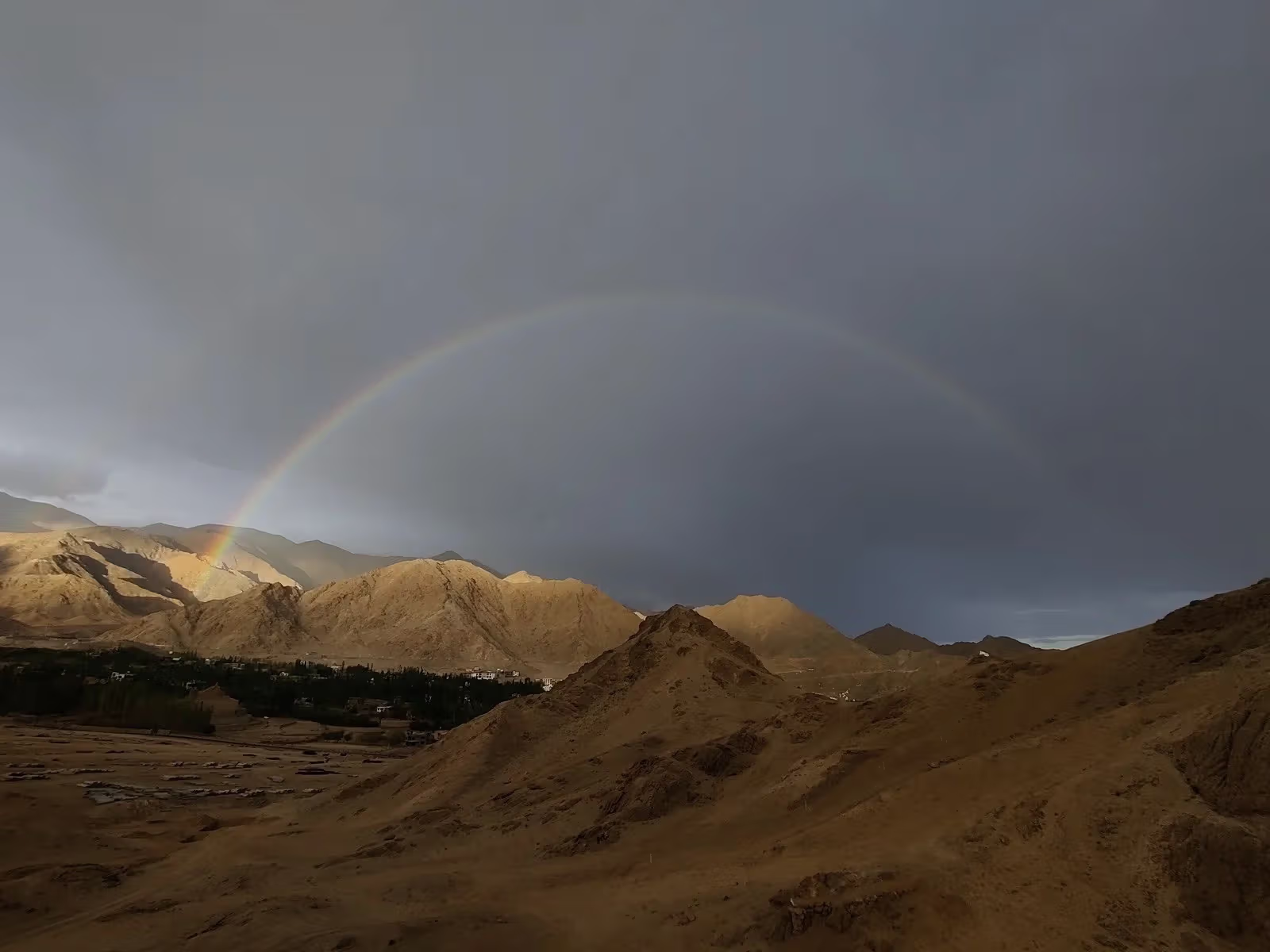
An art installation set within the Ladakh plateau landscape
A land art installation displayed at the sā Ladakh Biennale on the Ladakh plateau. Image: sā Ladakh Biennale

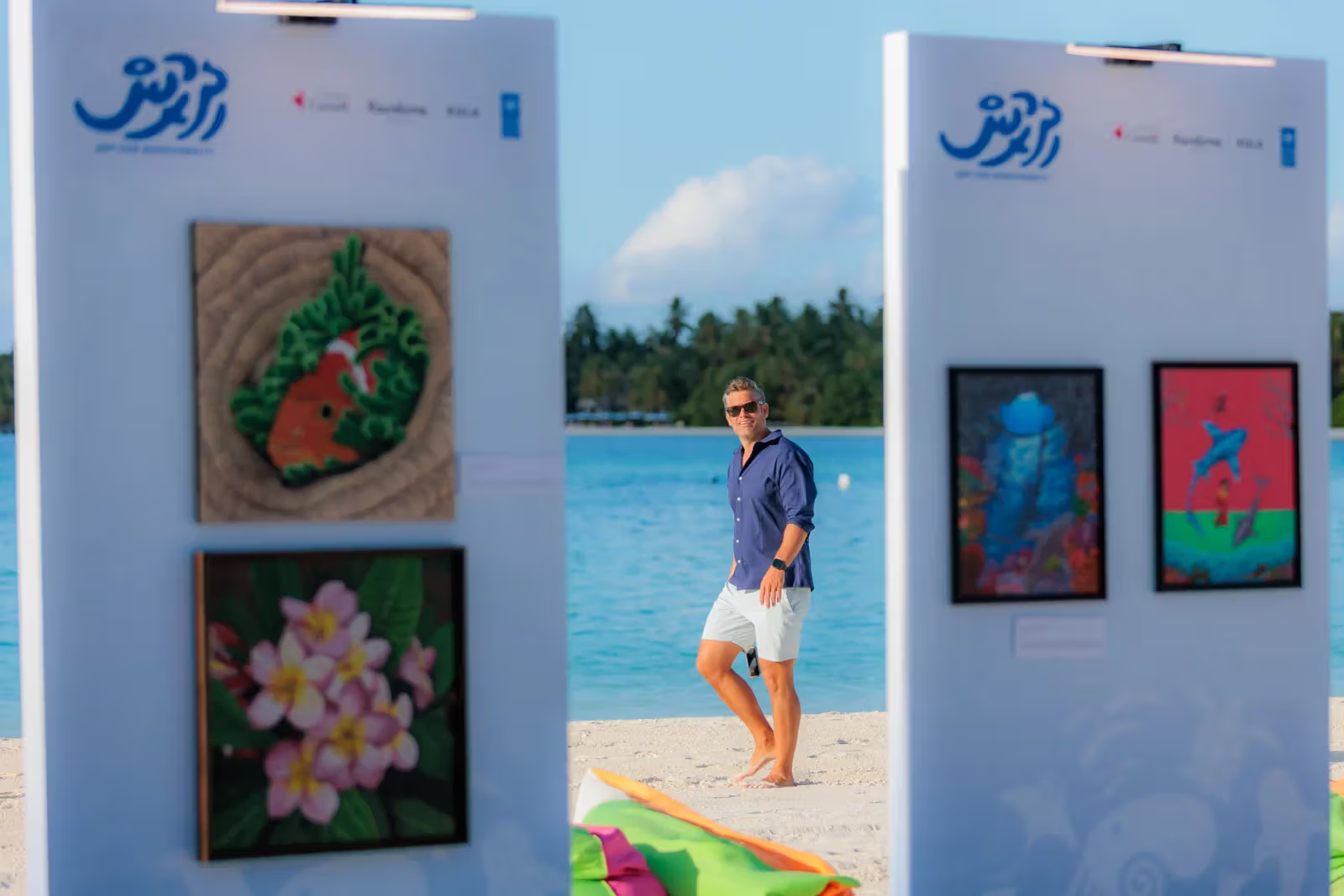
Around the same time, Kandima Maldives presented a special exhibition titled "Dhirun: Art for Biodiversity," originally scheduled to run from July 23 to September 23, 2026, curated jointly by the resort's KULA Art Initiative and the United Nations Development Programme (UNDP). The exhibition brought together works by more than 20 emerging local Maldivian artists and international creators, spanning large-scale ocean-themed installations, contemporary paintings, and digital art. A three-kilometer stretch of white sand beach became an open-air exhibition space, with the theme focusing on marine ecology and biodiversity.
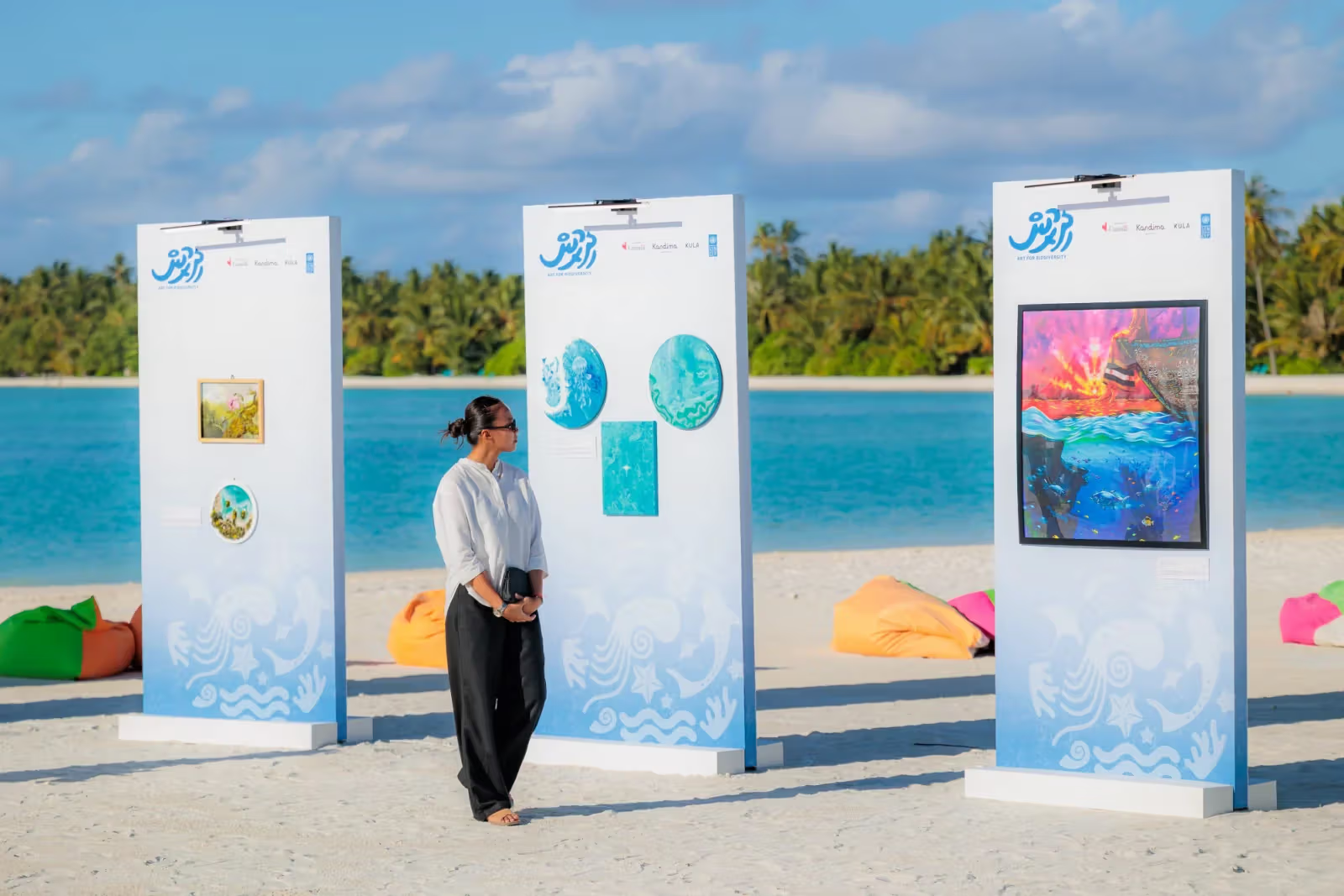
An art installation displayed on a white sand beach in the Maldives
A marine ecology-themed installation exhibited on the beach at Kandima Maldives. Image: Kandima Maldives

Why do such exhibitions choose mountains or beaches as their venues?

What the two exhibitions share is that neither curatorial team confined the works to an indoor white-cube space; instead, they incorporated the natural landscape itself directly into the creation and presentation of the art. The Ladakh Biennale's installations were placed beside ruins of Tibetan-style forts and high-altitude lakes, with the materials of the works entering into dialogue with the surrounding geology. Kandima's beach exhibition, meanwhile, juxtaposed works on marine ecology themes with the actual beach and coastline, so that the viewing experience was completed as visitors walked along the sand. This dependence on venue means the meaning and presentation of the works cannot easily be transplanted to another location—looking back on these works now requires understanding them together with the exhibition site and landscape as they existed at the time.
A land art work exhibited at the Ladakh Biennale
The work was installed amid alpine desert and an ancient Tibetan-style fort. Image: sā Ladakh Biennale

Do the works remain in place after the exhibitions ended?

According to available information, there has been no further word on what became of the Ladakh Biennale's land art installations, nor on whether the works from the Kandima special exhibition continue to be displayed on the island. The exhibition program also included a residency by Austrian artist Petra Maitz at Kandima from September 21 to October 5, during which she presented "Lady Musgrave Reef," a collective crochet work conceived as a sequel to the "Dhirun" exhibition. This residency has also already concluded, ending on October 5.

As of October 19, 2026, both the Ladakh Biennale and the Kandima special exhibition have officially ended, with both exhibition periods clearly falling within the past several months. Whether it is the plateau installations in Ladakh or the marine biodiversity works on Kandima's beach, each had its own announced exhibition dates, and current travel plans should not treat them as still ongoing.

What reference value does this exhibition format offer for understanding site-based art events?

Both exhibitions reveal a shared curatorial logic: centering on environmental themes—soil sustainability or marine biodiversity—and combining art with specific geographic settings so that the work directly responds to local ecological conditions. Ladakh's installations used regenerative materials to echo the fragility of the plateau environment, while Kandima's ocean-themed installations used the beach as a canvas to convey messages about biodiversity conservation. When reading records of such exhibitions, dates and locations matter equally: photographs of the works capture a particular curatorial arrangement at a particular time, while the actual landscape, the fate of the works, and any follow-up activities need to be verified separately.

Follow what interests you

Start with a brand tag or a section to build your own reading list.

Related

The Henderson Rises in Central as a Bauhinia-Shaped Landmark, with Art and Coffee Anchoring the Neighborhood
Lifestyle

The Henderson Rises in Central as a Bauhinia-Shaped Landmark, with Art and Coffee Anchoring the Neighborhood

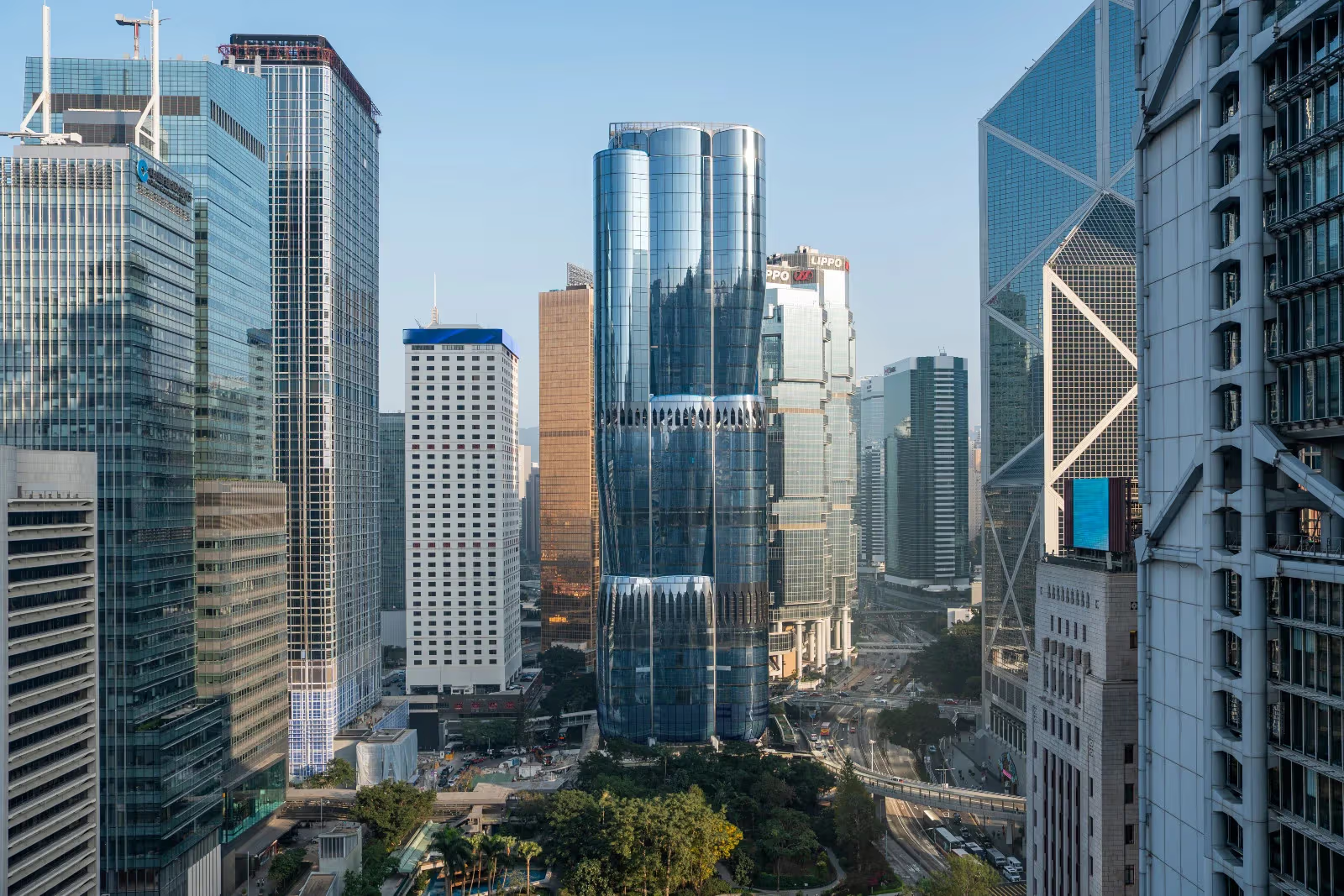
The Henderson, a new Central landmark designed by Zaha Hadid Architects, draws inspiration from the budding Bauhinia flower, combining a Christie's gallery, a Jeff Koons installation, and dining to create an urban space where art and commerce coexist.

THE ARCHIPELAGO Links Wai'ao and Yilan Through Sea, Land and Air Experiences
Lifestyle

THE ARCHIPELAGO Links Wai'ao and Yilan Through Sea, Land and Air Experiences

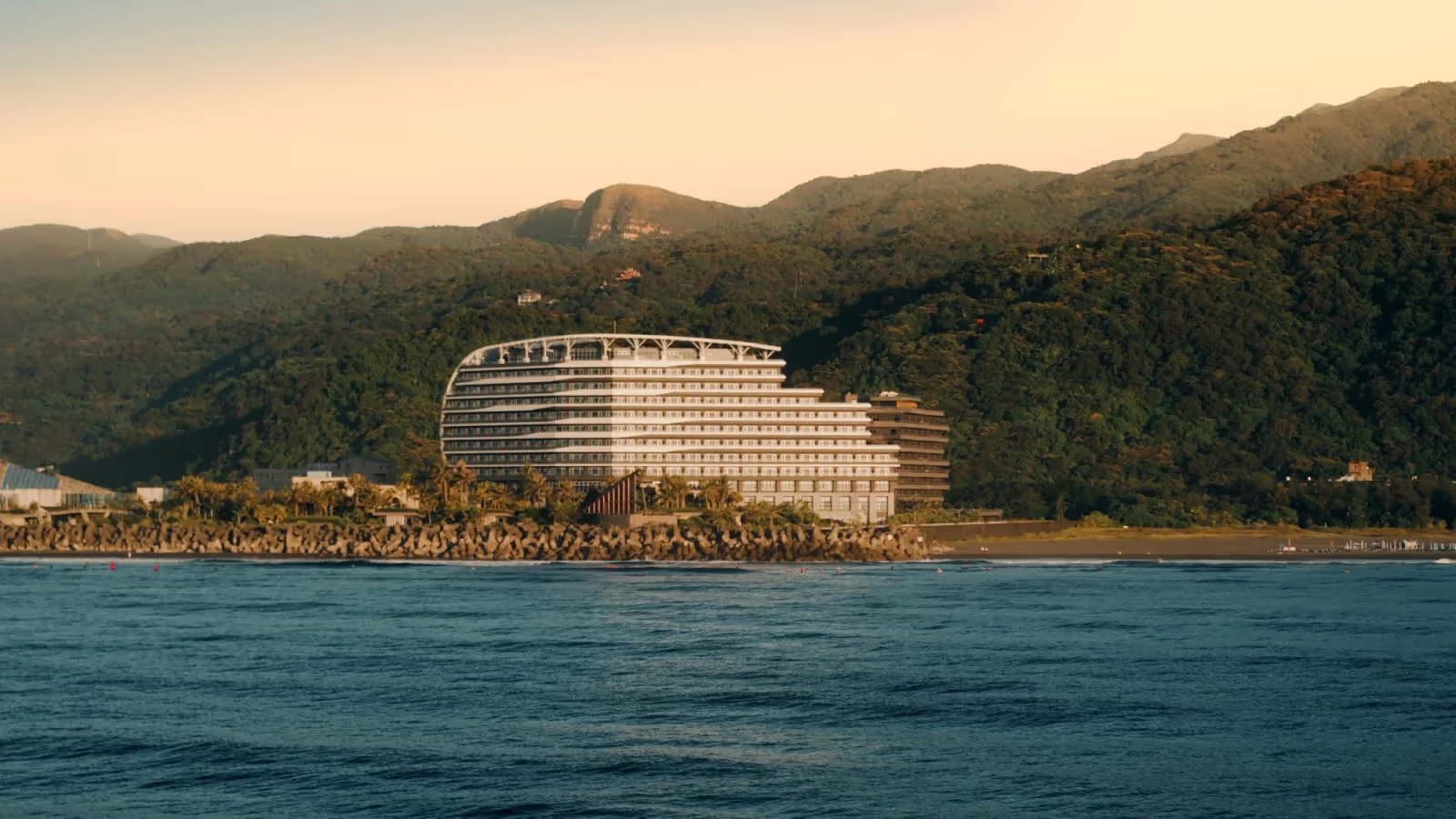
From summer 2026, THE ARCHIPELAGO will launch a 'Sea, Land, Air' experience program combining Turtle Island whale watching, Wai'ao paragliding and coconut-grove horseback riding, with Yilan-inspired cuisine curated by chef André Chiang, extending options beyond the hotel itself.

Four Seasons Hotel Tokyo at Marunouchi Reopens After Renovation: André Fu Redesigns 57 Guest Rooms
Lifestyle

Four Seasons Hotel Tokyo at Marunouchi Reopens After Renovation: André Fu Redesigns 57 Guest Rooms

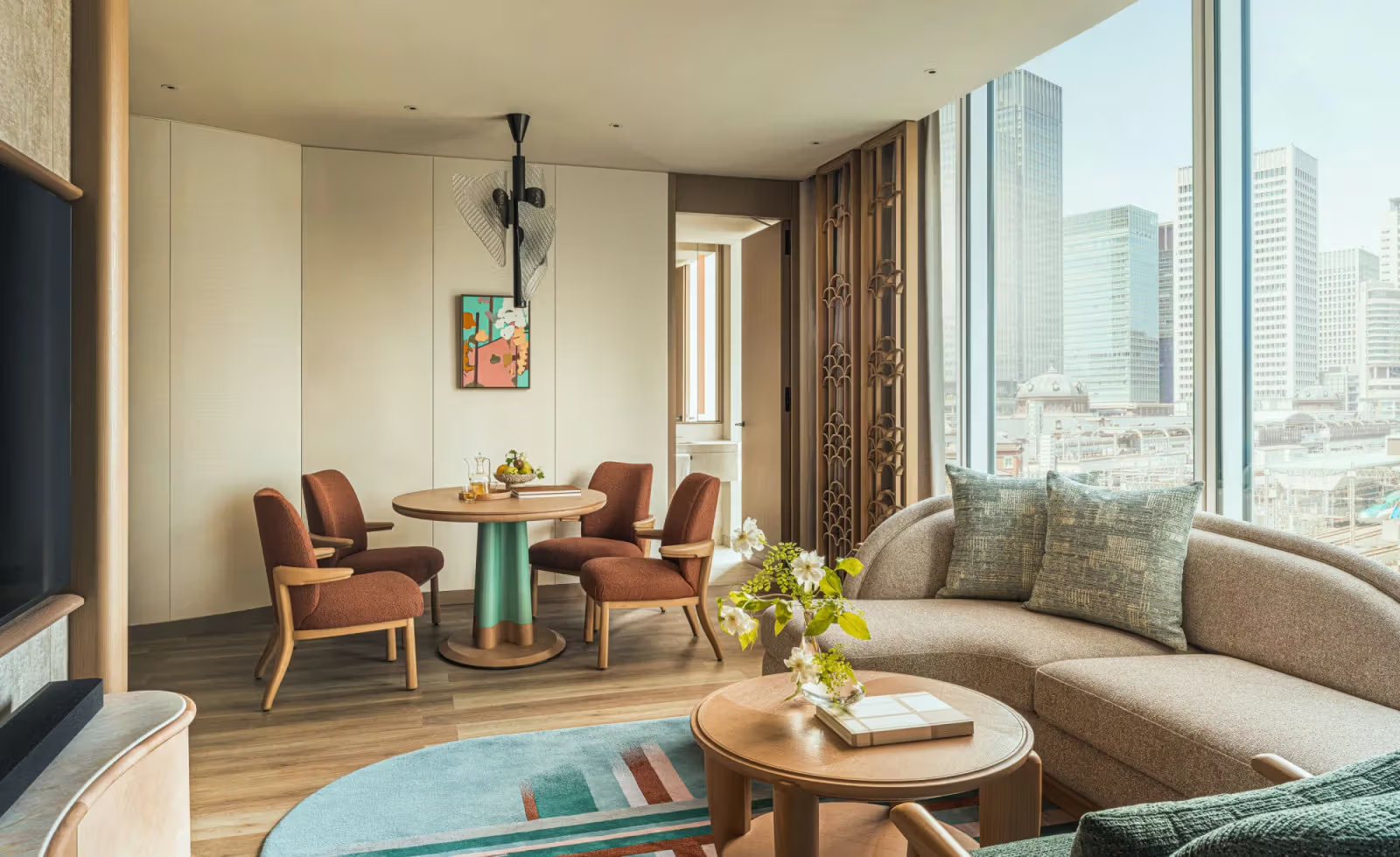
Four Seasons Hotel Tokyo at Marunouchi reopened room bookings on April 29, 2026, following a renovation led by designer André Fu, featuring 57 guest rooms and suites that blend mid-century style with Japanese craftsmanship. Flagship restaurant Sézanne remained open throughout the renovation.

Looking Back at W Taipei's 'Sun Chasers': How Pool Music and Cross-City Dining Connected
Lifestyle

Looking Back at W Taipei's 'Sun Chasers': How Pool Music and Cross-City Dining Connected

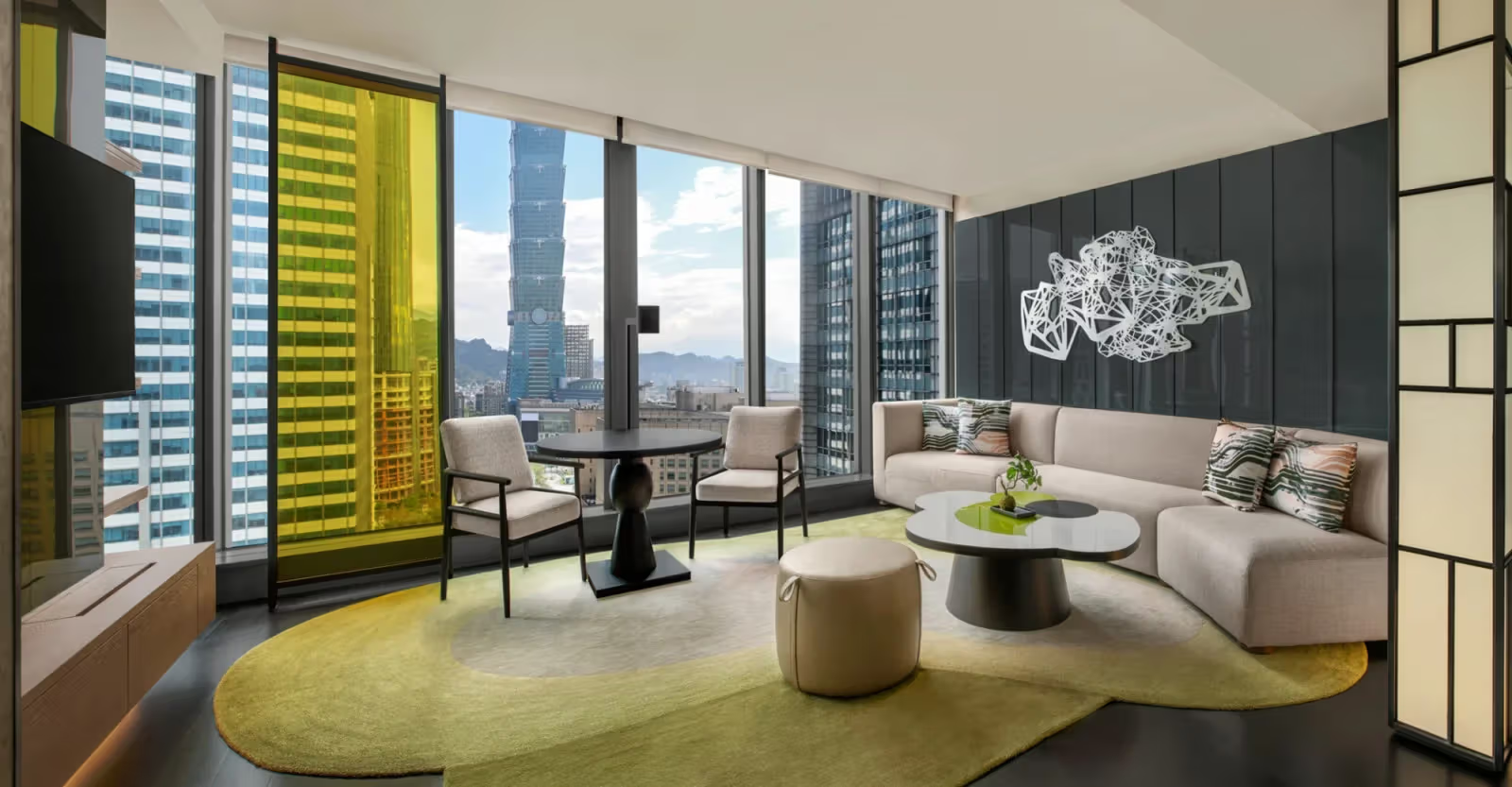
W Taipei's 2026 summer 'Sun Chasers' campaign linked the 10th-floor WET® pool, poolside music, and cross-city guest dining, running until September 30. Here's a look back at how it was arranged.

Hibiki Turns 37: Tracing Kyoto's Craft Heritage from Chiso Kimono to Washi Paper Labels
Lifestyle

Hibiki Turns 37: Tracing Kyoto's Craft Heritage from Chiso Kimono to Washi Paper Labels

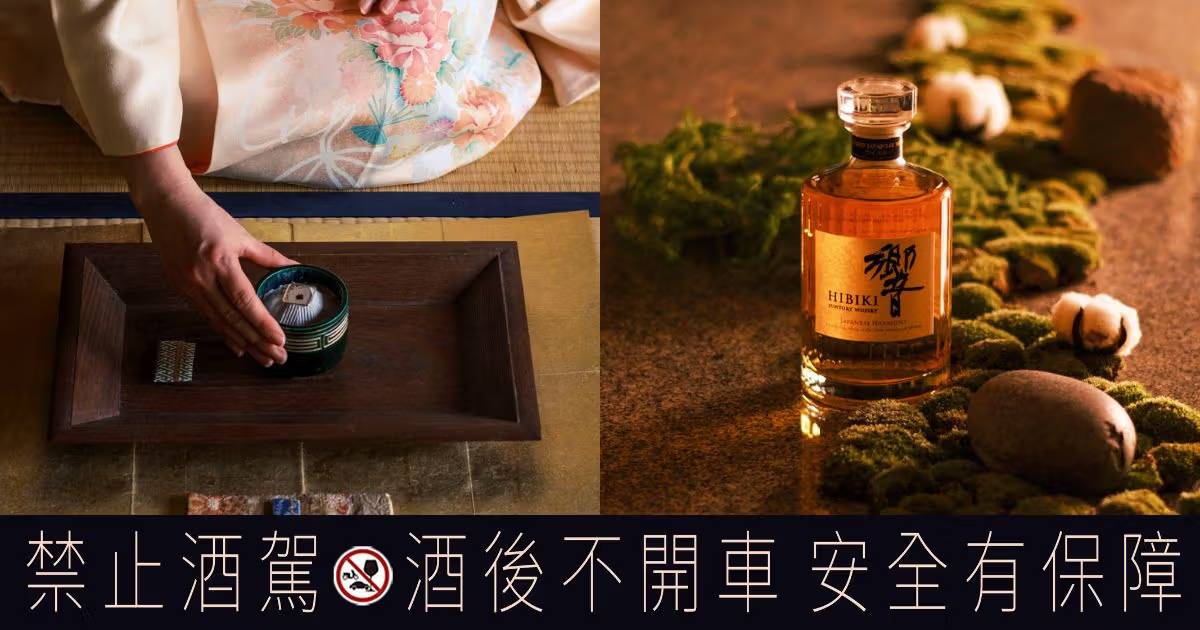
As Hibiki whisky marks its 37th year, Suntory draws on Kyoto's traditional craftsmanship, linking Chiso kimono artistry, the Yamazaki Distillery, and washi artist Eriko Horiki's label design to reveal the craft lineage behind this blended whisky.

OKU Hotel Turns Taichung’s Former Sakurada Department Store into a Stay with Dining and Bar Spaces
Lifestyle

OKU Hotel Turns Taichung’s Former Sakurada Department Store into a Stay with Dining and Bar Spaces

Located at No. 357, Chenggong Road, Central District, Taichung, OKU Hotel was converted from the former Sakurada Department Store, preserving the original structure near Taichung Park, Second Market, and the Liuchuan riverside, with interior design by HBA Studio.