How Ming Hwa Yuan brings new audiences to Taiwanese opera: comics, virtual theatre and succession
CEO Chen Chao-hsien’s work connects 2020’s The Apocalypse of Darkness Warfare adaptation, a 2024 virtual theatre and the long-term management of a troupe.
When Taiwanese opera meets comics, independent music and virtual space, the change involves more than stage costumes: it changes where audiences first encounter a work. In a recent public interview, Ming Hwa Yuan CEO Chen Chao-hsien revisits the 2020 comic adaptation The Apocalypse of Darkness Warfare, a 2024 virtual-theatre collaboration and the troupe’s movement towards formal management systems. The cases belong together. Creative work opens new entrances, while the organisation must sustain the work behind them.
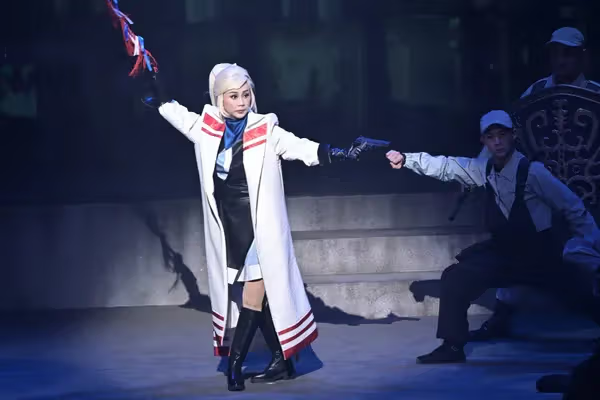
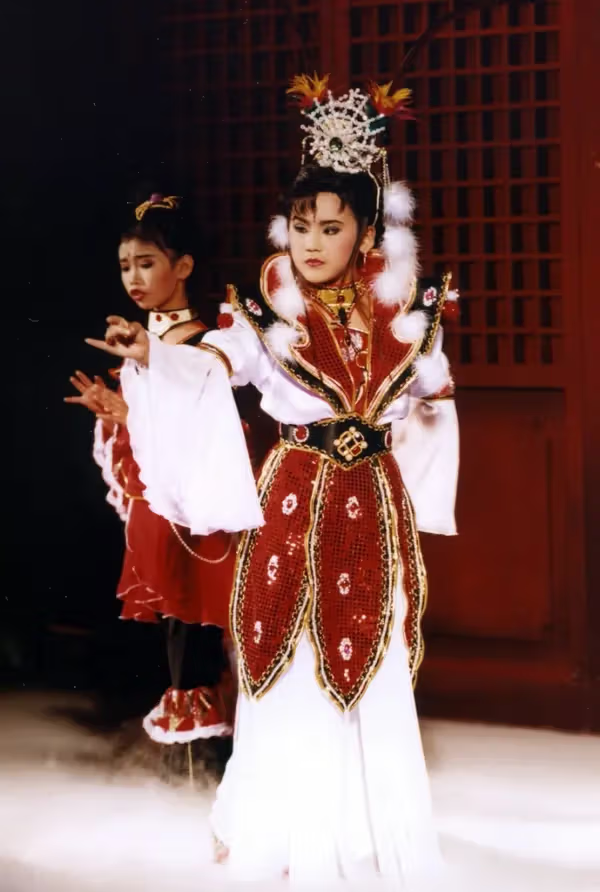
Ming Hwa Yuan’s stage styling retains traditional costume and performance details.
A comic brings familiar characters into another performing form
The 2020 production adapted Wei Tsung-cheng’s comic of the same name, introducing readers familiar with panels to Taiwanese opera’s singing, movement and live performance. Sun Tsui-feng’s character styling also moved beyond the imperial and military costumes familiar to audiences. An existing story gave newcomers a starting point; the troupe’s challenge was to translate the comic’s pacing and images into actions and sounds that worked on stage.
The case offers more than a simple claim of becoming younger. Moving a familiar subject into another form lets audiences compare two ways of telling a story while drawing new attention to traditional skills. Treating a crossover as a costume or title change risks overlooking the adaptation itself. Whether a new entrance works ultimately depends on audiences finding reasons to understand and engage with the performance.
Virtual theatre also needs to teach people how to enter
In 2024, Ming Hwa Yuan worked with Amazing Show and Lee Ying-hung on a virtual theatre with a cyber-Taike character. Chen describes online assistance that helped older viewers create avatars and enter a virtual temple courtyard. The detail is more specific than a metaverse label: moving performance to a new interface adds accounts, avatars and controls to what previously involved buying a ticket and sitting down.
For cultural events, interface innovation and audience support need to be designed together. New viewers may follow the musicians, while existing audiences want familiar performers. The instructions they need may differ. Planning entry, operational assistance and programme content together helps keep technology from becoming another obstacle at the entrance. It also affects whether different generations can remain part of the same performance.
Succession involves systems as well as the stage
Chen is the third generation of the Ming Hwa Yuan artistic family, the daughter of Chen Sheng-fu and Sun Tsui-feng, and has been the main troupe’s producer since 2018. Her business-management background directs attention towards contracts, family management and copyright boundaries, considering how the troupe can still operate decades later. These systems are a basis for clear collaboration, responsibility and use of works, rather than incidental administration outside creation.
She also discusses gradually building audiences through production quality and varied casts rather than dependence on a single star. Newcomers can compare subjects, performer combinations and formats alongside familiar leads to find an appropriate first show. These examples revisit existing productions and public remarks; they do not announce tickets for a new season. Check each programme, date and ticket arrangement separately to turn interest in a crossover into attendance.
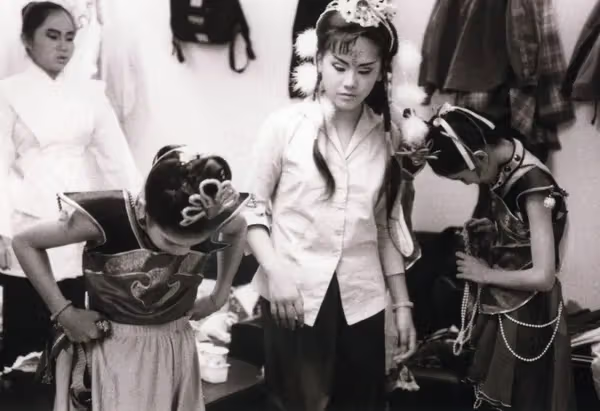
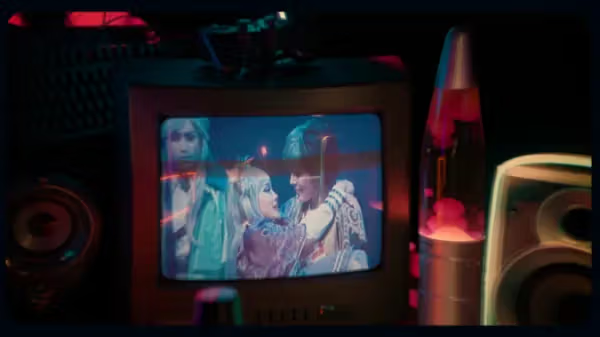
A historical working image supplied by Ming Hwa Yuan shows life behind the scenes.A screen presentation of Ming Hwa Yuan performance imagery illustrates viewing across media.