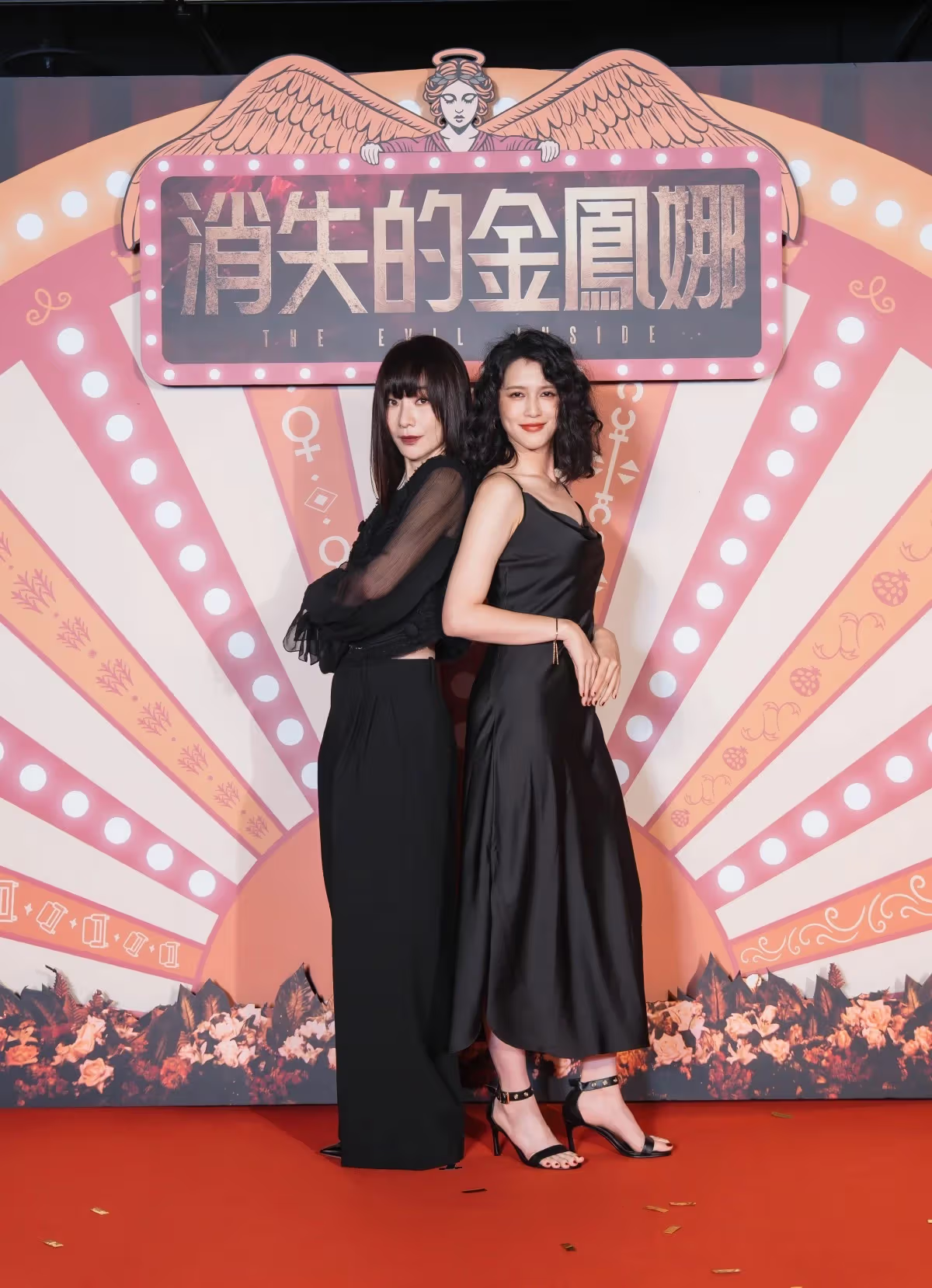
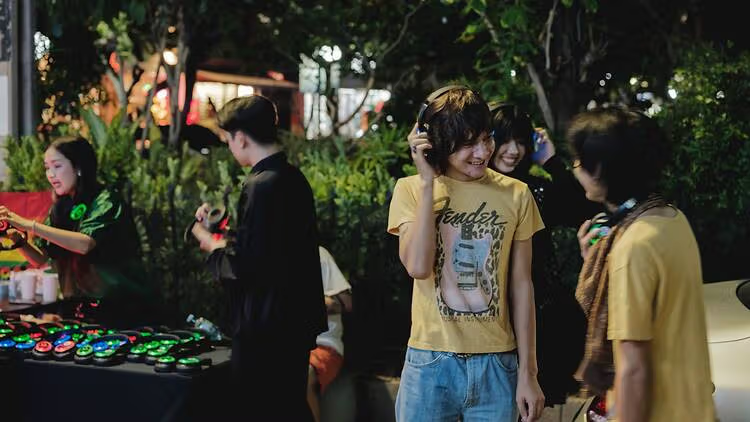
The Taiwanese thriller The Evil Inside, directed by Hsieh Ting-han and starring Joan Chen, is scheduled for a nationwide release on October 29, 2026, following an October 22 premiere event at MUVIE CINEMAS. Its story begins with former cabaret star Ho Chen-chen, stage name Chin Feng-na, trapped in a strange care home, with her relationship to an estranged daughter forming another mystery. The premiere team’s 1980s cabaret styling contrasts the character’s glamorous stage past with her confinement.
The premiere’s retro cabaret-style backdrop echoes the film’s theme.
How does a stage name become a missing person?
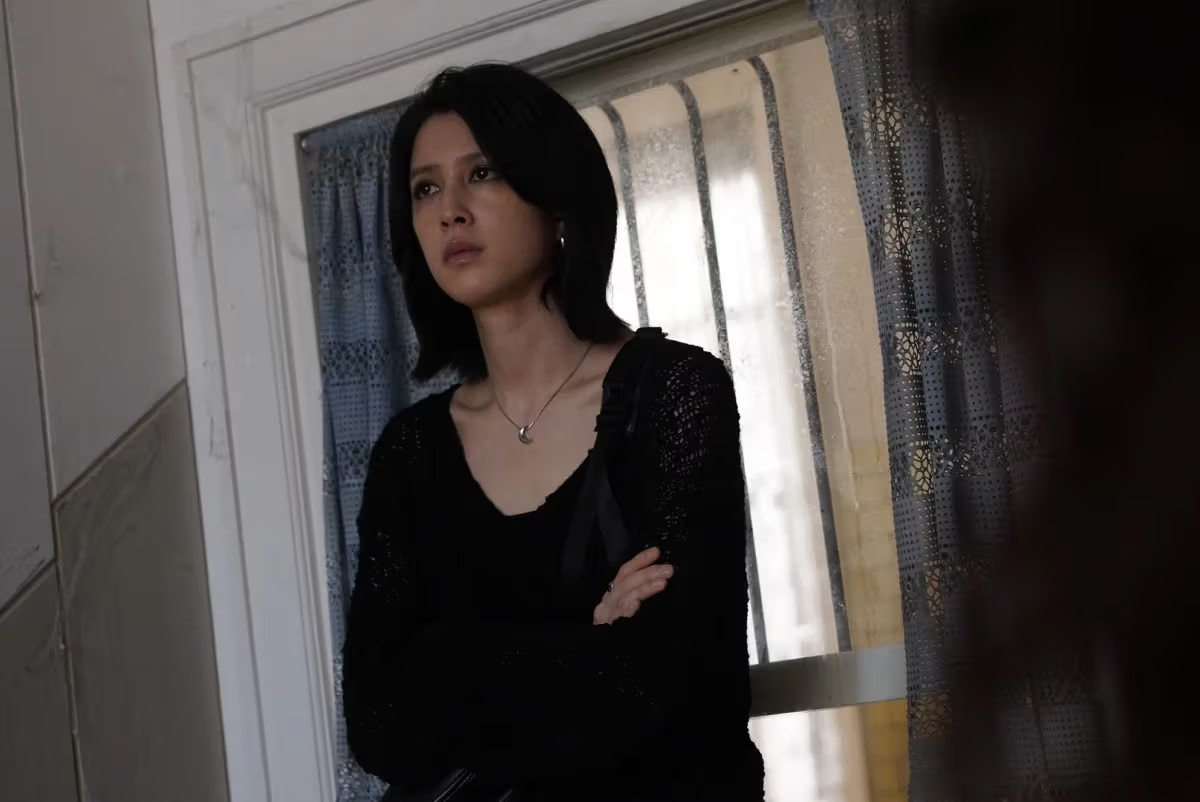
The public synopsis describes Chin Feng-na as a once-prominent stage performer who loses contact with her earlier life after debt and personal upheaval. Waking in a care home, she is told she has terminal cancer. The apparently peaceful order around her soon reveals something wrong. Two questions unfold together: can she leave now, and how can she recover relationships left behind?
The setup places a public stage identity beside private estrangement, guilt and survival. Before viewing, it helps to recognise different names and periods in the character’s life without reducing every mystery to one supernatural explanation. Trailers and synopses offer an entrance; the full meaning of her decisions belongs to the film. This account does not reveal the ending.
Interior space and character relationships develop the film’s suspense.
Why does the care home become a closed world?
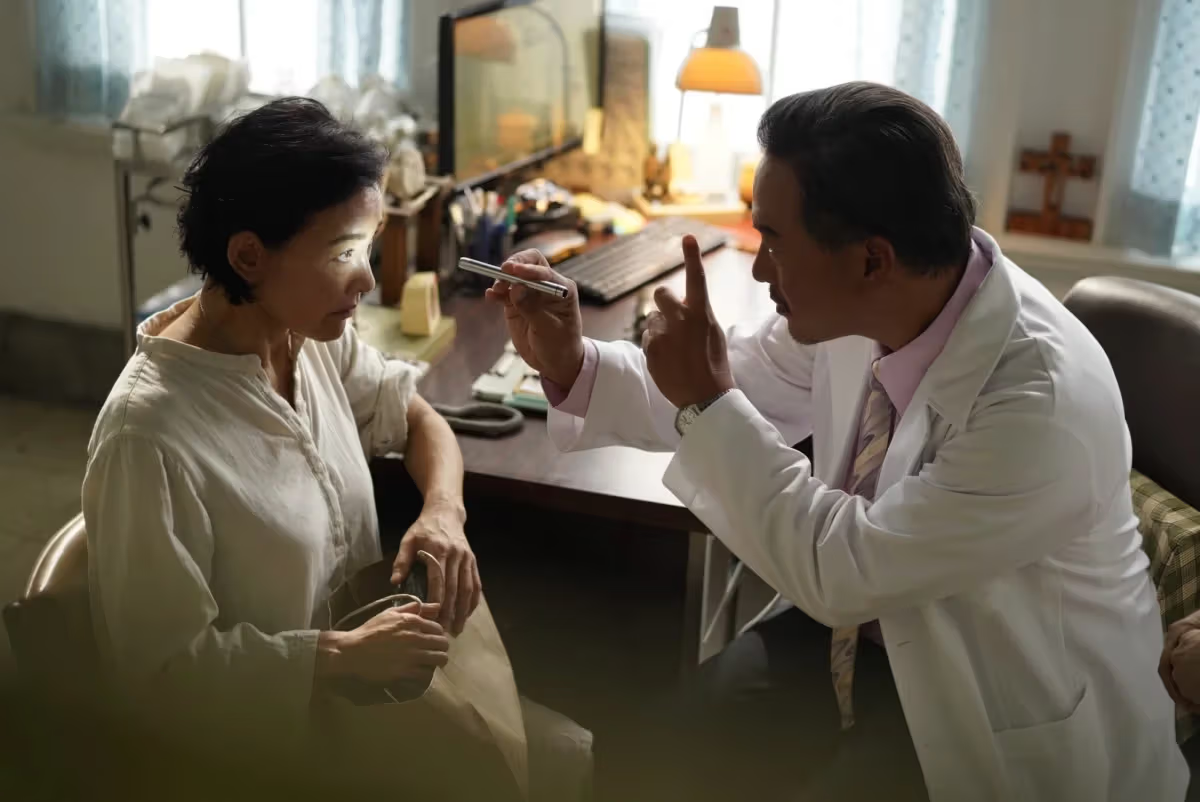
Hsi Hsiang plays the director, Yang Liang the head nurse and Chang Han a doctor, occupying roles that would ordinarily promise care but form controlling relationships the protagonist struggles to escape. Characters played by Cheng Chih-wei and Chen Chi-hsia complicate the institution’s network further. This is a fictional setting, rather than a basis for generalising about real care institutions.
When familiar wards, corridors and medical roles become unreliable, suspense can emerge from expectations of an ordinary system breaking down. Beyond sudden shocks, observe how much space the camera leaves a character, where sounds originate and whether dialogue changes an assessment of someone. Those approaches let the mystery extend beyond simply guessing who is responsible.
The premiere has happened; theatrical release is October 29
Producer Kao Jui-yang, the director and cast attended the October 22 premiere. Joan Chen could not travel to Taiwan because of work, so the group posed with a standee. News published October 23 does not mean the premiere occurred that day or that regular screenings had already begun. Check actual cinema schedules and classification information from October 29 before buying tickets.
Produced by Dashing Pictures, the film brings together cinematography by Hsu Chih-chun, art by Liao Chien-an, sound by Kao Wei-yen and visual effects by Yen Chen-chin, making image and sound tools for pressure. Those following Chen can observe changes in body and voice between stage memories and present confinement. Those interested in Taiwanese thriller spaces can examine the institution’s order and its fractures. Choosing a viewing thread is more useful than passing judgement before release.