TIDEZINE.

Water Bamboo Shoots with Mayo Make It Onto the Tasting Menu—28-Year-Old Chef Opens mirei in Dadaocheng

Kenta Iizuka, who trained in a two-Michelin-star kitchen in Tokyo, is opening his first solo restaurant, mirei, in Dadaocheng. He deconstructs everyday Taiwanese flavors like water bamboo shoots and sesame-sauce cold noodles, with tasting menus priced at NT$3,680 per person.

Water Bamboo Shoots with Mayo Make It Onto the Tasting Menu—28-Year-Old Chef Opens mirei in Dadaocheng

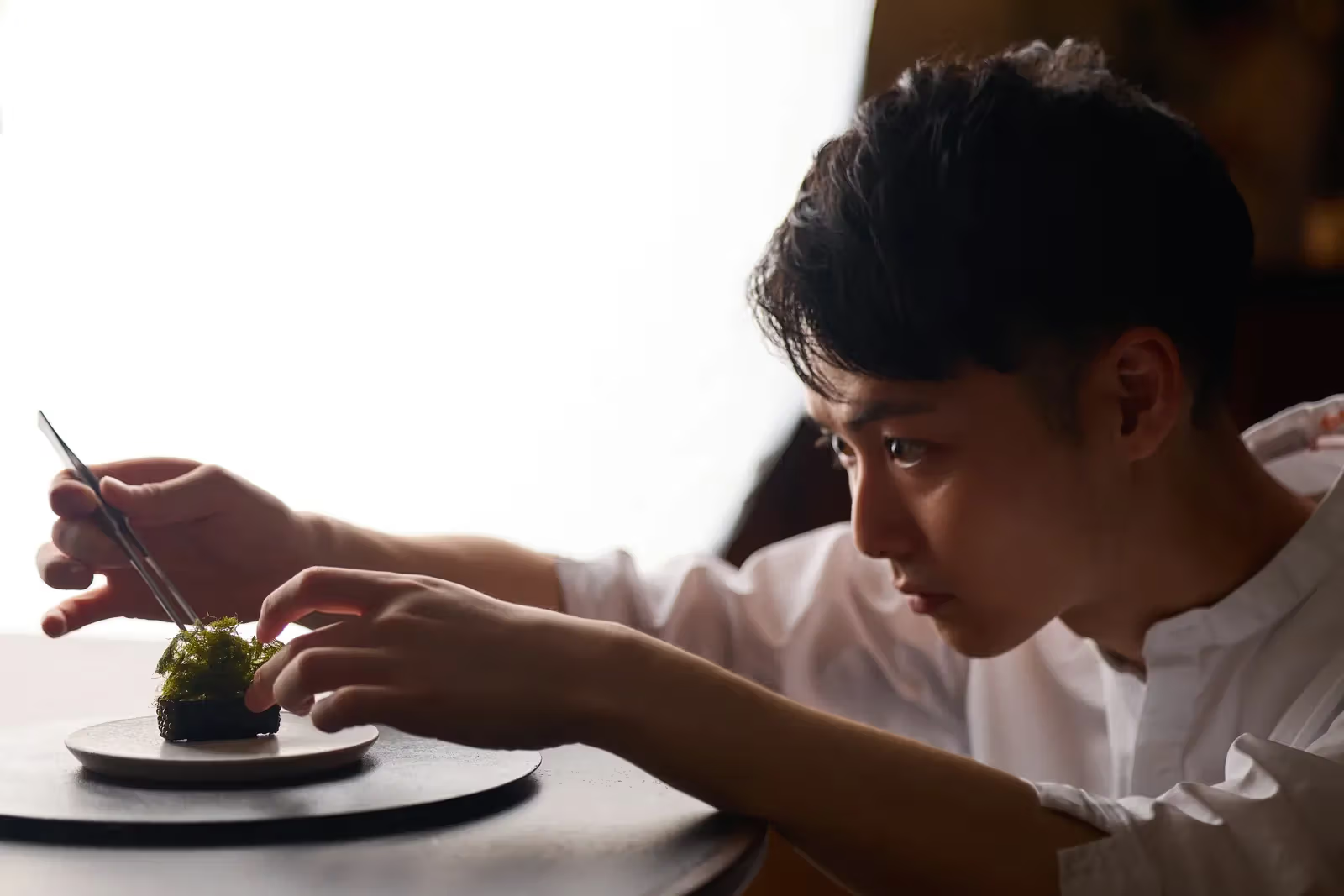
Water bamboo shoots dipped in mayonnaise are usually an unremarkable side dish on a typical Taiwanese dinner table. In the hands of 28-year-old Japanese chef Kenta Iizuka, this dish becomes something else entirely: Puli water bamboo shoots are first charcoal-grilled to concentrate their juicy sweetness and impart a smoky char, then topped with chilled cream that slowly melts, mimicking the fatty richness of mayonnaise coating the vegetable. Rather than "elevating" Taiwanese flavors, he's taking a familiar home-style dish apart and looking at it anew.
茭白筍配美乃滋端進tasting menu,28歲主廚在大稻埕開mirei未麗

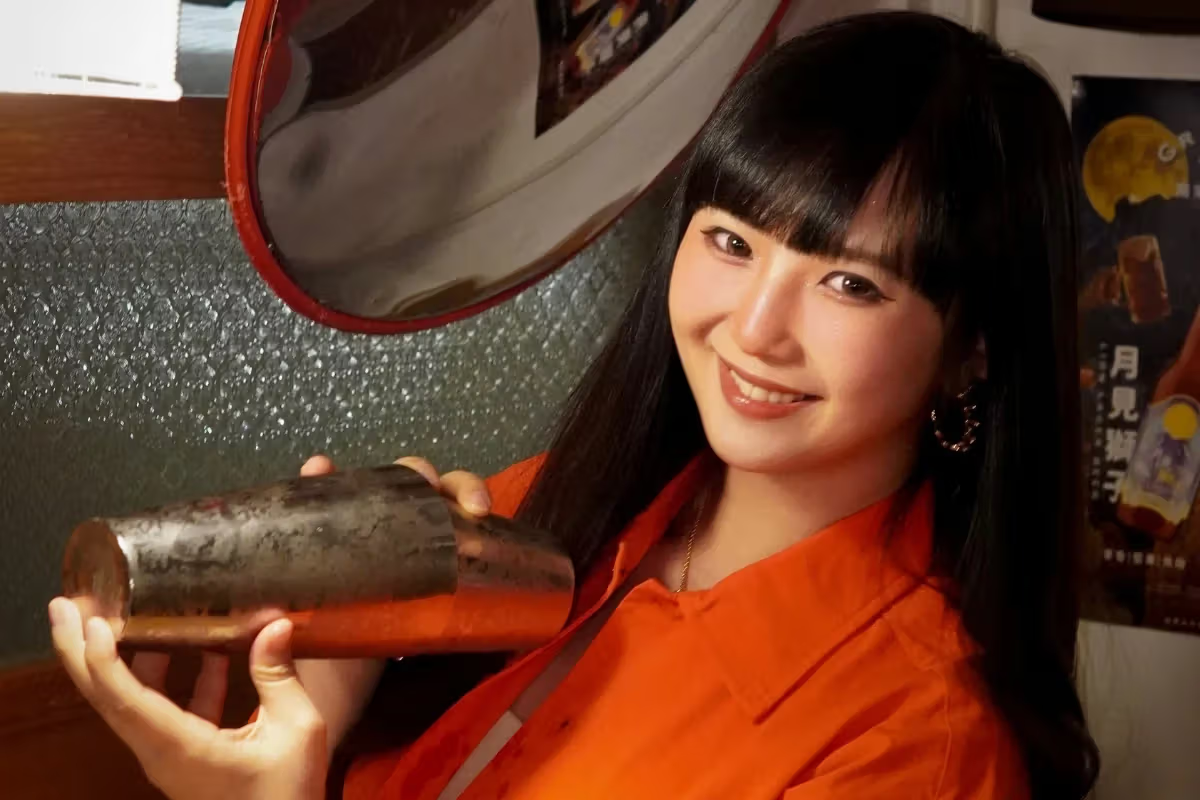
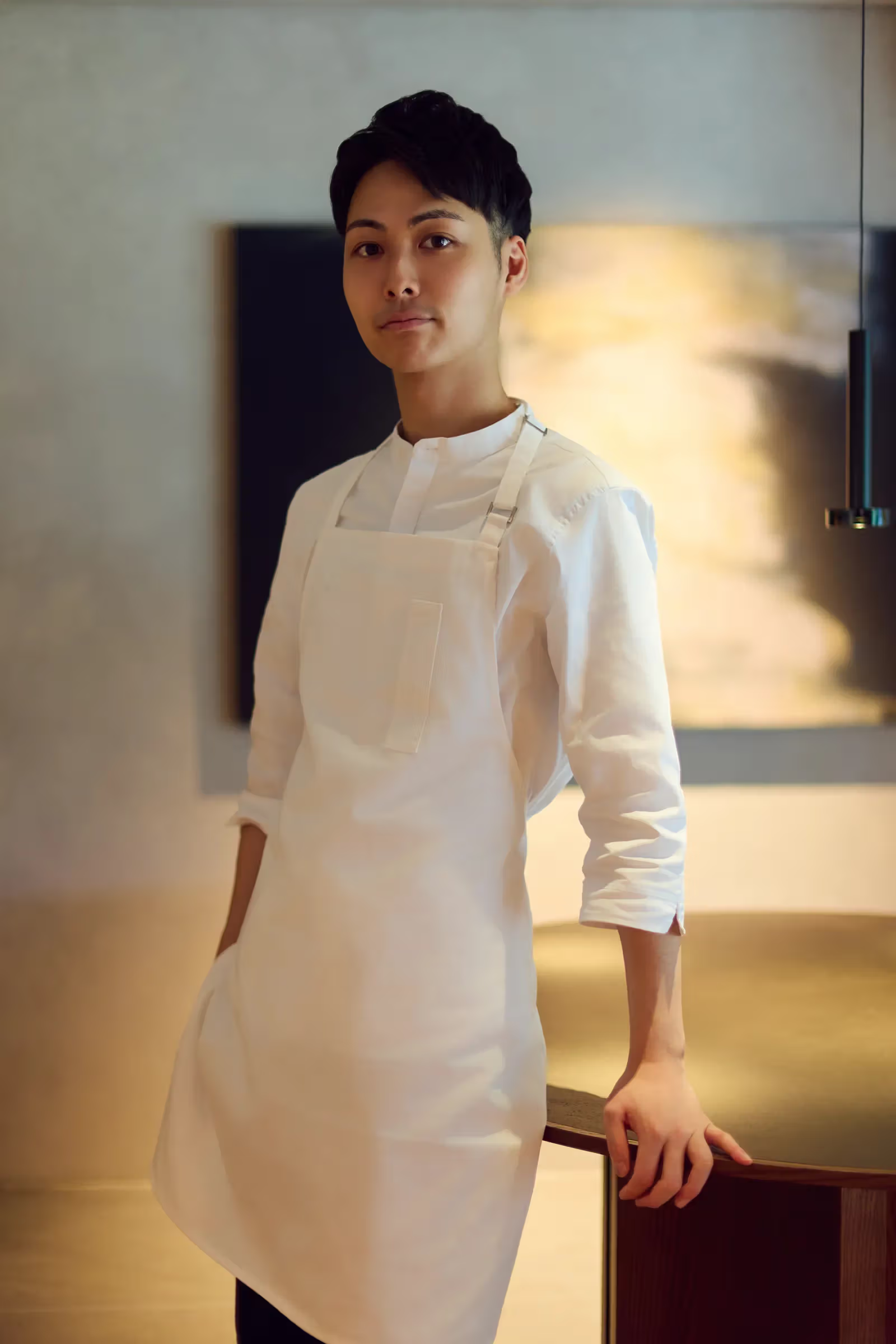
Kenta Iizuka is opening his first solo restaurant, mirei, in Taipei's Dadaocheng district, built around the concept of "Contemporary East Asian" cuisine. His culinary roots trace back to his grandfather's soba shop, where he watched the adults knead dough and prep ingredients as a child. He later joined Tokyo's Michelin-starred restaurant Crony, working his way up from kitchen assistant to sous chef, and was there as the restaurant rose from one Michelin star to two, eventually earning a Michelin Green Star as well.
茭白筍配美乃滋端進tasting menu,28歲主廚在大稻埕開mirei未麗

When talking about his cooking, he keeps coming back to one word: Simple. "Simple never means easy"—a dish might go through countless rounds of testing heat levels and adjusting sauces, but once it hits the table, he wants the technique to recede behind the ingredients, so what customers remember is the ingredient itself, not how much work the chef put in. This logic also shapes his creative process: he first decides on the flavor a dish should arrive at, then figures out its form, and only afterward turns to seasonal ingredients for the answer.
茭白筍配美乃滋端進tasting menu,28歲主廚在大稻埕開mirei未麗

Putting Sesame Cold Noodles and Eel Tempura on the Same Menu
茭白筍配美乃滋端進tasting menu,28歲主廚在大稻埕開mirei未麗

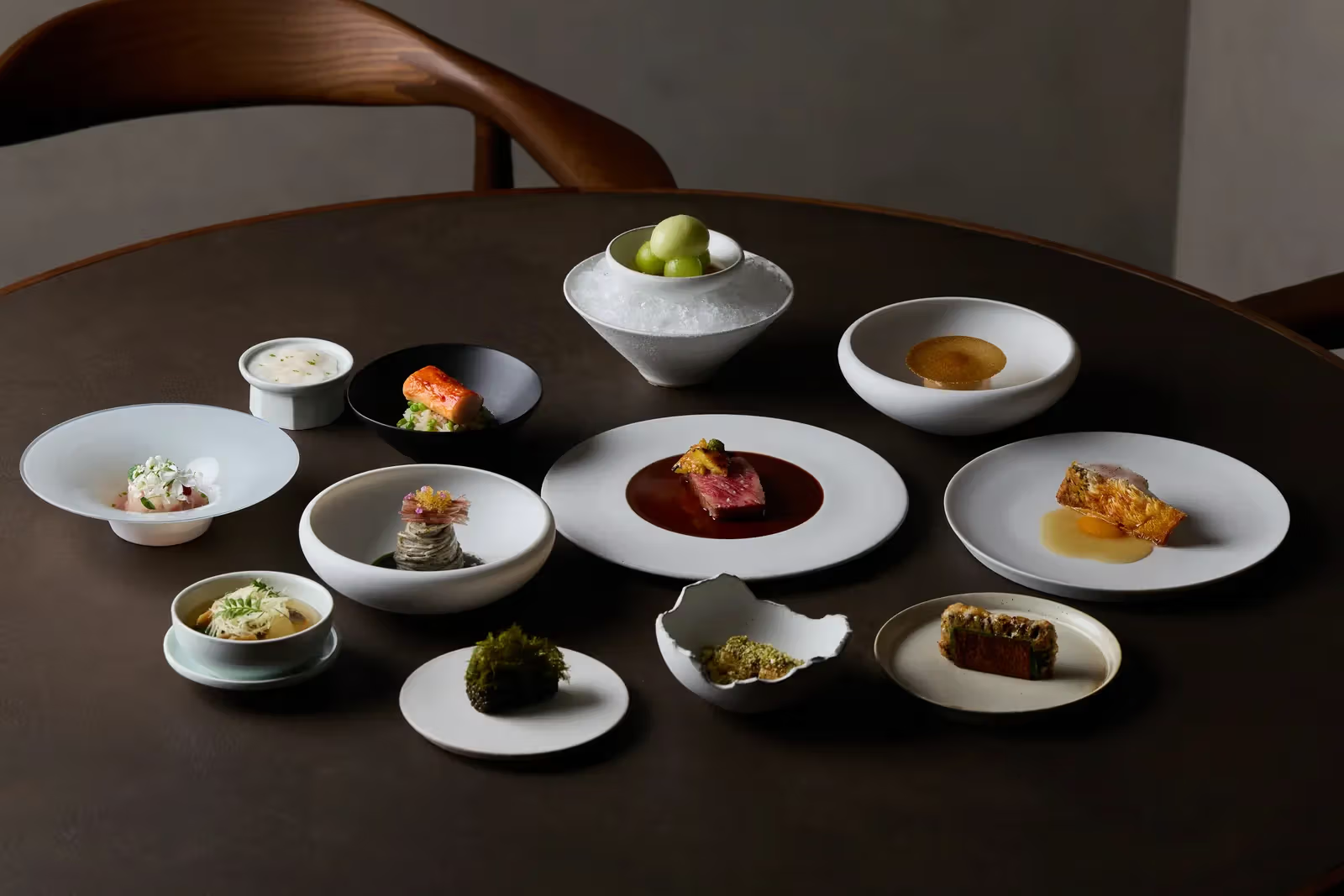
The tasting menu opens with "Nori | Caviar・Scallop," a crisp seaweed tart shell filled with the umami of simmered nori and the sweetness of kombu-oil-cured scallop, finished with Korean-style seaweed and caviar for a briny savoriness. "Eel | Burdock・Perilla" uses eel from Yunlin, fried tempura-style and paired with burdock root common in Japanese cooking, ending on a note inspired by the chef's memory of eel wrapped in perilla leaf that he once tried in Korea.

茭白筍配美乃滋端進tasting menu,28歲主廚在大稻埕開mirei未麗

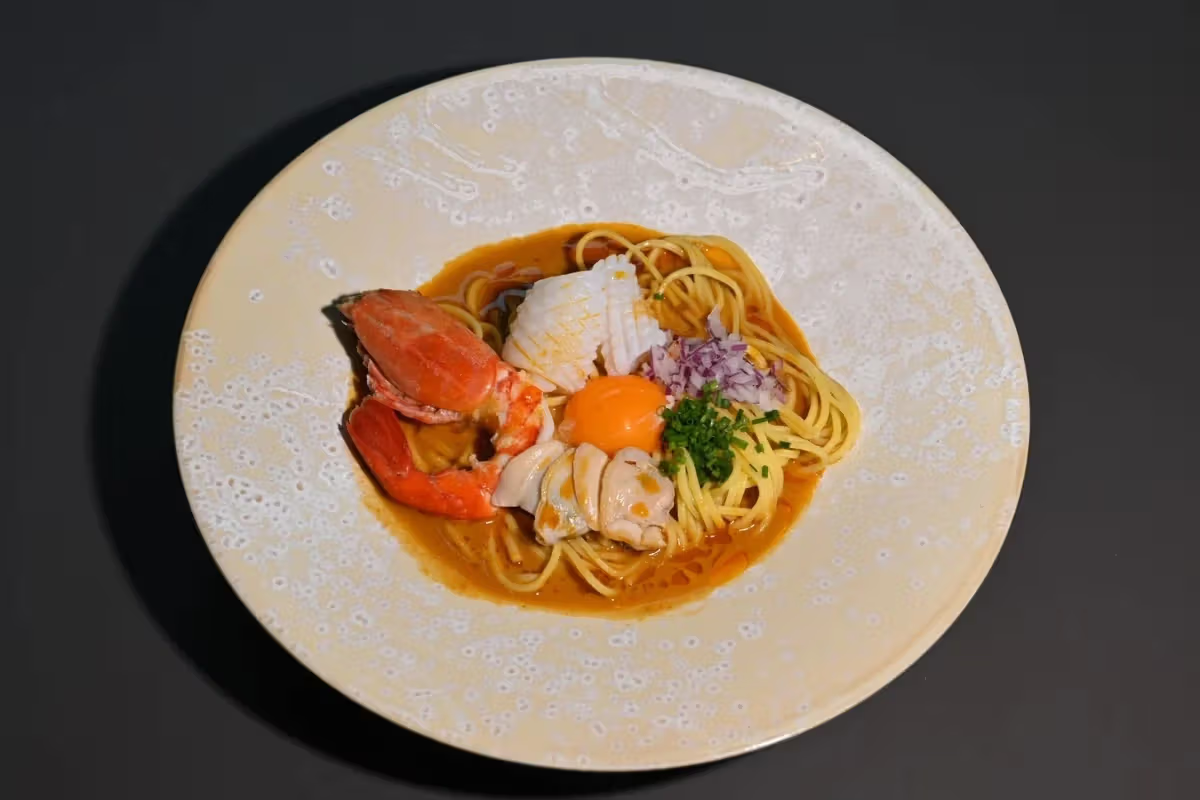
"Sesame | Fish Roe・Myoga" is actually based on a bowl of Taiwanese sesame-sauce cold noodles: a rich, almost tongue-coating sesame aroma hits first, fish roe bursts with saltiness in the mouth, then the pungent kick of summer myoga sweeps the heaviness away in one stroke. "Abalone | Taiwanese Dried Seafood Broth・Pear・Spiced Oil" follows the logic of Japanese bonito dashi, but swaps in Taiwanese dried seafood for the stock, with the spiced oil a discovery from the chef's visits to traditional Taiwanese markets.

茭白筍配美乃滋端進tasting menu,28歲主廚在大稻埕開mirei未麗

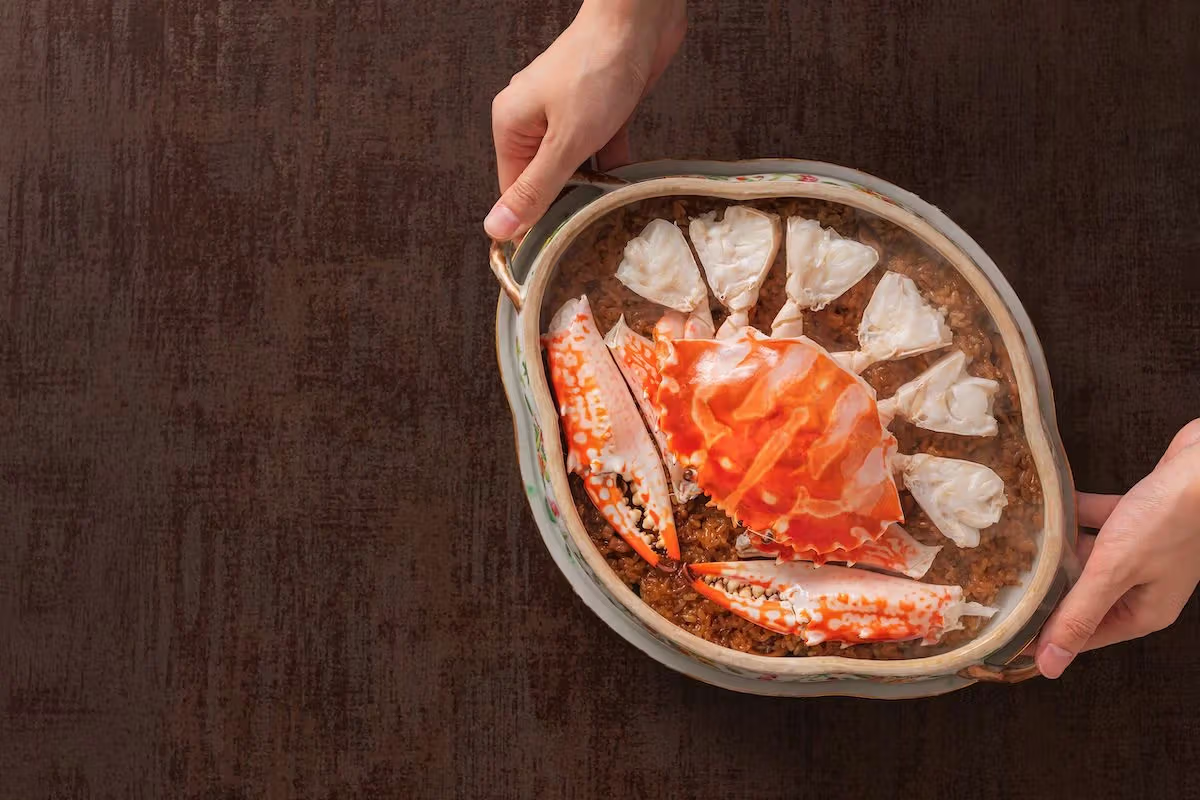
Later in the menu, "Tilefish | Melon・Sudachi" is prepared using the uroko-yaki (scale-searing) technique, which demands very precise sizing of the fish—too large and the scales won't crisp up properly, too small and the flesh will overcook before the scales turn crisp. "Crab Rice | Snow Crab・Wenshan Baozhong Tea・Taiwanese Peas" lets the floral notes of Wenshan Baozhong tea gradually emerge behind the aroma of the rice, without overpowering it. For dessert, "Peanut | Sake Lees・Aged Hakkaisan Hon Mirin" preserves a sesame tofu technique the chef learned in Korea, but swaps the sesame for Yunlin's Tainung No. 9 peanuts, keeping that same mochi-like, chewy-sticky texture.

茭白筍配美乃滋端進tasting menu,28歲主廚在大稻埕開mirei未麗

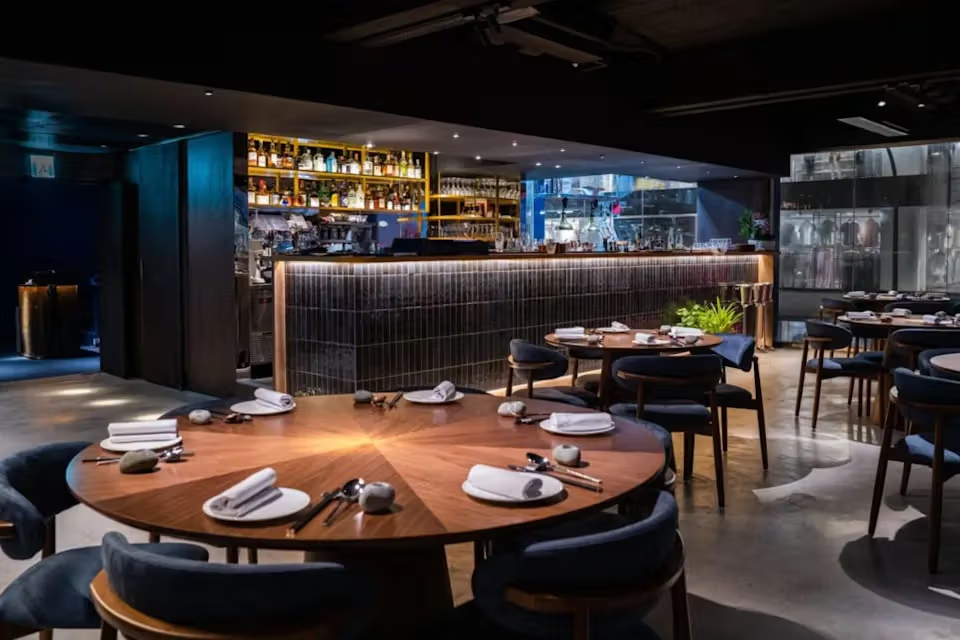
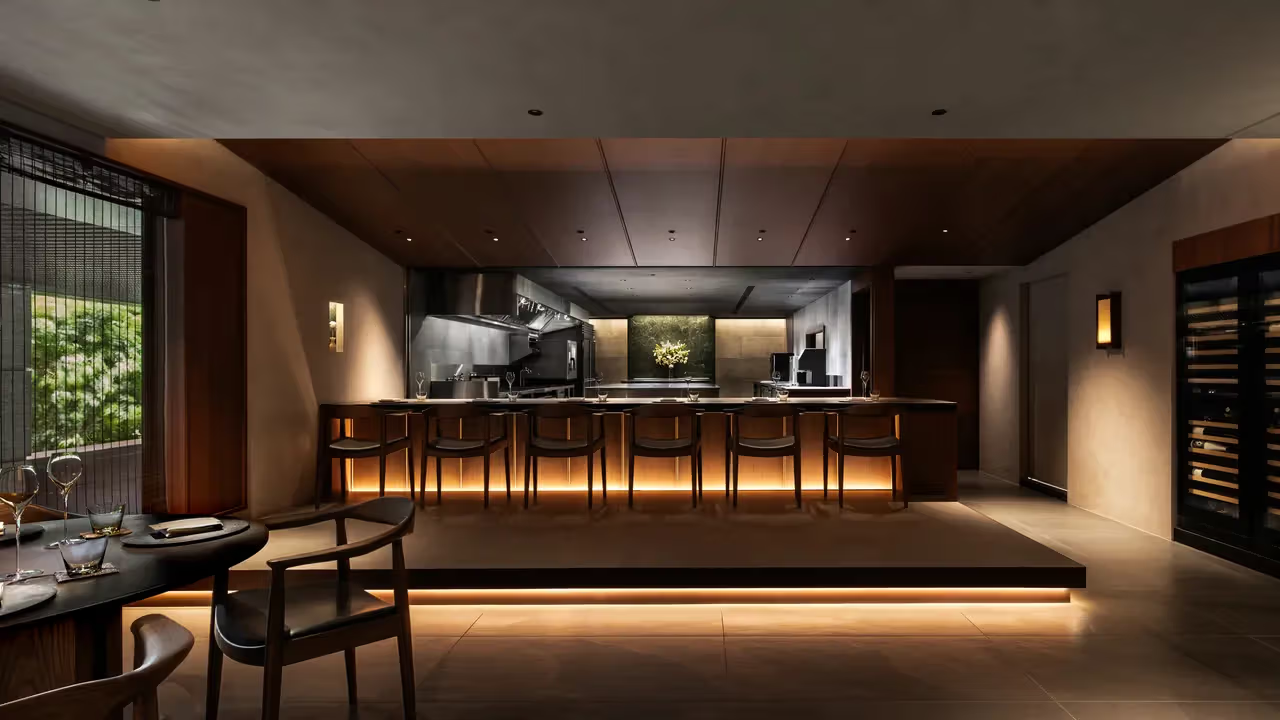
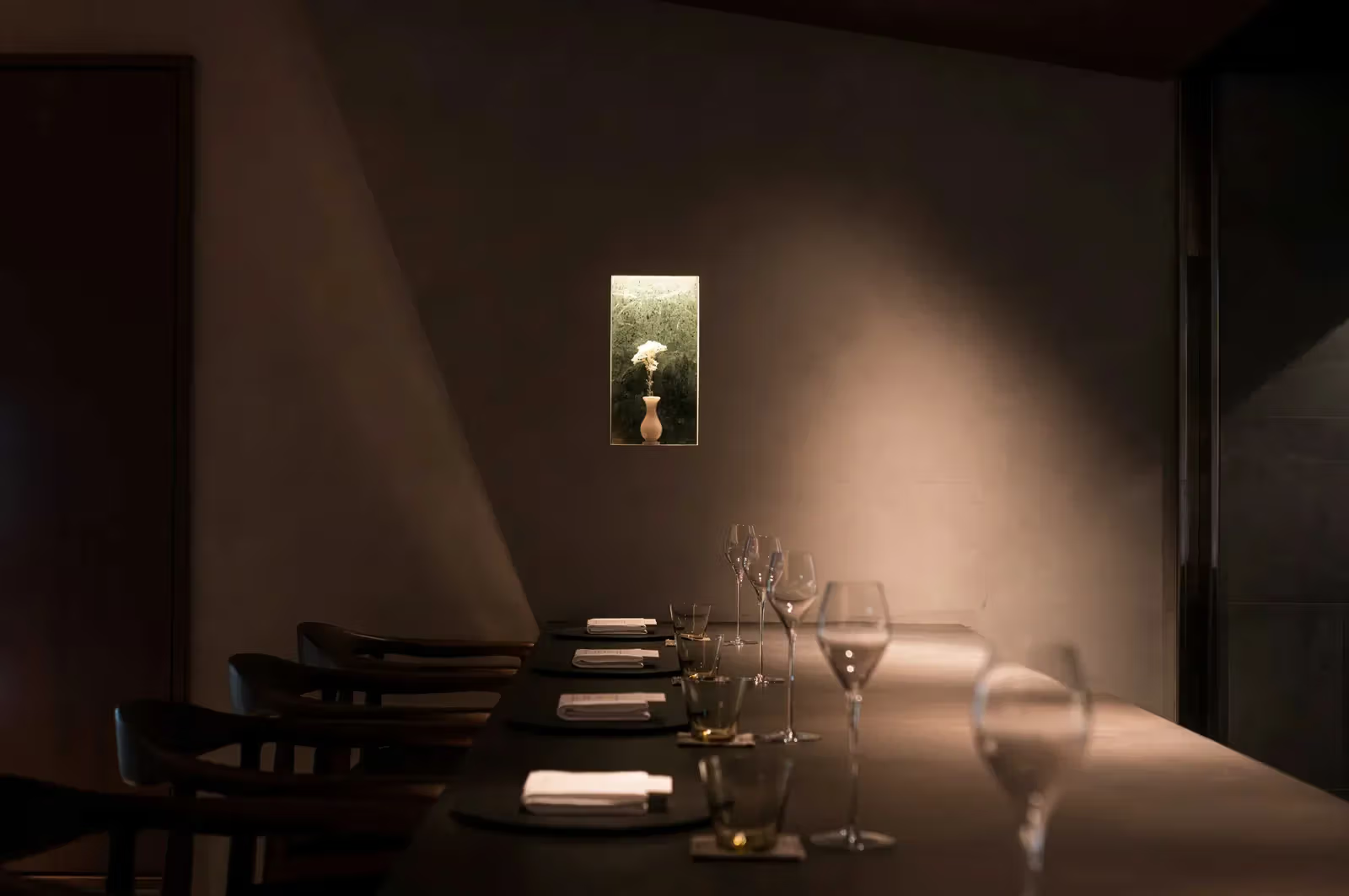
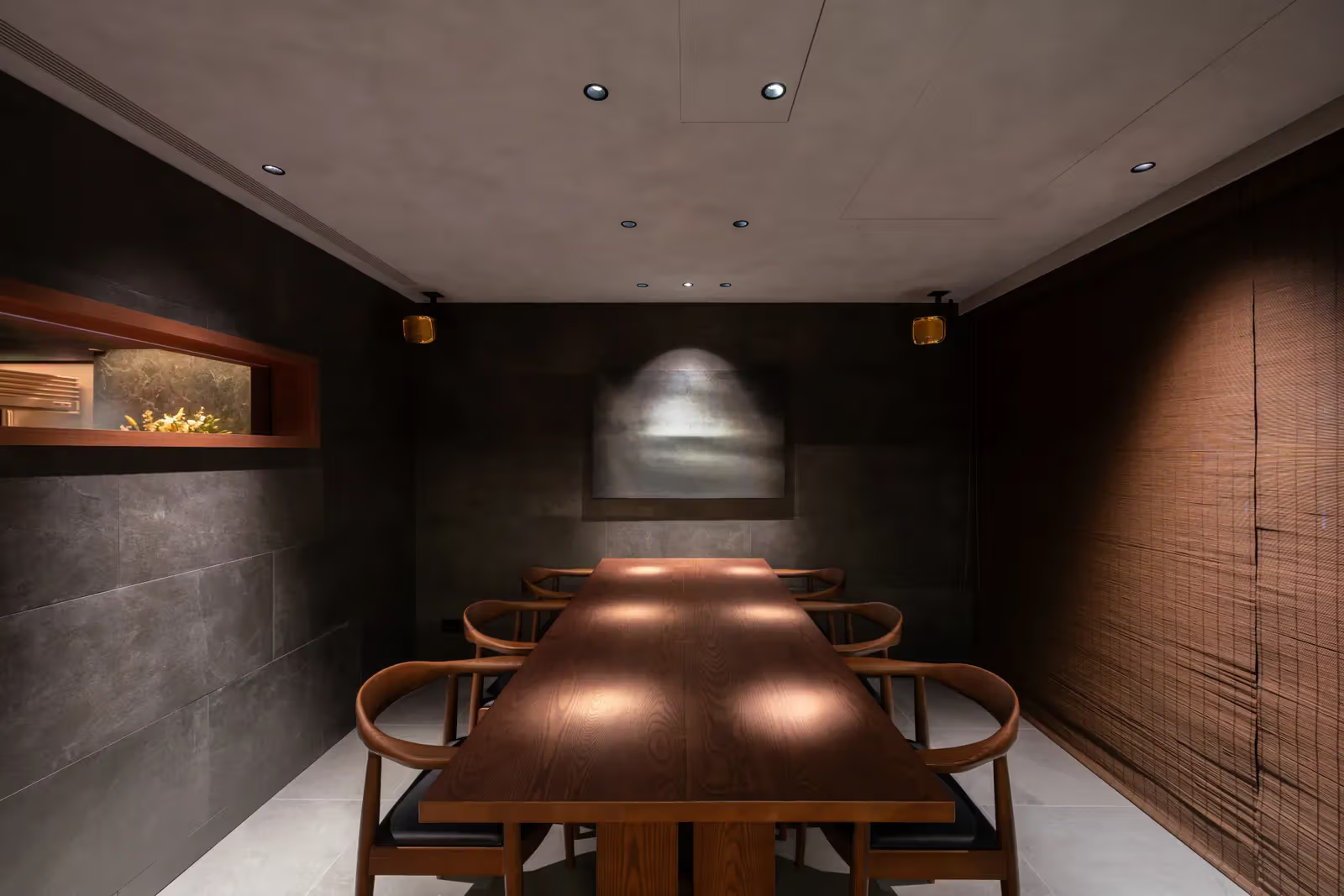
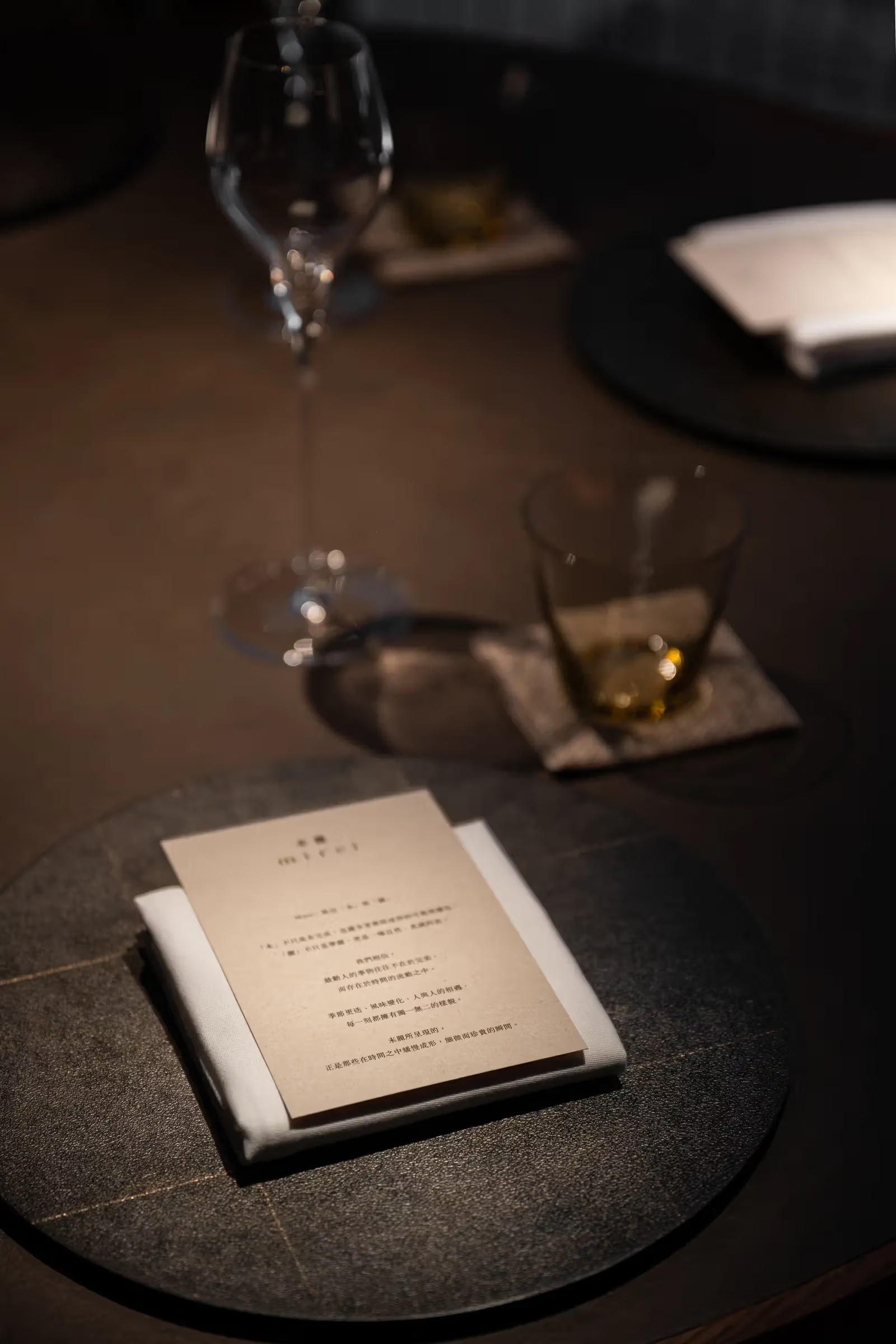
The restaurant space is named "Xie · Bo" (Rest · Dock), drawing on the city's memory of prosperity from river trade in Dadaocheng. Inside, a low, gently sloping wooden ceiling evokes traditional eaves, sheltering the open kitchen and counter seating, paired with dark stone and green marble with natural veining. The private rooms use long wooden tables and woven screens to create a more intimate atmosphere.

mirei is located at 2F, No. 101, Sec. 2, Chengde Rd., Datong Dist., Taipei City. Phone: (02) 2558-8107. Open Thursday to Monday, 17:30–23:00. The tasting menu is NT$3,680 per person; alcohol pairing (5 glasses) is NT$1,880; non-alcohol pairing (5 glasses) is NT$1,380. All prices are subject to an additional 10% service charge.

Related

Tokyo's Star Map: From a Bowl of Ramen to Shojin Cuisine, the Contrasting Flavors of 10 Michelin Restaurants
Food

Tokyo's Star Map: From a Bowl of Ramen to Shojin Cuisine, the Contrasting Flavors of 10 Michelin Restaurants

From a kaiseki institution with eight consecutive years of one-star status and shojin cuisine born from monks' dietary discipline, to a rarely-starred ramen shop and a French restaurant on the 45th floor, these 10 Tokyo establishments showcase the many faces of a Michelin star—and all offer online reservations in Chinese.

Paris' New Spot Mannie: Beetroot Burgers That Don't Pretend to Be Meat, Letting Plant Technique Take the Lead
Food

Paris' New Spot Mannie: Beetroot Burgers That Don't Pretend to Be Meat, Letting Plant Technique Take the Lead

Opened in August 2024, Parisian street food burger joint Mannie skips meat, fish, and even soy-based meat substitutes. Its signature Double Cheese burger, priced at €12.90, brings together beetroot, legumes, and mushrooms—applying meat-cooking techniques to vegetables instead.

Kai Tak Dining Guide: 13 Must-Eat Restaurants Before & After Games and Concerts
Food

Kai Tak Dining Guide: 13 Must-Eat Restaurants Before & After Games and Concerts

With AIRSIDE, The Twins, Cullinan Sky Mall, and Kai Tak Sports Park all opening one after another, a whole new dining cluster has sprung up in Kai Tak—everything from French bistros to standing sushi bars, all gearing up for that pre- or post-event meal.

Lai Lai Lai Opens Second Outpost on Jiashan Road, Turns Sauce Recipes Into Signature Dishes—One Dish Named After the Date Its Formula Was Born
Food

Lai Lai Lai Opens Second Outpost on Jiashan Road, Turns Sauce Recipes Into Signature Dishes—One Dish Named After the Date Its Formula Was Born

Thai restaurant Lai Lai Lai has opened its second location on Shanghai's Jiashan Road, where chef Guo Li serves up Thai-style pork ribs braised in 24 spices and salted fish shrimp paste clams—with sauce recipes so personal, their birth dates make it onto the menu.

Shanghai's Gelato Map: Chinese Herbal Medicine, Tofu Pudding, and Scallion Oil Noodles Are All Getting the Gelato Treatment
Food

Shanghai's Gelato Map: Chinese Herbal Medicine, Tofu Pudding, and Scallion Oil Noodles Are All Getting the Gelato Treatment

Wulumuqi Middle Road has already been crowned Shanghai's "Gelato Street," but the real story isn't the sheer number of shops—it's places like Zhong Yao Tang infusing gelato with Chinese herbal medicine, Making Gelato turning tofu pudding into a scoop, and Dal Cuore going as far as serving up a scallion oil noodle flavor.

Shanghai Xiaolongbao Guide: Crab Roe, Paper-Thin Skins, Late-Night Stalls — Three Camps, Three Kinds of Loyalty
Food

Shanghai Xiaolongbao Guide: Crab Roe, Paper-Thin Skins, Late-Night Stalls — Three Camps, Three Kinds of Loyalty

From crab roe xiaolongbao on Nanjing East Road to a basket of Manman soup dumplings for just RMB13 late at night, Shanghai has split the same dumpling into completely different eating experiences. This guide covers old-school names like Lai Lai, Jia Jia, and Fu Chun, plus chain options like Din Tai Fung and Paradise Dynasty.