NIPPONIA HOTEL Ozu Castle Town: How a Scattered-Building Historic Stay Works
NIPPONIA HOTEL Ozu Castle Town in Ehime converts historic town buildings into guest rooms and reception spaces, under a 'the whole town is a hotel' concept. As of 2023 it spans 26 buildings and 31 rooms; check-in starts at the OKI front desk.
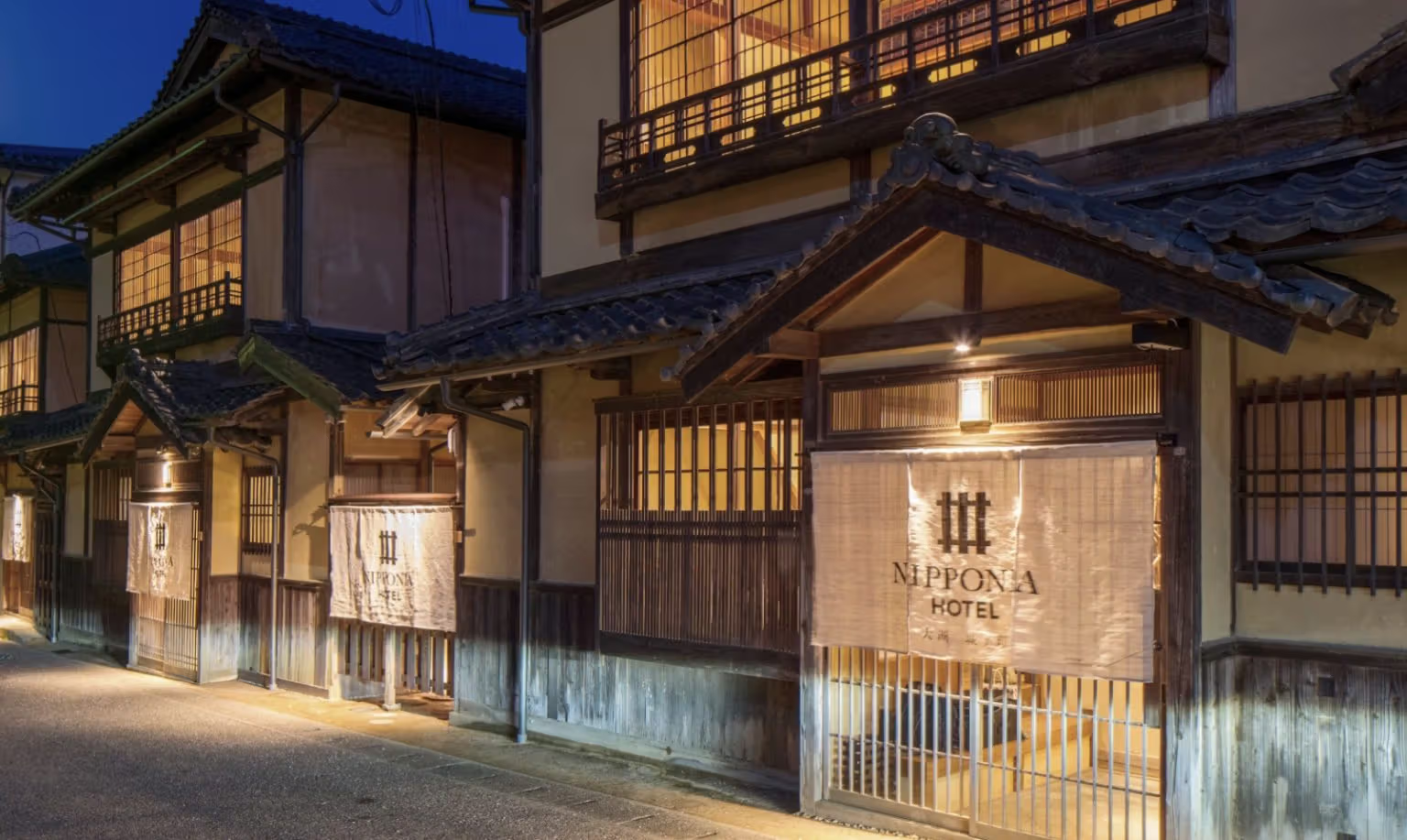
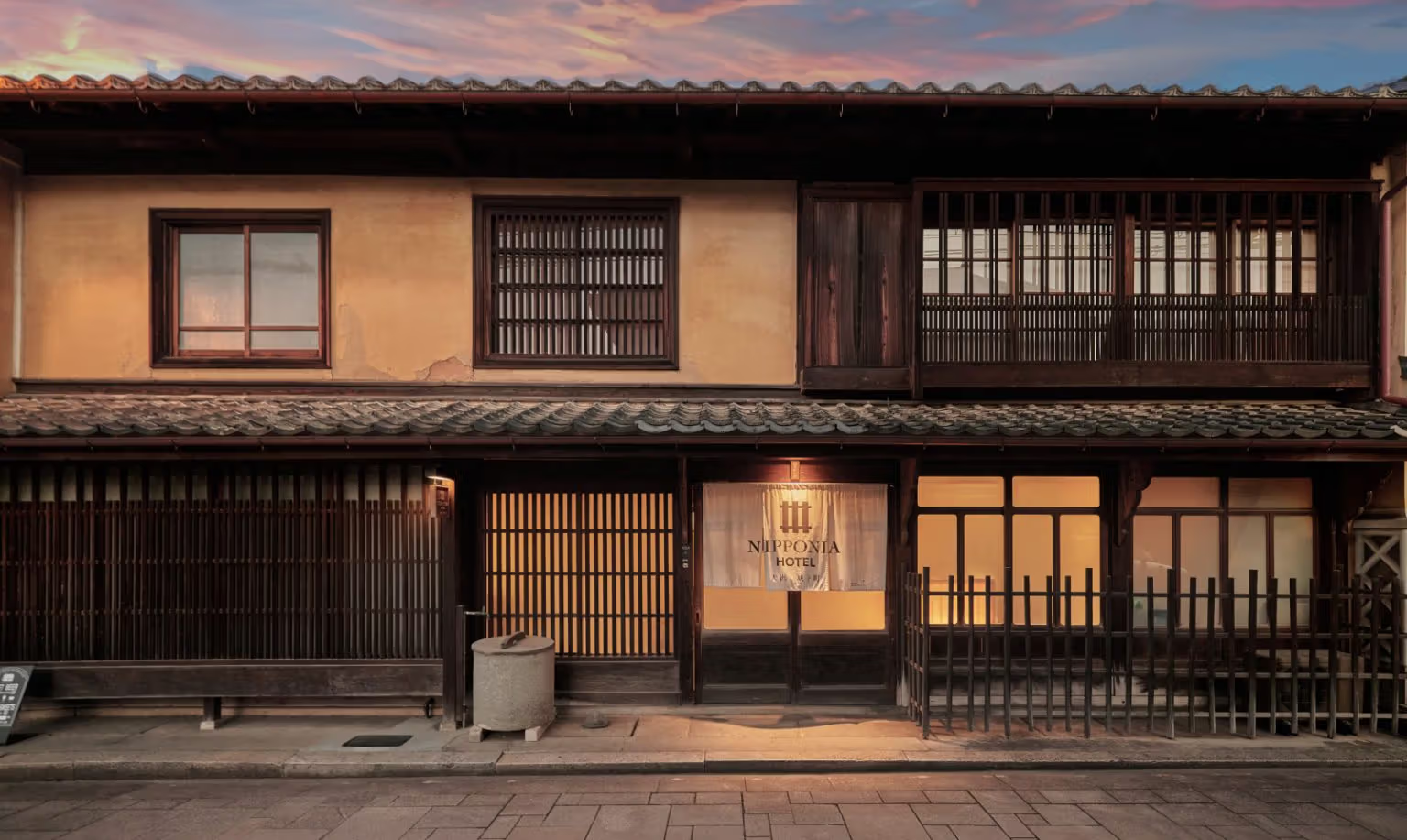
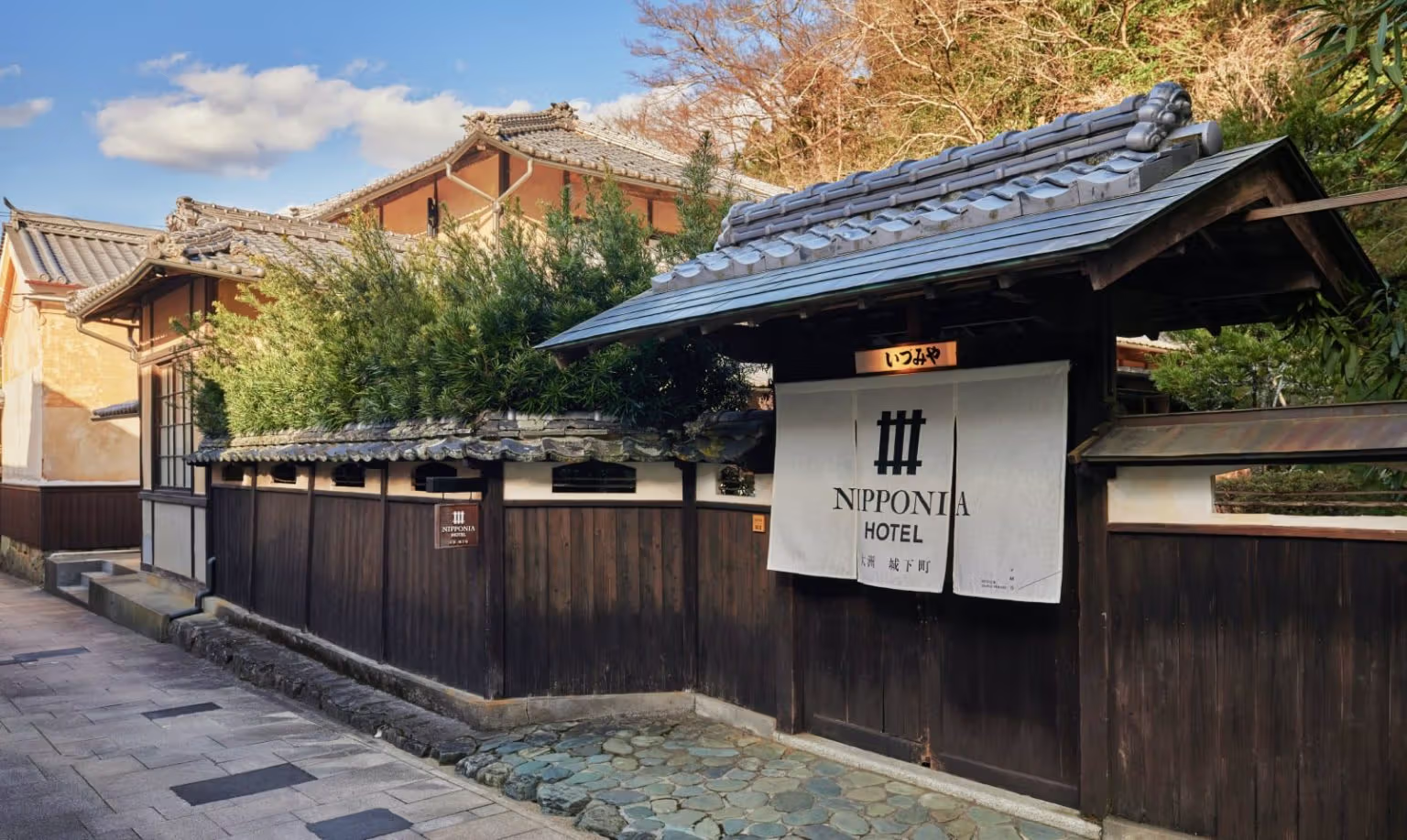
NIPPONIA HOTEL Ozu Castle Town, located in Ozu City, Ehime Prefecture, opened in 2020, progressively converting historic buildings preserved within the town into guest rooms, restaurants, reception spaces, and cultural experience nodes. Rather than operating from a single centralized building, the hotel proposes the concept that "the whole town is a hotel," spreading lodging, dining, and neighborhood activities across different locations. With the completion of its fourth phase in July 2023, the hotel expanded to 26 buildings and 31 rooms—figures that correspond to the 2023 expansion stage and should not be taken as the real-time room count for 2026.
What are the differences between the lodging buildings?
Official materials indicate that these buildings include the residences of wealthy merchants from the Meiji era, as well as lodging buildings converted from old warehouses. Since each building's original layout and purpose differ, guests can choose their lodging based on garden scenery, views of the castle, whether the building is for exclusive use, or room layout conditions—though not every building has the same facilities, and actual differences should be confirmed against individual room type descriptions.
This decentralized renovation approach preserves the original spatial traces of each building, such as the beam-and-pillar structure of a warehouse or the garden layout of a residence, differing from the uniform standardized room formats typical of newly built hotels. When choosing a room, guests should understand that they are selecting not just a room size, but also the historical background and neighborhood location of that particular building.
How are check-in and movement between buildings arranged?
Regardless of which lodging building a guest is assigned to, all guests must first complete check-in procedures at the OKI front desk, located at 378 Ozu, Ozu City, Ehime Prefecture. Check-in hours are from 15:00 to 20:00; if a guest expects to arrive after 20:00, the official policy requires contacting the front desk separately, making arrival time something that needs to be confirmed at the time of booking.
After completing check-in procedures, guests still need to move—either on their own or with assistance—to their respective lodging buildings. Most buildings are about a 1 to 2 minute walk from the front desk, not far at all; however, the SADA and MITI buildings require about a 10-minute walk, meaning not all room types are close to the reception desk. This difference directly affects the timing arrangements on the day of arrival, especially for guests carrying heavy luggage or arriving close to the check-in time limit.
Mechanisms linking lodging to the surrounding neighborhood
Ozu connects lodging with other cultural assets and neighborhood consumption through mechanisms such as the Ozu Castle Stay experience and the Ozu Passport. This design extends guests' activities beyond the guest room itself to other locations within the neighborhood, echoing the hotel's concept of treating the entire town as its operational domain.
When planning a stay in Ozu, it helps to ask about three things together: the specific lodging building assigned, the in-room facilities, and the route from the reception area to the guest room. The charm of this castle town lies in each building having its own character, which also means that when you see a photo of a garden or castle view, you should check which room type it belongs to, rather than assuming every room in the hotel has the same view.
The OKI lodging building, also serving as the reception location where guests check in. Image: NIPPONIA HOTEL 大洲城下町The TUNE lodging building, preserving the Japanese architectural style of a former ryotei restaurant. Image: NIPPONIA HOTEL 大洲城下町