Sharge Disk Pro 2 Finally Fixes 3 Generations of Screwups: One Cable for HDMI Out and Four Storage Options
From ear-splitting fans to fake magnets and USB ports that couldn't fit a cable, Sharge has turned its SSD enclosure into a pocket-sized do-it-all card that outputs HDMI, passes through power, and even recognizes the Switch 2.
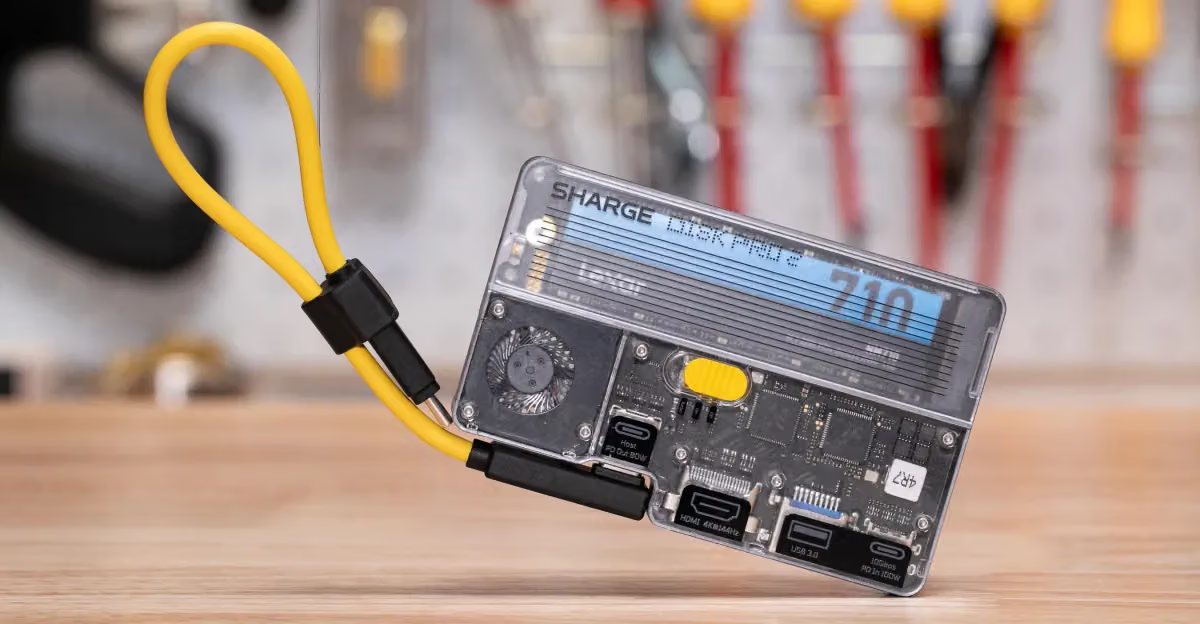
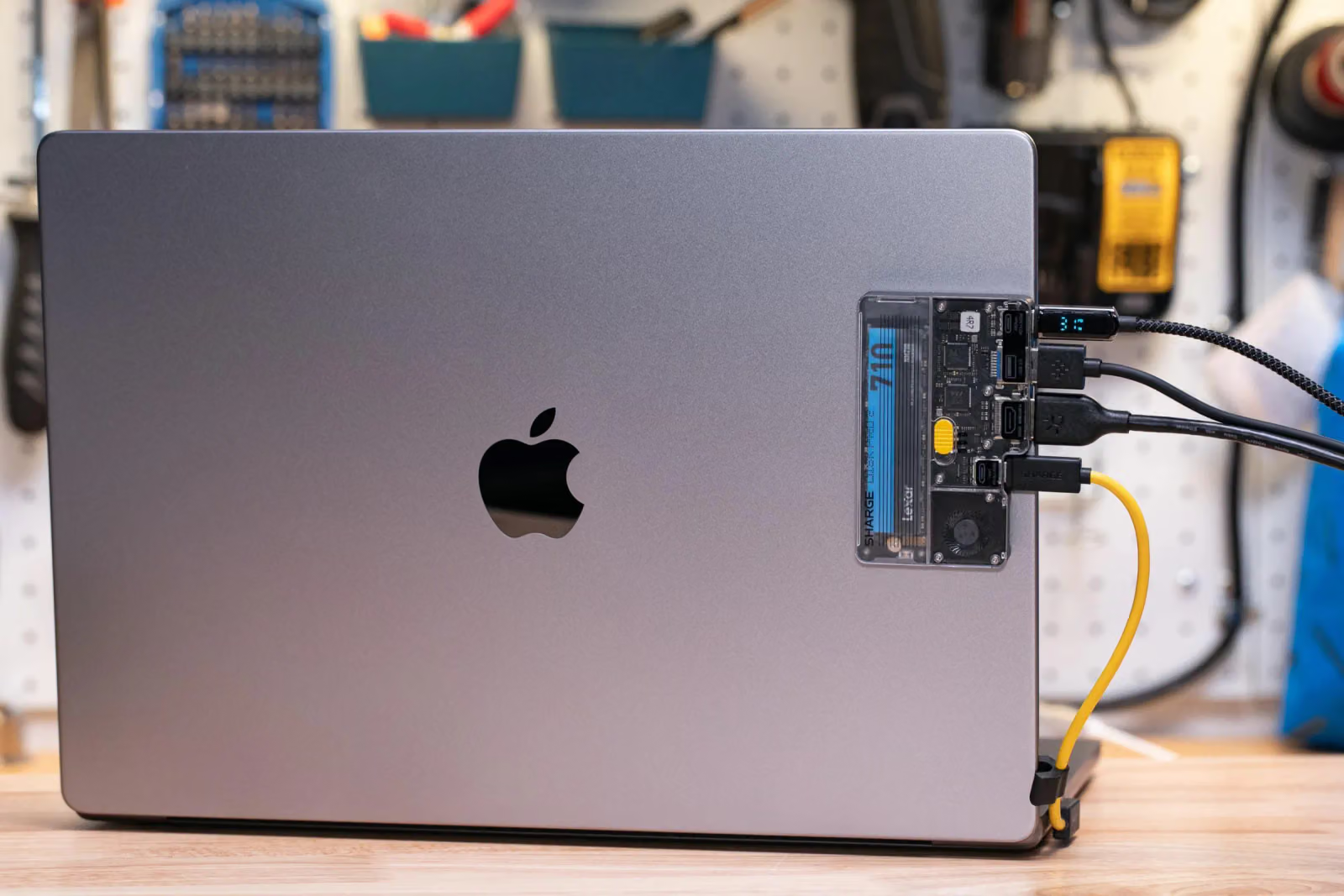
A slab of metal about the size of a playing card sticks to the back of a MacBook thanks to a built-in MagSafe ring. This isn't a phone stand—it's Sharge's latest Disk Pro 2, an SSD enclosure that doubles as a USB-C to 4K HDMI dock. The Verge's senior editor Sean Hollister, after spending a few days with it, gave a blunt verdict: this is the first Sharge product he's actually willing to toss in his bag.
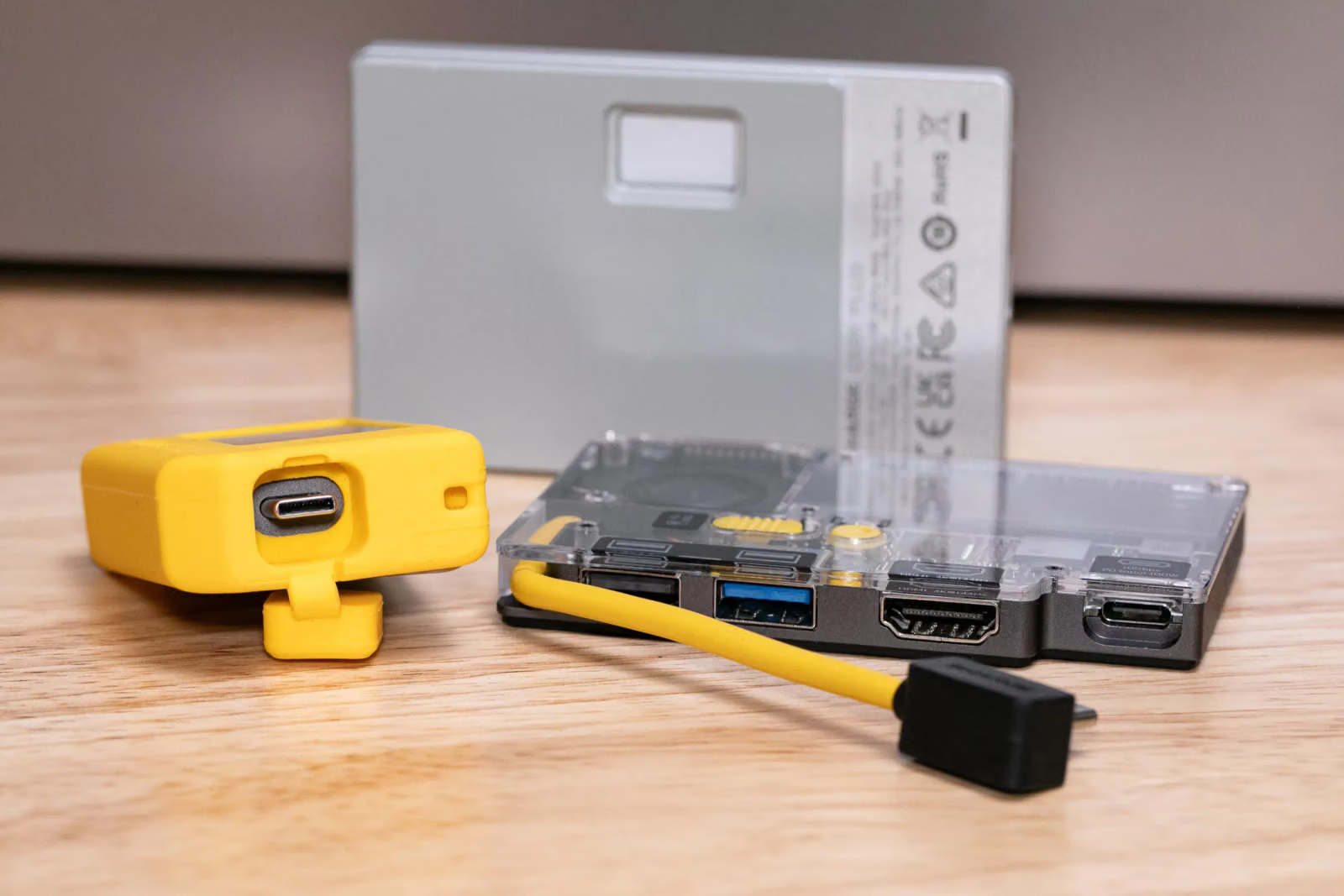
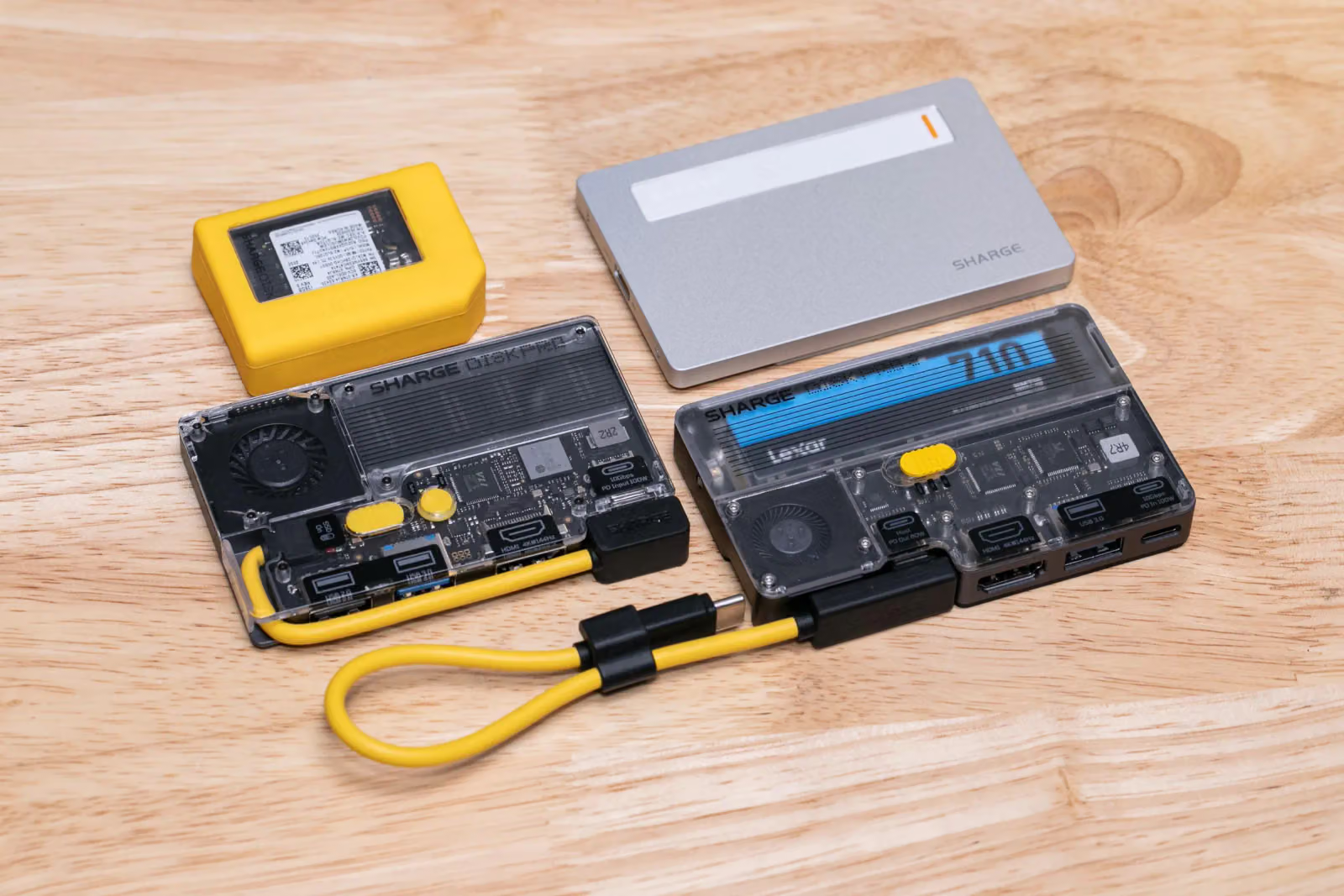
The emphasis on "first" matters, because the previous generations all had glaring flaws. The original Disk was a bulky dongle with an absurdly loud built-in fan. The Disk Plus pitched itself on slim magnetic attachment, but the "magnet ring" turned out to be a bolted-on accessory that made the whole thing thicker instead. The first Disk Pro had a power port so small most charging cables couldn't even plug in, and its power switch could cut power mid-transfer. Lined up together, the three generations read like the same homework assignment getting sent back for a rewrite over and over.
One Cable, Four Storage Sources
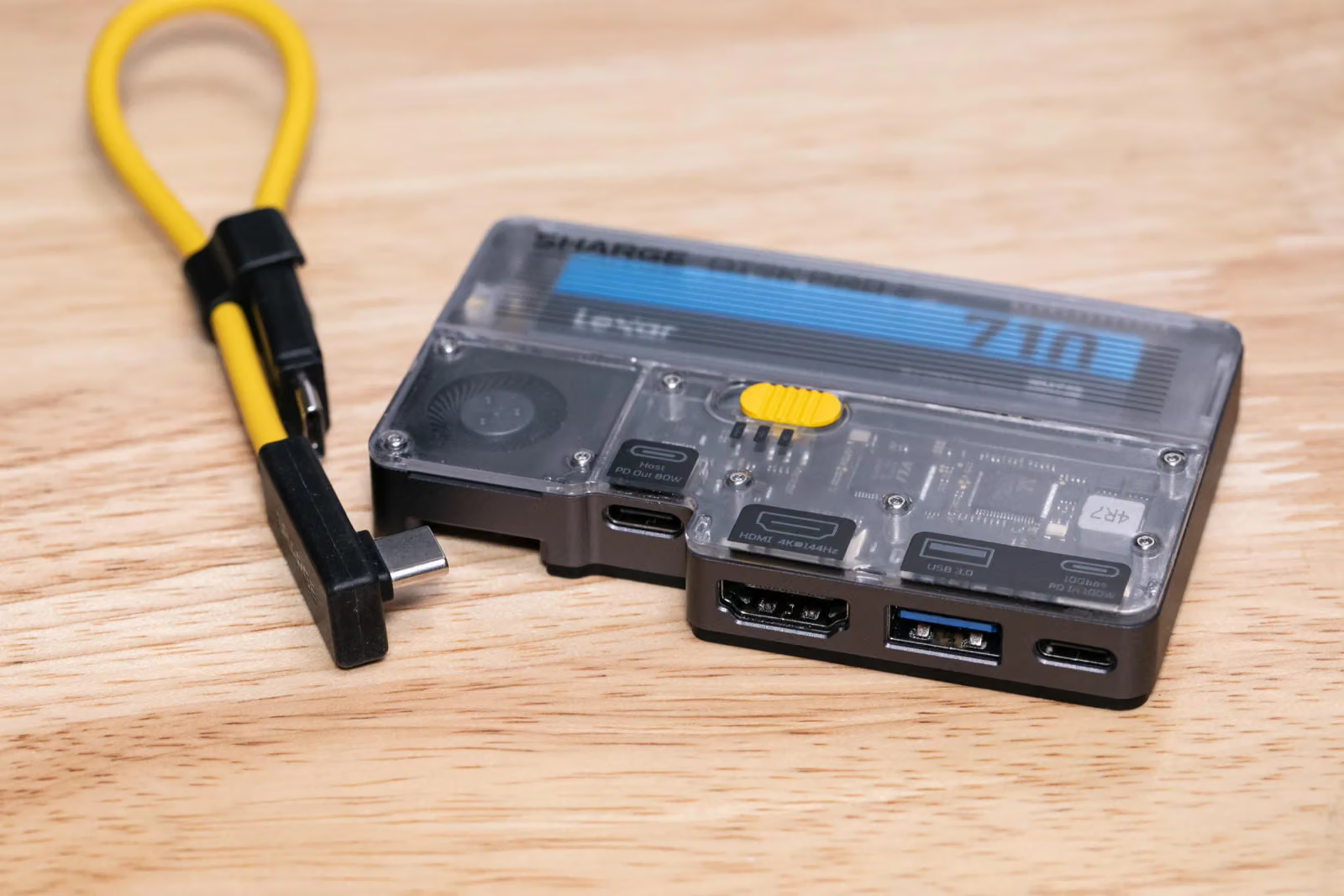
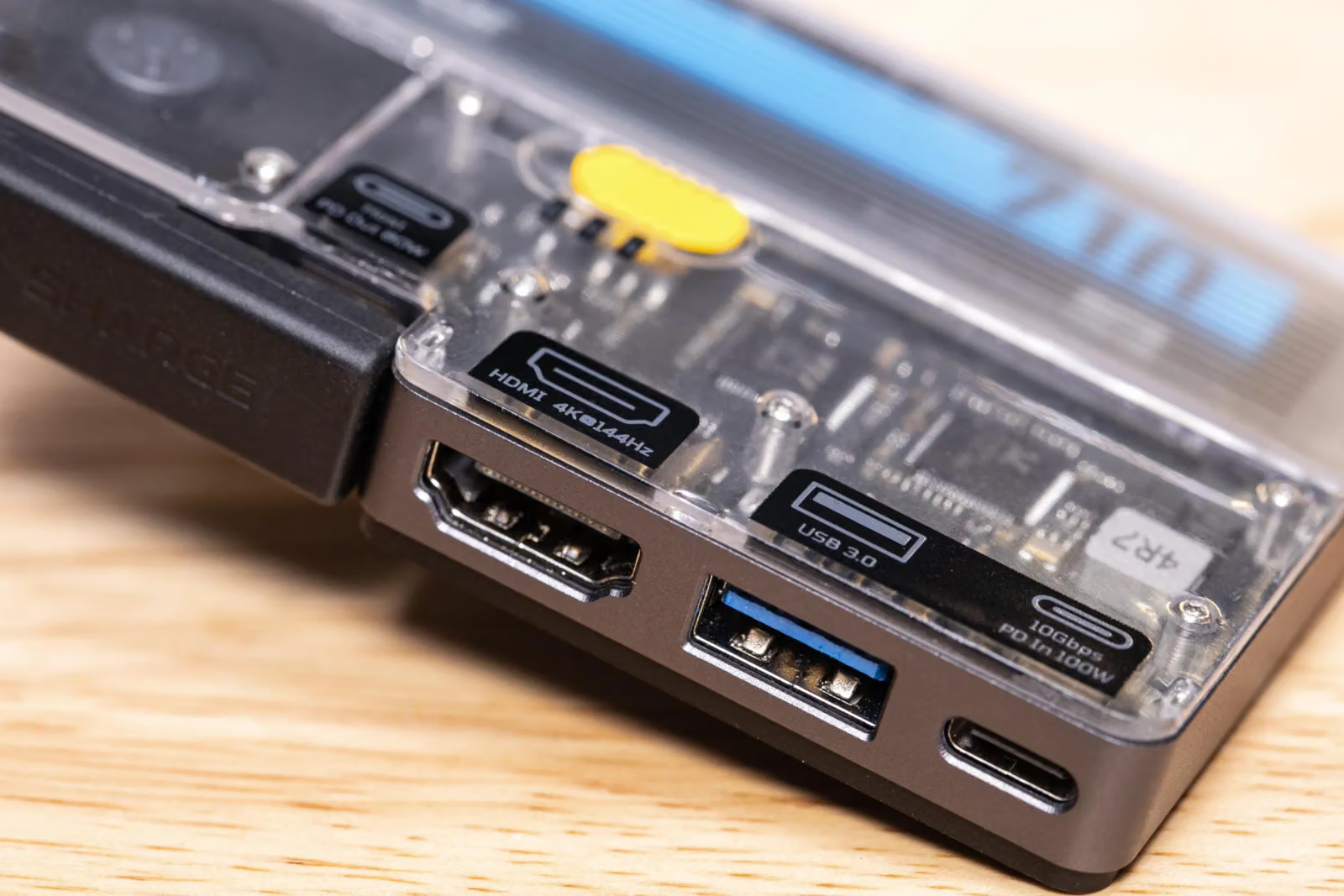
The Disk Pro 2's spec sheet is stacked: a 4K 144Hz HDMI 2.1 output, a 5Gbps USB-A port, SD and microSD card readers, plus USB-C PD pass-through charging, with a slot for M.2 2280 SSDs up to 8TB (or smaller 2242, 2230 sizes). Hollister plugged just one cable into his MacBook Pro and simultaneously got a second external display, four storage sources (SSD, USB drive, SD, microSD), and 80W of pass-through USB-C PD power. Connecting an Android phone and a USB-C iPhone, both devices recognized the internal SSD, and the screen output synced to the HDMI display too—the iPhone even unlocked 4K60 ProRes recording as a result. In real-world testing with an entry-level 1TB Lexar NM710, running 100GB and 195GB file transfers averaged around 700MB/s—not as fast as today's 40Gbps or 80Gbps enclosures, but not bad at all for a device that's also doubling as an HDMI dock.
The fan comparison turned out to be an interesting counterexample. With the fan running at full speed, a 195GB transfer took 4 minutes 55 seconds; with the fan off, it took 5 minutes 5 seconds—only a 10-second difference. The real difference showed up the moment you picked up the unit after the transfer: with the fan off, the metal frame was almost too hot to hold.
The low-power design comes with tradeoffs, though. Sharge is selling two versions this time: the "Ultra," which needs at least 1.5W of standby power and supports 4K144/HDMI 2.1, and the "Lite," which needs 5W and tops out at 4K60/HDMI 2.0. Sharge marketing manager Leo H. explained to Hollister that to keep the Ultra's power draw low, the unit can only allocate a maximum of 3W to the connected SSD—but the test unit's Lexar NM710 exceeded that during writes, which caused the Disk Pro 2 to simply lose power and shut off when Hollister first tried recording ProRes on an iPhone 15 Pro or transferring large files on a Galaxy S25. The fix was simple enough: plug an external USB-C power bank or charger into the Disk Pro 2. After that, he recorded over five minutes of continuous 4K60 ProRes footage with no further issues.
Both the Nintendo Switch and Switch 2 can output video through this dock, but the Switch 2 is pickier about power source detection—Sharge currently recommends plugging in a USB-C PD charger rated at 85W or higher just to get it into dock mode, and the firmware is still being tweaked. There's also a noticeable delay before the picture appears, similar to other third-party docks. PC handhelds like the Steam Deck can hit 4K144/4K120 with HDR support, but when routed through the Disk Pro 2, the Steam Deck flags the connected VRR display as "not supporting VRR." Hollister also chained an additional USB hub with a mouse, keyboard, headphones, monitor, and camera and tested it for several days—mostly stable, though the display would occasionally (roughly once a day) go black for tens of seconds.
On the hardware side, nearly all the old problems have been addressed this time: the cable is now detachable, the magnet ring is properly built-in, the USB port is no longer recessed and impossible to plug into, the fan is quiet by default and can be fully disabled, the power switch no longer cuts power mid-transfer, and the chassis has more room for heat dissipation. The SSD slot is user-replaceable, though it's currently held in place with screws—Hollister thinks a tool-free design would be an improvement.
The Disk Pro 2 Ultra is currently live on Kickstarter with an early-bird price of $75, with a retail price of $89 once it launches. The article doesn't mention whether it'll be available in Taiwan or at what local price, and as with any Kickstarter campaign there's the usual shipping risk—though Sharge's track record on delivering past crowdfunded projects has generally been solid.