Why Sony’s new Walkman costs nearly $5,900: the WM1ZM3’s copper body and battery limits
The NW-WM1ZM3 leads Sony’s new players with a gold-plated copper chassis. US preorders differ from Europe’s availability, and the headline 35-hour battery figure depends on format and output.
Sony positions its new Walkman generation as a dedicated listening device, rather than a phone replacement. Announced on October 15, 2026, the range comprises the NW-WM1ZM3, NW-WM1AM3 and NW-ZX900. Sony’s US store lists preorder prices of $5,899.99, $2,999.99 and $1,899.99 respectively. The flagship WM1ZM3 distinguishes itself with a gold-plated oxygen-free copper chassis. This is a recent equipment highlight following its October announcement, rather than a first unveiling on October 25.
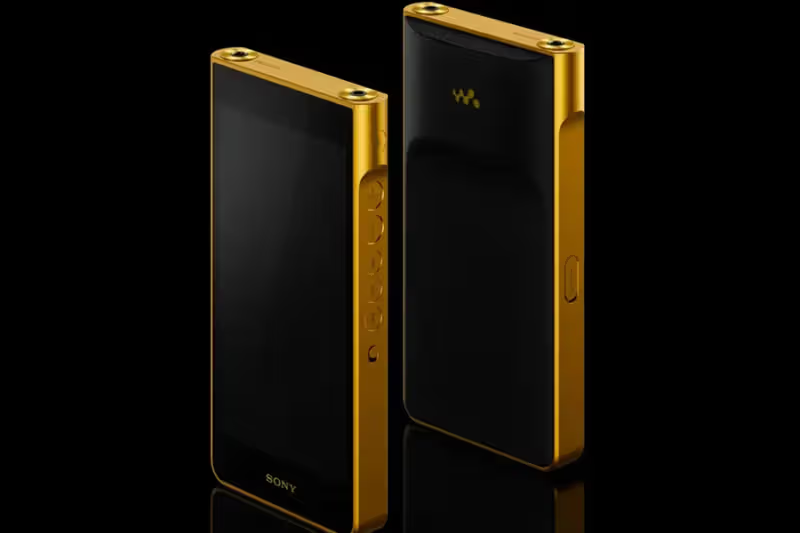
A large screen sits alongside physical side buttons.
What lies beneath the gold finish?
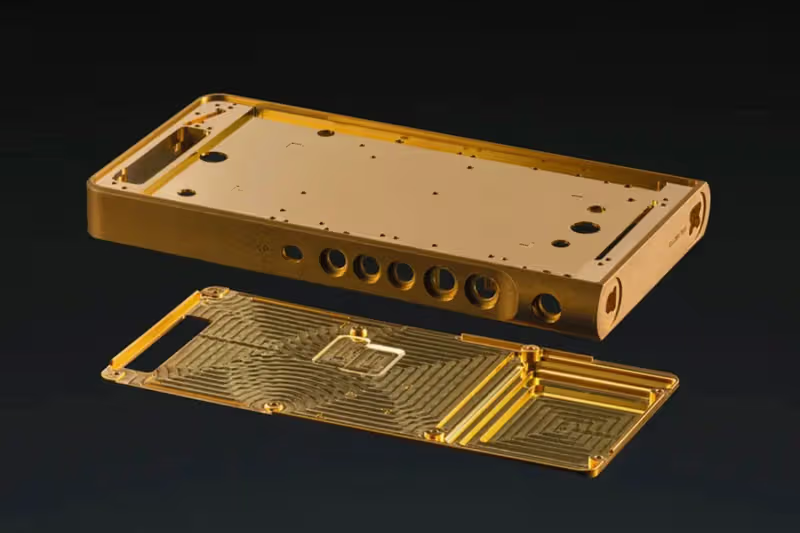
The WM1ZM3’s main chassis uses 99.99%-pure, or 4N, oxygen-free copper with gold plating; its rear chassis also uses oxygen-free copper. That does not make the player solid gold. The WM1AM3 instead combines an aluminium-alloy main chassis with a gold-plated copper rear. Sony’s material argument centres on grounding, rigidity and reduced interference, rather than treating the device simply as a golden accessory. An exploded product image makes the thickness and machining of the casing visible.
An exploded official image reveals the gold-plated copper casing.
Both new WM1 models replace a previous single large solid high-polymer capacitor with a dual-capacitor power architecture; the WM1ZM3 additionally uses KIMBER KABLE wiring. Sony describes the changes in terms of stable power and reduced interference. These are engineering choices and the brand’s sound-quality claims, not the results of a blind listening comparison by this publication. Headphones, the original recording and individual hearing remain part of the experience. Chassis material or price alone cannot establish that every song will sound better.
The 35-hour figure has conditions
The WM1ZM3 and WM1AM3 have 5.5-inch screens, while the ZX900 uses a 5-inch display, retaining album artwork and track navigation as important parts of the product. The range’s DSD Remastering Engine resamples PCM audio to an 11.2MHz DSD stream and extends that processing to downloaded and streamed music. Playback processing does not create unlimited new information in a recording, and a feature name should not be substituted for a guarantee of sound quality.
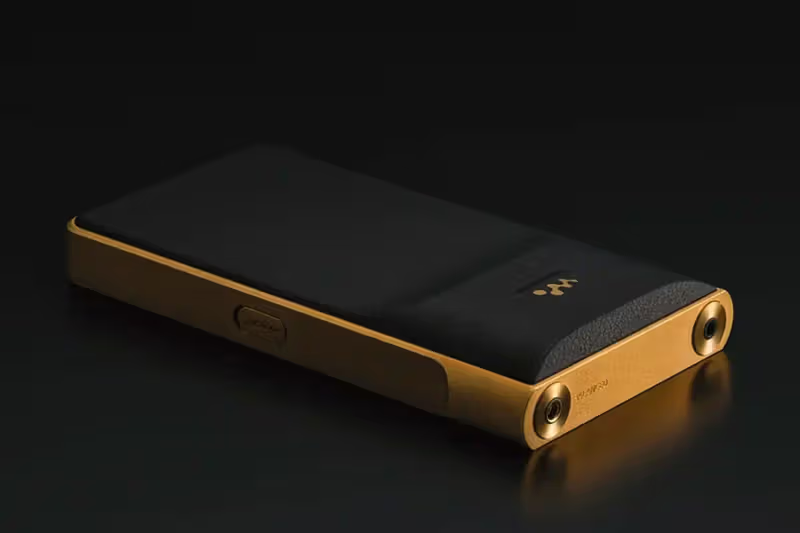
An official close-up of the rear and headphone sockets.
Battery claims especially need their test conditions. Sony’s WM1ZM3 specifications give approximately 35 hours for 128kbps MP3 through its W.Music app and wired outputs. That becomes approximately 33 hours for 96kHz/24-bit FLAC, and 32 hours for 192kHz/24-bit FLAC. The 35-hour headline cannot be applied to all high-resolution files. Other music apps, Bluetooth and different settings have their own conditions; actual endurance also depends on use and battery condition.
Official front and rear views of the player.
Europe and the US have different availability
Sony’s European announcement gives recommended prices of €4,999/£4,299 for the WM1ZM3 and €2,499/£2,099 for the WM1AM3, with availability from November 2026. The US store currently accepts preorders and displays estimated delivery on January 12–13. That is a market-specific estimate, rather than one worldwide release date. The US press release quotes the flagship at $5,899, whereas the store lists $5,899.99; those figures should be distinguished.
Check Sony’s US WM1ZM3 product page for purchase conditions. The flagship supports USB DAC operation, wired headphones and memory-card expansion, so its value is best considered within a whole listening system. Anyone mainly using wireless headphones should first check whether their connection can make use of the desired features before deciding to carry another player. Matching specifications and outputs to personal habits is more useful than judging by the gold finish alone.