Hyundai x RISD Motion Rewild Studies How Nature Moves
The 2026–27 Regeneration Studio connects biomimicry, Nature Lab prototyping and physical AI mobility. Understand the research timetable and the distinction between aims and validated products.
Robots entering an unprepared world may first need lessons from nature. On October 21, Hyundai Motor Group and Rhode Island School of Design announced the direction of the 2026–27 Regeneration Studio. Motion Rewild examines how nature moves, adapts and uses energy in complex environments. Now in its seventh year, the partnership brings together RISD faculty, students and scientific researchers with designers from Hyundai, Genesis and Kia.
What does Motion Rewild study? Movement from intertidal rocks to forests
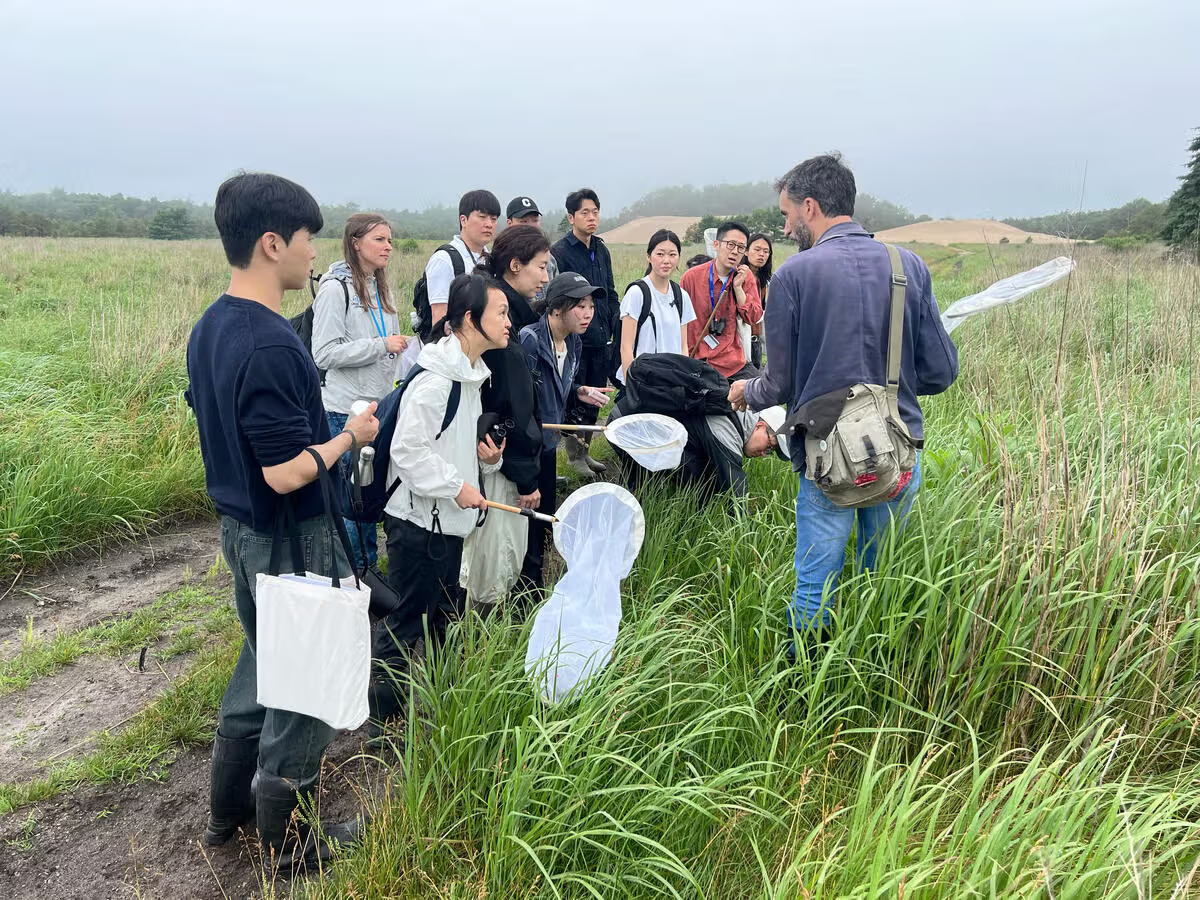
The programme identifies rocky intertidal sites, wetlands, forests and canopies as settings for observation, asking how life responds to conditions that cannot be arranged in advance. This differs from demonstrating movement on a flat floor: routes may be unfixed, and contact surfaces, obstacles and surroundings can change. The research therefore goes beyond whether a form resembles an animal, seeking principles of motion, structure and energy use that might become working forms.
Physical AI mobility here concerns robots operating in uncontrolled environments; disaster sites are one need cited in the announcement. Biomimicry is a design method: observe solutions in organisms and systems, then make and test to understand which principles can transfer. It does not simply copy an animal’s appearance or mean that equipment capable of working at every disaster site has already been delivered. Adaptation remains a subject for research and validation.
Nature Lab connects scientific observation with design prototypes
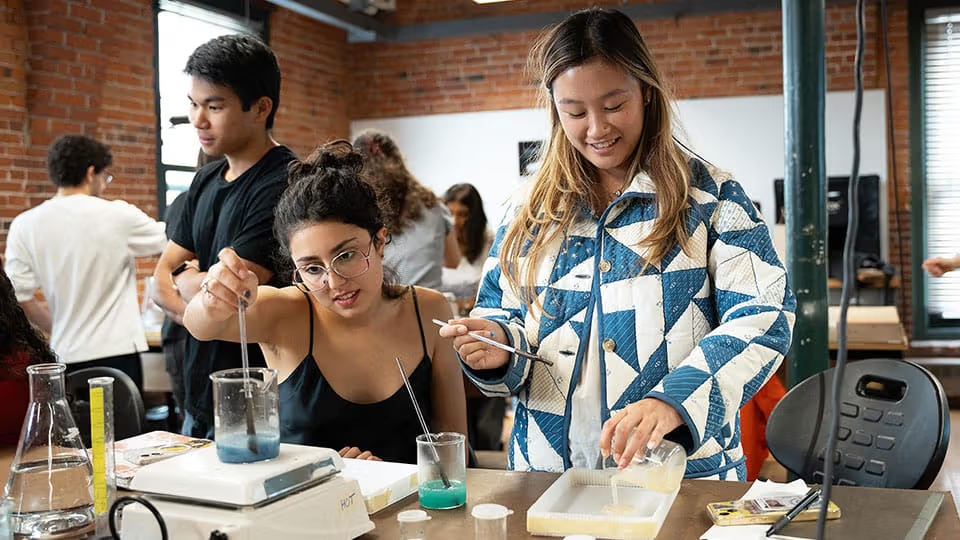
RISD’s Edna W. Lawrence Nature Lab anchors the partnership, connecting Industrial Design, students across departments, teaching teams and the Group’s design engineers. The interdisciplinary value lies in the sequence: observing nature supplies questions, scientific methods help decode them, and design turns principles into models for discussion. Instead of adding a natural pattern at the final surface stage, this approach brings nature into the starting points of material, structure and making.
The announced process includes identifying nature’s motion principles, building working forms, pushing prototypes further and validating findings within the mobility industry. Potential applications extend beyond body styling to materials, products, manufacturing methods, services and experiences. These are avenues the partnership seeks to explore, without announced production models, performance figures or launch dates. Progress should be assessed through later making and validation, rather than treating a research theme as proof of capability.
The 2026–27 timetable, and the distance between research and results
The academic year includes an autumn advanced biodesign-for-mobility course, a second advanced studio in spring, and planned summer intensive research for design and engineering teams, alongside five-week Nature Lab stays for selected fellows. The announcement still describes future or planned stages, not an entirely completed exhibition of results. A collaborative platform developed by RISD teams for the Group in 2019 provides the accumulated teaching, observation and feedback structure behind this year’s work.
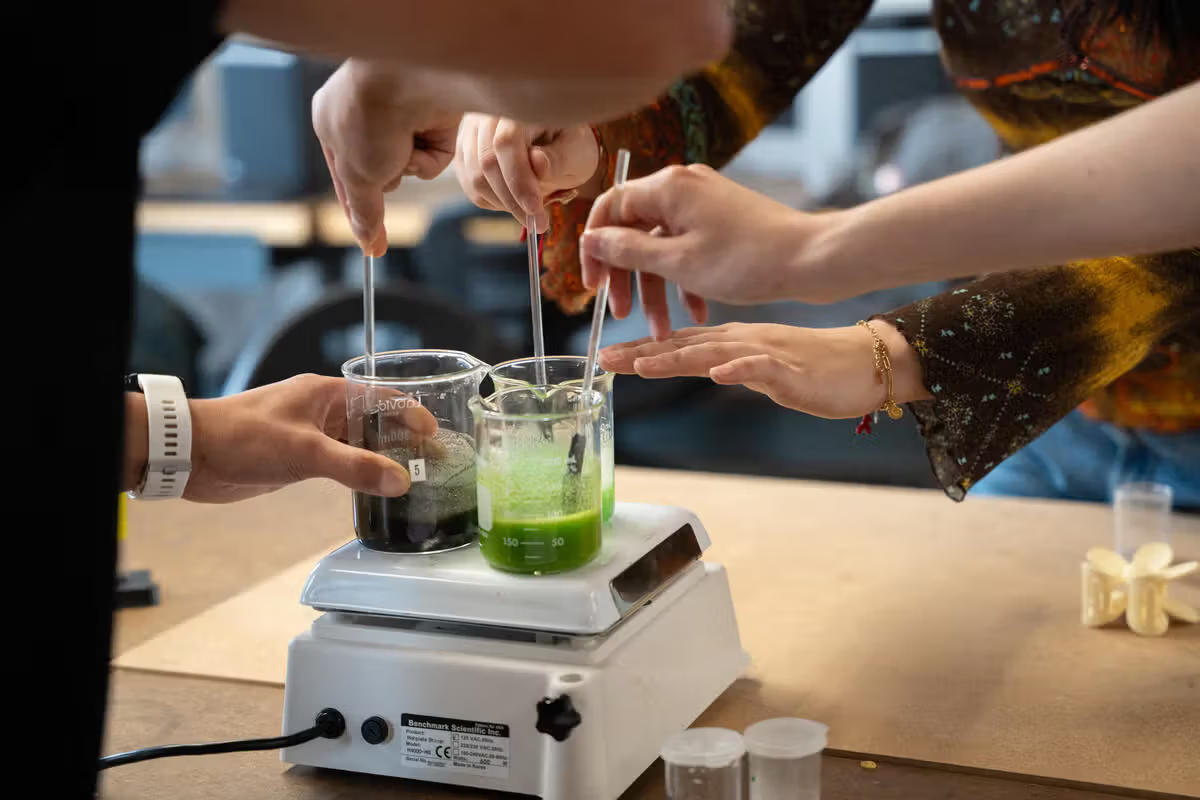
The three images here come from the Group’s new announcement and RISD’s partnership page, documenting lab work, wetland field observation and liquid-material testing within the collaboration. They are not labelled new finished products from this academic year. They make the research scale tangible: observe on location, return to the bench to make, then consider whether technology can adopt the findings. For future-design followers, the question is how natural principles become testable methods of movement, and how material and environmental goals enter that process together.
Wetland field-observation image from RISD’s partnership page, illustrating a method rather than a new product.Nature Lab archive image from the partnership page shows the scale of liquid testing.