The Odyssey Films Two Morocco Locations: Ait Benhaddou's Mud-Brick Citadel and Essaouira's Coast
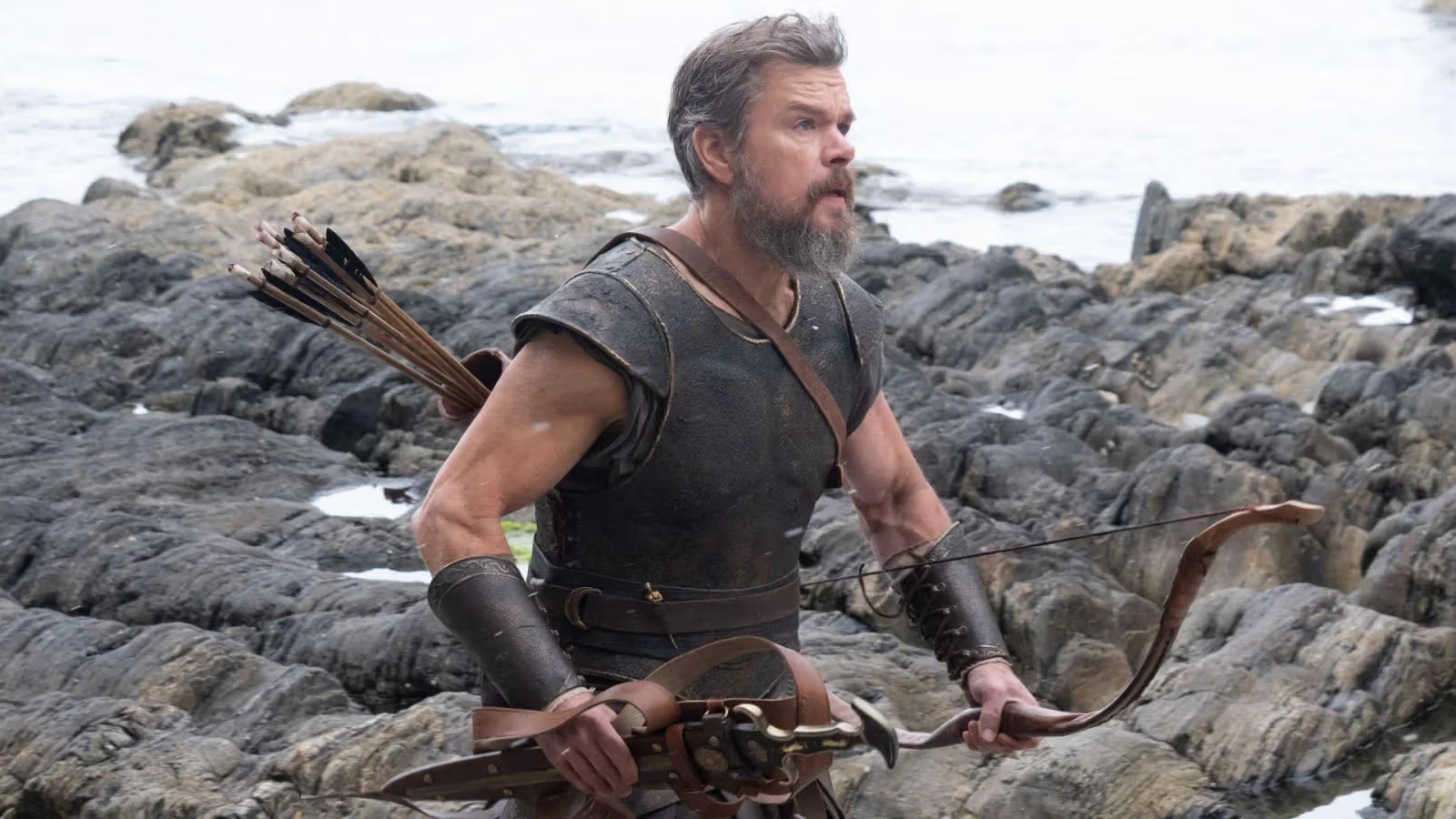
Christopher Nolan's The Odyssey skipped green screens, filming on location in Morocco at Ait Benhaddou and Essaouira—transforming the ancient citadel into a massive Troy set and recreating the Trojan Horse emerging from the waves on the Atlantic coast.
Christopher Nolan's new film The Odyssey used real Moroccan landscapes—ancient citadels and beaches—as filming locations, turning two strikingly different Moroccan terrains, an inland mud-brick citadel and an Atlantic coastal port town, into tangible backdrops for the film's Troy narrative.
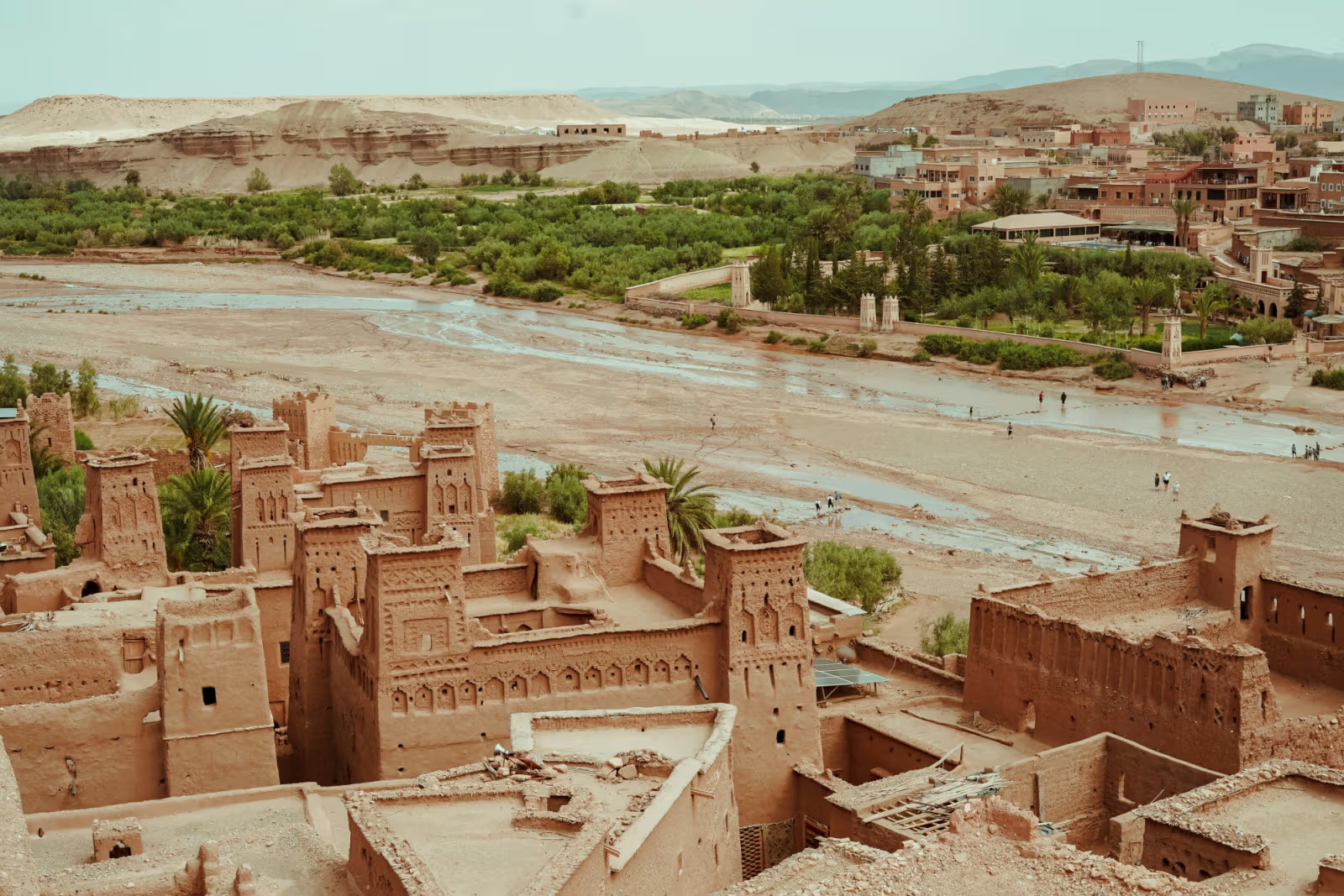
Ait Benhaddou, located near Ouarzazate, is a UNESCO World Heritage Site known for its layered mud-brick architecture set against the open expanse before the Atlas Mountains. The production built a 2.5-acre Troy set with 360-degree panoramic views at the site, including a 48-foot-tall Temple of Athena. The scale of this transformation gave the ancient citadel a dramatically different appearance during filming, with thousands of extras participating in scenes depicting the fall of Troy.
The layered mud-brick buildings of Ait Benhaddou, where the production once built a large-scale Troy set. Image: Toa Heftiba/Unsplash
How Far Is Ait Benhaddou from Marrakech
Traveling from Marrakech across the Atlas Mountains to Ait Benhaddou has been described as roughly a three-and-a-half-hour drive, though actual travel time depends on road conditions and starting point. This route itself encapsulates the geography of Morocco's interior, rising from the urban plains through mountain passes before descending into the arid valley near Ouarzazate where the citadel sits. Given these geographic conditions, the citadel's mud-brick structures and open terrain provided visual depth, interweaving architecture and landscape on screen.
How Essaouira Recreated the Horse's Landing Scene
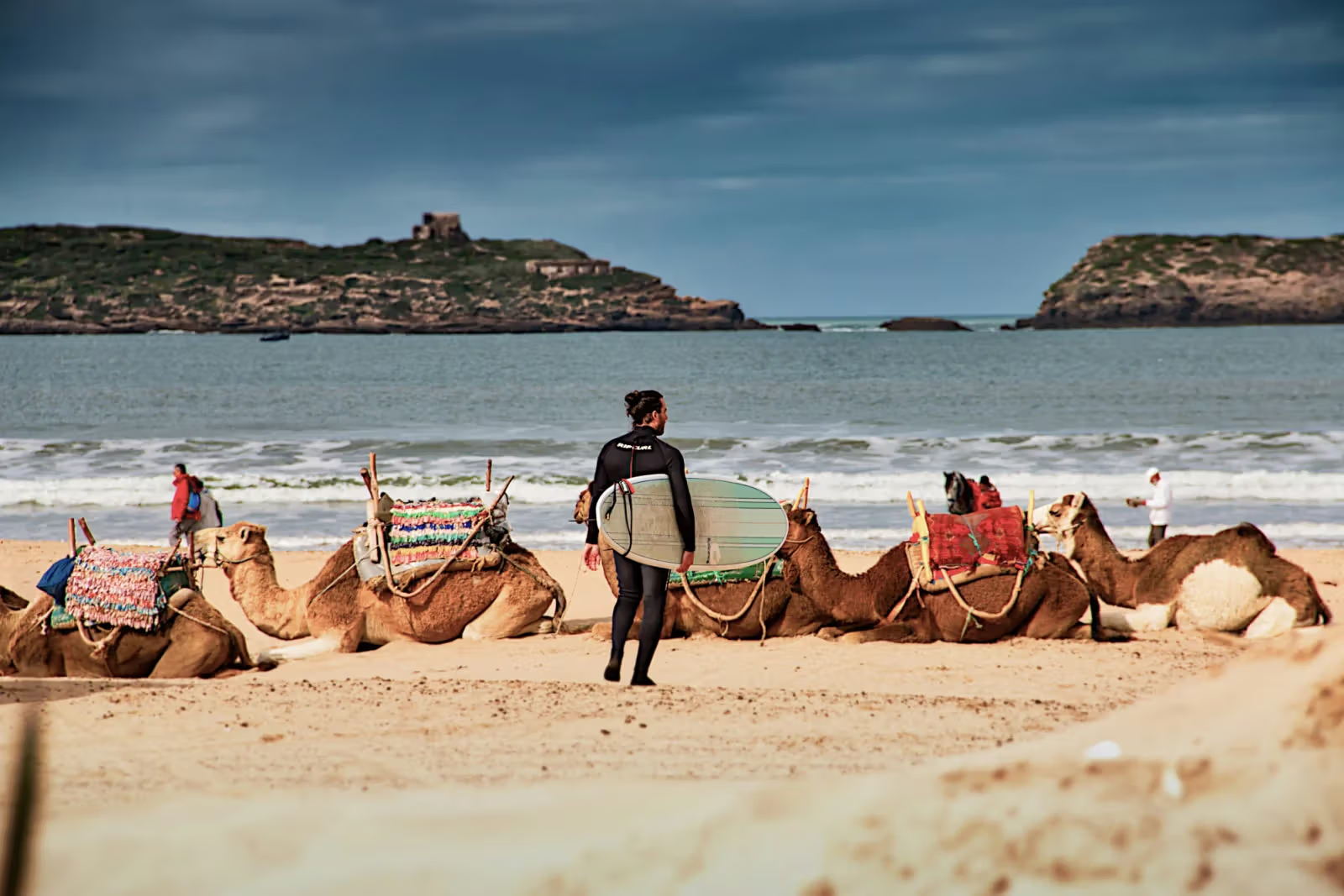
The film's scene of the Trojan Horse half-buried in sand, as if dragged from the waves, was actually shot on the beach at Essaouira. Essaouira sits on Morocco's Atlantic coast, a port town known for windsurfing and its old town. The town retains whitewashed houses with blue shutters alongside Portuguese-built coastal fortifications, historical traces that together form the town's distinctive coastal character.
Compared to Ait Benhaddou's dry inland landscape, Essaouira's coastline offered entirely different filming conditions—open sand, constant sea winds, and Atlantic tides—natural elements incorporated directly into the composition of the horse's landing scene. The geographic contrast between the two sites also reflects the production's deliberate search for authentic locations matching different stages of the story.
The coastline of Essaouira beach, where the film's Trojan Horse landing scene was shot. Image: Peter Schulz/Unsplash
Ait Benhaddou and Essaouira respectively carried the narrative segments of the land siege and the sea drift in the film, and despite the distance between them, together they form a central case study in the film's on-location shooting strategy. Film sets and ordinary tourist sites should be viewed separately: the Troy city and temple built for filming do not necessarily remain standing or open to visitors today. Anyone planning travel based on the film should rely on current, official visitor information for the citadel and coastline themselves.