A drone weighing over 25kg, equipped with a docking station or thermal imaging camera, now costs double to enter the US market. The tariff rate the White House just rolled out is itself the message: this isn't about collecting revenue—it's about making sure these models can't sell in the US at all.
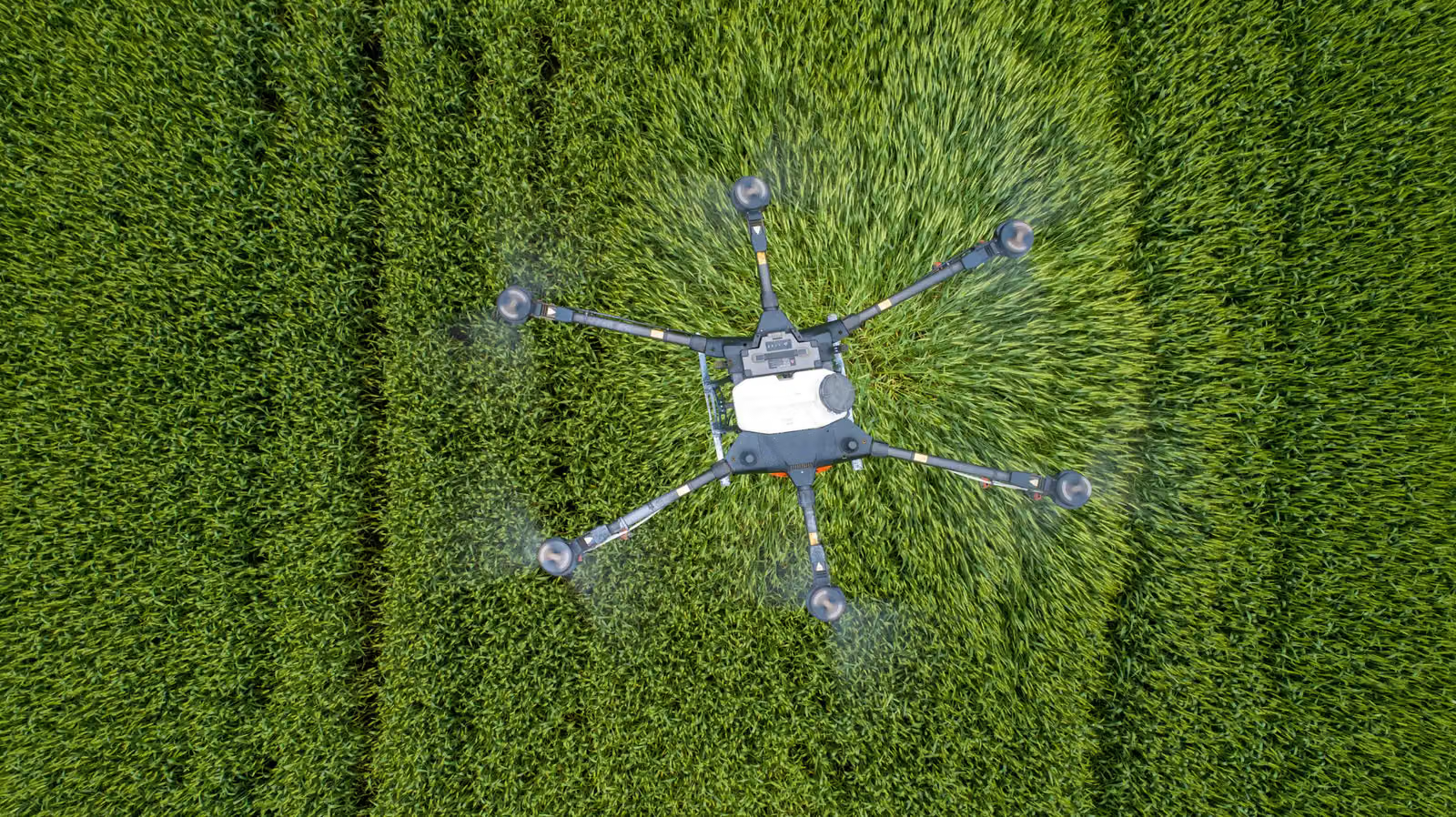
Under the tier system the White House laid out, drones over 25kg (55 lbs), or those with docking stations or thermal imaging features, will face a 100% tariff—and the components needed to manufacture these models get swept in too. These specs line up exactly with the commercial models brands like DJI make for power line inspection, crop spraying, and search-and-rescue operations. Drones under 25kg get hit with a 25% tariff, which covers both old and new DJI models already FCC-approved and selling in the US market. Models made in the EU, Japan, South Korea, Switzerland, and Taiwan face 15%, provided components are primarily sourced locally; UK-made models get 10%.
The White House's stated rationale is strengthening national security and pushing component manufacturing to "come home," with incentive programs promised for companies investing in domestic drone and component manufacturing. One expert told Financial Post that this move also closes a loophole that previously let companies dodge restrictions by "buying parts from China and assembling in the US."
The problem is, the thing meant to "come home" doesn't currently exist here. DJI's models are nearly irreplaceable in the market precisely because China's drone supply chain, specialized factories, engineering know-how, and skilled labor pool operate at a scale the US can't replicate anytime soon—the same bind the smartphone manufacturing industry finds itself in.
This tariff and the FCC's earlier ban on already-approved LiDAR drones citing military use are two separate matters, but they hit the same people: farmers, rescue workers, power line inspection crews. And going by Trump's past tariff playbook, the rate gets paid by importers and passed on to consumers—so even if courts strike it down later, buyers won't be seeing refunds.