Back in November 2025, a Samsung 990 Pro 4TB would run you $318. Now it's listed on Amazon for $1,100. That's not a typo — it's the exact SSD Engadget writer Max Miller bought for himself, and he watched the price more than triple in just a few months. He also threw in a jab: the slower 990 series (non-Pro) is now somehow priced even higher than the original 990 Pro.
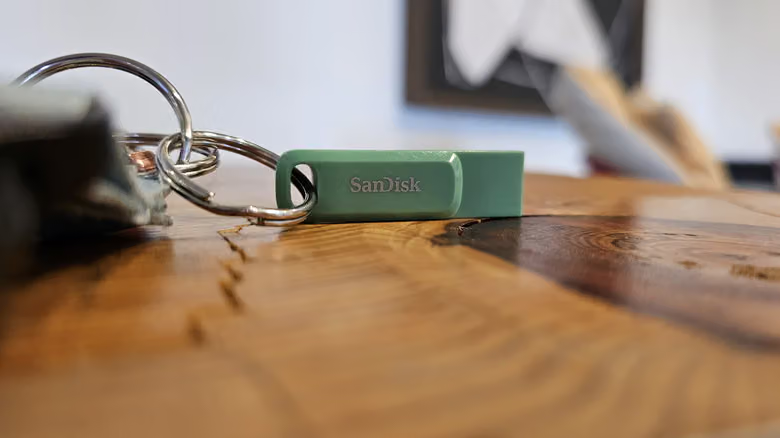
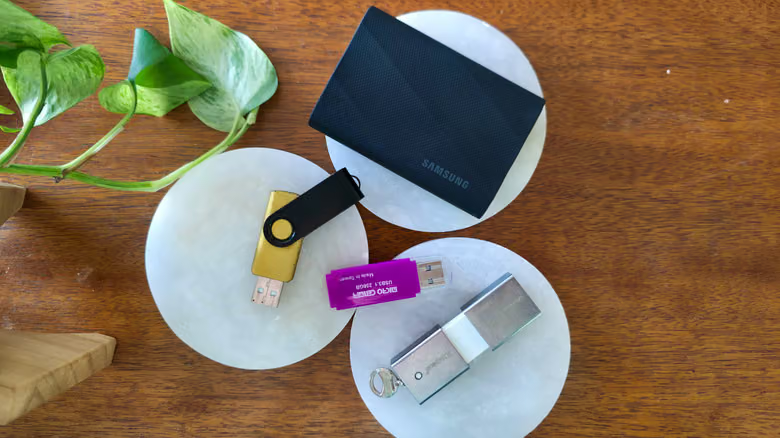
This price surge traces back to the AI boom driving up demand for data center storage and memory, which has dragged SSD and HDD prices up right along with it — and even taken a bite out of PC sales in the process. But on that very same Amazon page, USB flash drives are living in a completely different world: a 5-pack of PNY 64GB USB 3.0 flash drives currently sells for just $43. Their price increase hasn't come close to keeping pace with SSDs and HDDs, and when you do the math per GB, they're actually a better deal than a Samsung 990 right now.
The Museum of Obsolete Media rates USB flash drives at just 1 on its obsolescence risk scale — about as low as it gets. The logic is simple: as long as USB ports exist, these drives aren't really going anywhere.
SSDs Win on Specs, Flash Drives Win on "Good Enough"
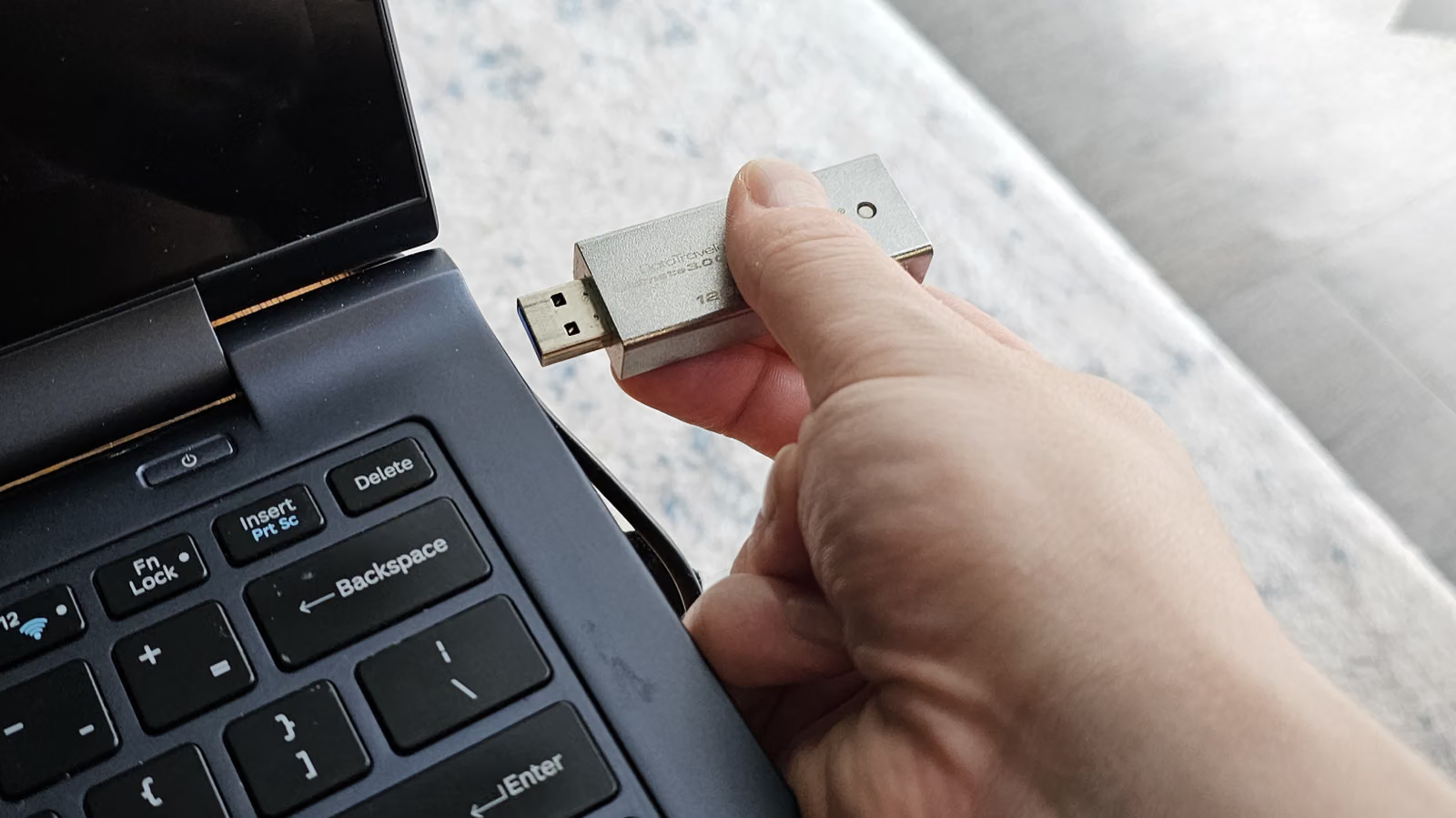
On the technical side, SSDs have left flash drives in the dust. Most flash drives max out around 128GB, while SSDs routinely start at 1TB, with far faster transfer speeds and generally better build quality and controllers. Shooting 4K high-frame-rate video on a phone these days eats up about 1GB per minute, so backing up phone or PC data, or unzipping large archives, will max out a flash drive pretty fast. And with more new laptops ditching everything but USB-C ports, while USB-C flash drives do exist, most SSDs come with a single cable that handles both Type-A and Type-C — which just makes life simpler.