Yu Chih-wei on Preserving Old Buildings and Local Relationships: From Japanese Hot Spring Towns to Taiwan's South Link Route
Yu Chih-wei, co-founder of Fonsun Travel, has long been engaged in revitalizing old buildings and designing place-based travel. From Kyoto's Kaikado to the regeneration of Nagato Yumoto in Japan, he draws parallels with the South Link Sustainable Travel Alliance in Taitung, discussing how long-term relationships can be built between places and travelers.
Yu Chih-wei is the co-founder of Fonsun Travel, Earthworm Culture, and Sidoli Radio, and has long focused on the deep connection between preserving old buildings and local culture. He once initiated the "Old House Office" project, dedicated to the preservation and revitalization of old buildings, while Fonsun Travel designs travel content for visitors that emphasizes cultural experience rather than mere sightseeing. Behind these different roles runs a common thread: how to create a relationship between travelers and places that goes beyond one-time consumption.
Yu Chih-wei has long been engaged in the preservation of old buildings and the planning of place-based travel. Image: Feng Shang Travel
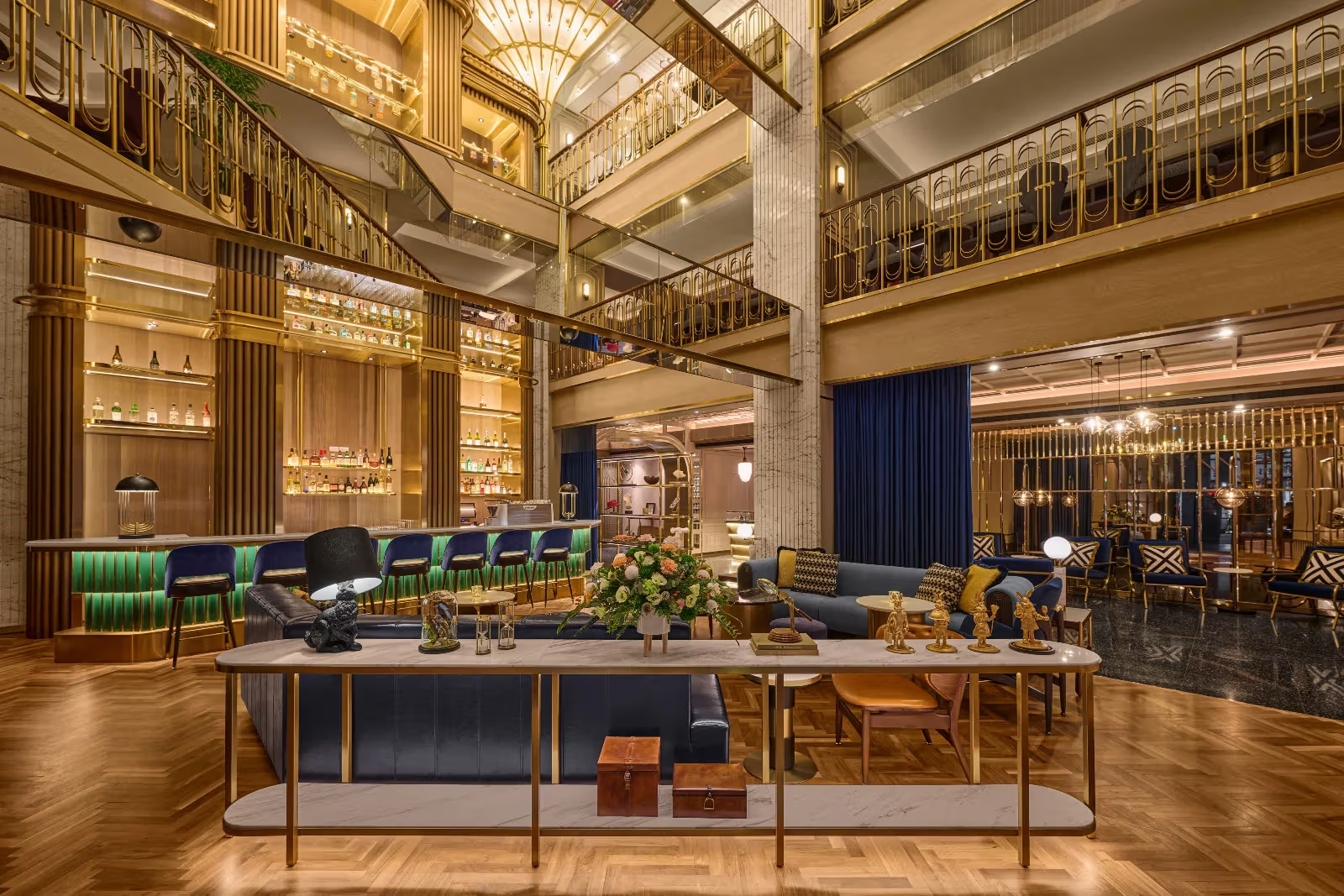
Sidoli Radio was created jointly by Yu Chih-wei and designer Fang Shu-chung, offering a space where guests can listen to the stories of the land through drinks. This project treats storytelling as part of the travel experience, prompting reflection on how drinks, space, and local history can be understood together, rather than treating an old building merely as a photo backdrop.
How Can Old Shops Find New Uses While Passing Down Tradition?
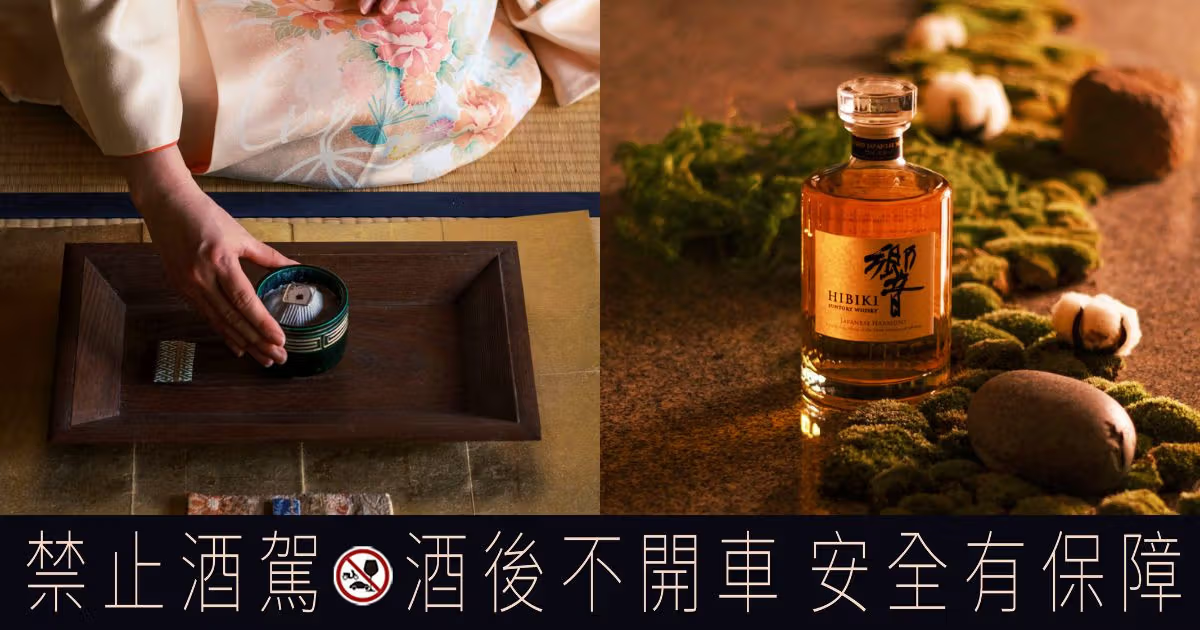
Kaikado, founded in Kyoto in 1875, is renowned for its handcrafted tea canisters and is a long-established shop with a rich history. Rather than simply continuing traditional craftsmanship, sixth-generation successor Takahiro Yagi opened a café, using the tea canisters to hold coffee beans and bringing traditional objects into a new everyday setting. Kaikado has also collaborated with Panasonic to create a Bluetooth speaker called "Hibiki," combining century-old craftsmanship with contemporary technology. This case shows that passing down an old shop does not necessarily mean preserving it unchanged—new uses can also extend the vitality of objects and craftsmanship.
How Can a Hot Spring Town That Has Lost Visitors Be Rediscovered?
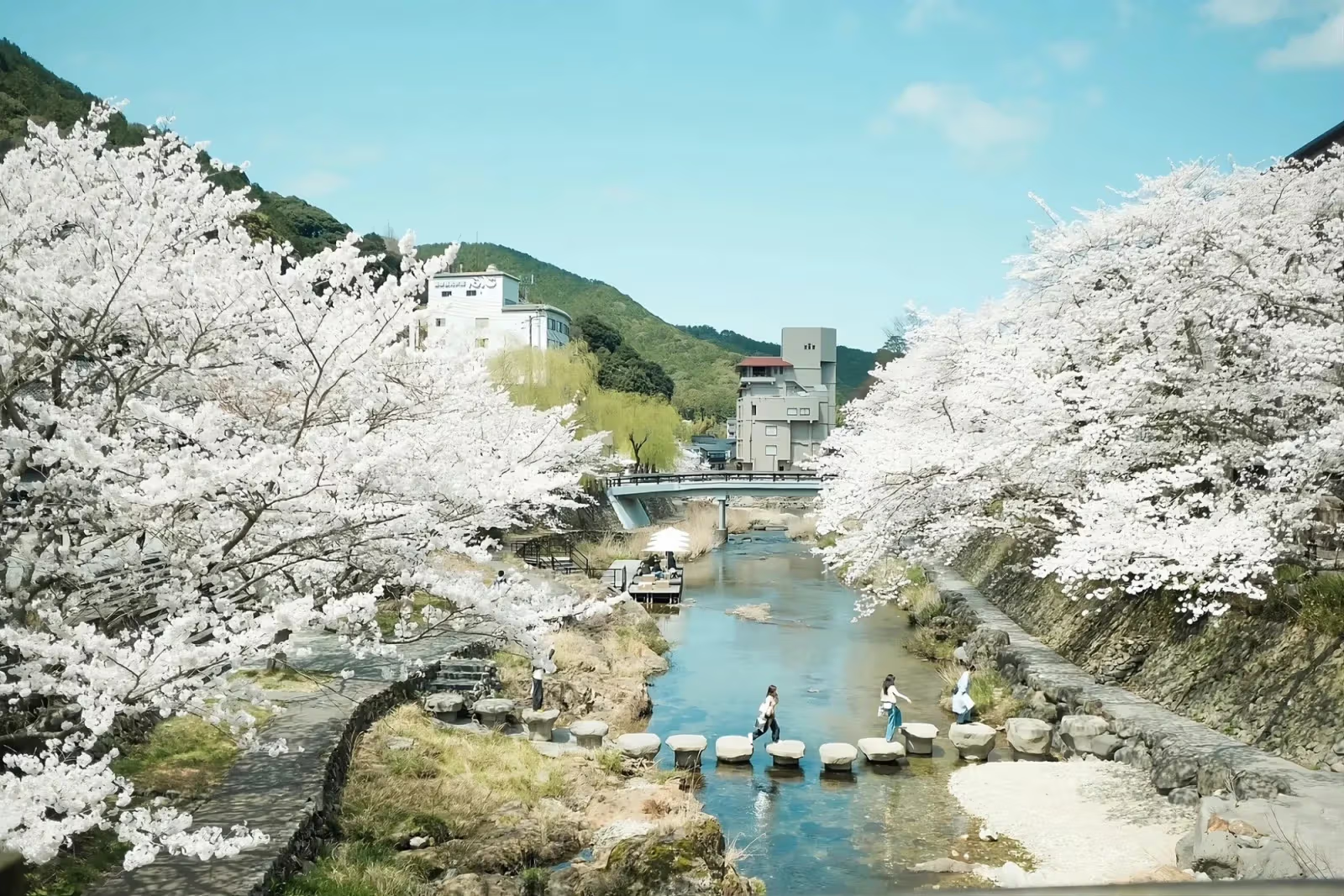
Nagato Yumoto is a hot spring town in Japan with 600 years of history, but visitor numbers had declined sharply: around 390,000 people visited in 1983, dropping to fewer than 160,000 by 2014. The local Shirakiya Hotel, with 150 years of history, had once closed due to the decline in visitors, showing that prolonged tourism decline directly threatened the survival of local operators.
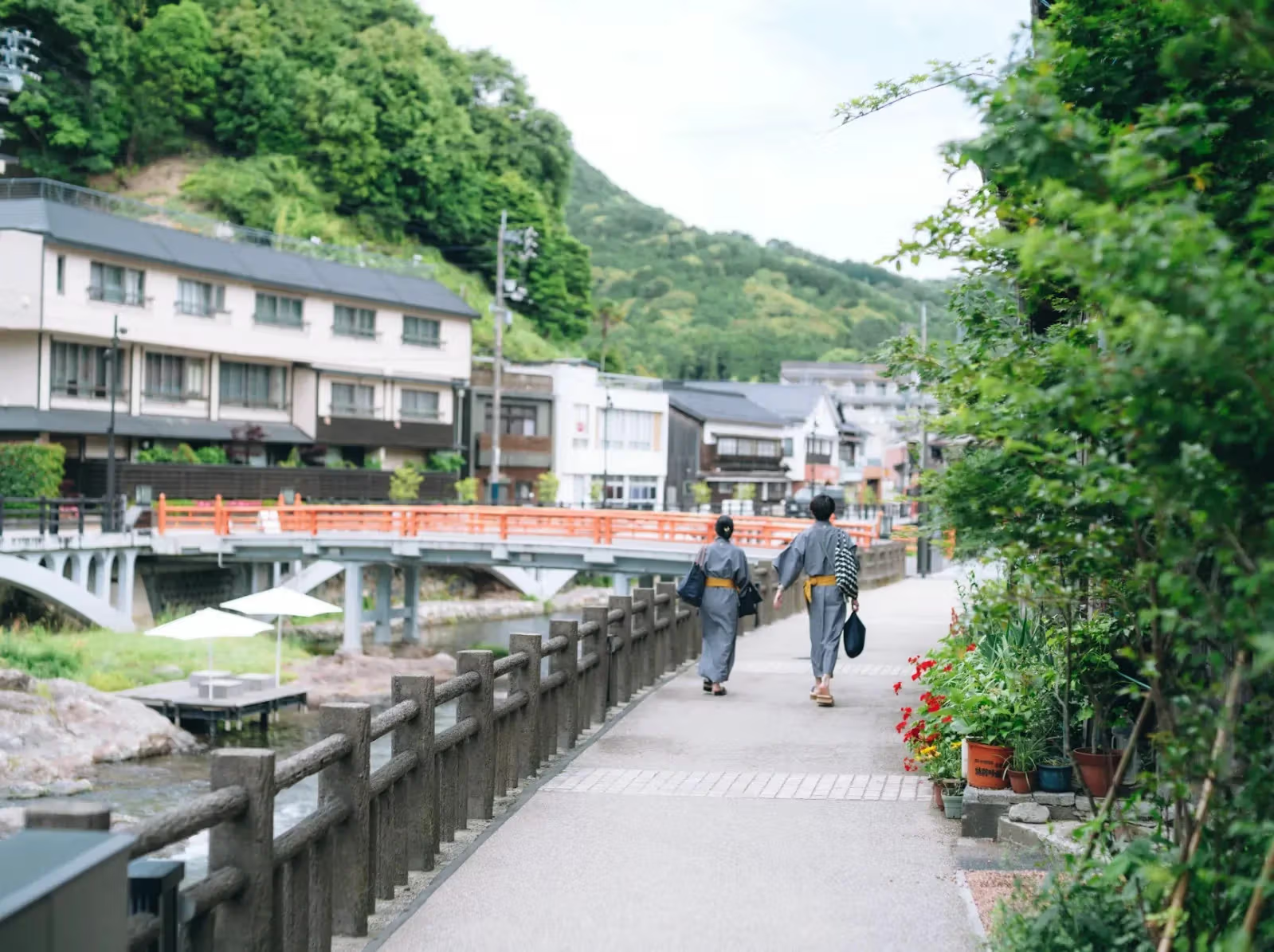
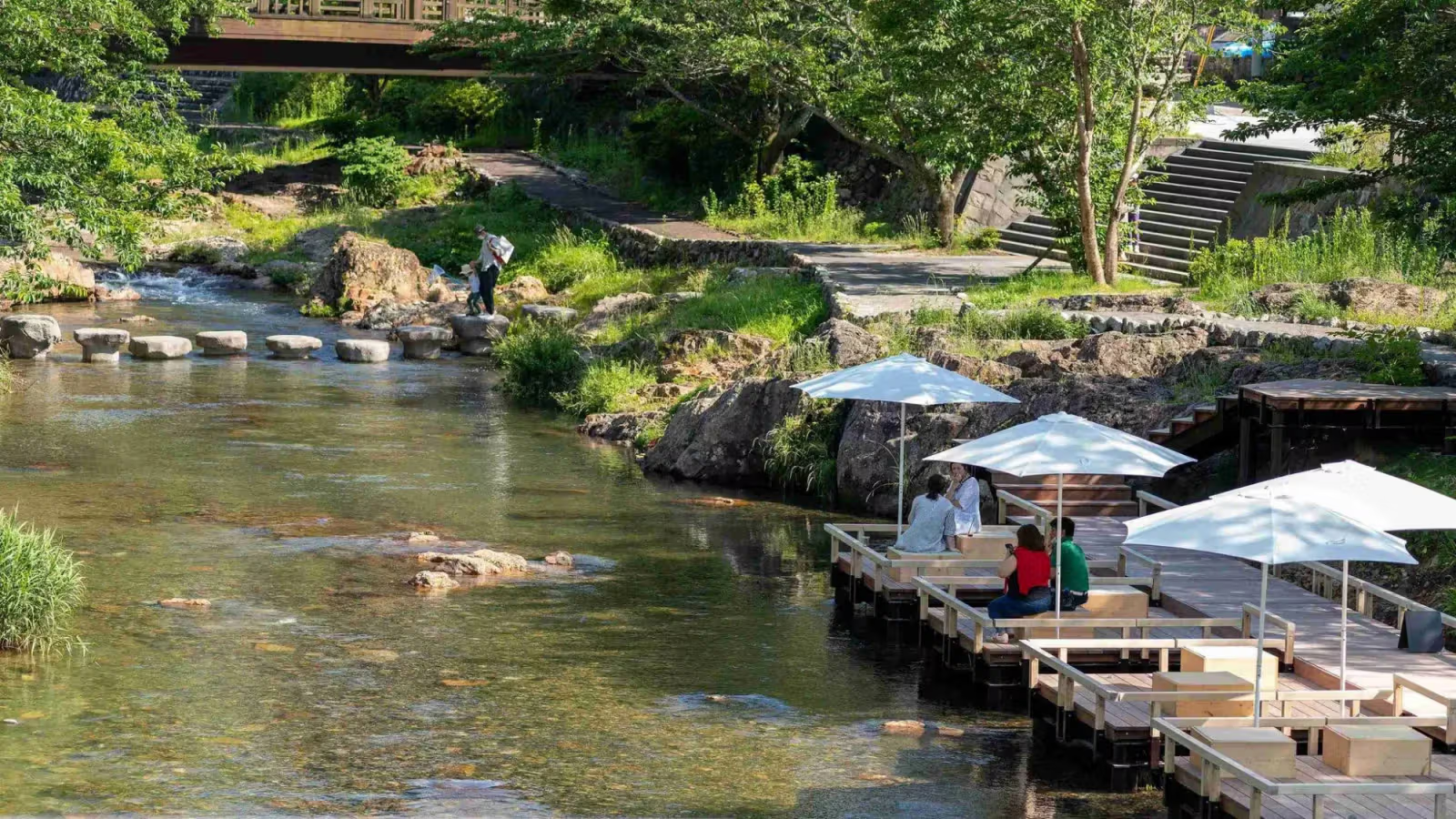
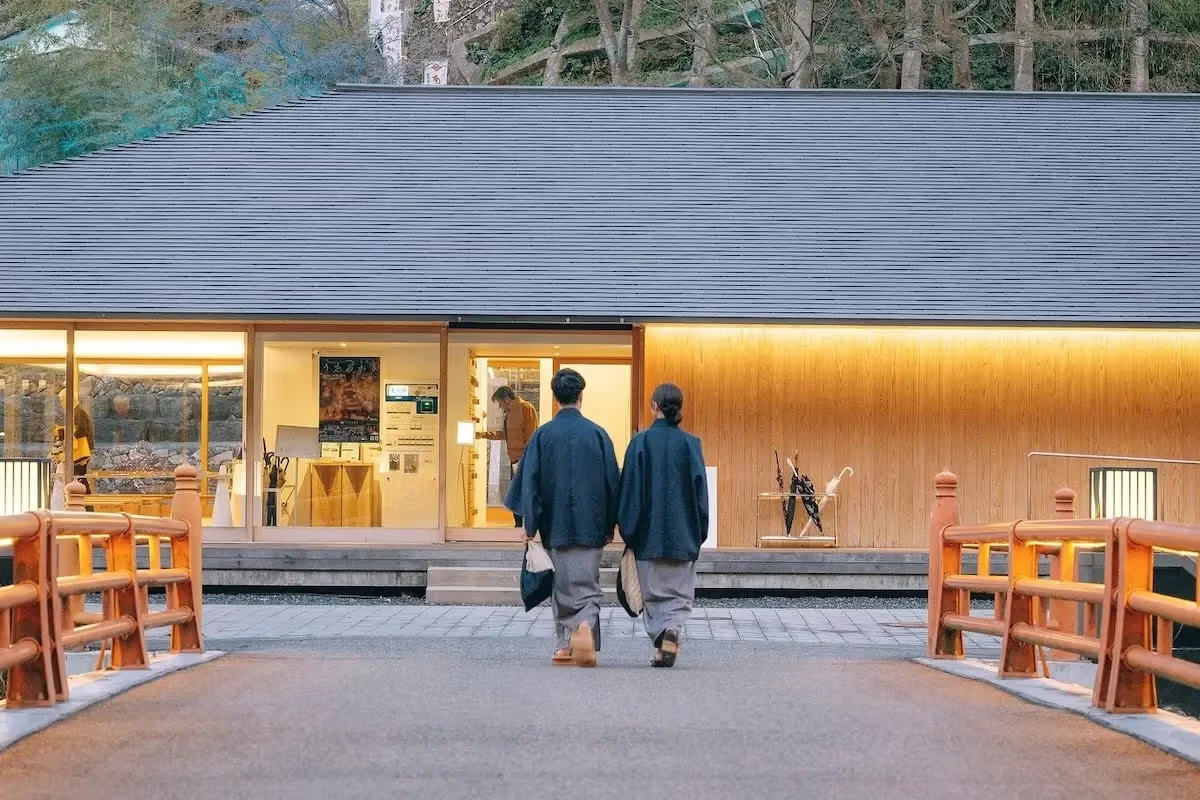
Nagato Yumoto hot spring district. Image: Feng Shang Travel
Facing this situation, Nagato City invited the Hoshino Resorts group to participate in discussions on regional tourism regeneration, and Hoshino's "Kai Nagato" subsequently opened in the area. This process was not simply about bringing in a new hotel—it was the local government actively seeking external resources to jointly address long-accumulated structural problems in tourism. For Taiwanese readers, the lesson from such cases is that regional regeneration often requires going beyond the scale of a single operator, involving coordination between local governance and long-term planning.
Nagato Yumoto has 600 years of history and once faced a sharp decline in visitors. Image: Feng Shang TravelNagato Yumoto's local tourism revitalization case. Image: Feng Shang Travel
Local Practice on Taiwan's South Link Route
In Taiwan, the South Link Sustainable Travel Alliance was convened by Wusa'en Kalo, owner of "Dropping an Egg Sea Travel," linking together dozens of accommodations, restaurants, and shops across the four townships of the South Link area to form a cross-business collaborative network. This approach differs from the path taken in Nagato Yumoto, where the government coordinated external resources—here, local operators spontaneously formed an alliance to support one another.
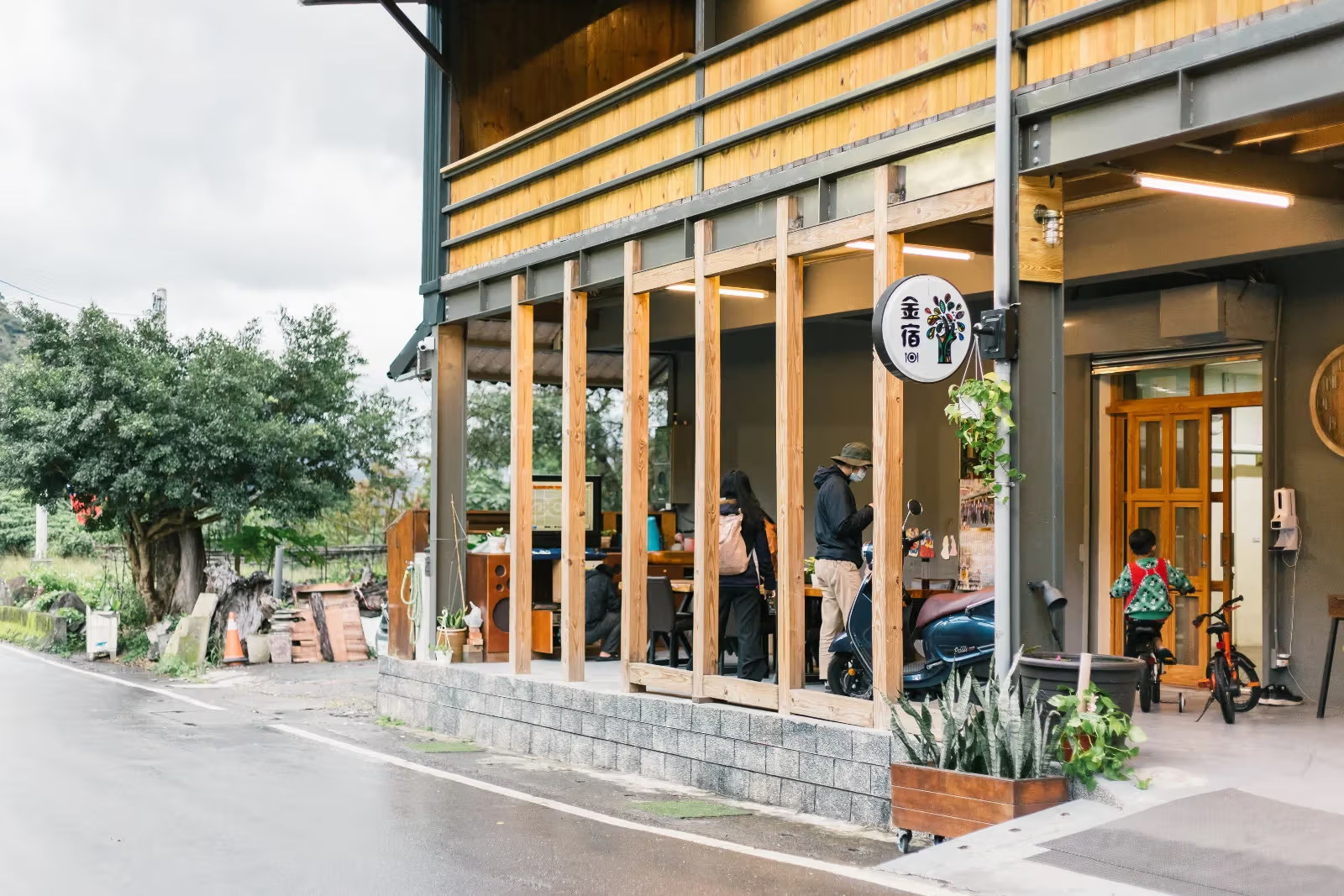
Tupa Jinsu in Taitung is another concrete example, operated by Wu Ya-hsuan and Lin Ting-chang. Originally a tribal recreation venue, it was converted into a guesthouse, and the two subsequently launched the "Tupa Time" project. From this case, one can further consider how, after a space's use is transformed, a guesthouse can coexist with the original rhythms of tribal life, rather than simply adding another lodging option for outsiders.
From Kyoto's century-old tea canister shop and the regeneration of Nagato Yumoto's hot spring town, to the South Link lodging alliance and Tupa Jinsu, these cases span different countries and industries, but all point to a common question: for old buildings, old shops, or old communities to endure, what is needed is not preservation alone, but also finding ways to make outsiders willing to return again and again and build relationships with the local community.
Tupa Jinsu was converted from a tribal recreation venue and is now a guesthouse base in the South Link area. Image: Feng Shang Travel