In one bill draft, the definition of "state" only covered the 50 U.S. states—Washington D.C. and tribal lands simply vanished from the text. This wasn't political maneuvering; it was just the AI getting it wrong.
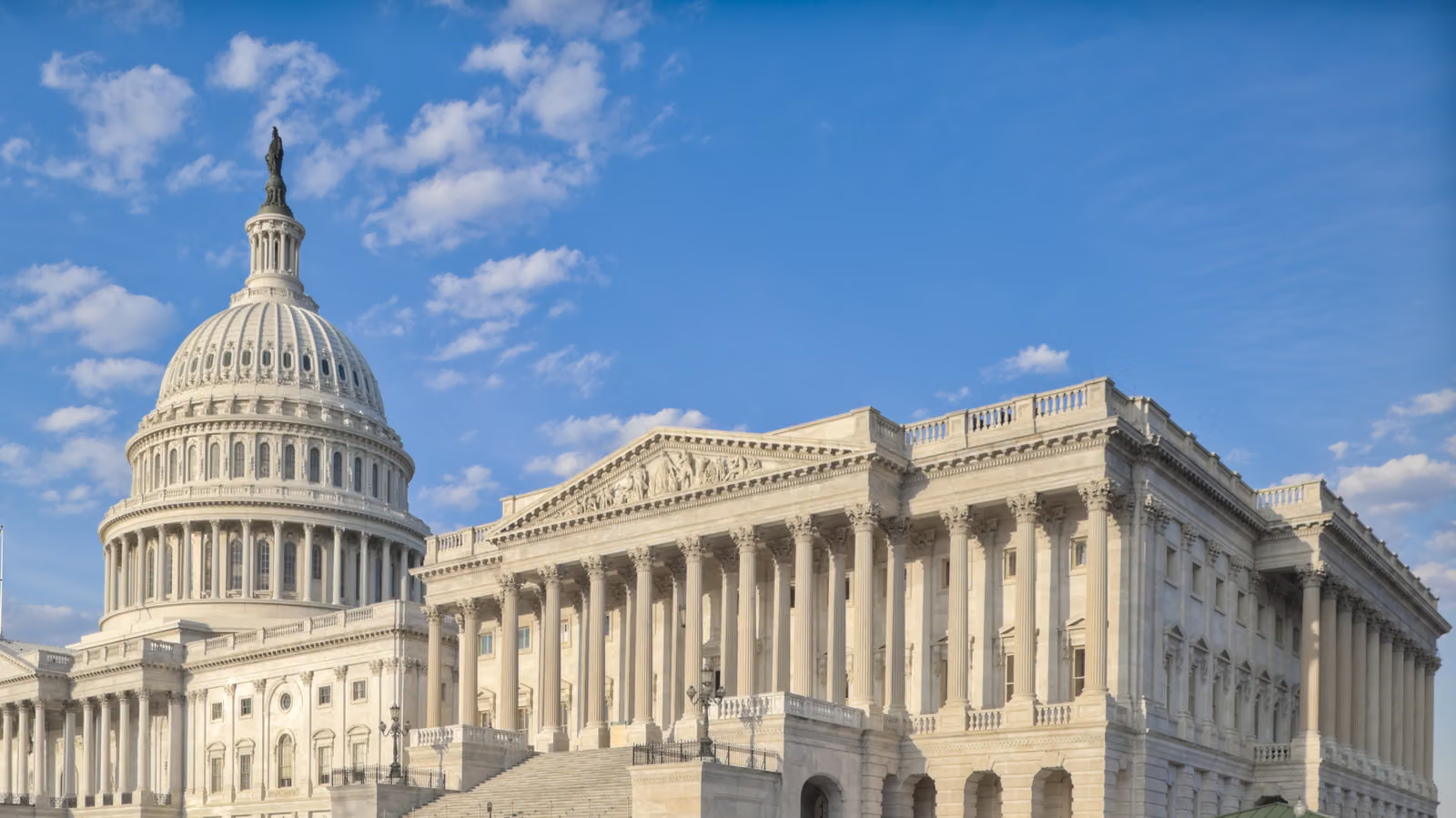
According to Politico, the House Office of Legislative Counsel (OLC) has recently been inundated with error-riddled, AI-generated bill drafts. More and more congressional offices are using public AI tools like ChatGPT and Claude to draft legislative proposals straight up. By the time these drafts reach OLC, the terminology is off and citations don't line up, forcing lawyers to spend more time fixing and rewriting than they would have spent starting from scratch.
Wade Ballou, who led OLC for nearly a decade before stepping down in 2024, pinpointed the core issue: AI can't distinguish whether a given sum of money should be classified as a "tax credit," "tax deduction," "tax exclusion," or "grant"—four terms that trigger completely different implementation mechanisms under the law. Another lawyer who has worked with OLC told Politico that AI-drafted texts also tend to misquote previous statutory provisions.
Even more troubling than the textual errors, the report notes, is a deeper problem: because congressional staffers now lean on AI to draft their proposals for them, they no longer need to "deeply understand the issue itself"—leaving them increasingly unfamiliar with the very bills they're introducing.
Facing this surge in workload from AI-drafted bills, an internal OLC working group didn't opt to ban AI outright. Instead, they built a tool called the "Comparative Print Suite" to help staffers visualize exactly how a proposal would alter existing law. Unlike general-purpose tools like ChatGPT, when the system can't determine where a proposed change should go, it simply throws an error instead of generating something that looks plausible but is actually fabricated—preventing hallucinated content from slipping into official drafts.