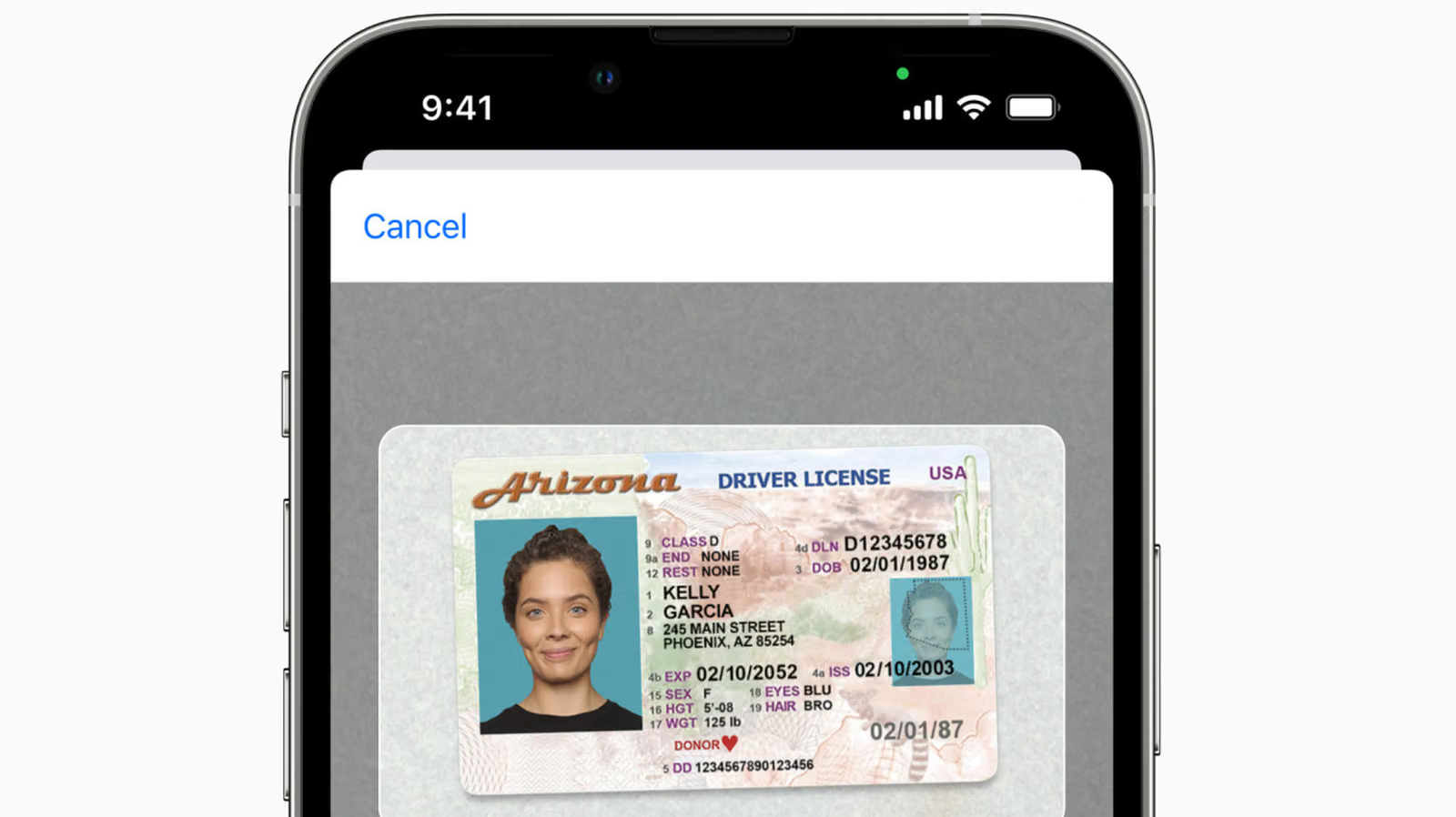
North Carolina's digital driver's license won't be making its debut in Apple Wallet first.
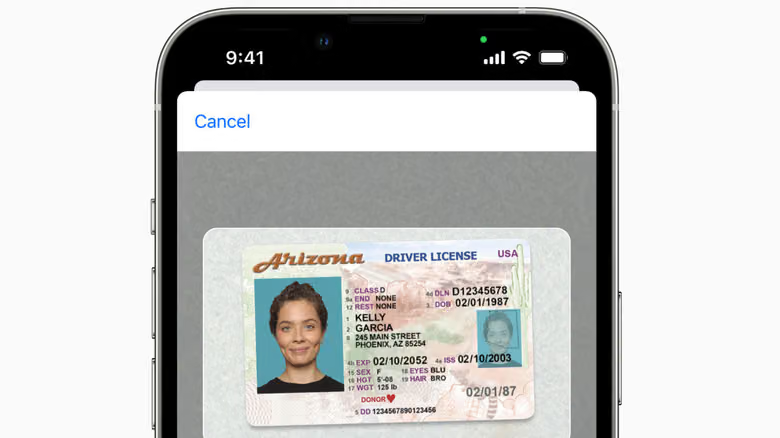
According to plans confirmed by the North Carolina Division of Motor Vehicles (DMV), the mobile ID system is set to launch this December, but will initially only support the state's own official NC Wallet app—worth noting, this has nothing to do with the cryptocurrency app of the same name. The DMV says support for Apple Wallet, Google Wallet, and Samsung Wallet will roll out gradually starting early next year. Residents with a valid North Carolina driver's license or state ID will be able to apply for and set up their mobile ID for free once it's available.
The DMV also outlined how the digital ID will work in practice: TSA checkpoints at more than 250 airports across the U.S. already accept mobile IDs, including Charlotte Douglas International Airport and Raleigh-Durham International Airport. Law enforcement will likewise treat mobile IDs as valid identification, but if an officer doesn't have a compatible reader on hand during a stop, drivers may need to verbally read out the information on their ID instead. The DMV also recommends that people continue carrying their physical ID as backup during this transition period, "as retailers, restaurants, and other businesses gradually adopt mobile ID."