Bangkok’s 28th International Festival of Dance and Music ended on October 17. Beginning on September 5, this season presented twelve productions from nine countries in the Thailand Cultural Centre’s Main Hall, spanning opera, classical ballet, contemporary dance and theatrical performance. The closing announcement published on October 22 shifts attention from ticket buying to programme structure: how can a six-week season bring audiences with different backgrounds into contact with different stage languages?
Why can a fashion figure become a ballet subject?
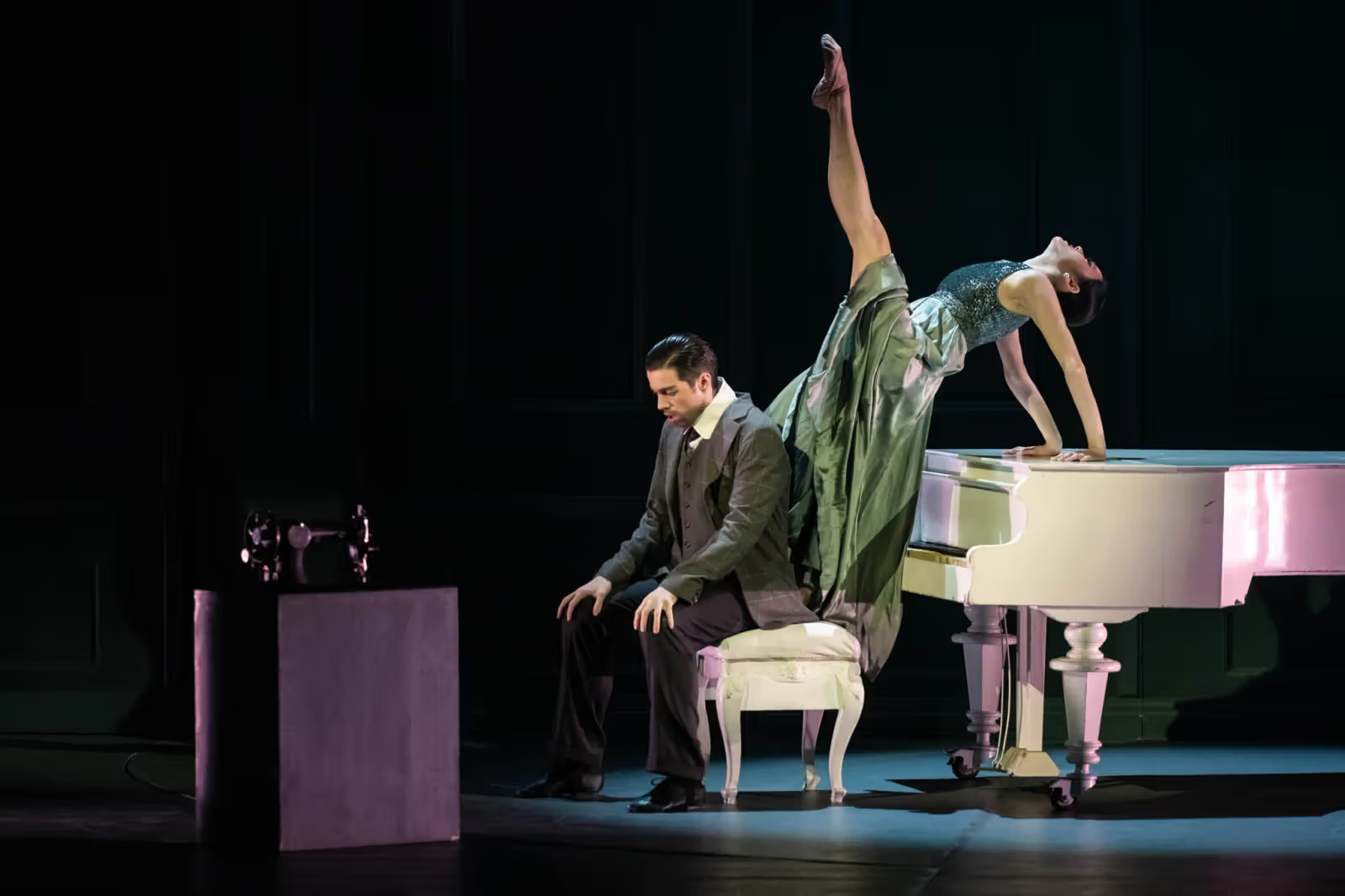
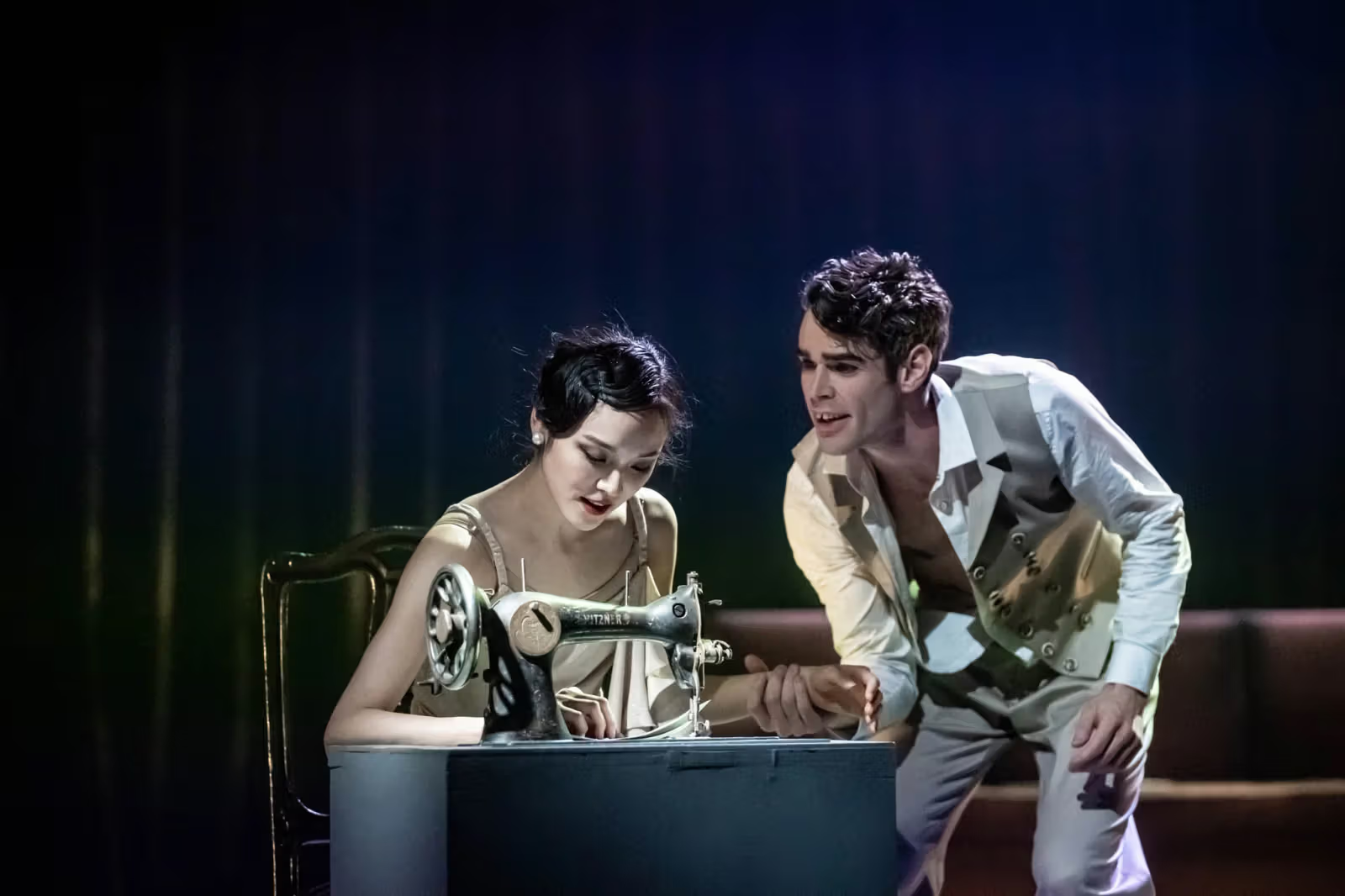
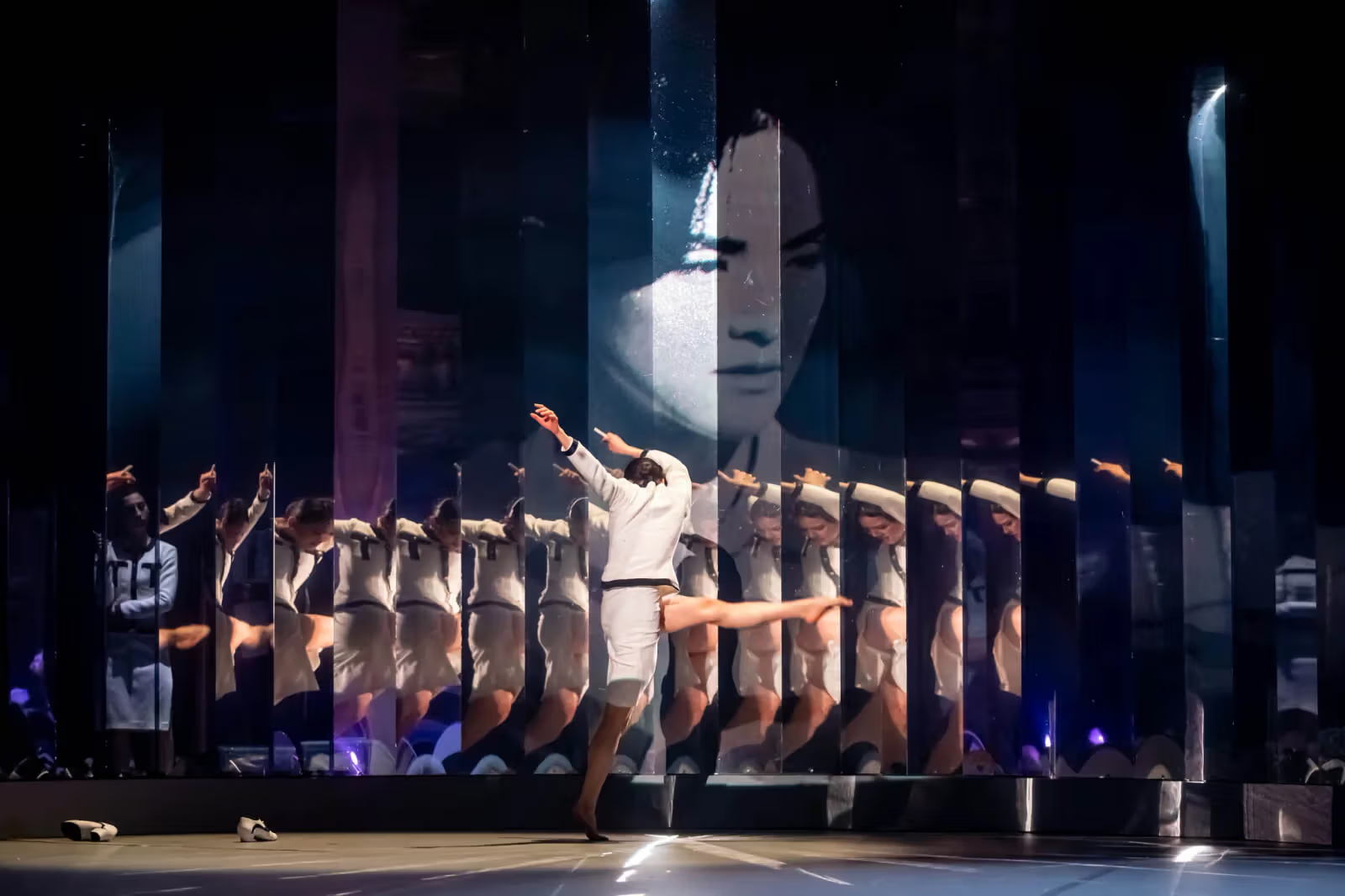
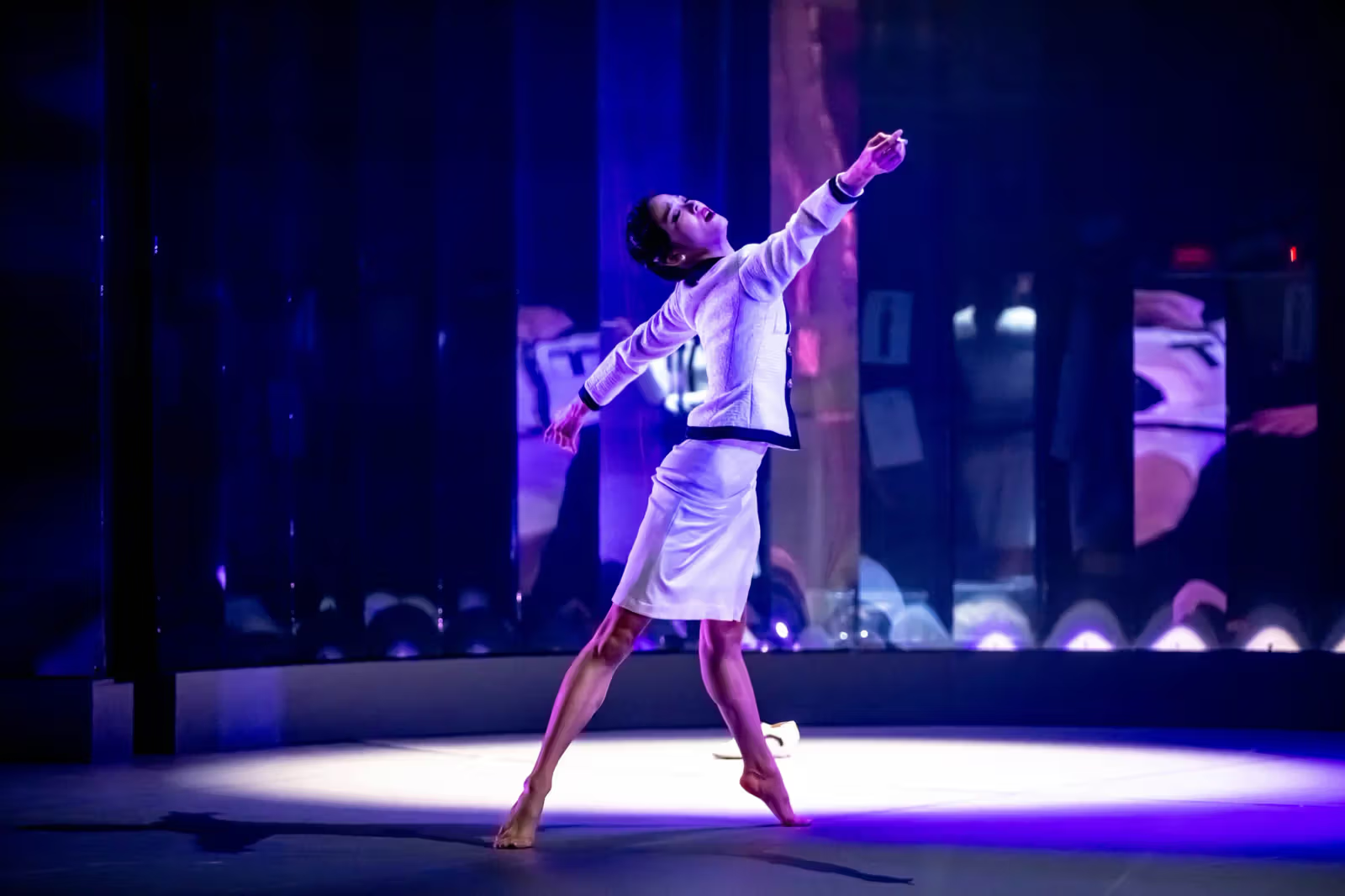
The National Theatre Brno’s Coco Chanel brought a fashion personality into ballet alongside familiar stories such as Romeo and Juliet and Cinderella. For readers interested in clothing, tailoring and visual culture, this offers another entry. Costume can communicate identity, social distance and period through silhouettes, formations and the movement of bodies.
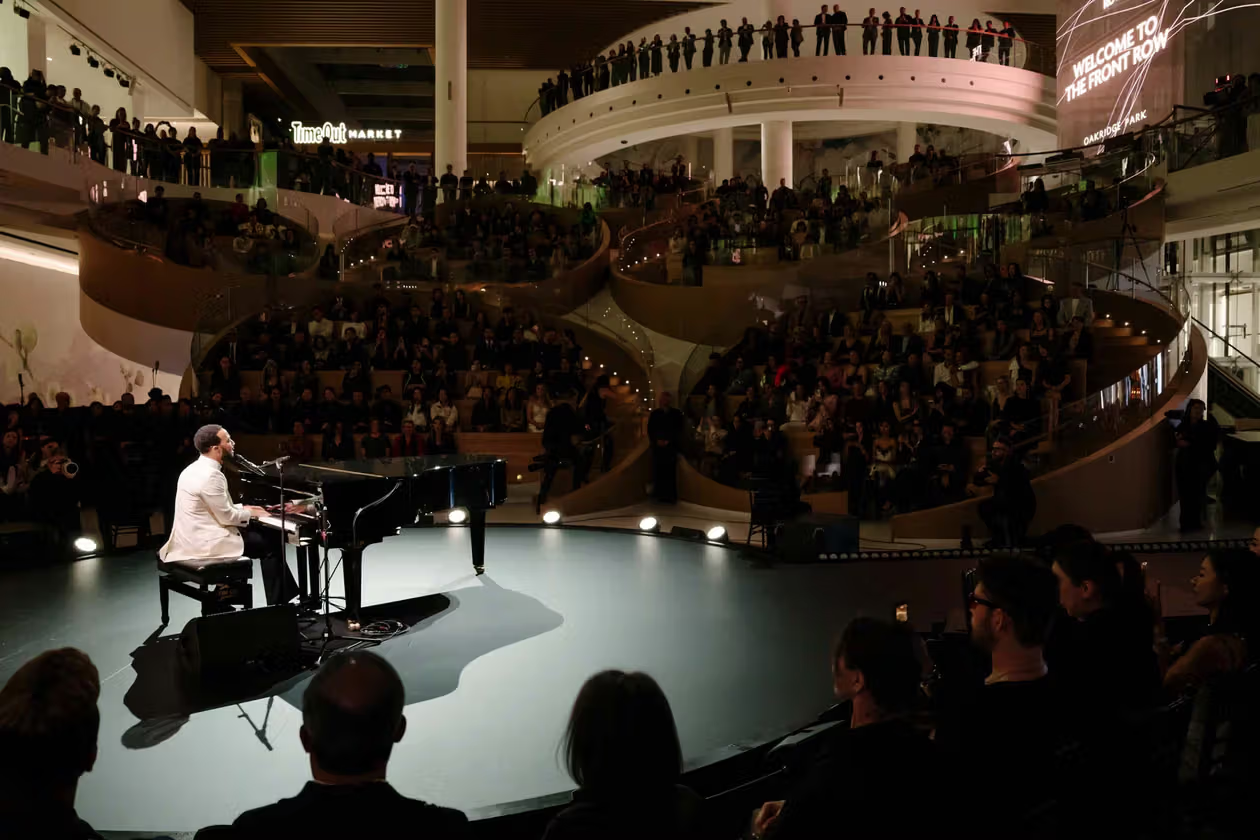
Piano, chairs and dancers establish different heights within the scene.A closer production photograph shows gestures and exchanged looks.
The production photographs’ black-and-white contrasts, long dresses and group positions offer ways to observe stage styling without claiming to have watched the whole performance. A fashion photograph lets the eye pause on a look, while stage clothing keeps working through turns, jumps and changing light. Comparing the two reveals how a colour or line changes its effect over time.
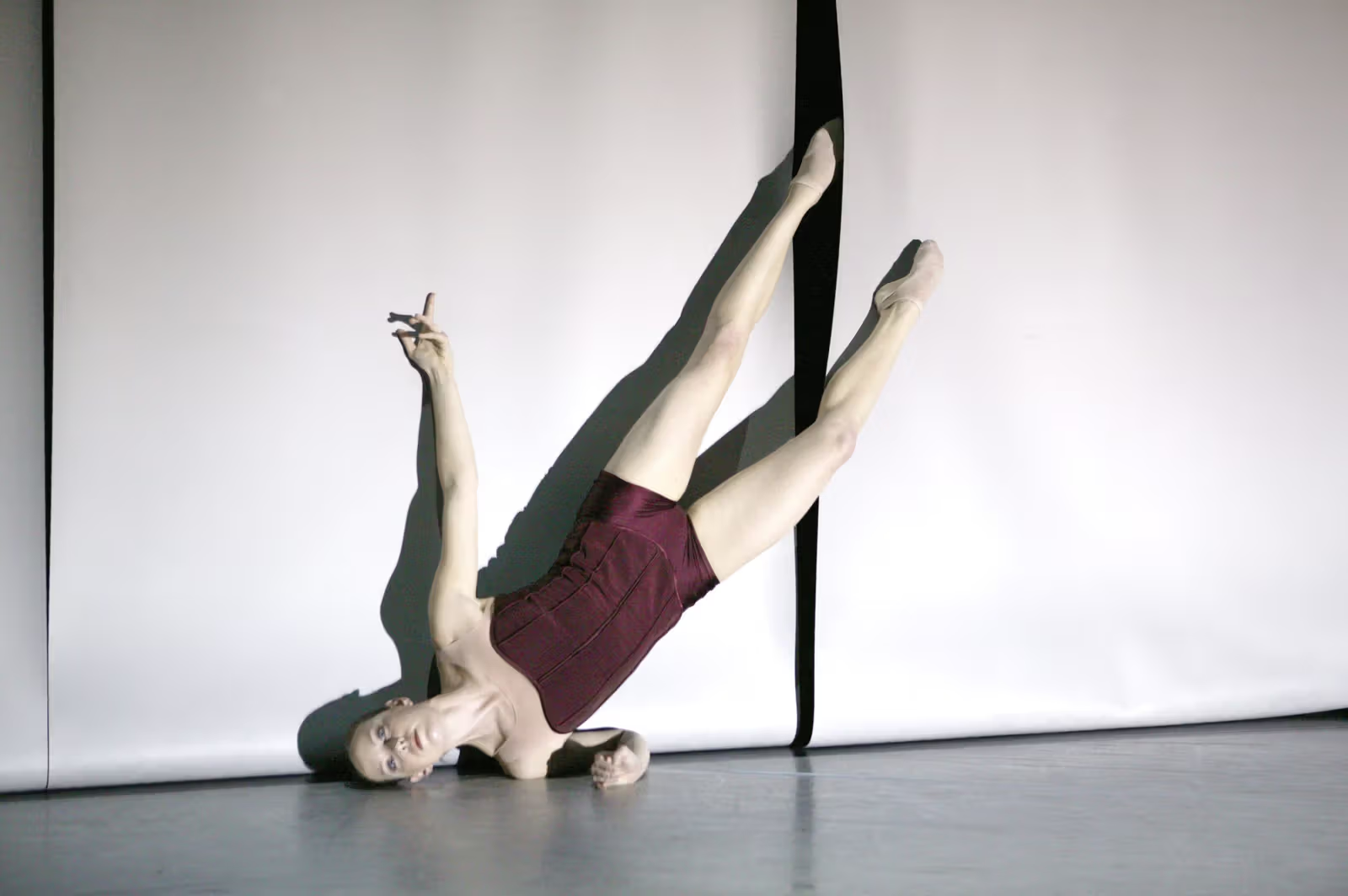
Movement and projected imagery create several outlines of the same character.A dancer traces a bodily line through the stage light.
How does a programme accommodate different viewing habits?
The season also included New York City Opera’s Opera Goes to Hollywood, the Brazilian Deborah Colker Dance Company’s RITE and Sadeck Berrabah’s Murmuration Level 2. Film music, Stravinsky and synchronised group movement offer distinct attractions. Audiences can start with a familiar sound, story or gesture without first mastering every discipline.
French choreographer Berrabah’s ensemble movement works differently from opera’s interaction of voices, characters and orchestra. A useful comparison begins by asking where attention is directed: towards one protagonist or a synchronised group? Does sound explain a plot or establish a bodily rhythm? Such specific questions offer a more lasting vocabulary for experience than treating every production as the same kind of international spectacle.
What remains beyond the closing figures?
In its closing announcement, the organiser estimated more than 250 million baht in economic activity and said foreign audience members and performers represented around a fifth of combined participants. These are the organiser’s estimates and participation categories. They should not be equated with ticket revenue or the proportion of foreign spectators alone. A practical legacy for readers is to note an appealing company, choreographer or work and follow their subsequent projects.
The season’s performances and ticket offers have ended. Its old timetable should not be presented as a currently bookable travel itinerary. Looking back from fashion biography to opera, and classical narrative to contemporary group movement, Bangkok offered experiences that could be compared. Finding an entry through clothing, music or gesture can give an unfamiliar production a life beyond its poster.